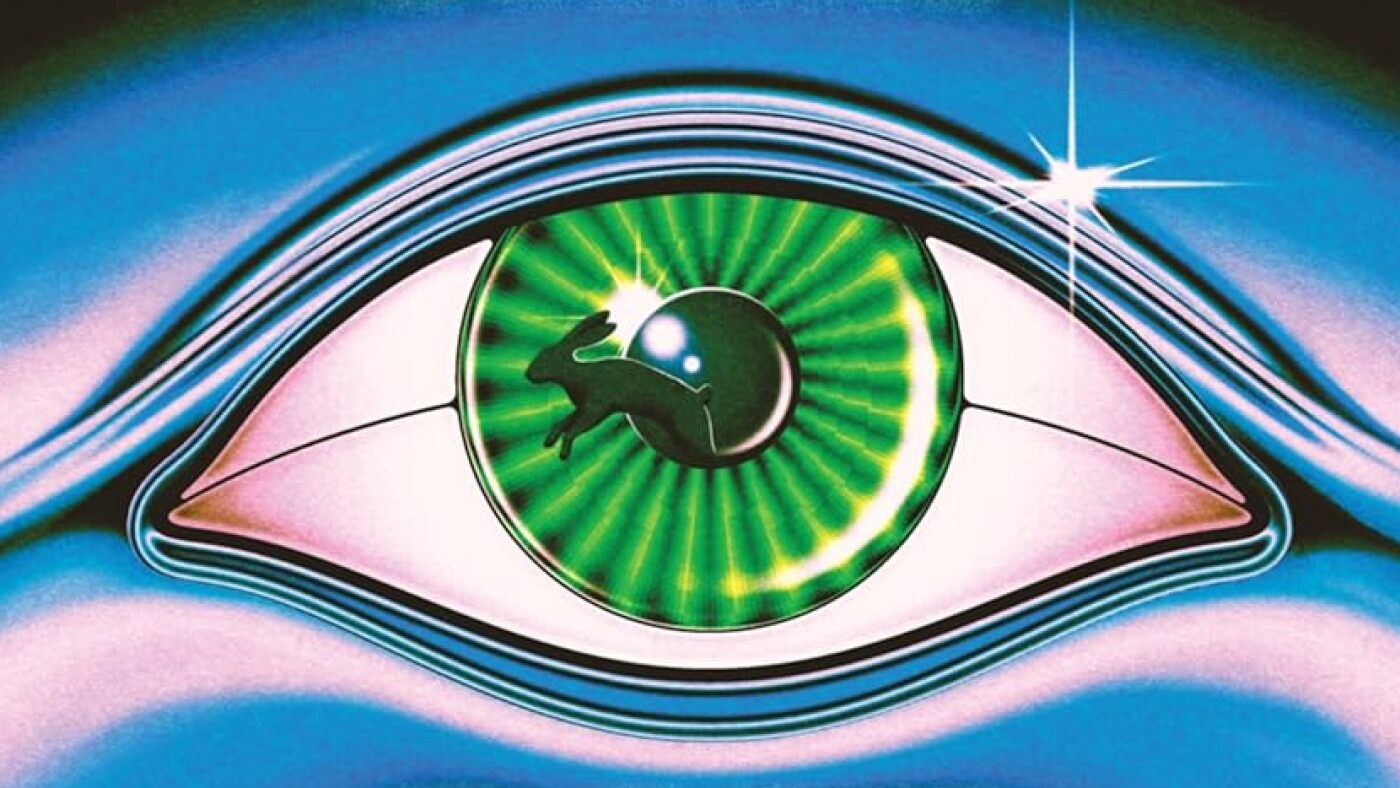
Sven Axelrad has written four captivating novels in three years. They transcend realism to shine a light on reality; they are easy to read yet difficult to fully grasp. Like its predecessors, The Dogs of Vivo defies categorisation.Vivo is a fictional, small palimpsest city, perhaps a cross between Durban and Naples, showcasing the best while laying bare the worst of messy humanity. The dogs of the title are a small human pack: three close friends in their early 20s — Arturo, Felix and Maggie. They inhabit the constant confusion of that stage of life. Each aspires to success in the creative arts — as a writer, artist and musician, respectively — to “making it”, though “all three have no clear idea what that means”. As befits bohemians, they are rich in character, somewhat poor, and gather each night at one of Vivo’s dive bars, the Mean Monsoon, to catch up, debate, drink rum with beer chasers and people-watch. The floating narrator largely sits outside the story and zooms into the characters’ inner perspectives, but regularly positions himself here too, sharing their world: “Because I too enjoy a rum and a beer, and because bars are the perfect places from which to narrate.”The book carries every shade of humour. There’s tragicomedy in its spoofing of Alcoholics Anonymous: “The coffee served at an AA meeting is distilled, concentrated pain, black as whatever you did to deserve it. This is the cup of coffee that most likely prompted Jesus to say, ‘Father, if at all possible, take this cup of suffering from me.’”A gradually more important character is Mr Pijo, loosely translated as a wealthy, snobbish elitist. He’s up to something, we soon realise. But “he’s hard to read”, the narrator tells us, deadpan. “Is he the Devil or just a good old-fashioned businessman? Which is worse?”‘The Dogs of Vivo’ by Sven Axelrad. Picture: (Supplied) There’s an abundance of absurdity, too. Axelrad conjures Bob Dylan and Joni Mitchell to appear in the respective cigarette-smoke reveries of the two best-friend protagonists. On one level, the imaginary conversations can be interpreted as life and relationship guidance from two masters of musical experimentation and lyricism: be true to yourself and break the mould. More generally, the novel’s scattered appearances of ghosts are portals to the characters’ subconscious minds, recalling Japanese surrealist novelist Haruki Murakami’s use of dried-up wells and deep pits. Their relevance to the plot is peripheral, but there’s a charming hint that Axelrad may be taking a stretch break, pausing the narrative for his own fantasy intermission. “There are many reasons one might find themselves talking with Joni Mitchell in the kitchen. None of them are particularly comforting: mental breakdowns, the suspension of known physics, and the fancy of narrators.”Part of the pleasure of reading Axelrad’s books is being alerted to unfamiliar musicians. Maggie tells her friends to seize the day, because “We are young, darling, for now but not for long”, which is a line in a bittersweet song by post-punk band The Strokes. The bar name of Mean Monsoon comes from a song by blues-rock singer-songwriter Dan Auerbach. We’re directed to writers, too: Mr Pijo is probably inspired by Spanish novelist Javier Marías, whose works, according to an online search, explore the weight of the past on the present and blur the lines between comedy, tragedy and mystery. Similar to Axelrad, then.These cross-references occasionally distract. But they don’t come across as authorial smugness; rather, they suggest the diversity — the sheer complexity — of a wider world, and prompt reflection. This is a mark of good literature, or any art: it doesn’t provide answers but provokes questions.Sven Axelrad (Nardus Engelbrecht) The story becomes almost peripheral to the spread of emotional and psychological insights, like a colour palette, coming back, always, to how life feels — to be young or old, enlivened or world-weary, joyful or fearful, free or indebted. Incongruously, it is mainly Arturo who can’t find the sweet spot — the feelings, openness and vulnerability — that a writer needs. Ironically, he has had a heart replacement, but, reminiscent of the Tin Man in The Wizard of Oz, he has yet to realise that emotions come from within: an authenticity of the soul.Axelrad leaves us in no doubt that certain issues are black or white. Nothing is worth betraying our values; corrupting the soul for fame or riches is a serious mistake. The theme of Faustian bargains threads Axelrad’s Vivo novels, this being the third in a loosely chronological series. But it doesn’t feel overused, probably because the motif of dangerous dilemmas permeates our times. In that sense Vivo is the world: greed and power encroach on the good in people; the city teems with problems, but human kindness percolates and finds a way, or at least it tries to.Yet it would be wrong to characterise The Dogs of Vivo as a moralising tale. It is also an engaging coming-of-age story: the dreams of youth, the quest for love and the rewards of friendship.Is there a deeper message in this jumble of literary and musical references, the narrator’s philosophical musings and the pell-mell setting of Vivo? Axelrad’s previous novels raise the flag of kindness as the best barrier against life’s adversities. This novel seems to shift, or carry less certainty. The vagaries of existence are too powerful. As the title of one chapter asserts: “The world pivots on the tiniest of hinges.” Fittingly — a small spoiler — Arturo, Felix and Maggie do not stay connected. Find what’s in your heart, Axelrad seems to say, because if even love and kindness cannot keep us on course, perhaps the only path is to remain true to ourselves.“Founding the fictional town of Vivo has been the creative joy of my life,” Axelrad says in the publisher’s publicity material. Visiting Vivo has been one of my own reading pleasures.Business Day
A haunting return to the world of Vivo
A new novel from Sven Axelrad is joyful and sinister, frivolous and profound
976 words~4 min read