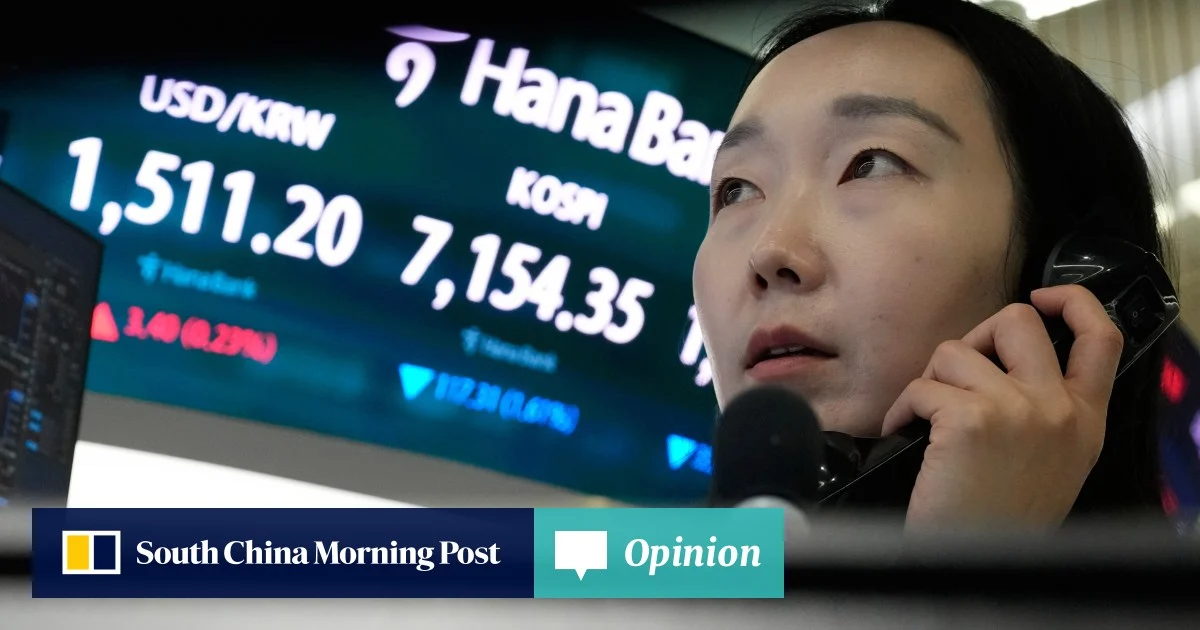
The dynamic is straightforward: Asian central banks are maintaining hawkish postures in 2026, keeping policy rates higher than many investors initially expected. For yield-hungry foreign funds navigating a world of uncertainty, that’s starting to look less like a risk and more like an invitation.
Between November 2025 and January 2026, regional bond markets registered net portfolio inflows of $2.2 billion. That’s not a tidal wave, but it represents a meaningful shift in direction after months of capital flight driven by inflation anxiety and geopolitical tension.
Then March 2026 happened. Foreign investors yanked $7.57 billion out of Asian bonds in a single month, the largest monthly outflow in four years. The culprit was a familiar one: heightened inflation concerns, primarily linked to escalating tensions in the Middle East that sent commodity prices, particularly oil, lurching higher.
Even during that brutal March exodus, not every market got punished equally. South Korea stood out as a notable exception. Korean bonds attracted roughly $2.68 billion in inflows back in June 2025, buoyed by index inclusions like FTSE Russell adding Korean government debt to its benchmarks. Markets like Thailand, Malaysia, India, and Indonesia weren’t so fortunate, experiencing outflows during the same periods when Korea was pulling in capital.