The call came in at 2am. Not a page, an actual support recording, flagged by a customer who said our voice agent "hung up on her mid-sentence." I pulled the trace. The LLM call was perfect. 380ms, clean completion, sensible response. Every dashboard I had was green. The customer was still angry, and my tooling had nothing to say about why.
That gap is the thing I want to talk about. I build voice agents for a living, the kind that answer phones and book appointments and occasionally embarrass me in production. And after three years of it, here is the hard lesson: tracing the LLM call is the easy 20 percent. For a voice agent, the failures live in the audio layer your tracer never sees.
Week 1: learning what my dashboards were hiding
When the LLM is the whole product, an LLM tracer is enough. You see the prompt, the completion, the tokens, the cost, the latency. Beautiful.
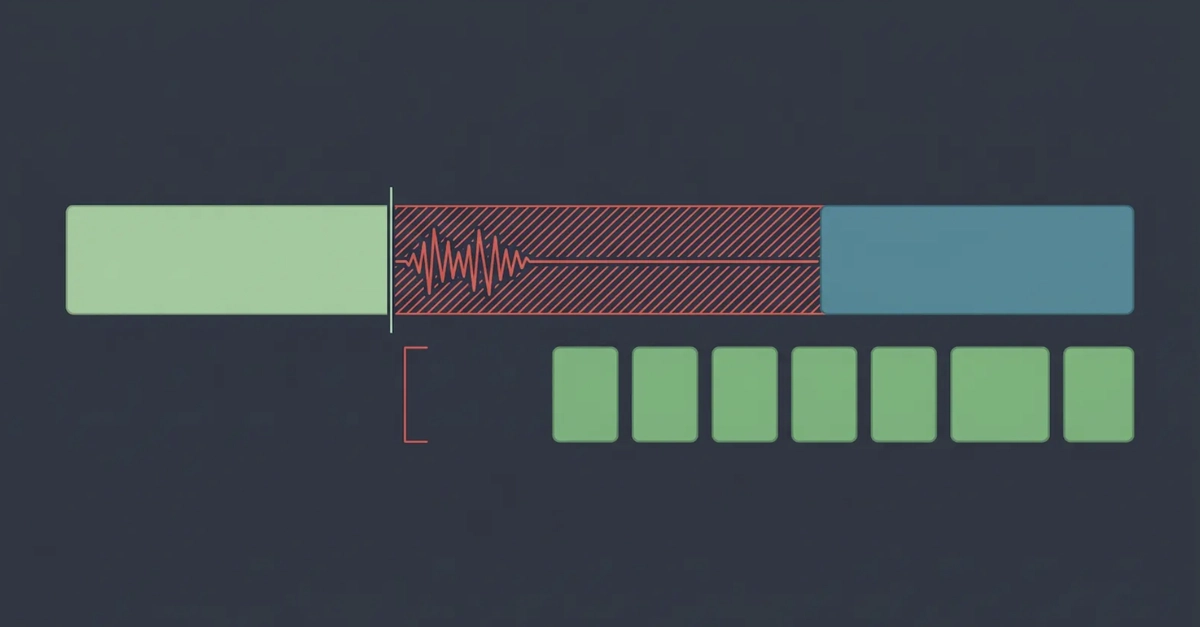
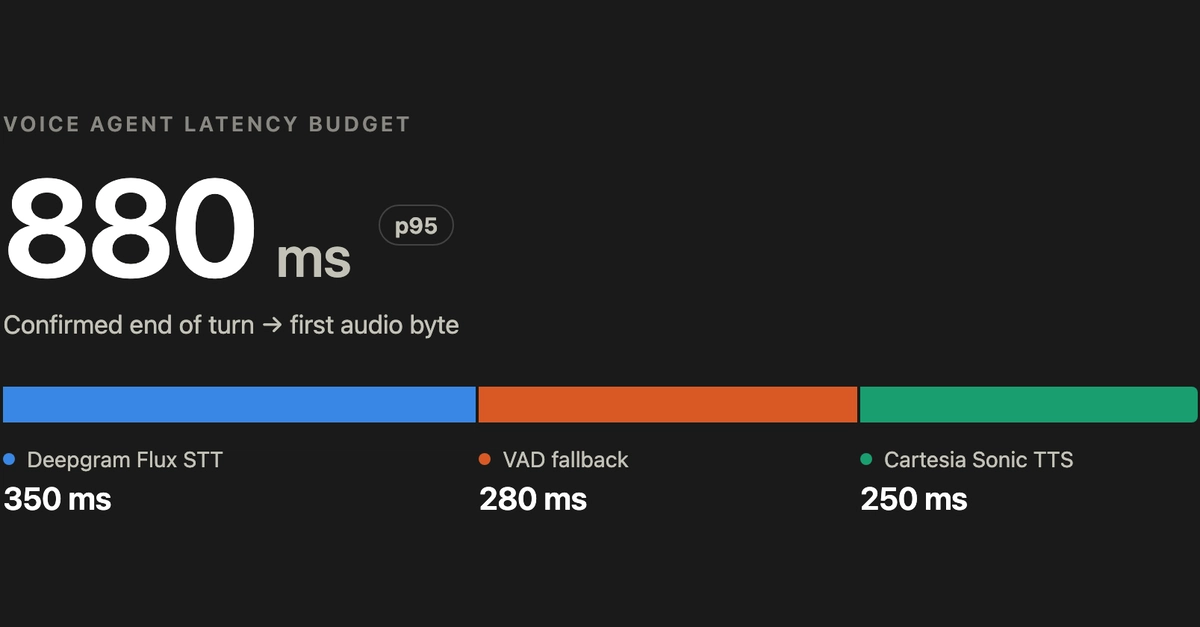
A voice agent is a pipeline, and the LLM is one stage in the middle. Audio comes in, an ASR model transcribes it, an endpointer decides when the human stopped talking, your orchestration assembles context, the LLM responds, TTS speaks it back, and somewhere a barge-in detector is supposed to notice when the human interrupts. The LLM trace covers one box in that chain. The 2am call dropped because the endpointer fired early. The transcript was cut in half before it ever reached the model. My tracer logged a flawless response to half a question.