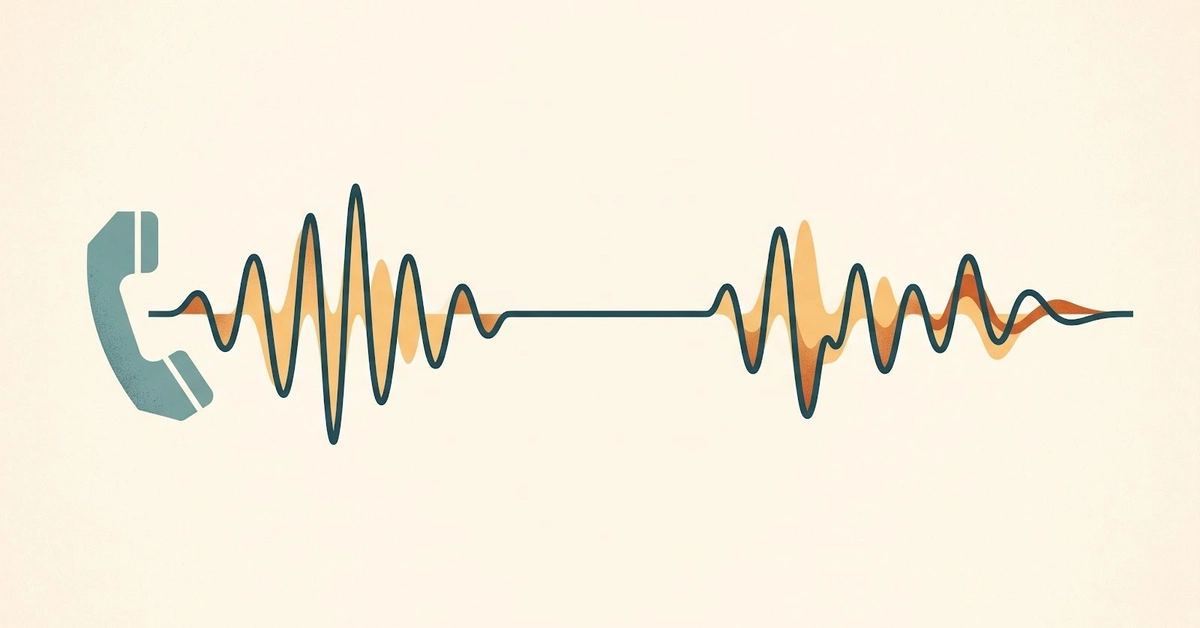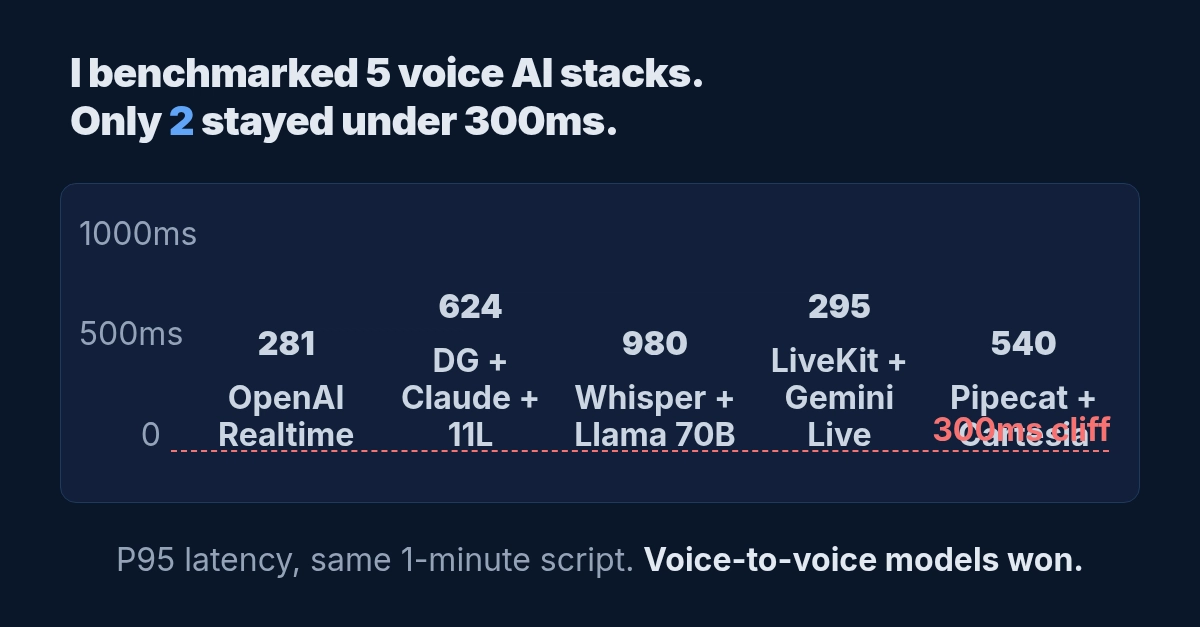
On the morning of June 3rd, a customer on a live call sat through 1.4 seconds of dead air after she finished a sentence, long enough that she said "hello?" before the agent answered. I had the trace open in Honeycomb forty seconds later. Every span was green. End-to-end p95 read 980ms, comfortably under our budget, and not one span in that waterfall was longer than 400ms. The dashboard told me everything was fine while the customer was, in fact, talking to silence.
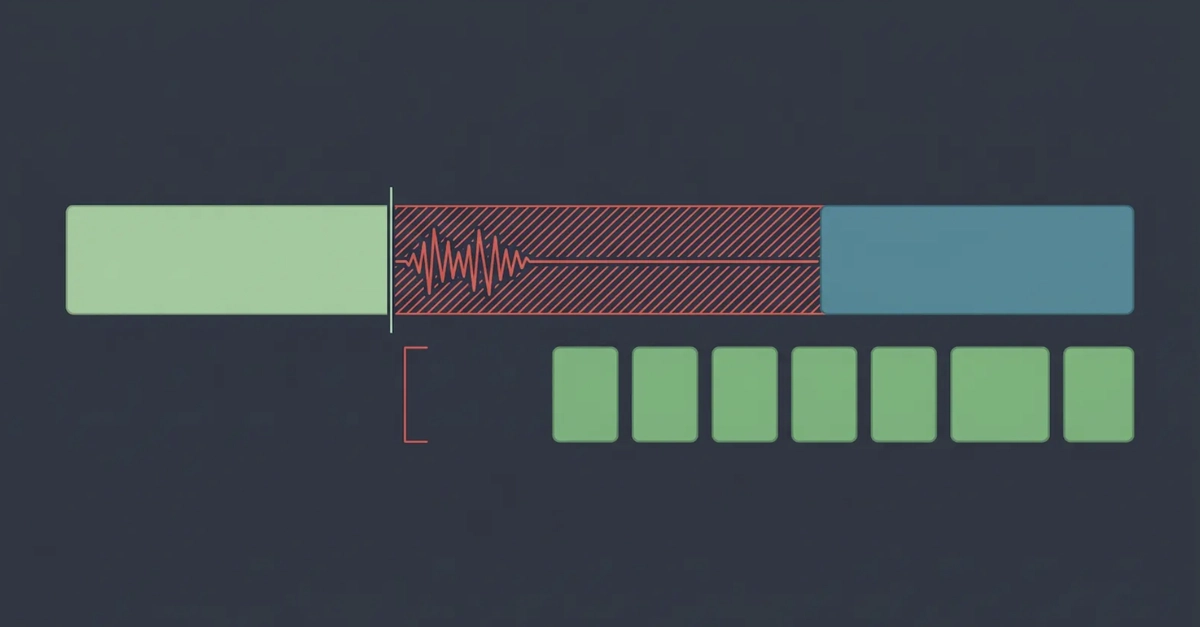
TL;DR: End-to-end voice latency is not the sum of your spans. The number that kills your UX lives in the unattributed time between spans, most often the gap between turn-end (the moment the user stops talking) and ASR-start (the moment your pipeline begins transcribing). APM-style tracing instruments the work and ignores the waiting, so the gap is invisible by construction. You have to put a span on the handoff itself.
Here is the thing I keep saying and keep being right about: most "LLM observability" is just APM with extra steps. It watches the model. It traces the LLM call, the tool call, the retrieval, the token count, all the parts a backend engineer already knows how to think about. For a voice agent that is the wrong half of the system. Voice agents do not break inside the LLM call. They break in the audio pipeline, in the orchestration between components, in the handoffs nobody owns a span for. Your model can be fast and your product can still feel broken, and your dashboard will not say a word about it.