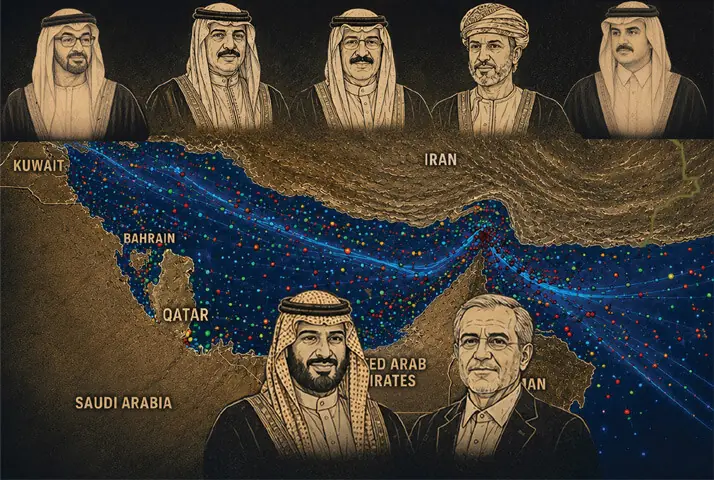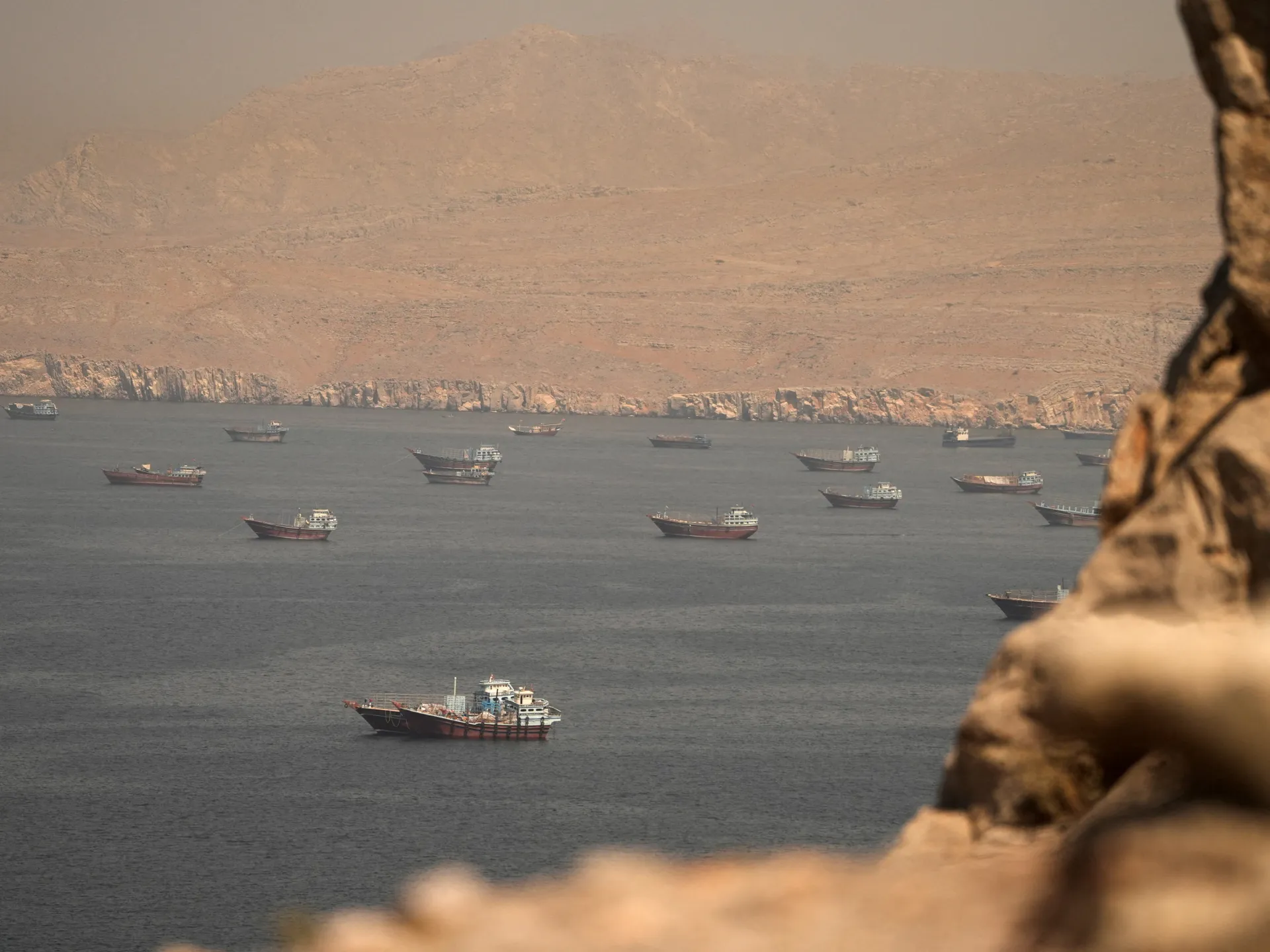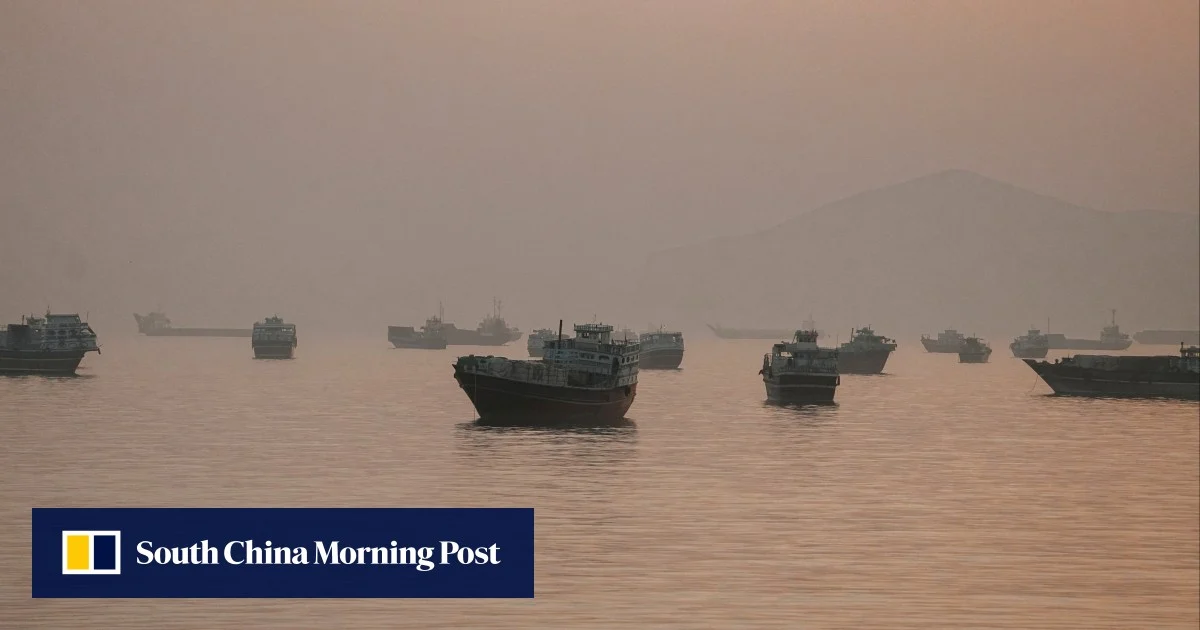
The war launched by Israel and the U.S. against Iran has challenged the assumptions and practices underpinning the existing regional order in the Gulf. The impact of the conflict extends beyond trade disruptions, as demonstrated by the closure of the Strait of Hormuz, and has exposed vulnerabilities across military, political, economic and social domains. From the failure of a decades-old security architecture built primarily on external guarantees rather than indigenous capabilities, to the urgent need to repair damaged energy infrastructure and restore supply security, the post-war environment presents both risks and opportunities for regional actors. These opportunities, however, will be shaped by states’ remaining capabilities, resilience and vulnerabilities.
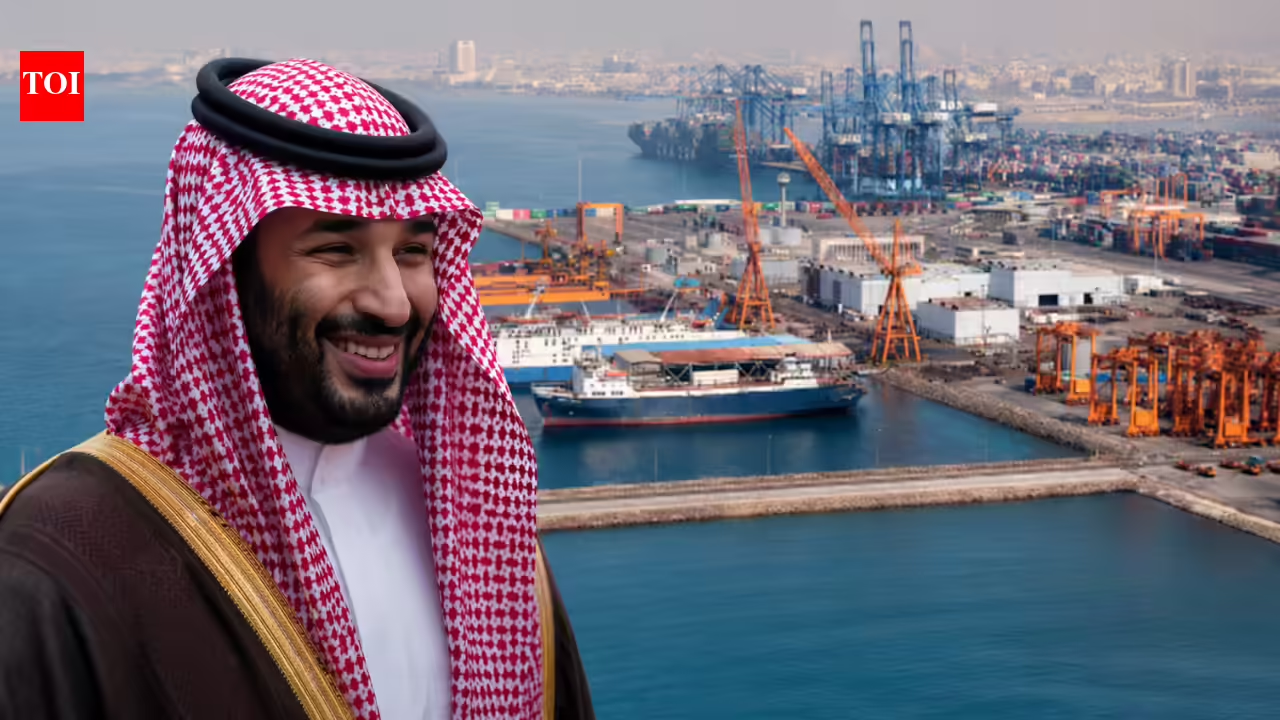
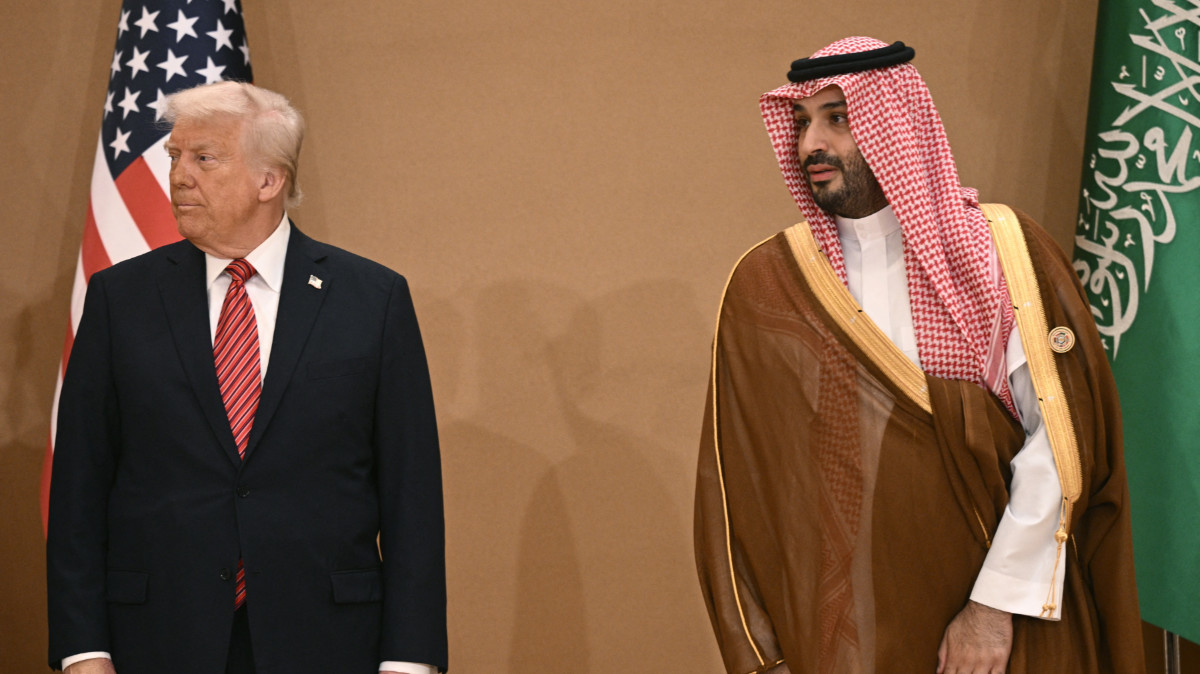
Among Gulf states, Saudi Arabia appears positioned to assume a more central role in the emerging regional order. Having suffered fewer direct strikes from Iran and maintaining relatively stronger deterrence capabilities compared with its neighbors, the kingdom enters the post-war period with greater strategic room to maneuver and potentially expand its regional influence.
Deterrence and military capacity
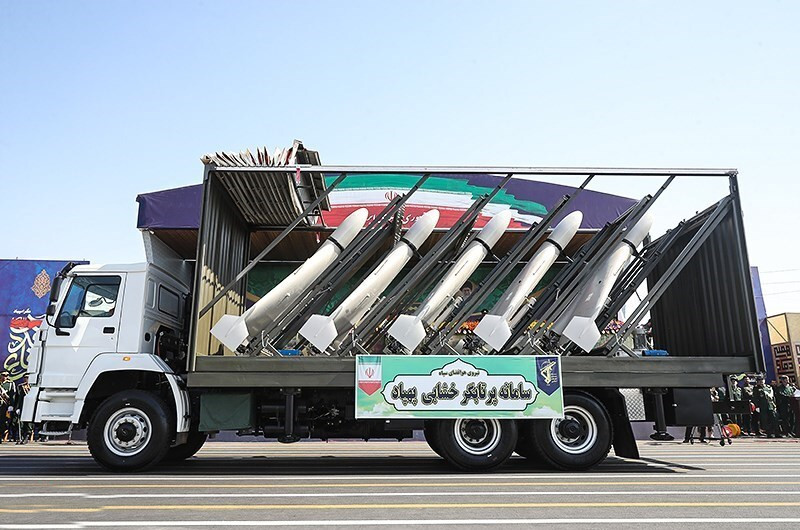
The first major advantage that enables Saudi Arabia to expand its diplomatic and political influence in the region is the preservation of its deterrence posture. Compared with other Gulf states, the kingdom suffered significantly fewer direct attacks from Iran during the conflict. While several regional actors faced extensive strikes, in some cases exceeding the level of attacks directed at Israel, Iranian actions against Saudi Arabia remained comparatively limited.