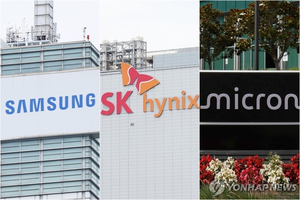
The three companies that collectively manufacture the vast majority of the world’s DRAM chips are now defendants in a federal antitrust lawsuit alleging they coordinated supply cuts to jack up prices. If that sounds familiar, it should. Samsung and SK Hynix have been down this road before.
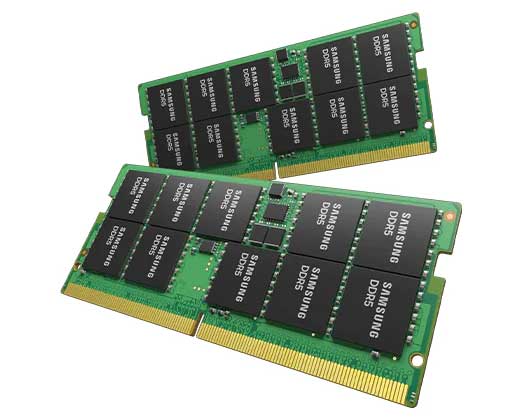
A class-action complaint filed on June 25 in the US District Court for the Northern District of California accuses Samsung Electronics, SK Hynix, and Micron Technology of colluding since late 2022 to suppress production of commodity DRAM, specifically DDR3 and DDR4 modules, while redirecting manufacturing capacity toward high-bandwidth memory (HBM) chips designed for AI workloads. The seventeen plaintiffs, a mix of individuals and small businesses, allege this coordinated pivot inflated DRAM prices by approximately 700% over four years.
The alleged playbook
The complaint invokes Section 1 of the Sherman Act alongside various state antitrust laws, characterizing the defendants’ behavior as oligopolistic coordination. The core allegation is that all three manufacturers simultaneously cut production of conventional DRAM at a time when demand for those chips was actually rising, instead shifting capacity to HBM chips. A 700% price increase over four years is a striking number. For context, that would mean a DRAM module that cost $10 in late 2022 would run roughly $80 today.