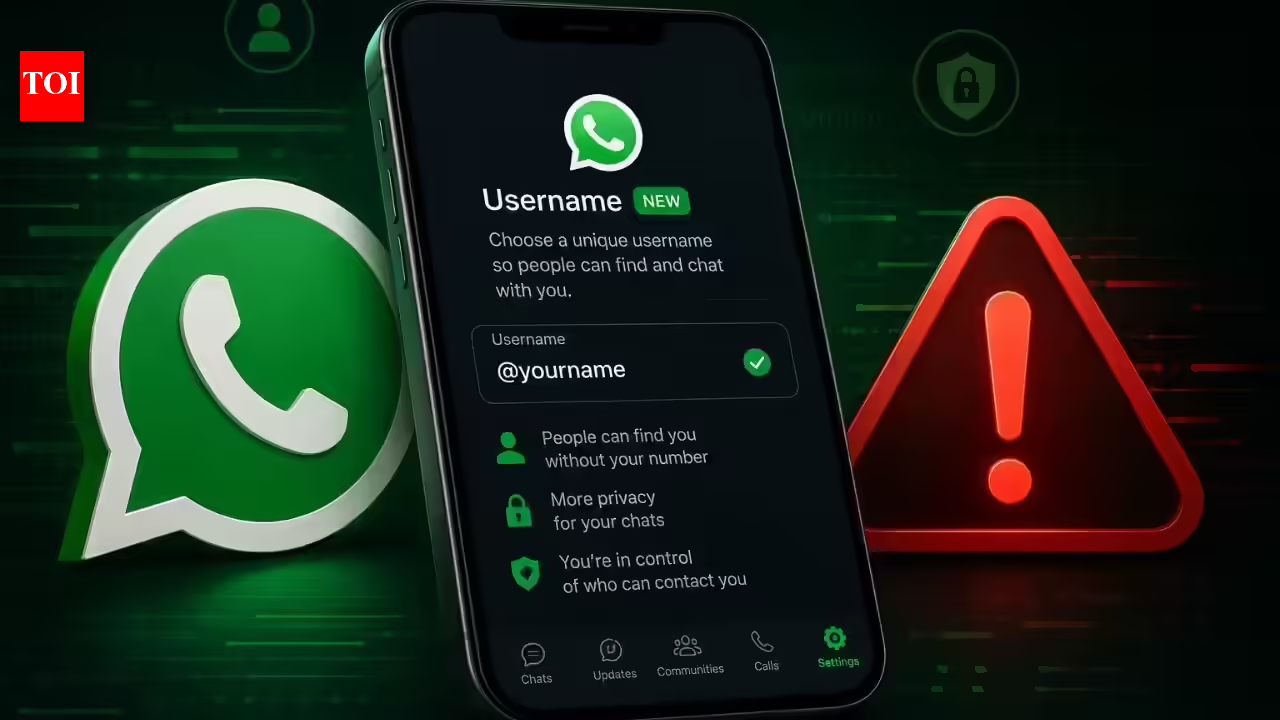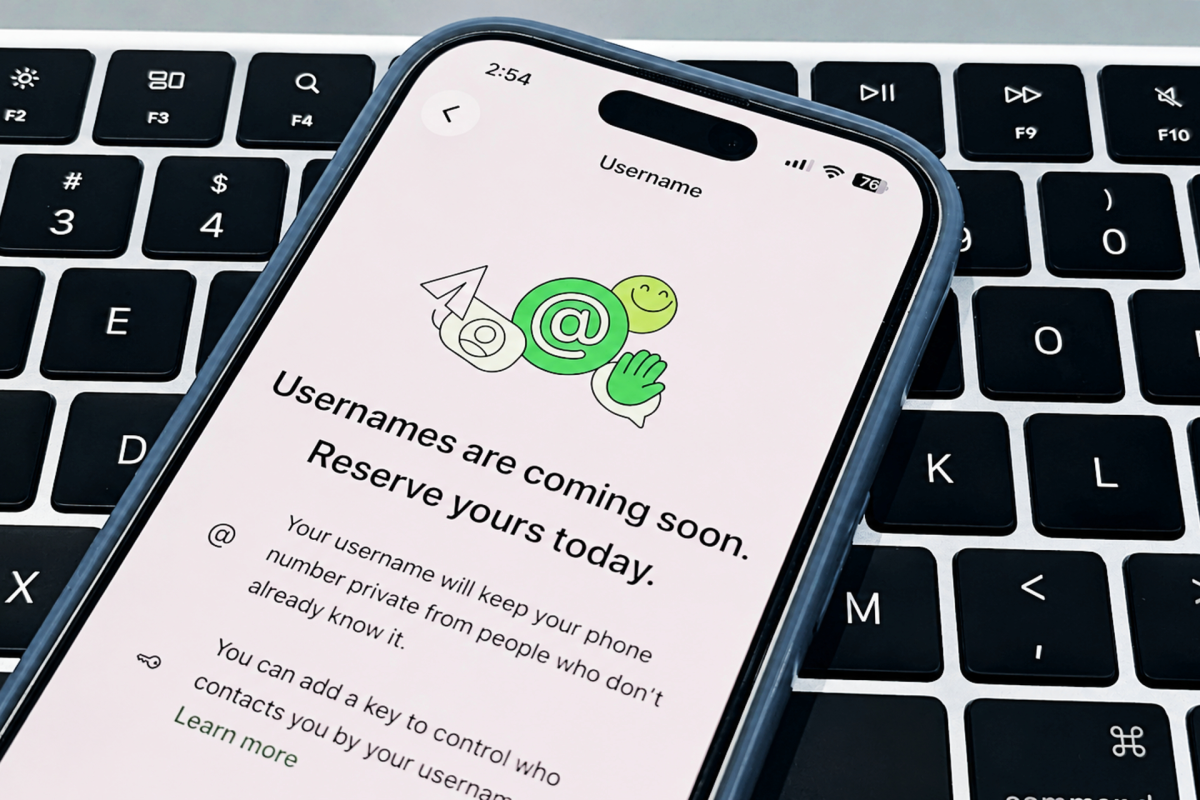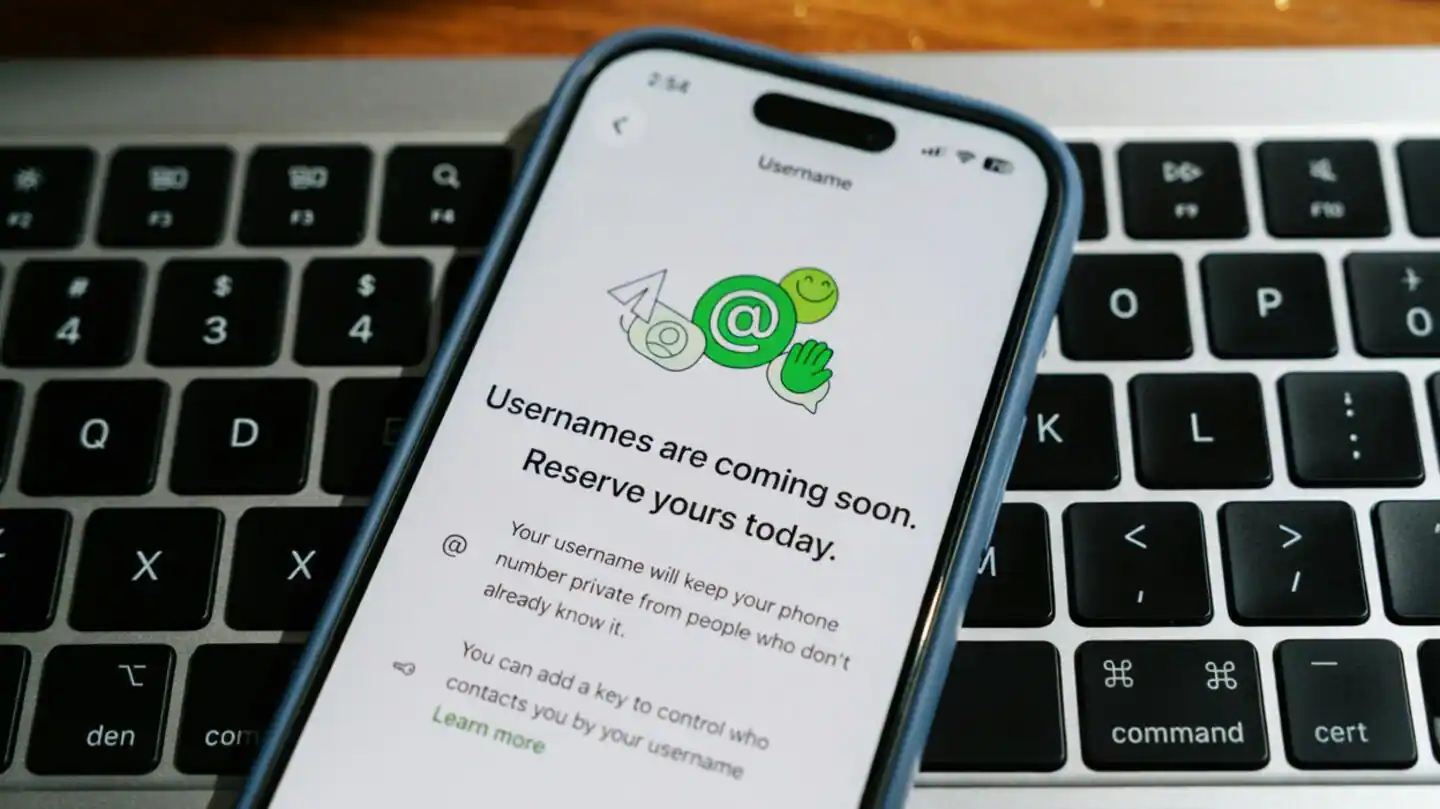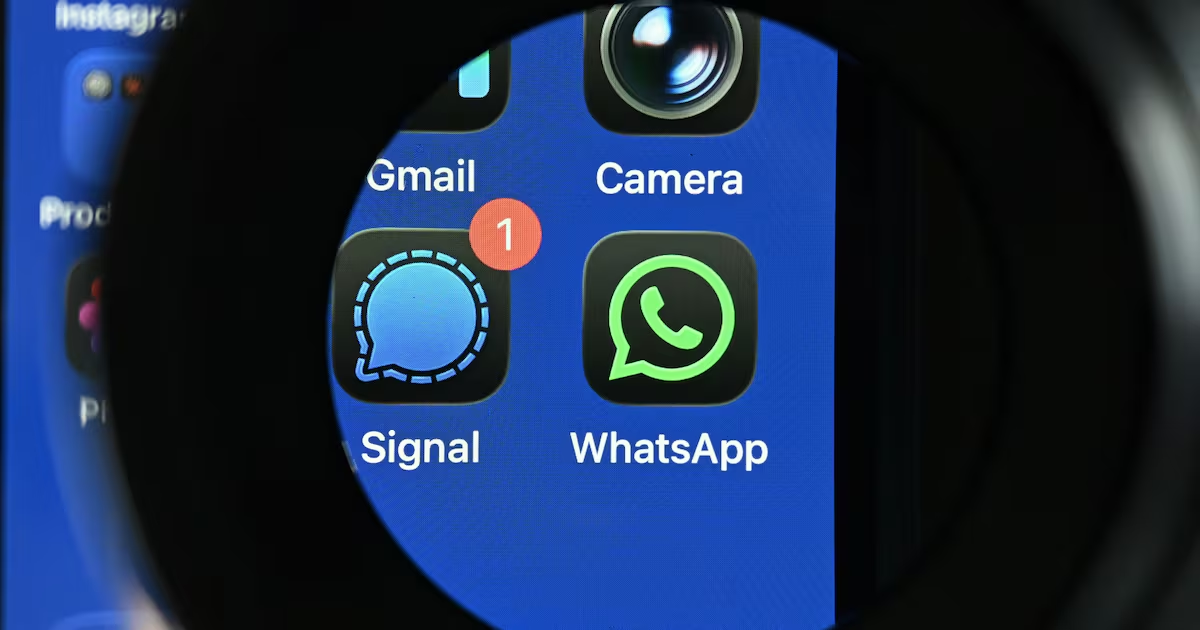
SynopsisWhatsApp's introduction of usernames, a feature long present in rivals like Telegram and Signal, has sparked debate, particularly in India. While aiming to enhance privacy by obscuring mobile numbers, especially for vulnerable users, concerns about impersonation and scamming persist. The article argues that usernames, when linked to KYC-verified numbers, don't significantly aid cyber authorities and that existing scams operate independently of this new feature.It's a wrapIn the early days of WhatsApp, one growth hack that the original founders of the instant messaging platform used was to convert mobile numbers into the identifier for a user. This avoided the need for setting up a username itself, thereby making adding friends and family easier by just accessing the address book. For the mobile-first part of the world, especially India, the need for an email address to sign up was done away with. It's one of the reasons for WhatsApp growing so rapidly in India.Life has come full circle for WhatsApp, in that it's finally introducing usernames. I hurriedly blocked mine to maintain a consistent username presence across platforms.Frankly, the controversy around WhatsApp usernames is a surprise. Both Telegram and Signal have had username-based access for quite a while. But what makes the attention being paid to WhatsApp is its scale in India - over 500 mn. Some things to consider about the current controversy: Disclosing username instead of number helps preserve privacy for vulnerable users. More platforms should do this to prevent harassment, especially of women. It's why many cab and ecommerce apps choose to route customer calls through a centralised number instead of exposing the user's mobile number.For women, it helps when their numbers are not disclosed in college and school WhatsApp groups. WhatsApp has done well to also ensure that usernames are not publicly searchable - unlike Telegram. It helps that users can protect themselves from being messaged by everyone by requiring a passcode, though WhatsApp should have enabled this feature by default. The claim that usernames make it difficult for cyber authorities to track scammers seems shallow. Every username on WhatsApp is essentially linked to a mobile number, and mobile numbers are already KYC-ed with video verification by telecom operators. There are issues of mule accounts linked to mobile numbers. But that's not something WhatsApp can address.Influencer Ankur Warikoo raised a legitimate concern about impersonation - that anyone can register a WhatsApp username similar to his name (e.g., awarikoo, wariikoo or warikooo) and pretend to be him. Three things: Email suffers from the same problem, and people have created email IDs similar to those of brands and scammed people for decades. Scams have been perpetuated over WhatsApp without usernames as well. Company employees have been contacted by scammers who use publicly available photos of founders to impersonate them, telling employees that they're messaging from their private number, asking them to transfer money to particular UPI or bank accounts. Certain usernames associated with public figures like the prime minister, government entities and verified Meta accounts are reserved for them. I had to log in to my Facebook account (after months) to claim mine. WhatsApp already has verified business accounts to address impersonation. But despite that, it doesn't stop scammers from trying to impersonate businesses.Usernames reserved for legitimate entities help users check the validity of a sender and prevent scams. Perhaps WhatsApp should consider a mechanism to prevent the blocking of names similar to brand names as well. On the concern that scammers will be able to contact people by their username alone and spam them, scammers don't necessarily work like this. They spam via bulk text messages or phone calls, and then move people to WhatsApp. Users are shown which country the sender's number is from, because international numbers are often used by spammers.At the same time, we have a large number of people - especially senior citizens - who don't check the number they're being messaged from, or the sender's country of origin. We need a more digital-aware and sceptical - almost cynical - digital populace, given the scale and innovation in scamming in India.Scams are a cross-industry, cross-country issue, spanning telecom, social media, search, payments and banking. It often feels like each government department is trying to show it's doing something without understanding the implications of its actions on a wider digital ecosystem - DoT being the worst offender with SIM binding.WhatsApp is not perfect and it has its failings. For example, a person should be allowed to prevent people who don't have his or her mobile number from messaging the person on the platform. Business users often use the platform for spamming, and WhatsApp's financial incentives are aligned towards enabling more and more businesses.There is no mechanism for blocking people from adding them to their broadcast lists, or verifying one's identity across devices so that no one may impersonate the person. The moment someone turns on Meta AI in chat without my consent, I feel like a private conversation is being spied upon. It should be a two-way consent.A statement made on a TV panel discussion on Wednesday that WhatsApp should have consulted GoI before rolling out this feature is troubling. WhatsApp had announced plans to roll out usernames a year-and-half ago. Reaction from GoI is, once again, knee-jerk. There is no reason why any company should consult a government before rolling out a feature, let alone one that protects privacy. We're not in a licence raj.(Disclaimer: The opinions expressed in this column are that of the writer. The facts and opinions expressed here do not reflect the views of www.economictimes.com.) ...moreElevate your knowledge and leadership skills at a cost cheaper than your daily tea.Subscribe Now
Usernaam ke Vaaste? Some things to consider about the ruckus over WhatsApp introducing usernames - The Economic Times
WhatsApp's introduction of usernames, a feature long present in rivals like Telegram and Signal, has sparked debate, particularly in India. While aiming to enhance privacy by obscuring mobile numbers, especially for vulnerable users, concerns about impersonation and scamming persist. The article argues that usernames, when linked to KYC-verified numbers, don't significantly aid cyber authorities and that existing scams operate independently of this new feature.
939 words~4 min read