WhatsApp as a significant social media intermediary with 550+ million Indian users retains the obligation to enable identification of message originators within India
| Photo Credit:
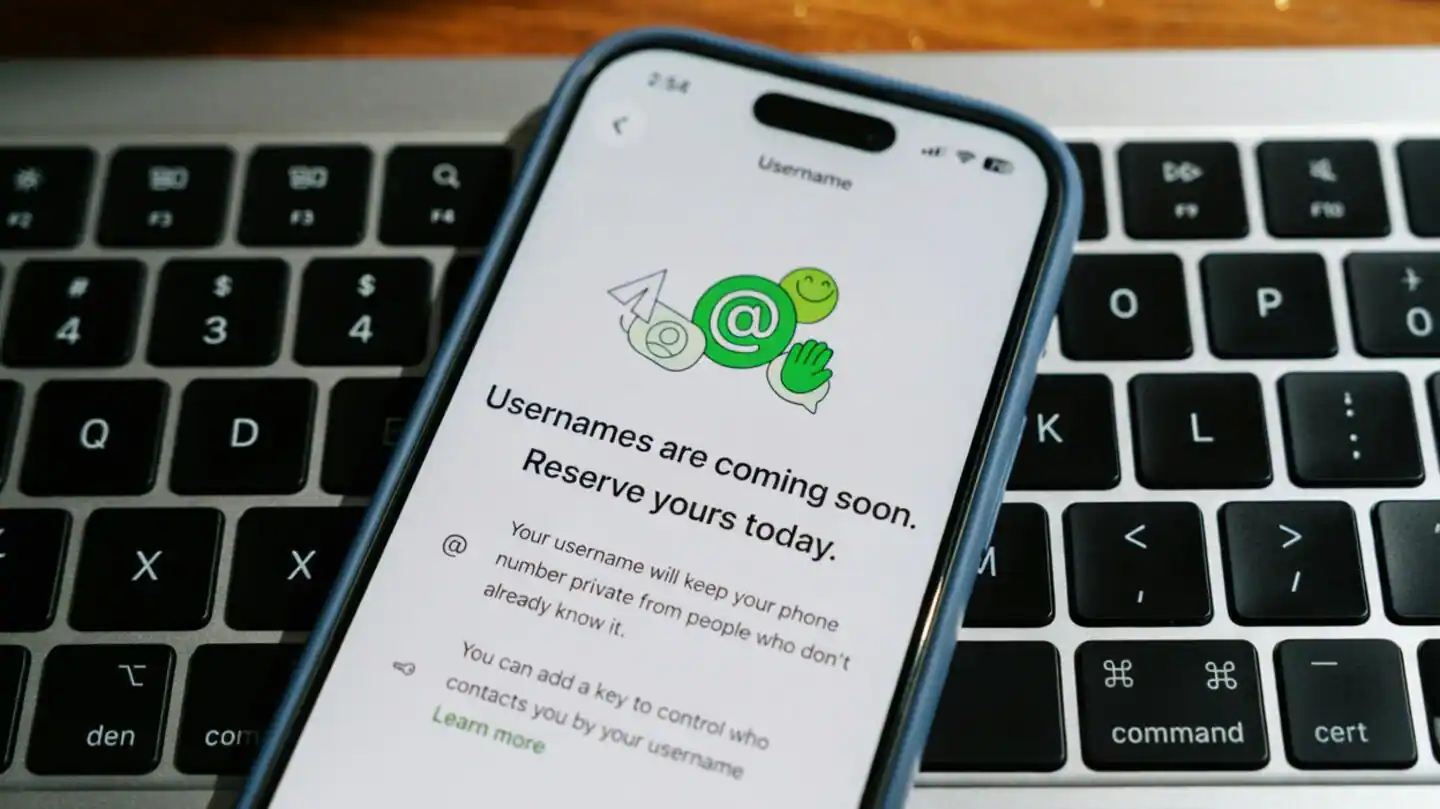
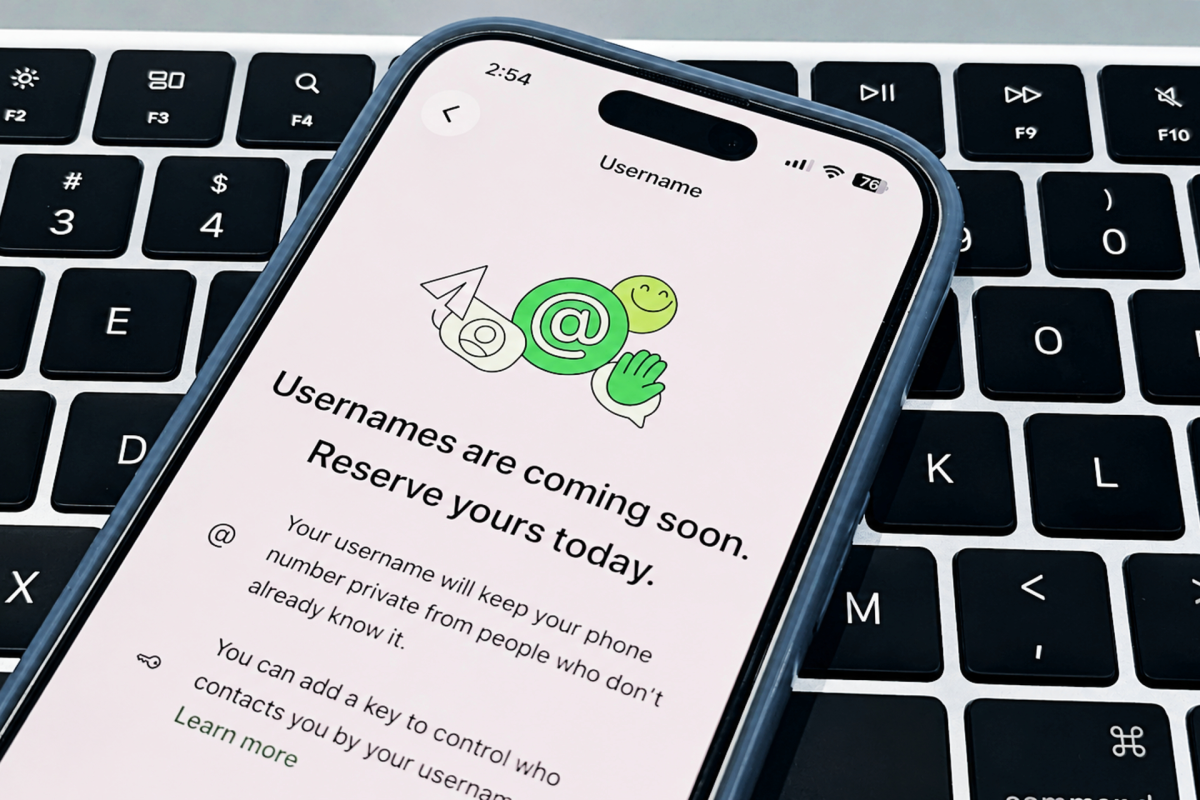
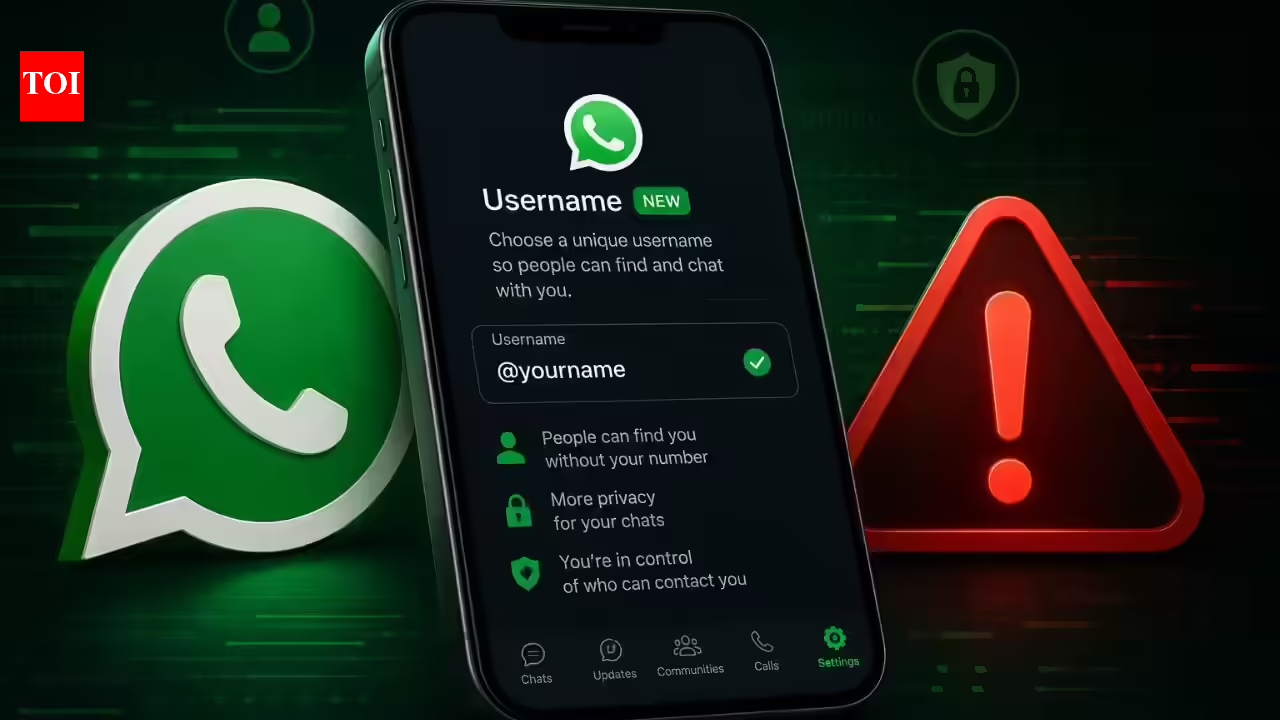
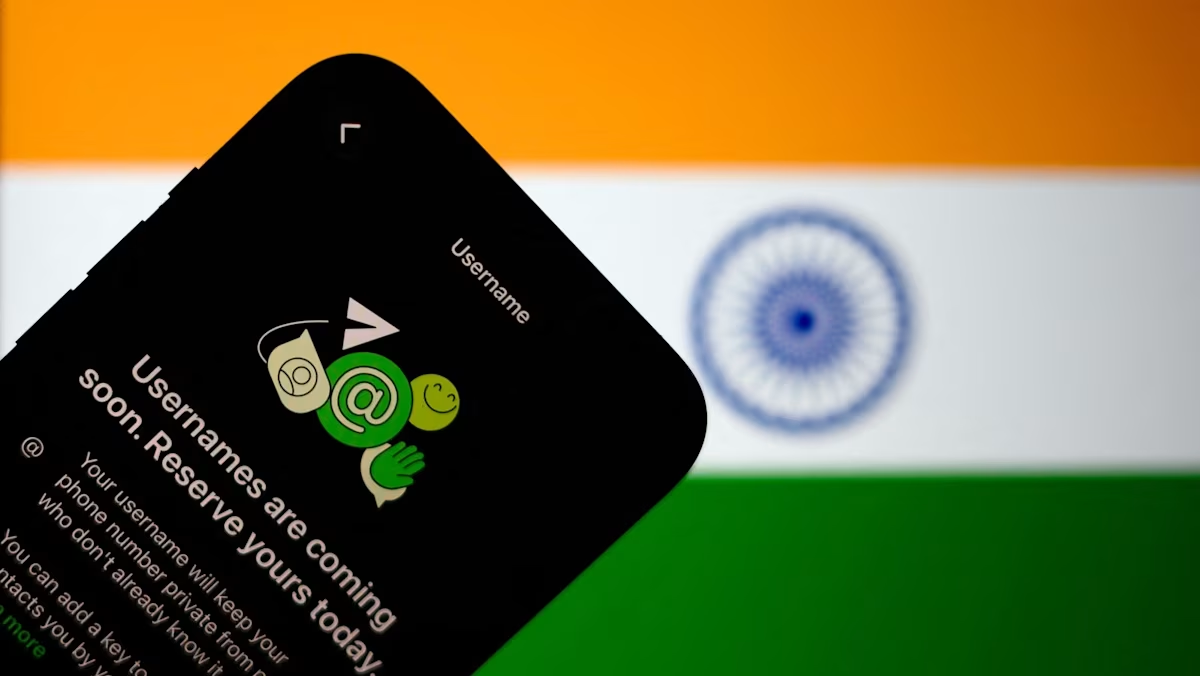
Meta-owned WhatsApp’s decision to introduce usernames has sprung concerns regarding impersonation with experts suggesting that while the move does protect the privacy of personal phone numbers, it can lead to bad actors using deceptively similar usernames to engage in fraud. The messaging platform, which recently saw a leadership change with former CRED CEO Kunal Shah taking charge at the helm, in a blog post on Monday said that it will allow users to reserve usernames so that the service can be used without sharing phone numbers. The feature will be launched later in the year. According to Akshayy S. Nanda, Partner at Saraf and Partners, the username feature can significantly reduce unnecessary phone-number exposure and add an extra gate for first-time chats in India but it can leave room for impersonation and scams. Malcolm Gomes, Chief Operating Officer at Privy by IDfy, a privacy and data governance platform suggests that while a phone number is difficult to fake convincingly, a username is not. Impersonation Issue“A minor tweak such as an extra letter, number or underscore can make a fake username appear legitimate, especially on smaller devices. This is already common on platforms like Instagram, Telegram and X, where such lookalike accounts are used by scammers to impersonate,” he said.The concern is even more pronounced in India where Whatsapp is a key medium for financial and governmental processes. “WhatsApp is the default channel for families, small shops, delivery, and now banks and government offices. A handle made to look like your bank, or a government department, is a useful tool for a fraudster. A clean, number-free way to reach a target behind a believable name only helps them,” said Apar Gupta, Founder of the Internet Freedom Foundation (IFF). Fraud RiskThis means that while the username key controls who can contact a person first, it cannot stop someone pretending to be that person. To prevent this, WhatsApp must stop confusable handles at sign-up, verify and protect the accounts that get impersonated most like banks, government bodies.“The danger is that this becomes a paid blue tick. A badge you can buy stops being a safety signal and becomes a way to make money, and then a fraud tool itself. It must not be a revenue line,” said Gupta.Interestingly, the Delhi High Court, while upholding the ban on Telegram earlier this month, had said that the use of usernames instead of phone numbers enables concealment of user identifiers and facilitates the rapid dissemination of content that might be illicit in nature.Trace and BlockAside from fraud risk, the feature also creates compliance gaps under the IT Rules 2021, as per Aashima Shrivastava, Partner at Sagus Legal. WhatsApp as a significant social media intermediary with 550+ million Indian users retains the obligation to enable identification of message originators within India upon government request. On whether WhatsApp's new username feature would elicit a similar ban during such circumstances, Namita Viswanath, Partner at CMS INDUSLAW said it would depend on how the feature is implemented and whether authorities can still trace users and block specific content.“As long as every username remains linked to a verified number at the backend, tracing users who disseminate unlawful content does not become impossible, making it structurally different from Telegram's model,,” she said. She added that Telegram's publicly accessible groups also make large-scale dissemination easier, a feature that WhatsApp currently does not offer.Published on June 30, 2026