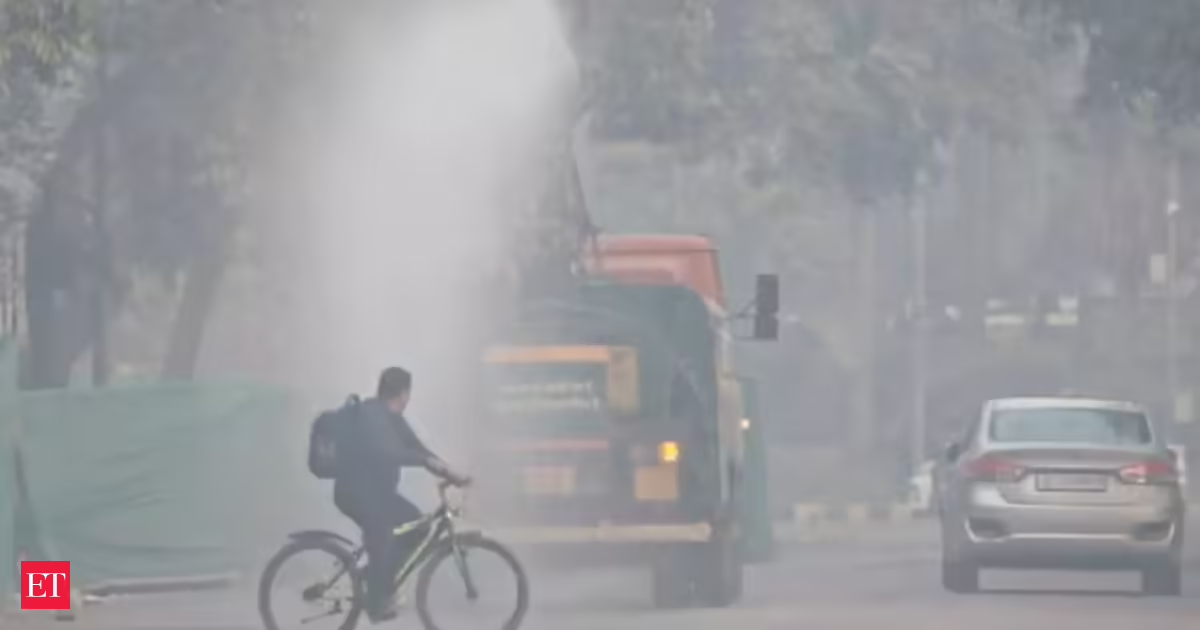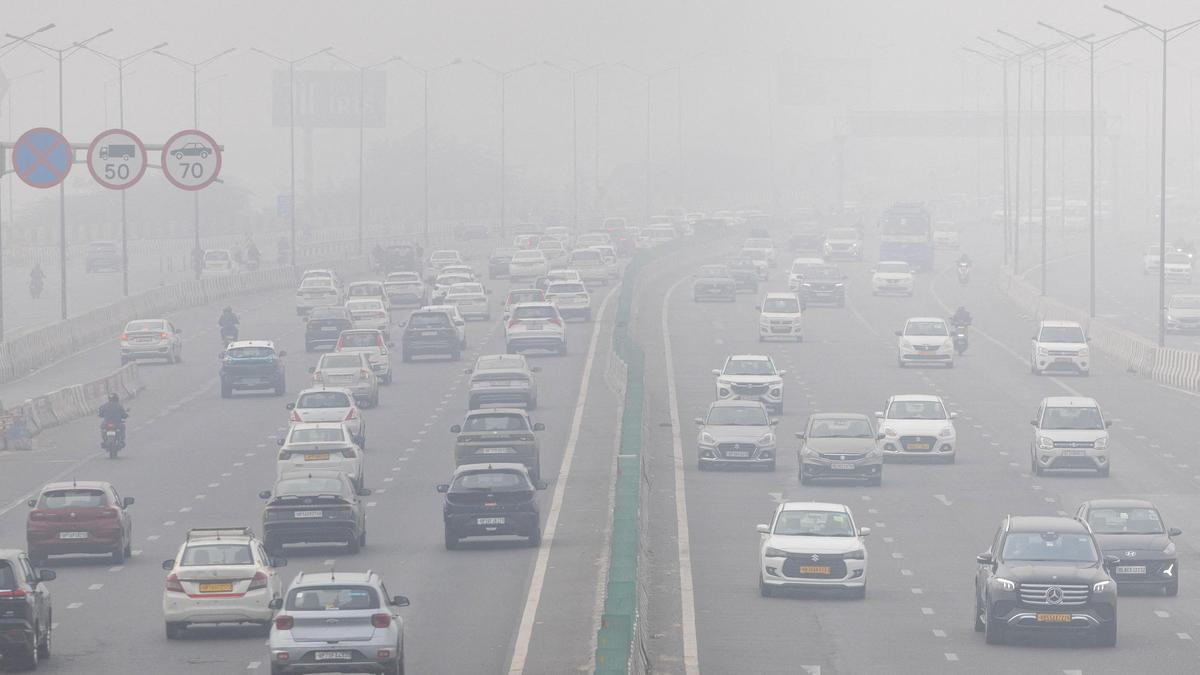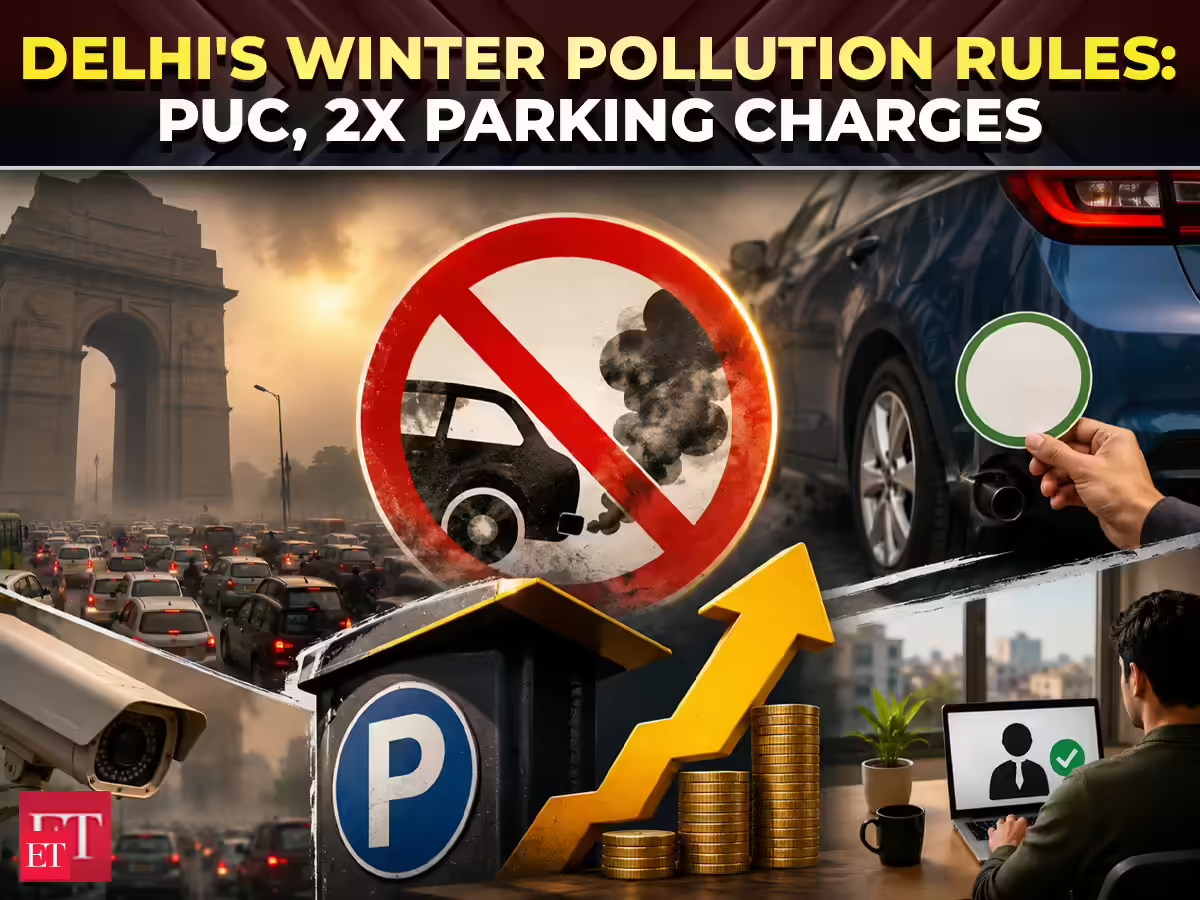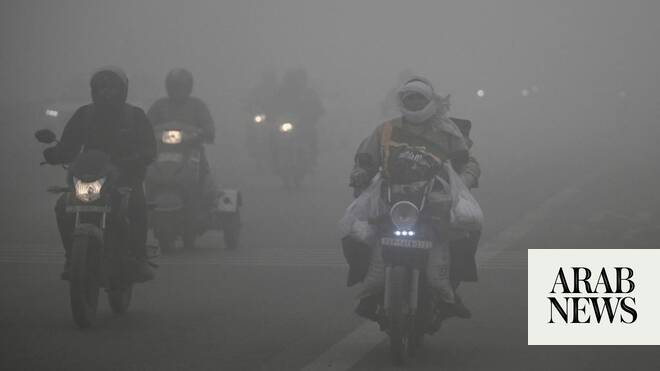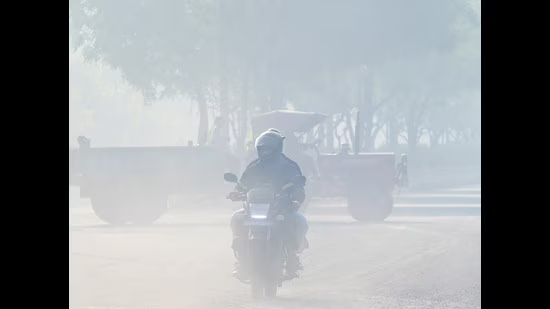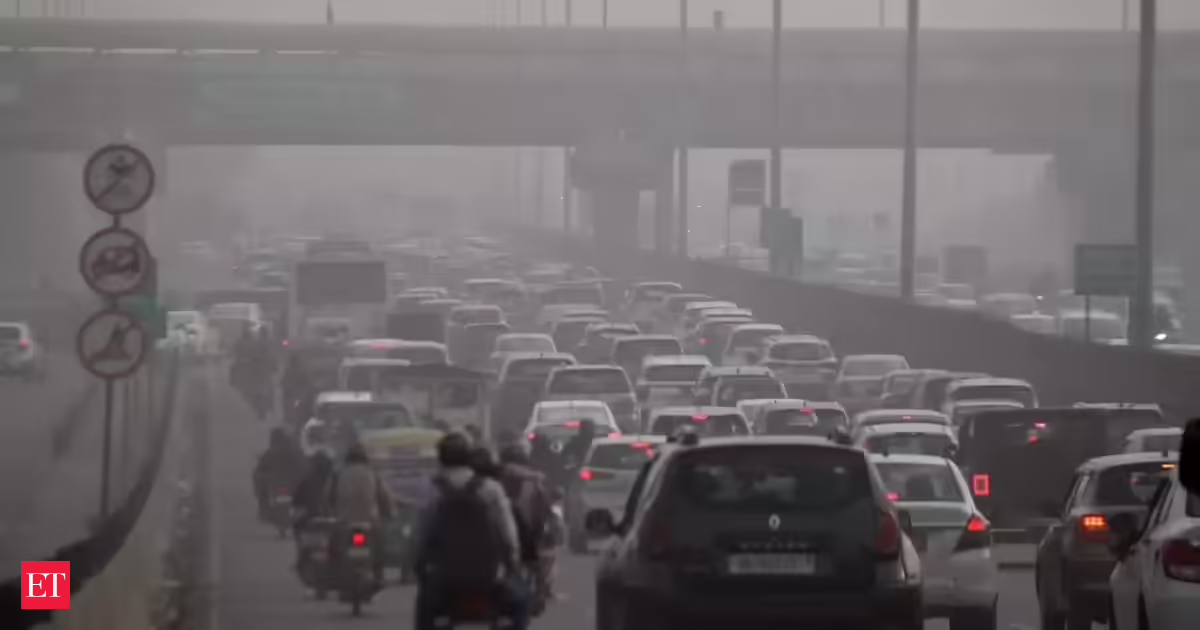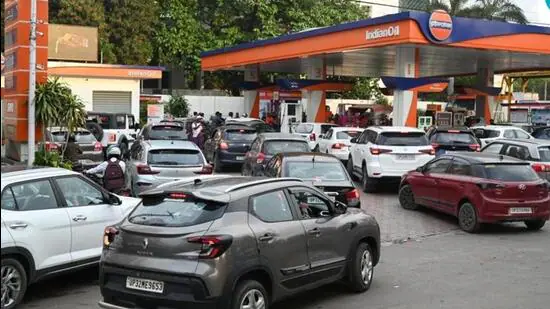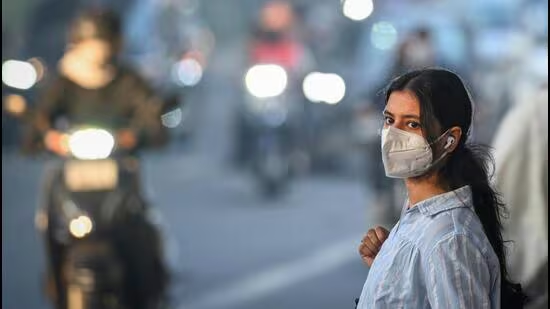
New DelhiA commuter wears a mask during winter in 2025. (HT Archive)The Delhi government on Wednesday notified the automatic implementation of key pollution curbs, such as a ban on the entry of polluting vehicles and refusal of fuel without pollution papers, during winter months every year, doing away with a need for a fresh notification or direction at each instance.The notification, issued by the department of environment and forest, lists measures aimed at controlling vehicular emissions, dust pollution and the open burning of waste. Announcing the framework, chief minister Rekha Gupta said the notification brings together existing orders into a single, enforceable system to help departments, institutions and citizens prepare in advance for the annual air quality crisis.“Delhi’s air quality deteriorates significantly every winter. Data from the past shows that pollution consistently rises between November and February. Keeping this challenge in view, the Delhi government has now put in place a permanent mechanism so that there will no longer be any need to issue separate orders every year and all agencies can take timely action under a predefined set of rules,” she said.Among the key measures, fuel stations across Delhi will supply fuel only to vehicles with a valid pollution under control (PUC) certificate throughout the year. From November 1 to January 31, non-Delhi registered vehicles below BS-VI emission standards will be barred from entering the Capital, except for exempted categories.To reduce traffic congestion, authorised parking charges will double during the period, while the Delhi government and Municipal Corporation of Delhi (MCD) offices will follow staggered office timings. Government and private offices will also maintain 50% physical attendance between November 1 and January 31, with the remaining employees working from home, except those engaged in essential services.There are also strict curbs on dust-generating activities, including a ban on demolition work and open construction during peak winter, and mandating anti-smog guns or mist systems for large commercial buildings and construction sites.The government has also introduced institutional accountability for the open burning of waste and leaves, making residents’ welfare associations (RWAs), housing societies and institutions responsible for preventing such incidents. Officials said drone surveillance and strict enforcement under environmental laws will ensure compliance with the new annual framework.
Delhi govt notifies automatic winter pollution curbs
Delhi government enacts automatic winter pollution measures, including vehicle entry bans and fuel regulations, to combat annual air quality crisis. | Latest News Delhi
366 words~2 min read