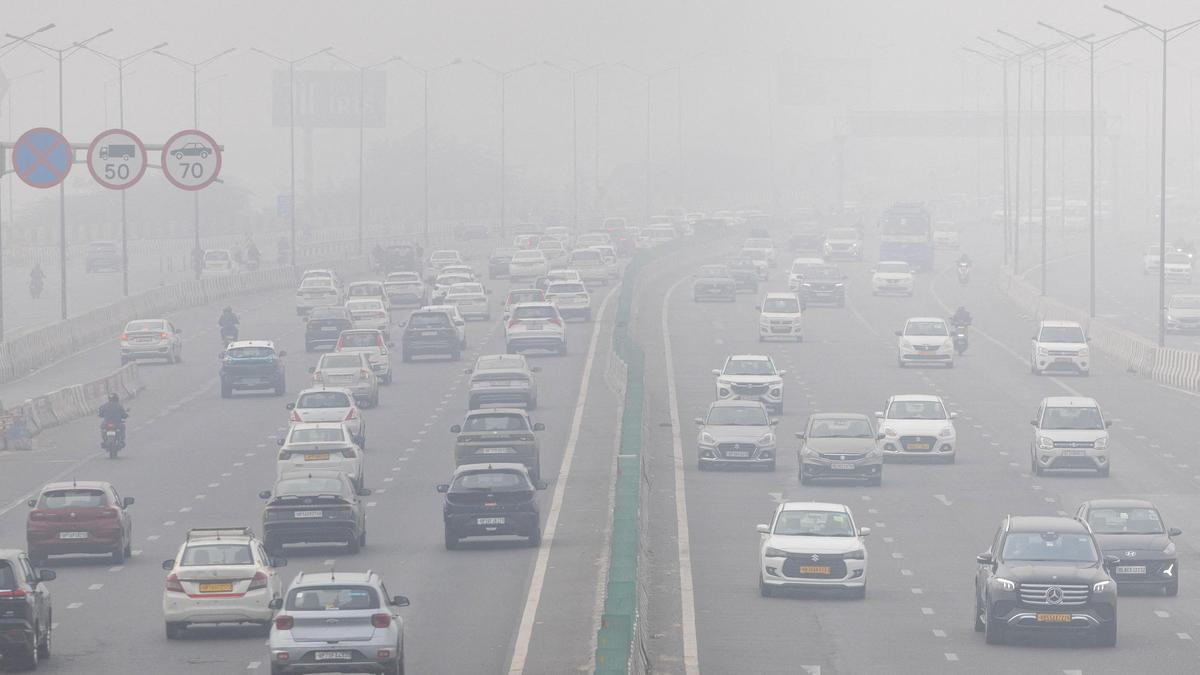
New Delhi: Companies across sectors are recalibrating work arrangements after the Delhi government mandated 50% work-from-home (WFH) for both government and private employees during the winter months to check air pollution, even as executives said it won't be easy to implement.Under the mandate, all government and private organisations in Delhi must make sure that not more than half their employees work from office between November 1 and January 31 as part of a winter pollution master plan notified by the Delhi environment and forests department.While organisations in IT, financial services and professional services sectors in particular are better prepared as many continue with the hybrid working model introduced during Covid, many other sectors will face challenges, experts said.Pollution Check: Plan will be effective for period Between Nov 1 and Jan 31"Companies in construction, manufacturing, ecommerce, logistics and other blue-collar intensive sectors will face greater operational challenges, as a significant portion of their workforce needs to be on-site," said Aditya Mishra, CEO of CIEL HR Services, a staffing firm.If the proposed measures are to be followed every year, companies will begin incorporating them into their annual business continuity and workforce planning instead of treating them as one-off disruptions, Mishra said.The focus will be on redesigning shift schedules, strengthening workforce planning, optimising transportation and prioritising critical on-ground functions, experts said.Executives said the mandate cannot be followed strictly for sales and marketing, business development and other customer-facing roles."We follow a robust hybrid policy that is flexible and tailored to roles so that work doesn't suffer," a senior executive at a large Delhi-NCR-based consumer multinational said on the condition of anonymity.The HR head at a large conglomerate in the renewable, power, and FMCG space said the company may revert to the roster system adopted during the pandemic. "But the drawback of this set-up is that the collaboration and team cohesiveness suffer," the person said.Many organisations, including tyre manufacturer Ceat and RPG Group, follow a hybrid model where the WFH option is mainly based on the roles."As external mandates like the NCR winter WFH policy come into effect, we don't foresee a major recalibration, since flexibility is already embedded in how our teams - including marketing and sales - operate day to day," said Rahul Gama, chief HR officer at Ceat Ltd.An RPG Group spokesperson said, "While it's too early to comment on potential changes, we will align with all government mandates."An automaker with an office in NCR is set to hold meetings in the coming days to consider changes to workforce planning for the coming winters, said a person aware of the development.Executives noted that particularly for Indian subsidiaries of global companies operating in the country, frequent visits from their overseas teams are a regular feature, so the 50% mandate on a regular basis may be difficult to follow.They added that while the mandate is for Delhi, companies headquartered in other cities would also be directly impacted, as most large companies have extensive branch or regional offices in the capital."The winter months of November to February are when we see a majority of visits to India," an executive at a prominent food and beverage company said.
Companies in Delhi gearing up to comply with 50% WFH mandate
Delhi's mandate for 50% work-from-home during winter to combat air pollution is prompting companies to adjust operations. While IT and financial sectors are largely prepared, sectors like construction and manufacturing face significant challenges. Companies are exploring redesigned shifts and optimized transportation, though customer-facing roles may require on-site presence. This annual measure could shift towards integrated business planning.
522 words~2 min read