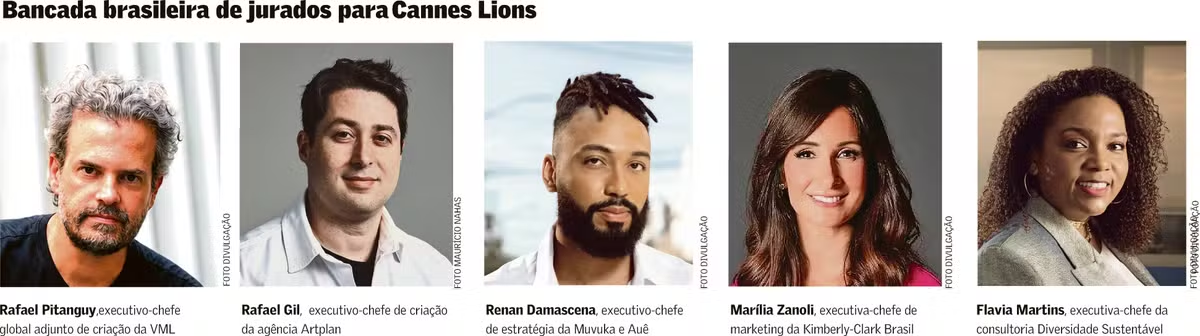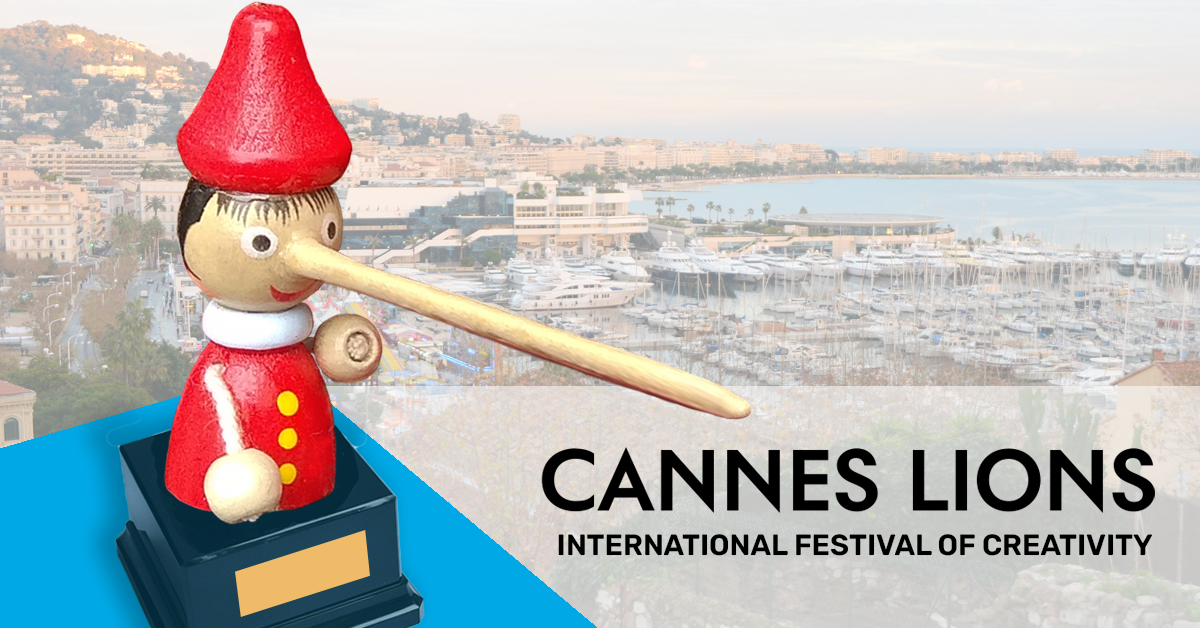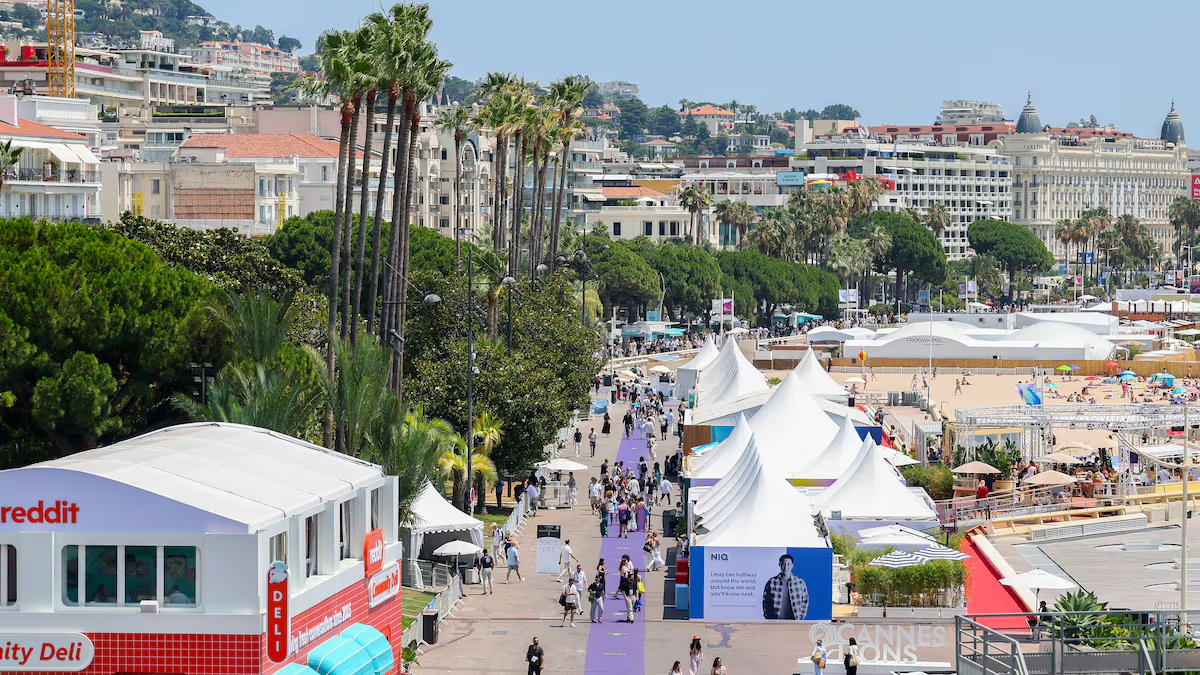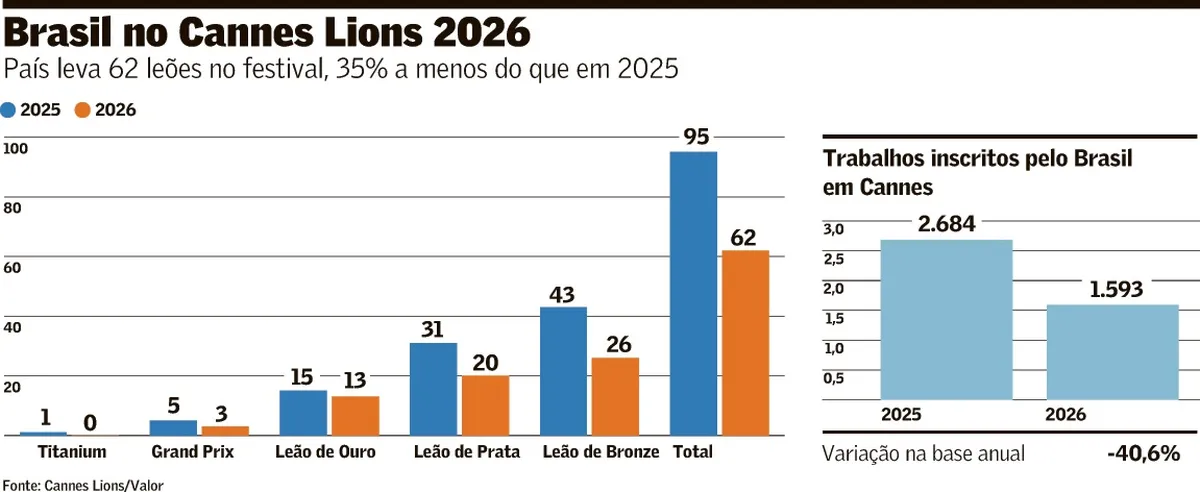
Last year’s Cannes Lions International Festival of Creativity was anything but business as usual, with more than a handful of entries and winners facing scrutiny for fabricating information and results. Brazilian agency DM9 withdrew its “Efficient Way to Pay” campaign because of its use of AI generation and other manipulations, while Havas Costa Rica’s “Lessons of Shame” came under fire because it contained information that could not be officially verified.“The lack of strict verification criteria put the trust of the entire awards ecosystem at risk,” said Renan Damascena, a Cannes creative strategy juror and cofounder and chief strategy officer at Brazilian agency Muvuka. He added there was a “dangerous gap between the fictionalized narrative of the case and the actual real-world impact of the project.”While some of these discoveries led to agency-side disciplinary action, the festival did little initially. However, in late June 2025, Cannes Lions released a statement promising additional measures — such as content detection tools and a review committee — to further validate future submissions.Rafael Pitanguy, deputy global chief creative officer at VML and this year’s jury president for the brand experience and activation category at Cannes Lions, told Campaign that the resulting updates and guidelines were natural courses of action as the advertising and marketing industry grows more “complex.”“As creativity evolves, the systems that support judging need to evolve as well,” he said. “The objective isn’t to create more bureaucracy; the objective is to create more confidence.”While Cannes Lions updated its guidelines for evaluating this year’s submissions, one fact remains certain: The changes were long overdue.“These changes [are] part of a broader market movement toward greater accountability and verification,” Damascena said. “Every major cultural transition leaves lessons for the future.”Tedious, but worthwhileEarlier this year, Cannes Lions unveiled its updated integrity standards, which detailed new practices the festival planned to implement during the judging process. It also introduced the Lions Integrity Handbook, a guide for jurors that sets clear, specific expectations for entries.Entrants had to provide proof of impact, sources for claims made in the submission and “enhanced layers of declaration of factual accuracy” from various levels of leadership.“When you bring together jurors from different disciplines, markets and backgrounds, alignment matters,” said Pitanguy, who previously served as a juror for the mobile, Entertainment Lions for Sport and Glass categories. “Having a common framework helps ensure everyone is approaching the work from the same starting point.”Damascena, a first-time Cannes Lions juror, told Campaign the handbook helped him align his own perspective before judging even began.“[It] significantly reduces room for interpretation, both for those submitting entries and for those judging them,” he said.The festival introduced a new feature into every stage of the judging process: the “Ask a Question” functionality, which allows jurors to request additional information from the entrant. Damascena said the inclusion of this feature — which his group of jurors “used heavily” — was a smart choice from a transparency standpoint.“It decentralized the debate and allowed crucial questions about the execution of projects to be answered in a clean, fast and documented way,” he continued, “without the jury having to rely on speculation or assumptions.”Despite the extra reading and reviewing that jurors must crawl through as a result of the new changes, the process remained "remarkably smooth,” Damascena said.“It’s an effort that’s worth it when the goal is to ensure that the awarded cases actually happened as described,” he said.Two sides of AIPhil Thomas, chairman of Cannes Lions, noted that 40% of this year’s entries stated that AI was used in the work, double the percentage of entries that disclosed AI usage last year. While disclosure was optional when introduced in 2024 (when 11% of entries confirmed their use of AI), the festival made it mandatory after last year’s controversies. This year’s festival drew 20,050 entries, compared with 26,900 last year.With AI disclosure now mandatory, the festival and its jurors could no longer rely on an outdated judging model.“The previous model relied too heavily on self-regulation and absolute good faith in submissions, which proved fragile in the face of new technological tools,” Damascena explained. “It became clear there was a lack of robust audit and technical verification protocols, especially for distinguishing what was a real result from what was an AI-generated simulation within video case films.”Cannes Lions’ updated integrity standards also introduced an internal AI model to verify information within submissions. Anything flagged in the entry — whether by the AI model or the jurors themselves — would be shared with the entrant for further clarification, according to the standards.“When you’re evaluating close to 2,000 pieces of work in a limited period of time, any system that helps verify information is incredibly valuable,” Pitanguy said. “It allows jurors to spend less time acting as investigators and more time focusing on the ideas, the craft and the impact of the work.”Of course, AI is never perfect, regardless of context. Damascena told Campaign that while he and his fellow jurors had to review unnecessary flags and other hiccups the AI model caused, it did its job well.“It reflects a moment when generative AI arrived very quickly for the market as a whole — not just for those who produce, but also for those who organize and judge,” he said. “Cannes was not exempt from that learning curve.”Always room for improvementCannes Lions’ complete overhaul may have been more than an improvement, but it isn’t perfect. FP7 McCann Dubai withdrew its shortlisted “Step Buy Step” campaign for Ikea Alsulaiman due to an inconsistency in its case study. According to a statement from the agency, the case study “included a three-second clip from an event attendee who was mistaken to be a customer.”While not pointing to specific disputes, Pitanguy emphasized that the festival’s broader integrity push is a matter of institutional survival. “Awards are ultimately built on credibility,” he told Campaign. “The more confidence jurors have in the information presented, the more confidently they can focus on evaluating the creative idea itself.”One of the final updates mentioned in Cannes Lions’ integrity standards is the intention to reevaluate the standards every year. More specifically, the organization plans to “conduct an integrity audit” after the festival concludes and publish its findings.“In a landscape where technology changes every six months, a static manual would be outdated from the moment it’s published,” Damascena said. “Committing to letting the document evolve is the clearest signal that the festival has understood the nature of the problem.”Ultimately, time will tell if these changes consistently lead to fruitful results, ensuring campaigns that win such impactful awards contain genuine, truthful information.“The first year is naturally more challenging,” Pitanguy said. “It’s an adjustment for entrants, who need to follow new protocols, and it’s also an adjustment for Cannes, which now manages a more complex process. But by next year, many of these procedures will feel much more automatic and seamless for everyone involved.”
Jurors pull back the curtain on Cannes Lions’ new integrity era
With the festival wrapped, inside sources share how new verification rules and mandatory AI disclosures altered the judging process.
1,142 words~5 min read