There is a need to reduce, for some years, the capital gains tax on the sale of real estate, if the proceeds are invested in financial assets.
| Photo Credit:
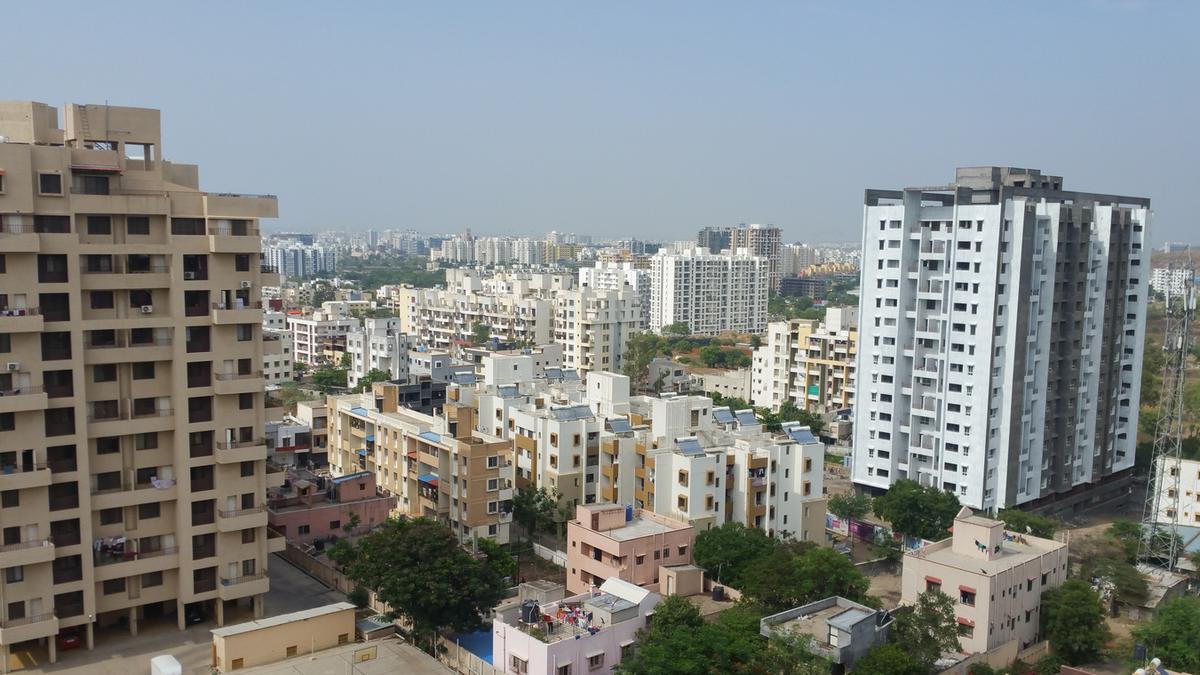
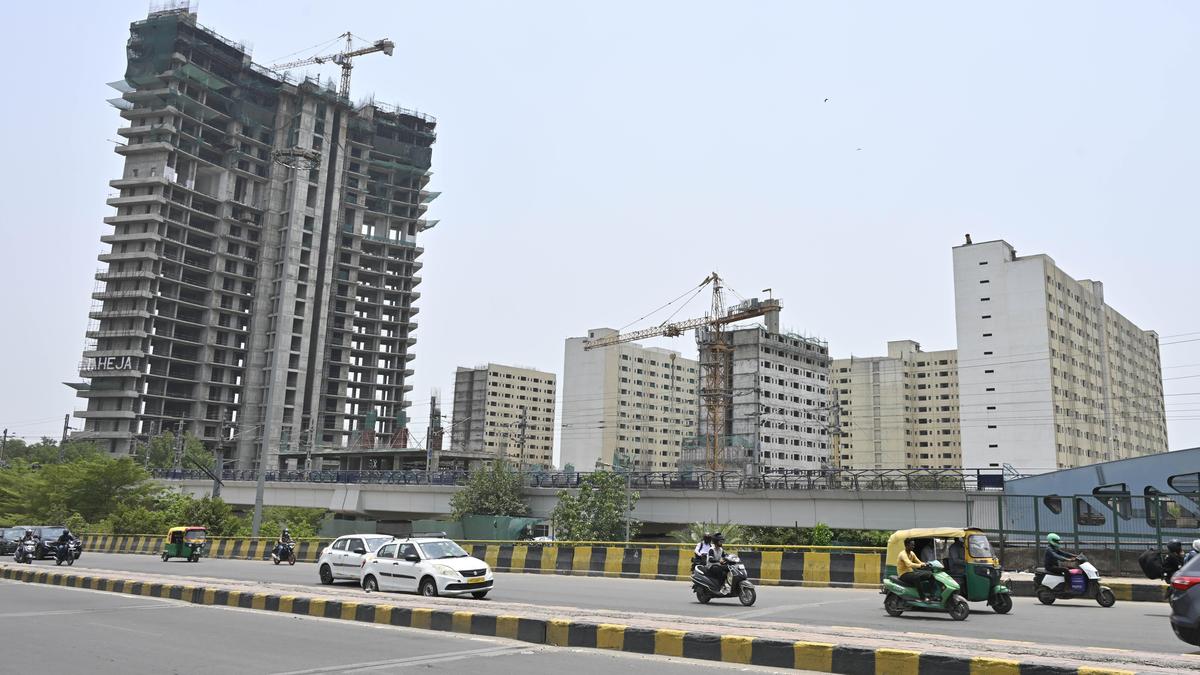
Home prices are, all said and done, very high in urban India. The root of the problem lies in the policies. These need to be changed. This article presents a ten-point policy solution. It is a very long story but told briefly here.Some of it is an ‘out of the box’ story; it needs to be.First, the existing major cities are too big for further expansion at reasonable cost. We need new cities, or meaningful extensions of existing small cities. But the public authorities cannot do it alone. We need public policy that enables private reputed real estate developers to participate. The expansion needs to be holistic so that people actually shift in a phased manner. Home prices will be significantly lower and attractive in the new urban areas.Second, in the existing big cities there is a need to phase out the excessive restrictions on real estate development, improve the infrastructure, allow for a higher floor space index in some areas, and reform or even phase out institutions like the Delhi Development Authority. The supply of homes will expand.Urban land priceThird, with the massive expansion of new real estate development suggested above, the price of land can, in fact, rise in the short term but the long-term story is very different. As the number of homes in urban India expands massively after a while, their inflation-adjusted prices will fall. Accordingly, the price of urban land derived from the market price of homes will fall. We have interesting and counter-intuitive causality here after a while — from urban home prices to urban land price to the price of rural land at the boundaries of cities!Fourth, there is a need to amend the Land Acquisition Act 2013, which can contribute to reducing the price of rural land. The displaced farmers can be part of the new cities, or extensions of existing small cities. This is not just for their housing needs but also for their livelihood.Fifth, with the policies suggested here, real estate prices will start coming down. This itself can reduce the incentives for the big investor demand. This can, in turn, increase the effective supply of real estate for end-users. We also have “retail” investor demand for real estate. This is somewhat related to the low post-tax and inflation-adjusted returns on bank deposits, etc., due to financial repression, public sector banks, and tax laws.A change in policy will help here. This can tilt the “retail” investor demand from real estate to financial assets. This too will increase the effective supply of real estate.Sixth, a part of the investor demand is due to the need to absorb black money. This is often justified with the argument that the black money may otherwise get invested in gold or in assets abroad through the hawala route. This is a case of capital outflow from the country, which needs to be discouraged. But the question is not about absorption of black money within the economy. Instead, we need to phase out the very generation of black money; this can, among other things, reduce the price of real estate.Seventh, the circle rate in many places is lower than the market price. There is a need to gradually raise the circle rate. This can reduce the “facility” to absorb black money in purchasing properties. It also helps to reduce the stamp duty. Home prices will cool down.Capital gains taxEighth, given the situation, there is a need to reduce, for some years, the capital gains tax on the sale of real estate, if the proceeds are invested in financial assets. So, some investors may choose to sell vacant properties. This increases the effective supply. This and some other policies suggested above can increase the fiscal deficit. However, the public authorities can sell the excessive land that they hold. This helps in raising funds. It also helps in increasing the effective supply of land.Ninth, the ‘sell and build’ model is often used by builders in India as a way of financing a project, given the difficulties in borrowing for real estate development from banks and other financial institutions. There is a need then to liberalise, with safeguards, lending for real estate development. This can induce a gradual shift from the ‘sell and build’ model to the ‘build and sell’ model. This can reduce the risk and price for end-users.Tenth, though the above policies can reduce home prices over time, homes can still be unaffordable for very many poor people.The public authorities need to intervene directly in this context with some schemes or subsidies.In conclusion, appropriate policies can reduce, if not obviate, the need for short-term and costly palliative measures to reduce home prices.The writer is an independent economist. He taught at Ashoka University, ISI (Delhi) and JNUPublished on July 1, 2026