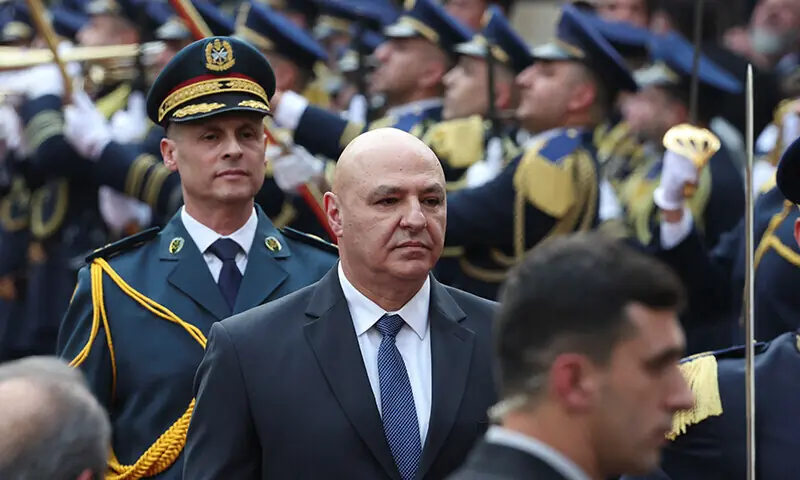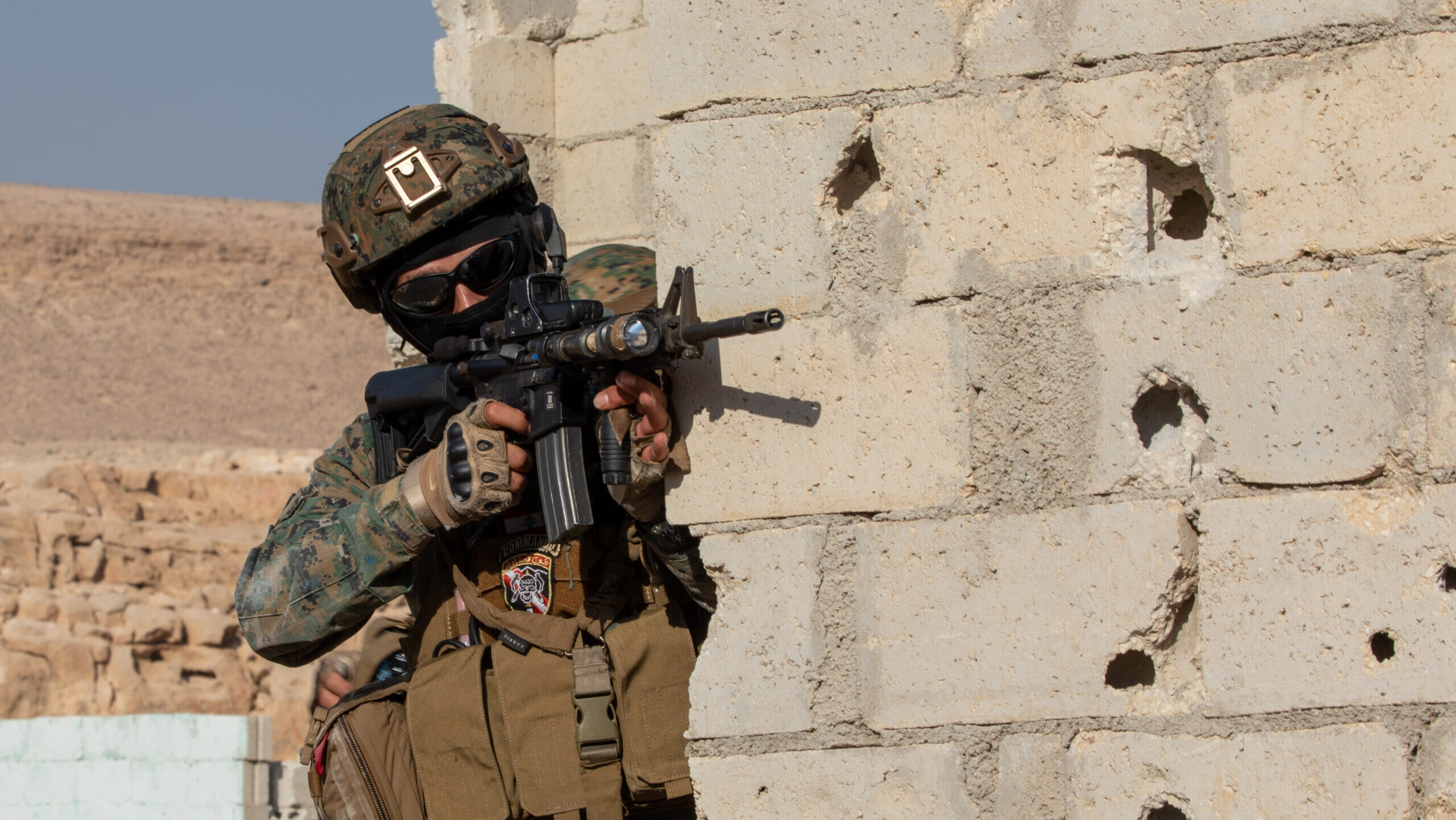
The United States faces a longstanding dilemma regarding the Lebanese Armed Forces (LAF). On one hand, US officials view the LAF as the only institution that should disarm Hezbollah and become Lebanon’s sole legitimate security provider. On the other, the US is increasingly uncertain whether the LAF is willing and/or able to carry out this vital mission.
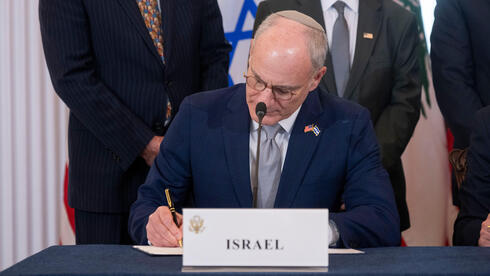
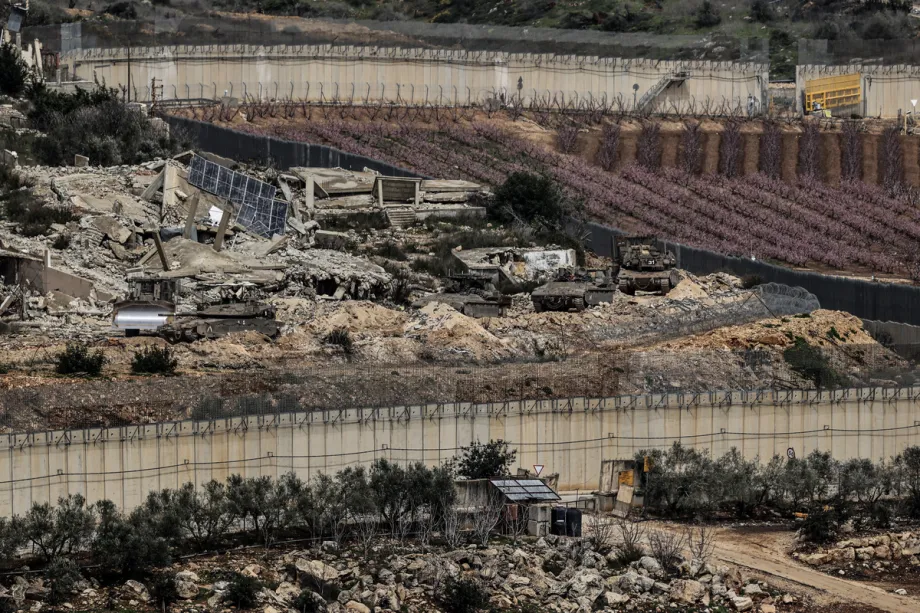
The recent framework agreement between Lebanon and Israel has once again put the LAF’s role in the spotlight. If the LAF seems unwilling or unable to gradually assume full security responsibility over areas Israel has agreed to withdraw from, the agreement is likely to collapse, leading to the resumption of hostilities.
Washington has provided close to $3 billion in assistance to the LAF and the Internal Security Forces since 2006, but skepticism in Congress is becoming more vocal. The problem is this: Washington seems stuck on the fence about whether to abandon or commit to the LAF, and until it picks a side, little is likely to change.
Republican Sen. Jim Risch and Democratic Sen. Jeanne Shaheen, the two leads of the Senate Foreign Relations Committee, have threatened to reconsider US military aid to Beirut if the LAF does not do more to take away Hezbollah’s weapons. “The era of complacency and unconditional bailouts must come to an end,” Risch warned.