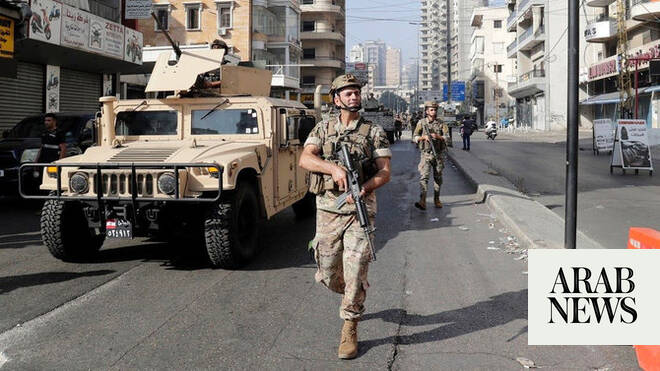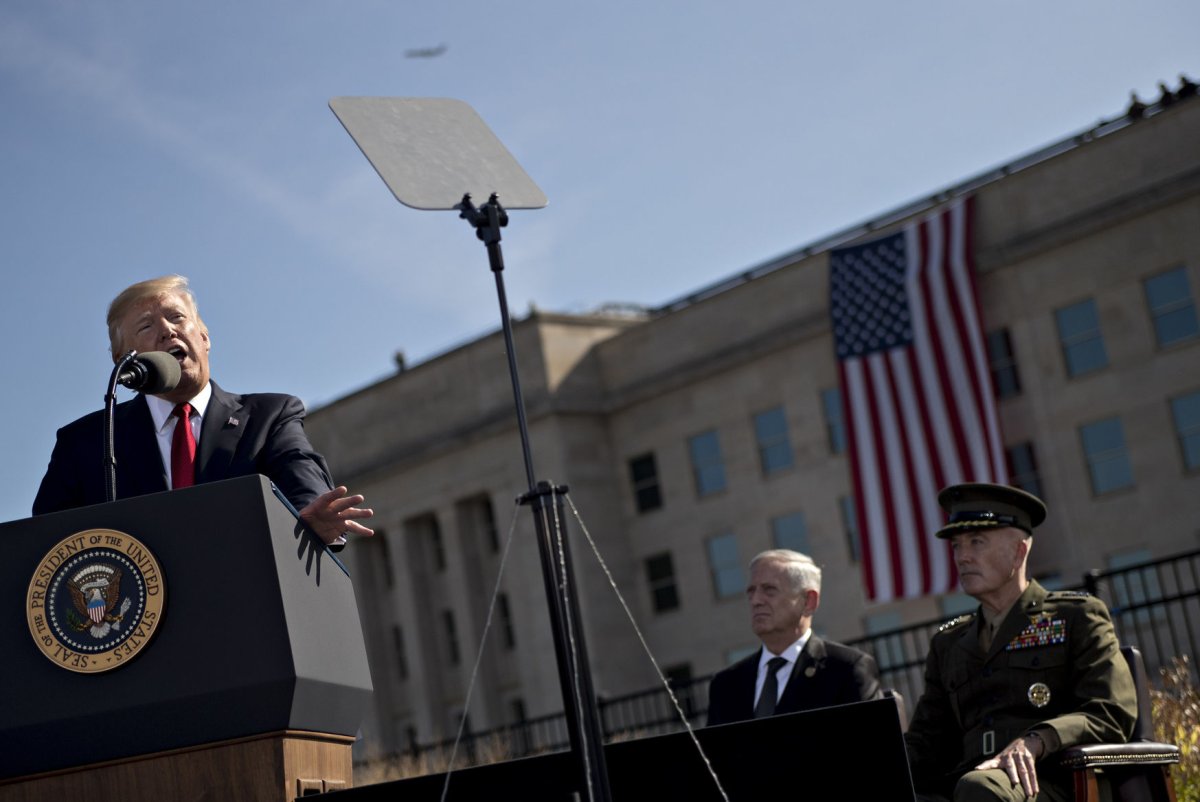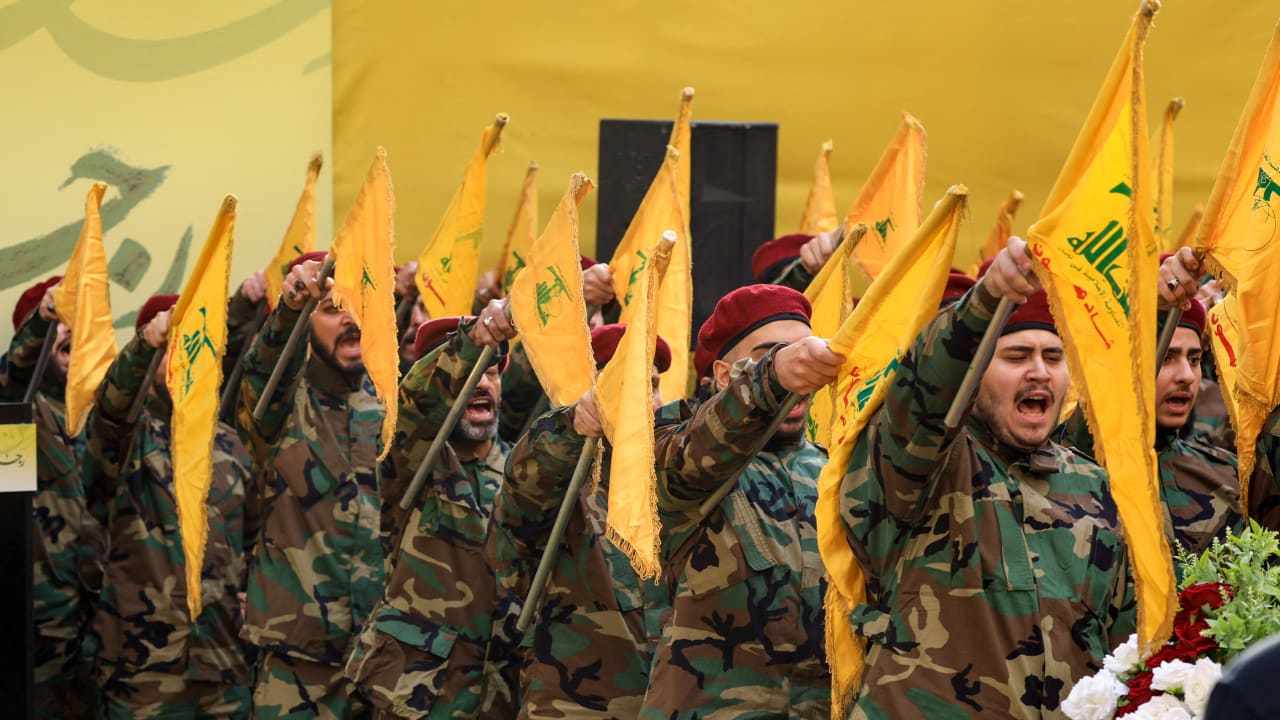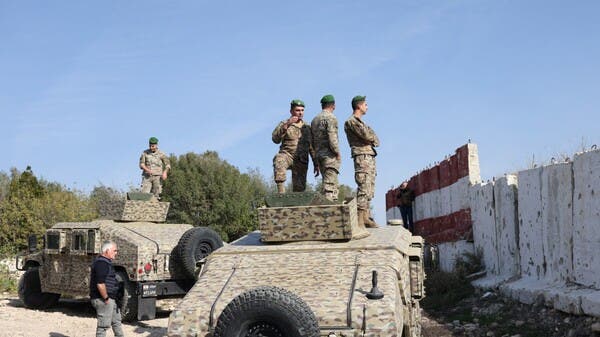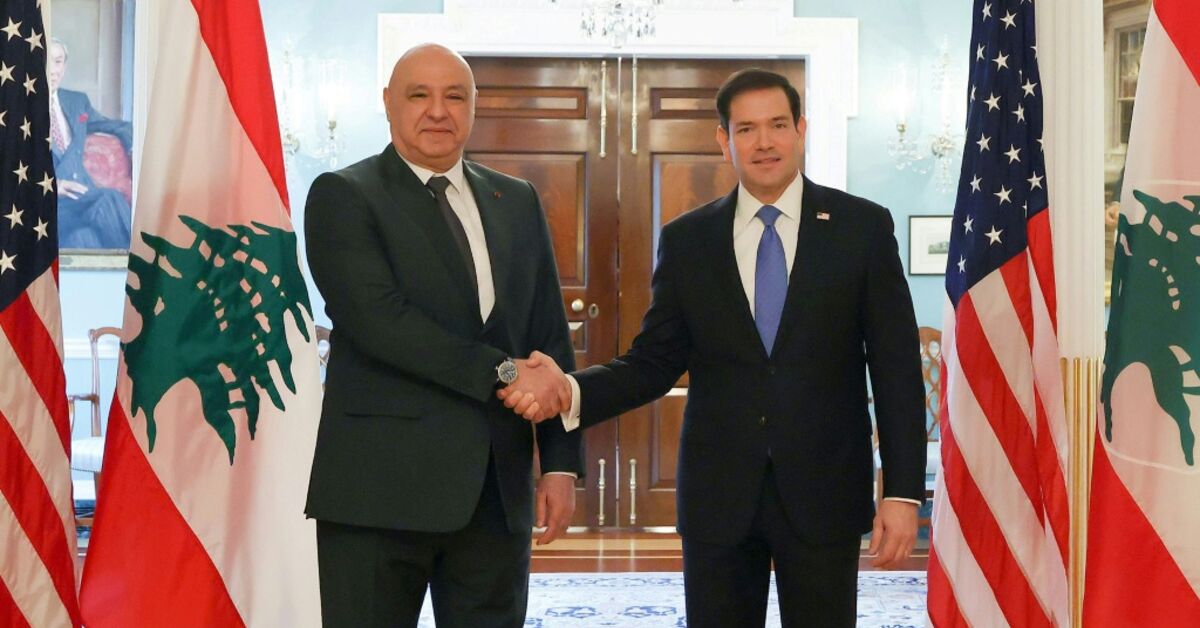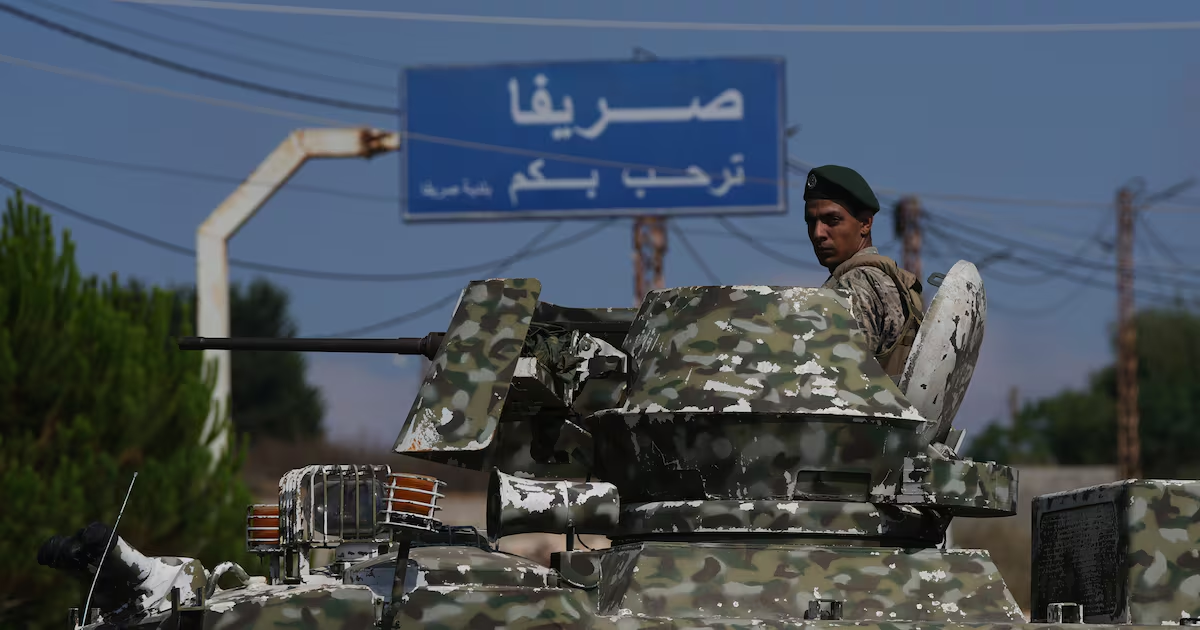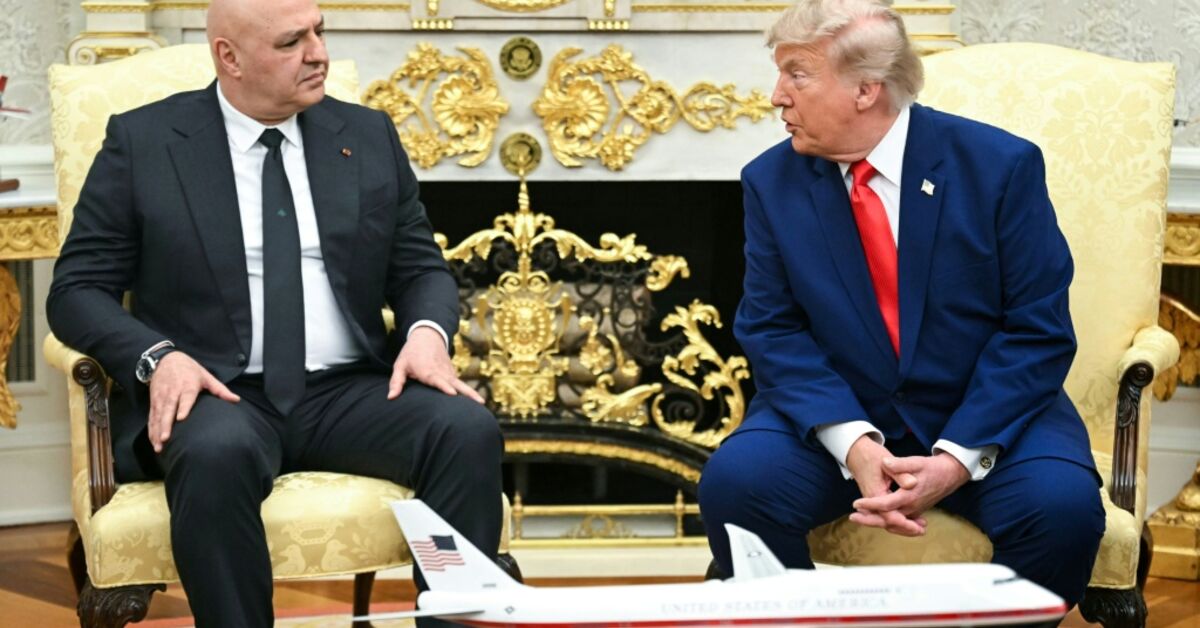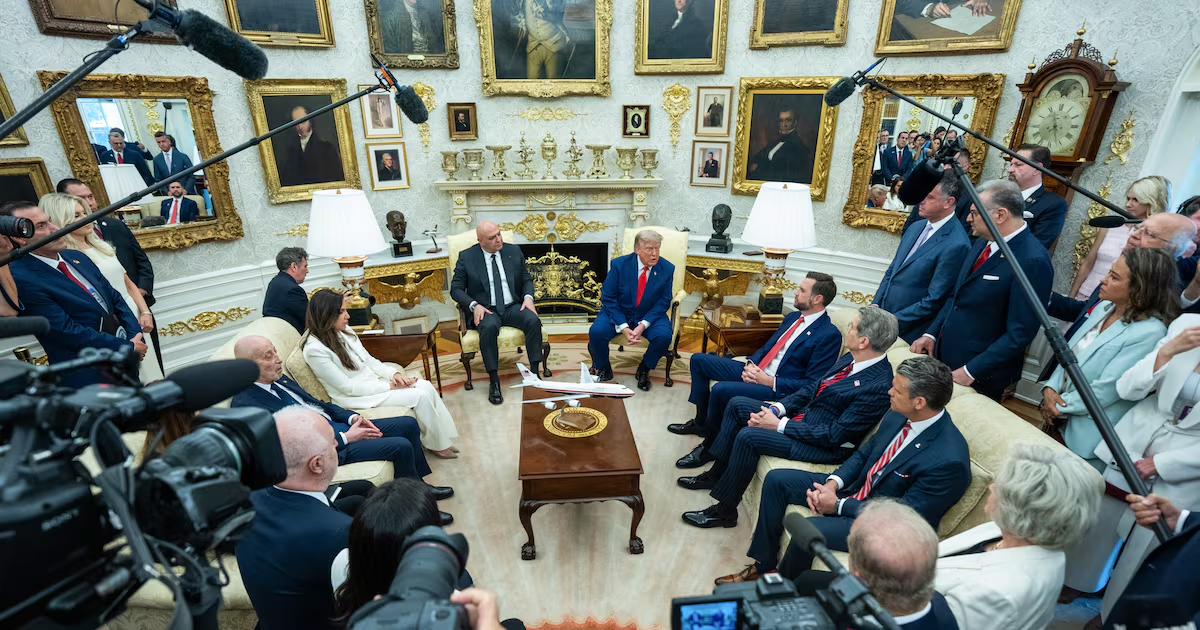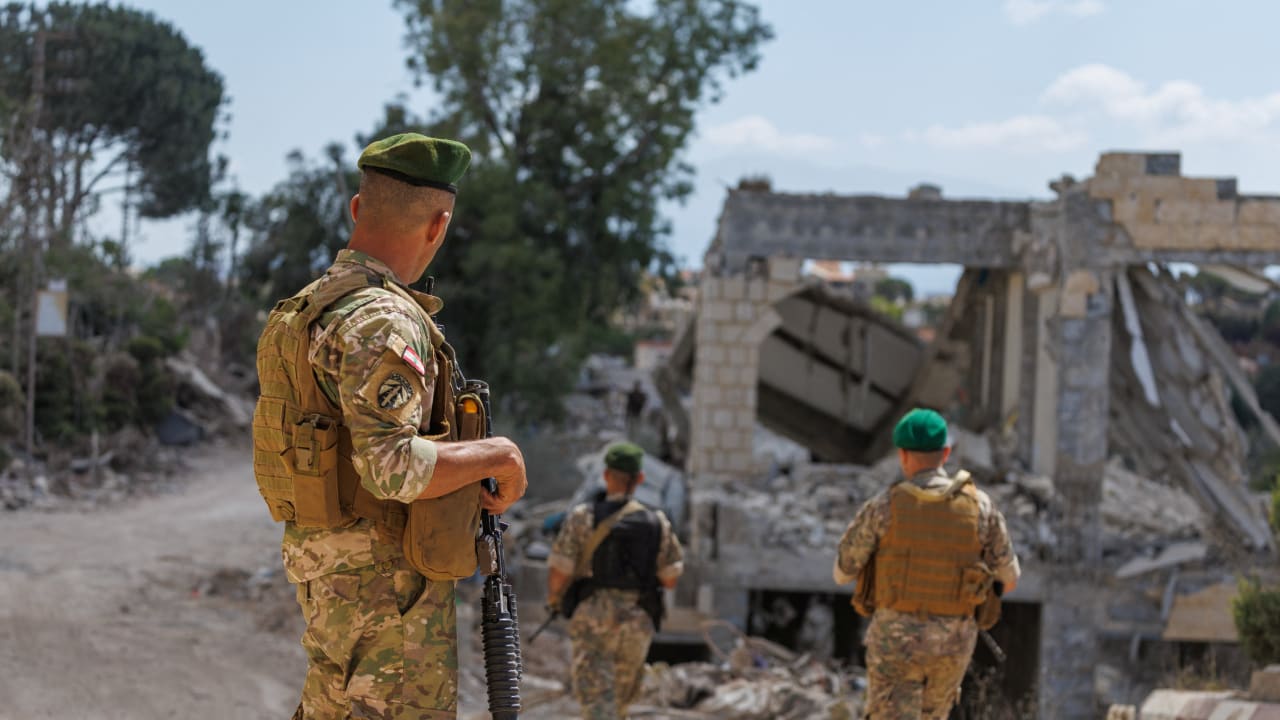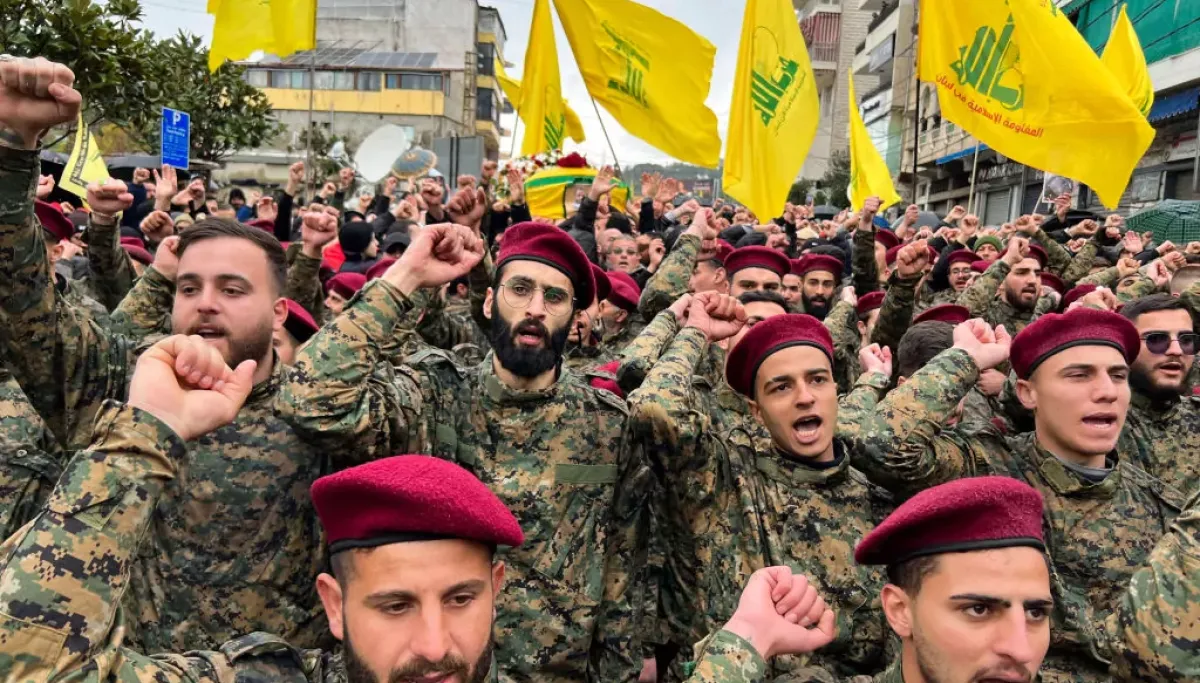
This week, the president of Lebanon met at the White House with President Donald Trump to discuss the June security framework intended to systematically address Hezbollah’s military threat to Israel and ultimately demilitarize the group. It all depends on the willingness of the Lebanese government and the Lebanese Armed Forces to act. Having funded the LAF for decades, Congress should leverage its assistance to incentivize rapid, verifiable implementation while maintaining a credible threat of punitive measures against Lebanese officials or entities obstructing Hezbollah’s disarmament.The Israel-Lebanon framework agreement’s center of gravity is its “pilot zone” model. These zones consist of parcels of Israeli-occupied Lebanese territory that, under the agreement, will be transferred to LAF control. Within each zone, Lebanon must dismantle Hezbollah’s weapons and infrastructure, take legal action against armed personnel engaged in unauthorized activity, permit credible third-party verification, and deploy “highly qualified” LAF units to prevent Hezbollah’s resurgence.These responsibilities are not new. LAF, assisted by the United Nations Interim Force in Lebanon in an auxiliary role, should have been performing them for decades pursuant to Lebanon’s existing obligations under international law, U.N. Security Council Resolutions, and bilateral agreements with Israel. Beirut has instead avoided confronting Hezbollah, citing the threat to domestic stability and civil war. Meanwhile, Washington has provided the LAF with more than $3 billion — currently averaging approximately $285 million annually — without producing meaningful progress toward Hezbollah’s disarmament.
We paid $3B for Lebanon’s army to make excuses for Hezbollah
Washington spent $3 billion on Lebanon's army for excuses. Congress must condition future aid on verifiable Hezbollah disarmament.
772 words~4 min read