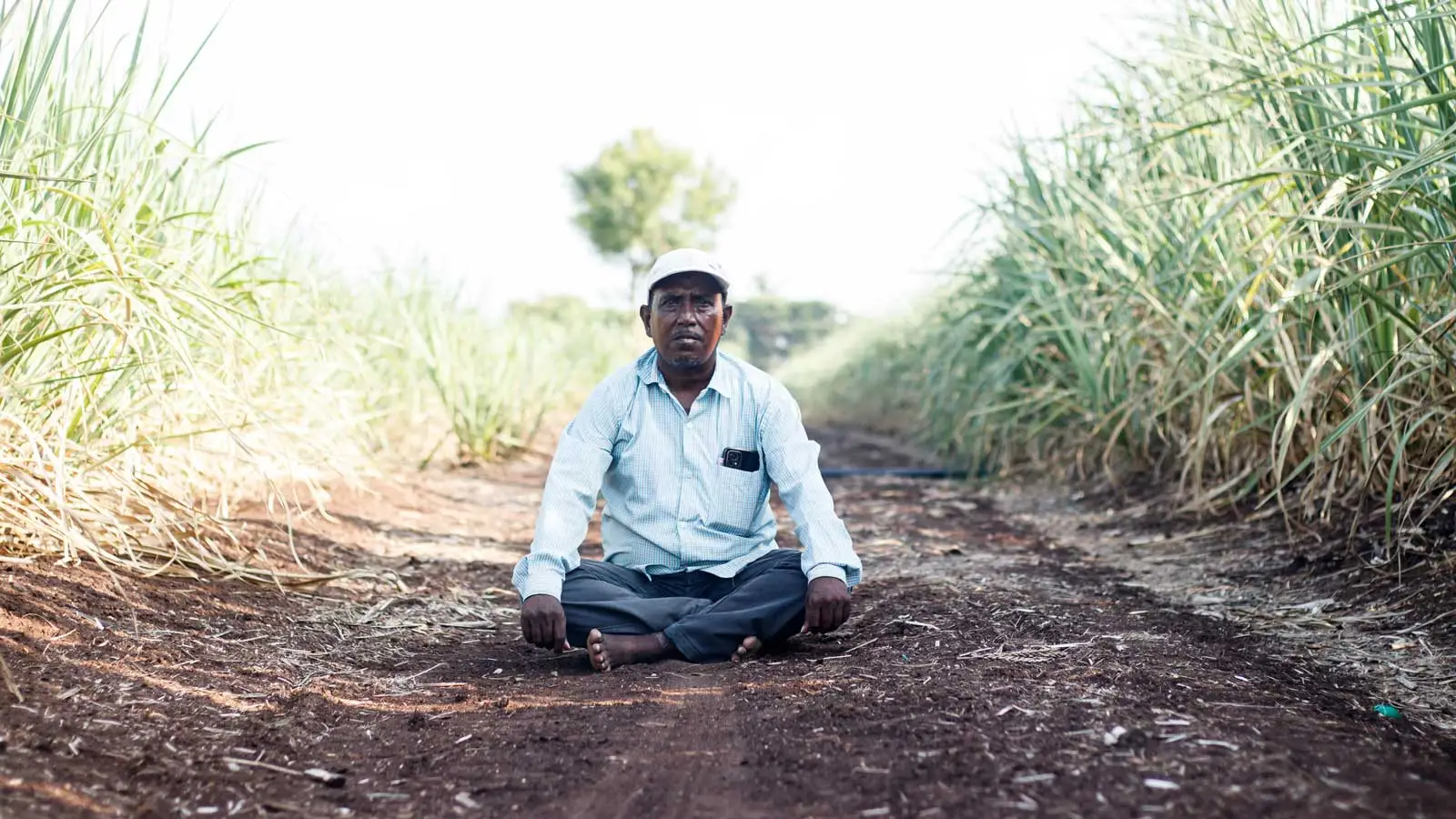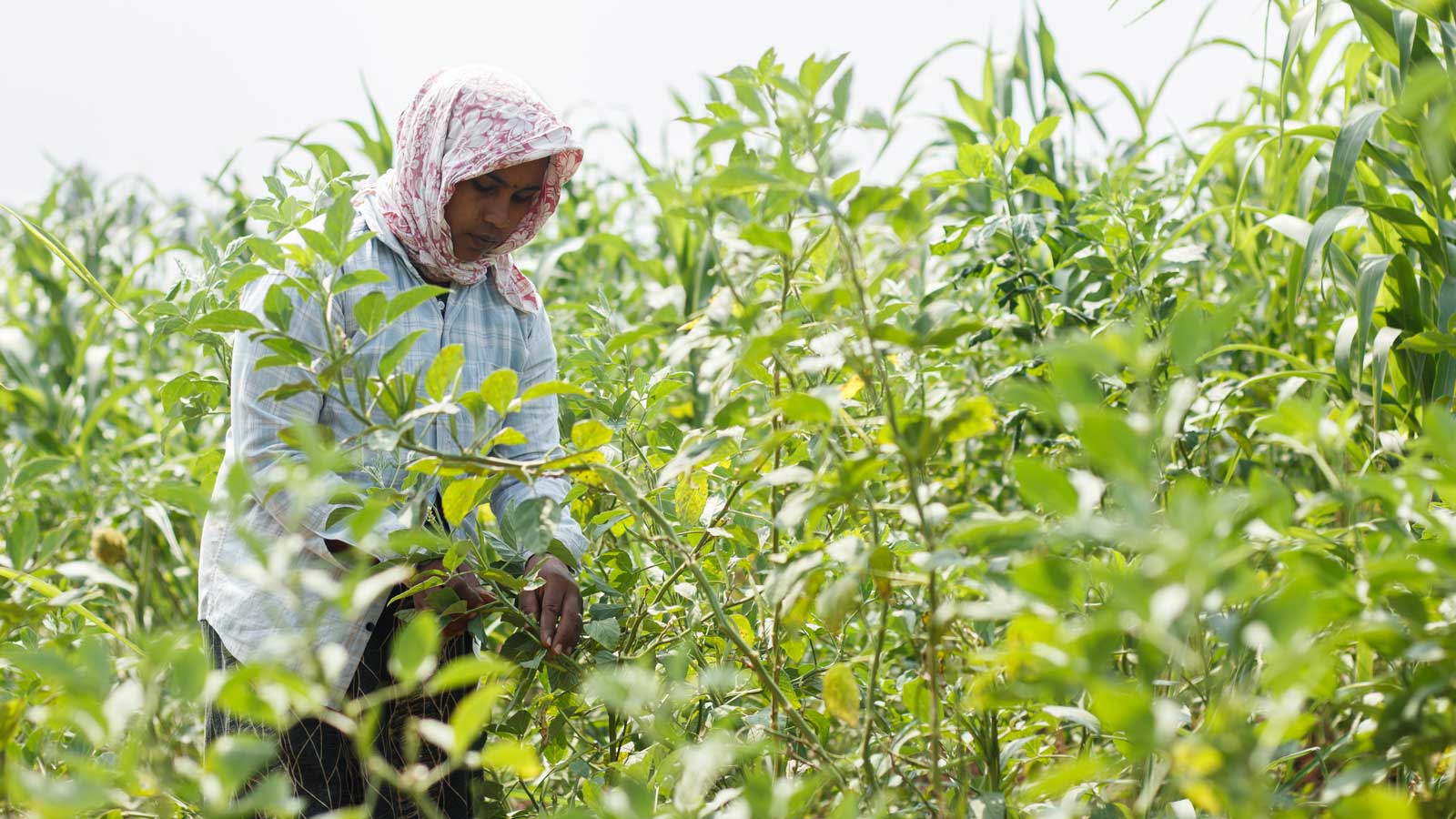
Sharp abdominal pain stabbed at Suvarna Dange after she spent a long day in April 2026 working the sugarcane fields in India in extreme heat over 39 degrees Celsius (102.2 F). Four hours later, the pain was unbearable, and the 50-year-old vomited after returning to her cement home in Kolhapur district. She had to wait until morning to see a doctor, when a scan revealed a kidney stone.
The doctor told her that a long workday in the heat with few rest breaks and insufficient water probably played a role in the stone, a hard deposit formed from crystallized minerals and salts in the urine. He prescribed medication and asked her to drink more water. But her job did not provide time off, and she returned to work the same day.
“No matter how hot it gets, we keep working,” she said.
She labors in the fields from 10 a.m. to 6 p.m., with just a short break and few opportunities to drink water. In her village, summer temperatures frequently rise above 39 degrees Celsius.
Climate change has made dehydration a more serious health risk around the world. About half the people in the world are suffering the consequences of more frequent and more intense extreme heat events, according to a 2025 report by the World Health Organization and the World Meteorological Organization. The report said worker productivity drops by 2-3% for every degree above 20 C (68F). Health risks include heat stroke, dehydration, kidney dysfunction, and neurological disorders.