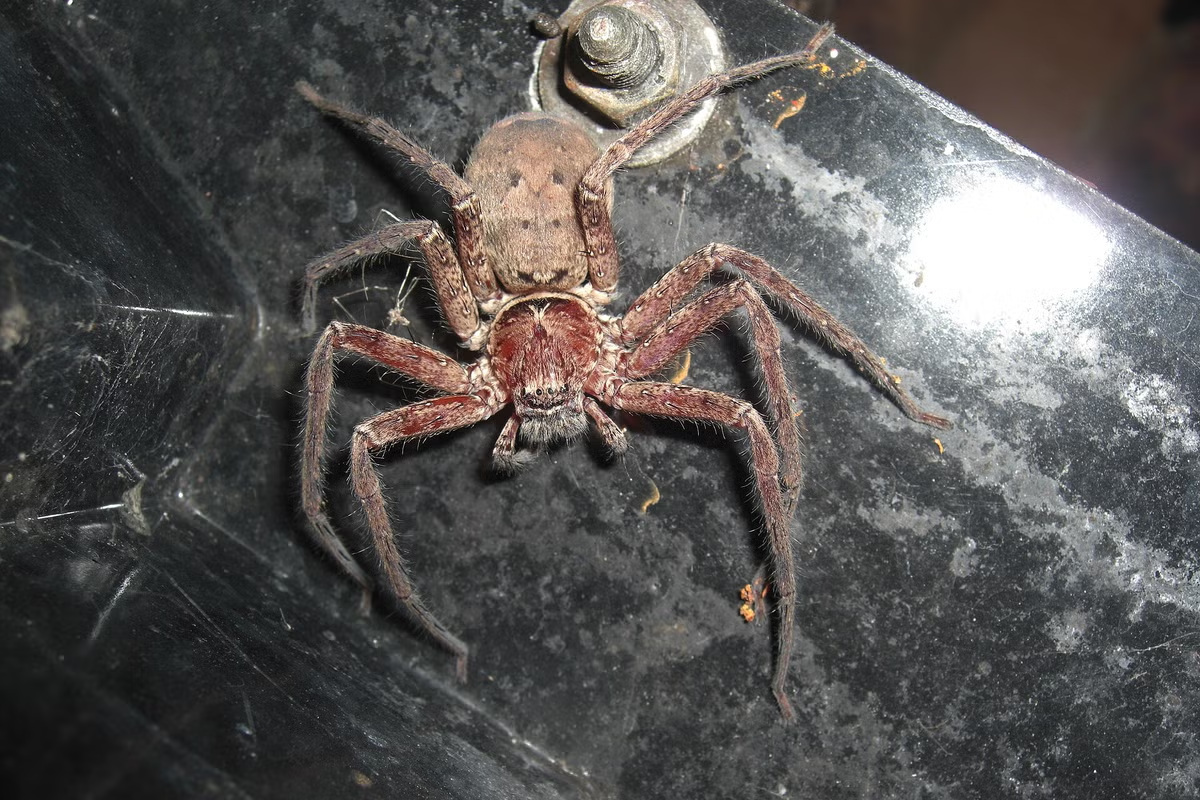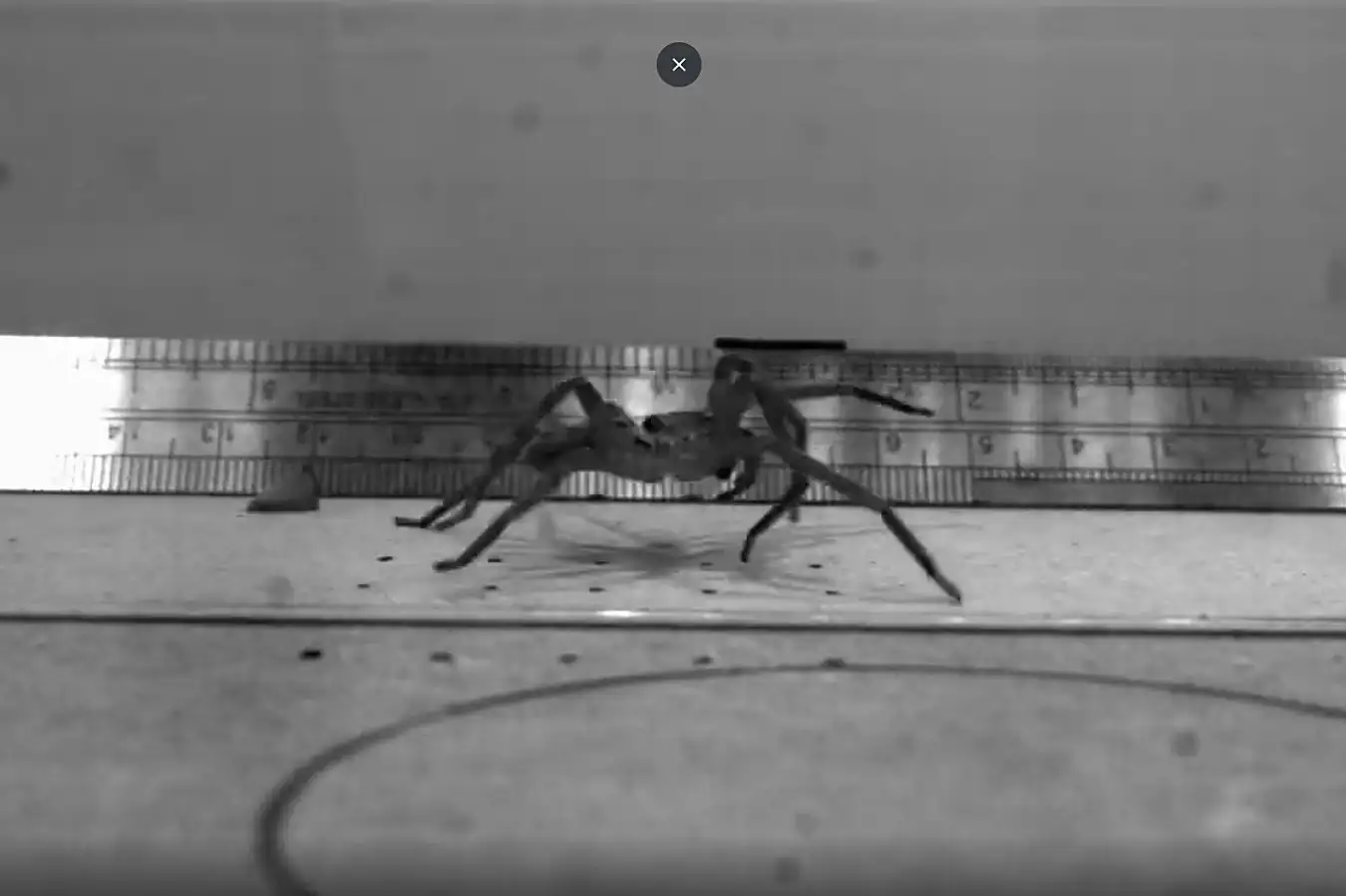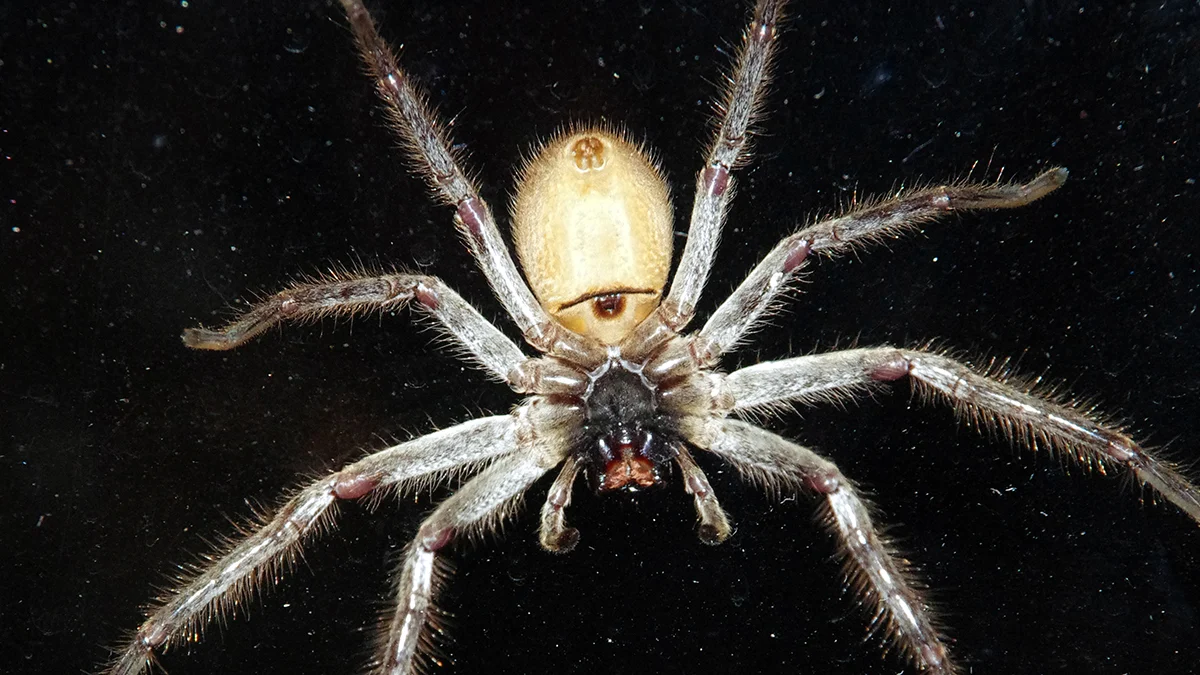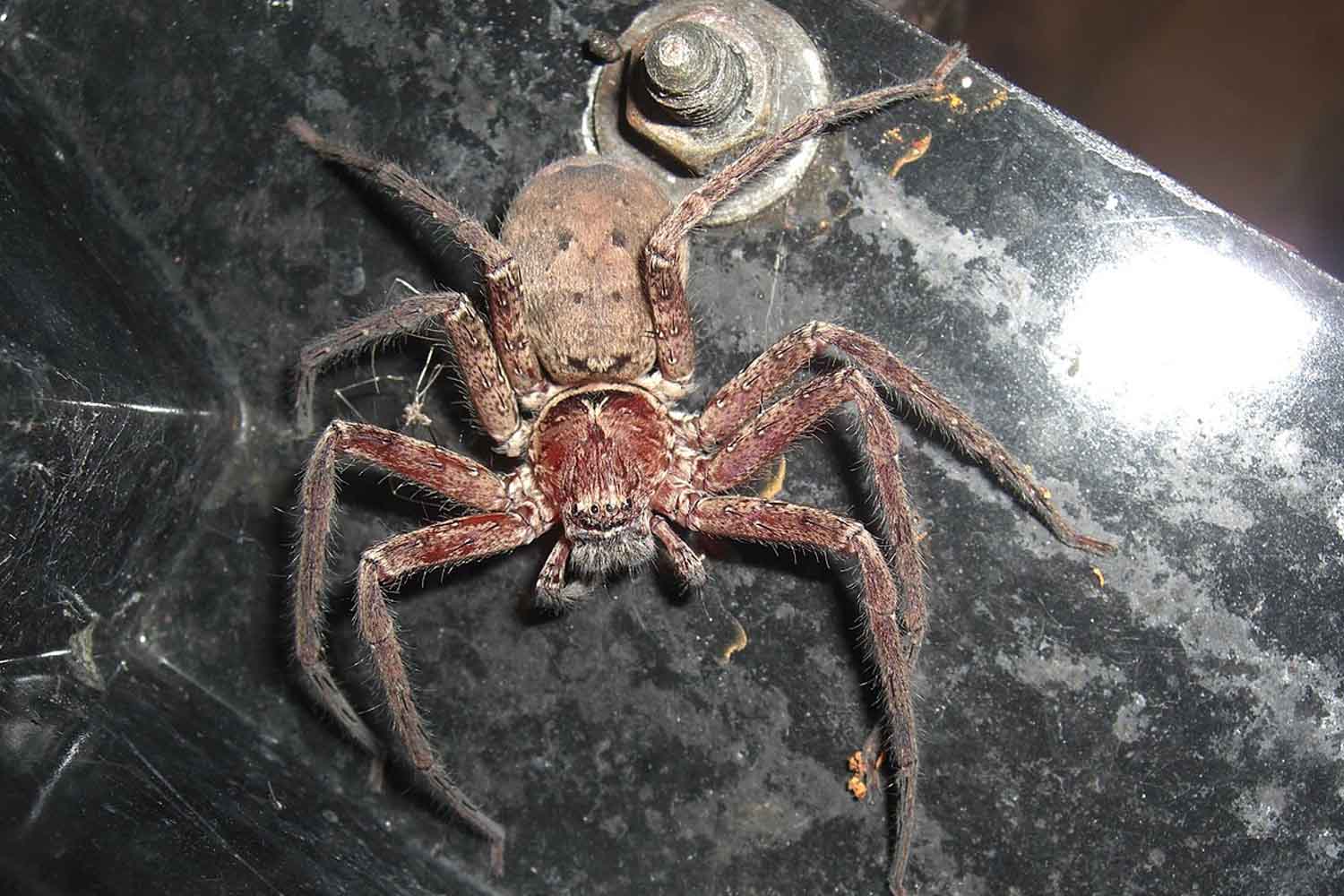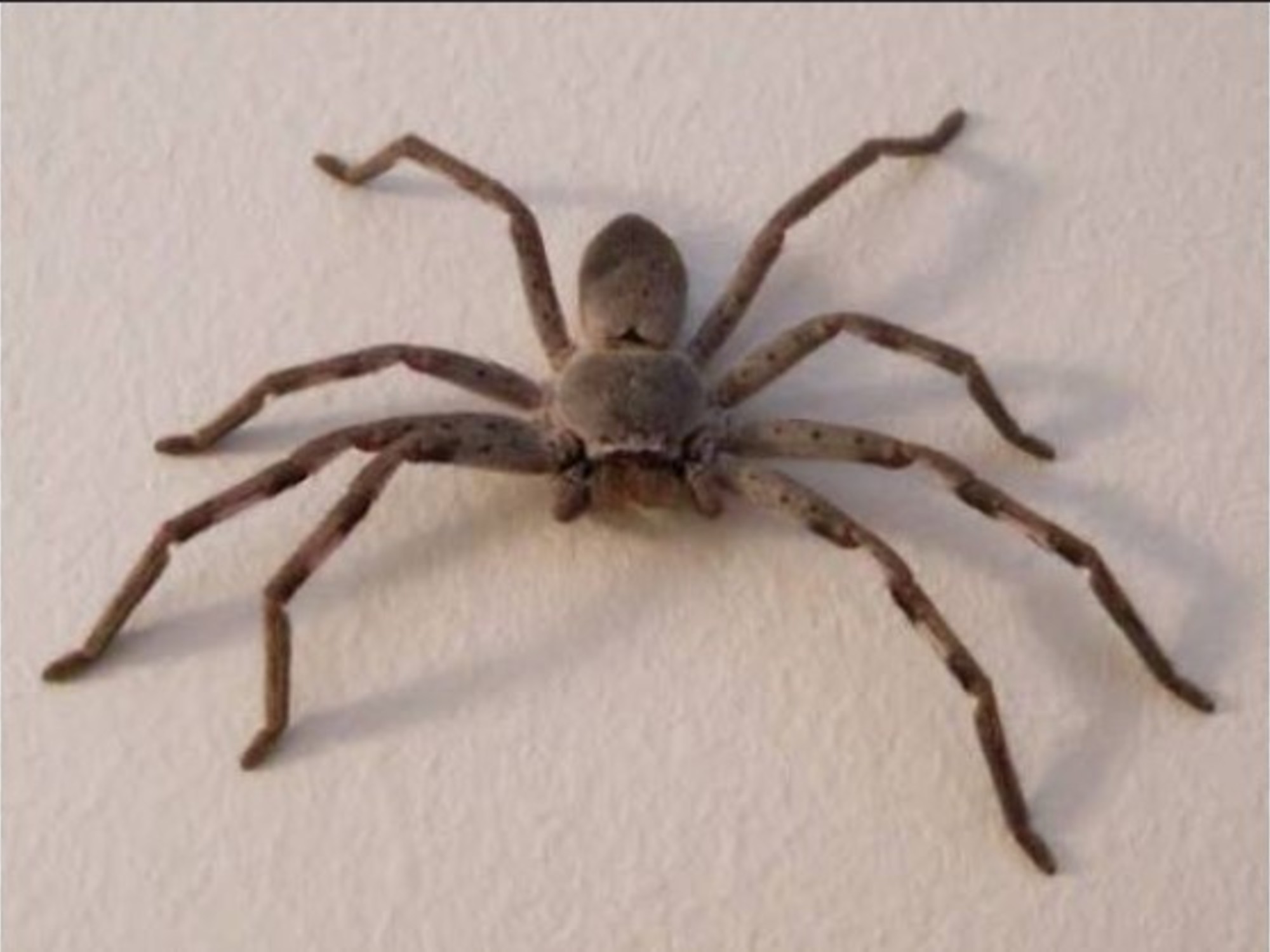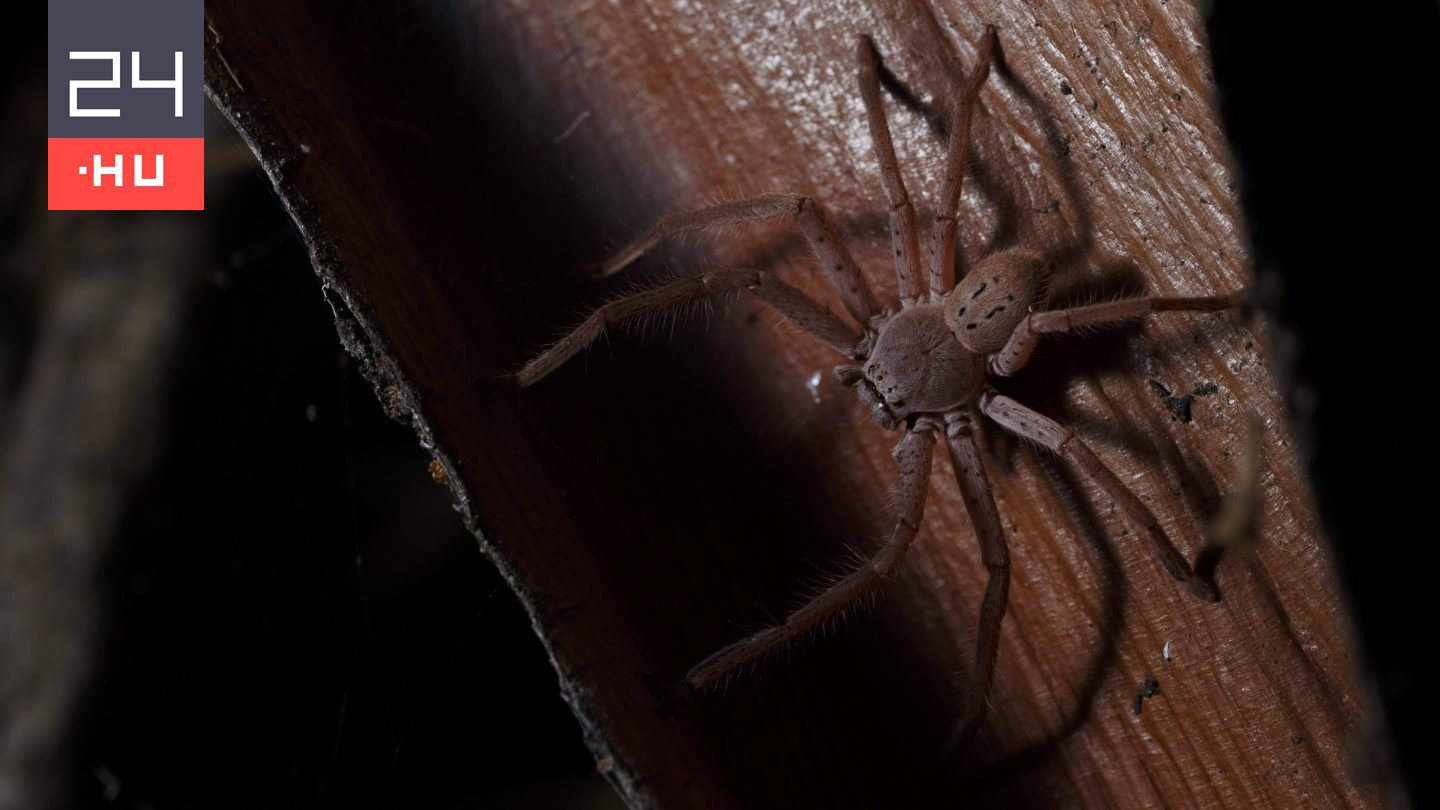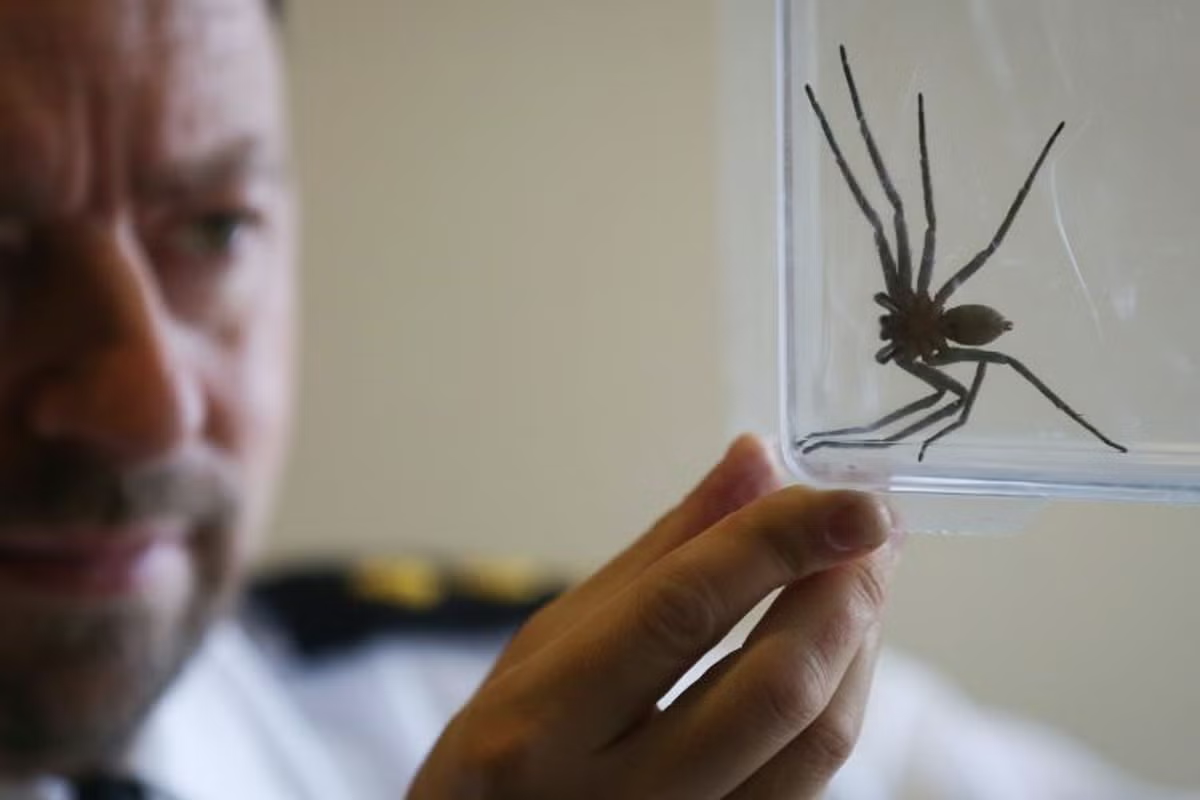
Stay up to date with notifications from The IndependentNotifications can be managed in browser preferences.Jump to contentThank you for registeringPlease refresh the page or navigate to another page on the site to be automatically logged inPlease refresh your browser to be logged inAllNewsSportCultureLifestyleA new lab study has identified the Australian jungle huntsman spider as the world's fastest arachnid, achieving speeds of almost 3.6 metres per second. Conducted by researchers from Germany’s University of Greifswald and Imperial College London, the study tested over 160 live spider species and incorporated data from nearly 100 more. The research found a general correlation between a spider's running speed and its body mass, with larger spiders tending to run faster unless their abdomen is excessively heavy. Despite this, significant speed variations were observed among spiders of similar body mass, with some tiny species, such as the orange goblin spider, demonstrating exceptionally high speeds for their size. Fast running performance was also linked to having relatively longer legs, and factors like a spider's hunting style and movement orientation were found to influence its speed. In fullAustralian spider declared world’s fastest after record-breaking sprintThank you for registeringPlease refresh the page or navigate to another page on the site to be automatically logged inPlease refresh your browser to be logged in
World’s fastest spider moves at almost 3.6 metres per second
Stay up to date with notifications from The IndependentNotifications can be managed in browser preferences.Jump to contentThank you for registeringPlease refresh the page or navigate to another page on the site to be automatically logged inPlease refresh your browser to be logged inAllNewsSportCultureLifestyleA new lab study has identified the Australian jungle huntsman spider as the world's fastest arachnid, achieving speeds of almost 3.6 metres per second. Conducted by researchers from Germany’s University of Greifswald and Imperial College London, the study tested over 160 live spider species and incorporated data from nearly 100 more. The research found a general correlation between a spider's running speed and its body mass, with larger spiders tending to run faster unless their abdomen is excessively heavy. Despite this, significant speed variations were observed among spiders of similar body mass, with some tiny species, such as the orange goblin spider, demonstrating exceptionally high speeds for their size. Fast running performance was also linked to having relatively longer legs, and factors like a spider's hunting style and movement orientation were found to influence its speed. In fullAustralian spider declared world’s fastest after record-breaking sprintThank you for registeringPlease refresh the page or navigate to another page on the site to be automatically logged inPlease refresh your browser to be logged in