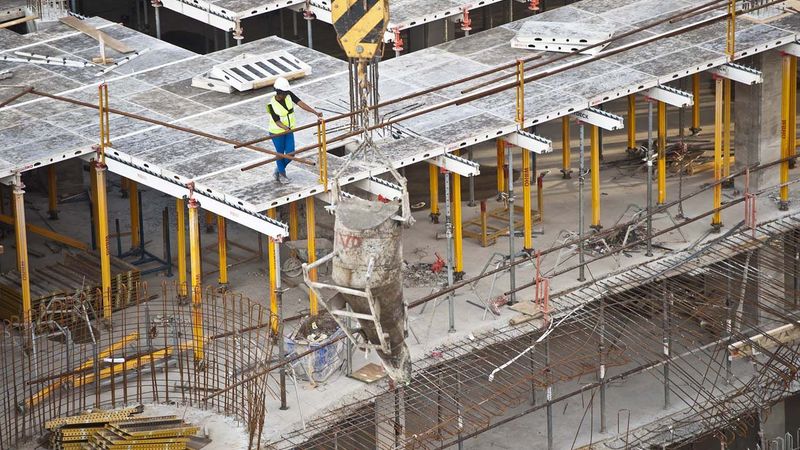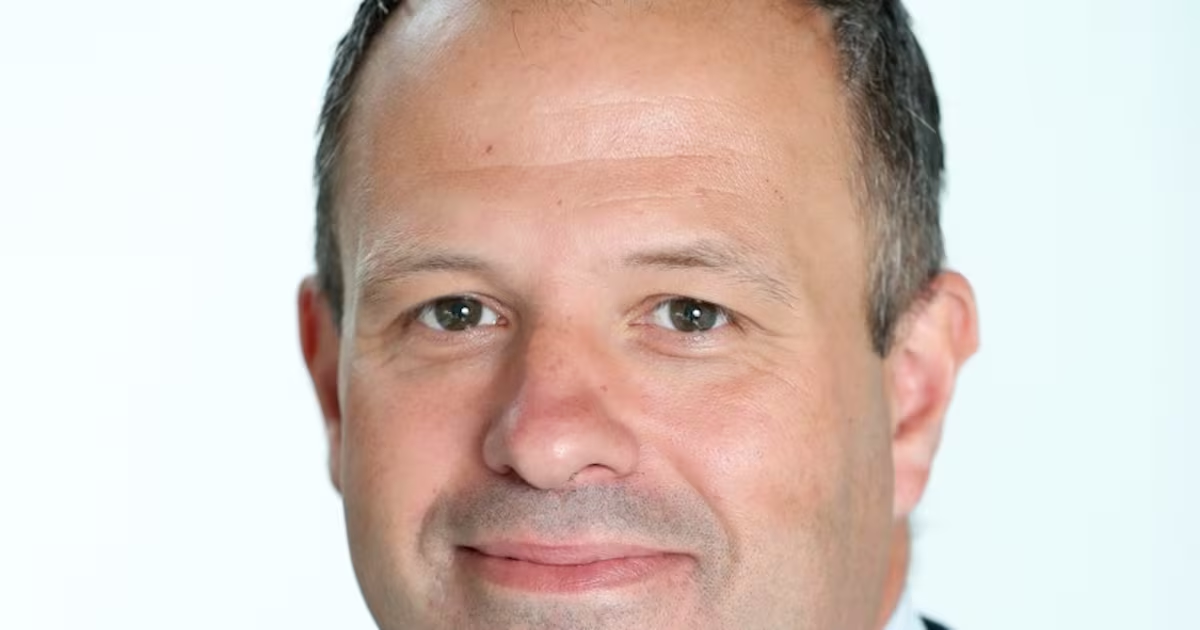
Ireland’s infrastructure gap has been identified as one of the biggest constraints on economic growth, competitiveness and quality of life, with housing shortages, transport bottlenecks, water constraints and grid pressure all limiting the country’s potential. The core argument is simple, according to Terence Liston, head of Ireland, climate and infrastructure capital with AIB, Ireland is still growing, but the infrastructure needed to support that growth is not keeping pace. To address the gap, the updated National Development Plan, published by the Government in July 2025, commits €275.4 billion in public capital investment to 2035, including €102.4 billion for 2026 to 2030 and additional support for major water infrastructure, energy and transport projects. The Government has also published its Accelerating Infrastructure Report and Action Plan proposing a series of actions that aim to accelerate the delivery of critical infrastructure. “That scale of ambition is significant, but the real test now is delivery: planning speed, project management, workforce capacity and political follow-through will matter as much as headline funding,” says Liston. “Public funding is essential, but it will not be sufficient on its own to close Ireland’s infrastructure gap,” he continues. “Private capital should be seen not as a substitute for the State, but as a partner in accelerating delivery. In sectors such as energy, water infrastructure, transport development and housing, private investment can help bring forward projects faster, support scale, and reduce pressure on the public balance sheet.” With a team of over one hundred, AIB Climate & Infrastructure Capital specialises in lending to large scale renewable and infrastructure projects across Ireland, the UK, Europe and North America. At December 2025, gross loans had grown to €6.3 billion. The updated National Development Plan already signals a more blended funding model, Liston notes. “Its mix of exchequer, non-exchequer and equity funding reflects recognition that delivery at this scale will require broader pools of capital and more flexible financing structures.” Private investment can also support project delivery by reinforcing focus on execution, timelines and readiness, he contends. “Where projects are well structured, private funders can complement public investment by bringing additional emphasis to delivery, risk sharing, and long-term asset performance.” The reason private capital matters is not just financial capacity, but economic credibility. “When international and domestic investors are willing to commit to Irish infrastructure, it reinforces confidence in the country’s growth story, its project pipeline and its long-term competitiveness,” Liston explains. In energy, private capital is critical because timing matters as much as ambition, he points out. Ireland’s renewable opportunity is significant, but grid reinforcement, storage, interconnection and related infrastructure require very large, patient investment over many years. “Private capital can help accelerate that build-out if the policy and regulatory environment is credible and stable,” says Liston. A stronger role for private capital would also help Ireland capture more of the economic value of its own growth, he believes. “Instead of allowing infrastructure deficits to constrain energy transition, housing supply, and regional expansion, private investment can help unlock bottlenecks that are already limiting labour mobility, business investment and productivity.” The strategic case is straightforward and compelling. “If Ireland wants to remain competitive, attract investment and improve quality of life, it must make itself easier to invest in,” says Liston. “That means treating private capital as part of the national delivery architecture.” The sweet spot lies in a blend of public and private involvement. “The State sets priorities, provides certainty and funds core public goods; private capital helps scale delivery, absorb appropriate risk and accelerate projects that are economically and socially necessary,” he points out. The wider message for business and government is that infrastructure cannot be treated as a series of disconnected sectoral issues, Liston continues. “Energy, water, transport, housing and digital capacity are interdependent. This is why the next phase must be defined by collective leadership rather than fragmented debate. The priority should be practical delivery, fewer delays, clearer accountability and a stronger focus on outcomes.” And it is not an issue for Government alone. “Business has a central role to play, not simply by calling for investment, but by funding projects, helping shape partnerships, supporting innovation, building public confidence and keeping pressure on delivery,” Liston concludes.
Broader pools of capital required to deliver on Ireland’s infrastructure ambitions
Closing the infrastructure capital gap - AIB partner profile
696 words~3 min read