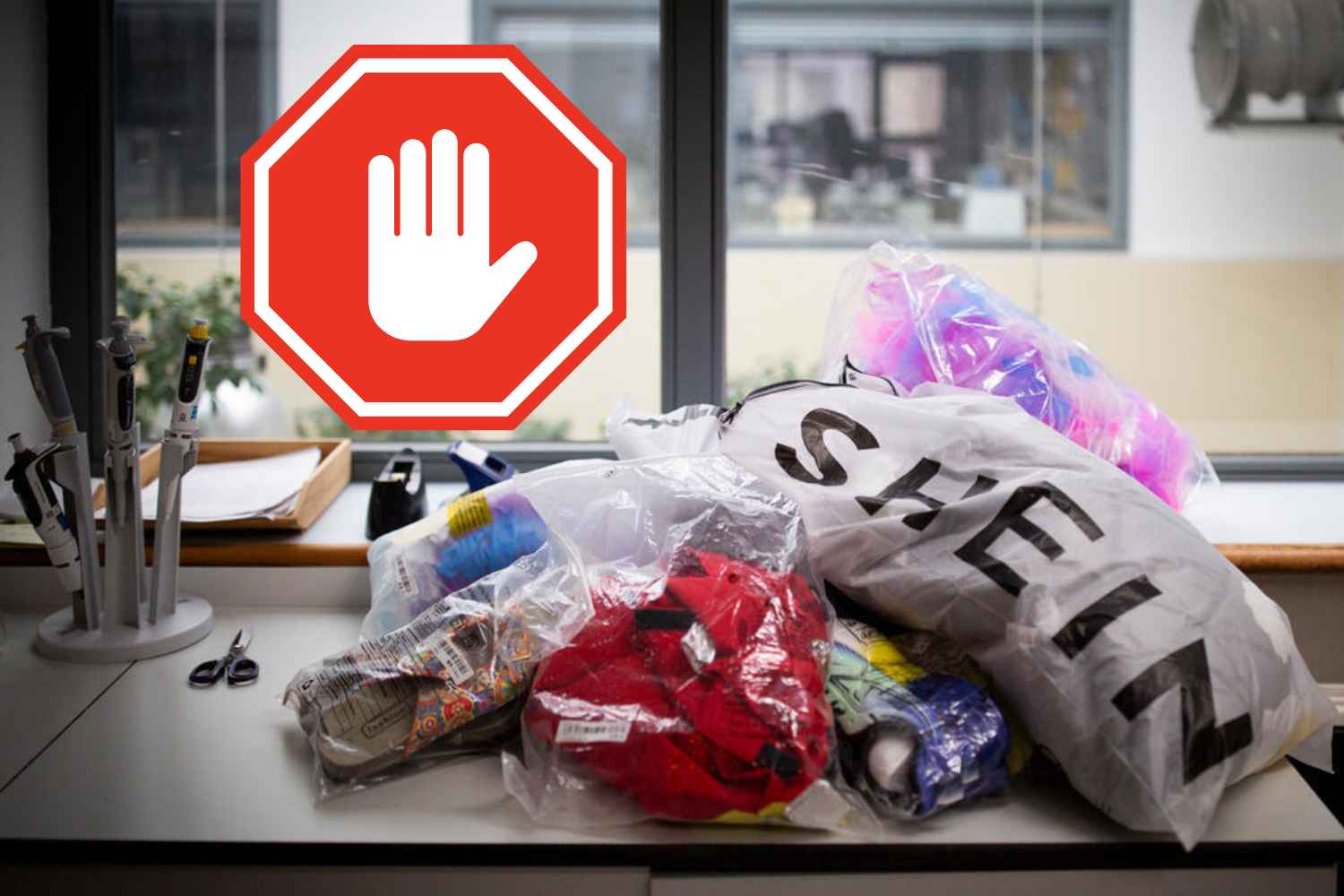
France has taken another major step in its fight against ultra-fast fashion. On Monday (June 29, 2026) the French Senate approved a revised version of its anti-fast-fashion bill, introducing stricter penalties for online fast-fashion giants such as Shein and Temu. The legislation, which has been under discussion for more than two years, now awaits presidential approval before it can come into force.France cracks down on ultra-fast fashion with tougher billWhat is “ultra-fast fashion”?“Fast fashion” refers to a retail model that rapidly and cheaply reproduces trend-driven clothing, with new styles launched at a constant pace to encourage frequent purchases. The approach has dominated the mass-market apparel industry for nearly two decades, led by brands such as Zara and H&M. However, “ultra-fast fashion” is a term that was specifically introduced to cover online platforms such as Shein, Temu and similar retailers.Under the proposed law, companies will be classified as ultra-fast fashion if they meet two key criteria: offering an exceptionally large number of products at any given time and selling items at prices so low that replacing them is cheaper than repairing them. The exact thresholds for both conditions will be defined through subsequent government decrees.The repair-cost criterion is intended to separate ultra-fast-fashion platforms from established fast-fashion brands such as Zara and H&M. However, critics argue that this distinction is also the legislation’s biggest loophole, as it leaves most conventional fast-fashion retailers largely unaffected.What does the bill target? The bill targets online-only, ultra-fast-fashion platforms accused of encouraging overconsumption through low-cost, high-volume clothing sales. Under the proposed law, companies could face environmental penalties ranging from €0.25 to €6 per product initially, with fines set to rise to as much as €10 per product by 2030. The legislation also bans advertising by ultra-fast-fashion companies and prohibits social media influencers from promoting their products.A portion of the penalties collected under the law will be used to fund clothing collection and textile recycling systems. The legislation also requires ultra-fast-fashion platforms to display messages on their websites encouraging more responsible shopping habits, such as repairing, reusing and extending the life of garments.Ahead of the Senate vote, France’s Minister for Small Enterprises, Serge Papin, said the bill is about more than clothing. “What is at stake today is not just clothes, but the societal model we want to defend,” he said, adding that the targeted companies flood the market with disposable garments that are often discarded after only a few wears.Two years in the makingThe revised legislation comes after more than two years of negotiations between France’s upper and lower houses of Parliament to ensure the text complies with European Union law. The first version of the anti-fast-fashion bill was approved by the National Assembly in March 2024. A revised Senate version followed in June 2025, narrowing its focus to ultra-fast-fashion retailers operating primarily through online platforms, while excluding European fast-fashion brands such as Zara and H&M. The latest version retains that focus and now moves to the French president for promulgation before it can be enforced.If enacted, the legislation would make France one of the first countries in Europe to impose dedicated restrictions on ultra-fast-fashion platforms in an effort to reduce textile waste and curb unsustainable consumption.
France cracks down on ultra-fast fashion with tougher bill
France is moving closer to becoming one of the first countries in Europe to crack down specifically on ultra-fast fashion. Read
530 words~2 min read