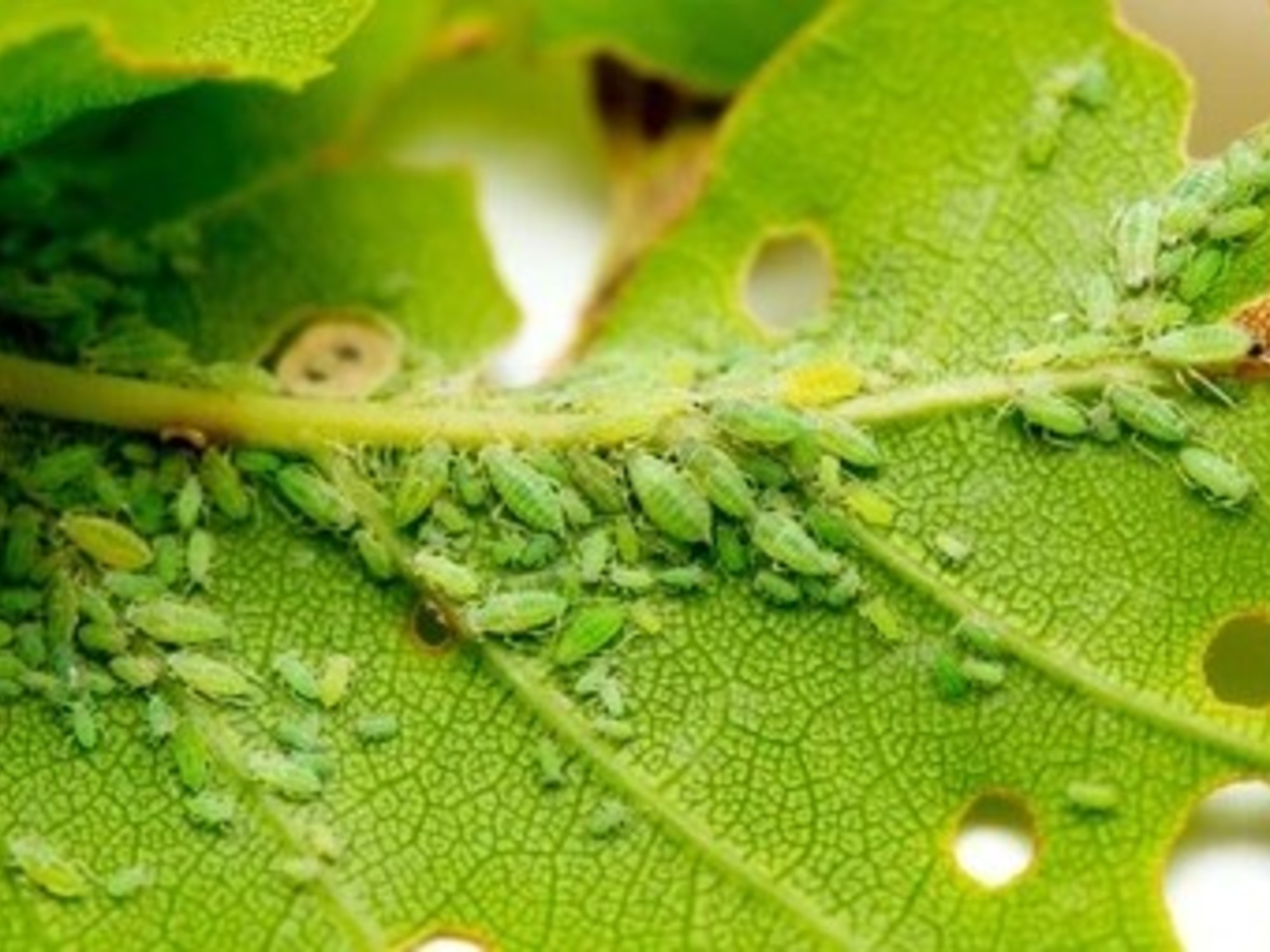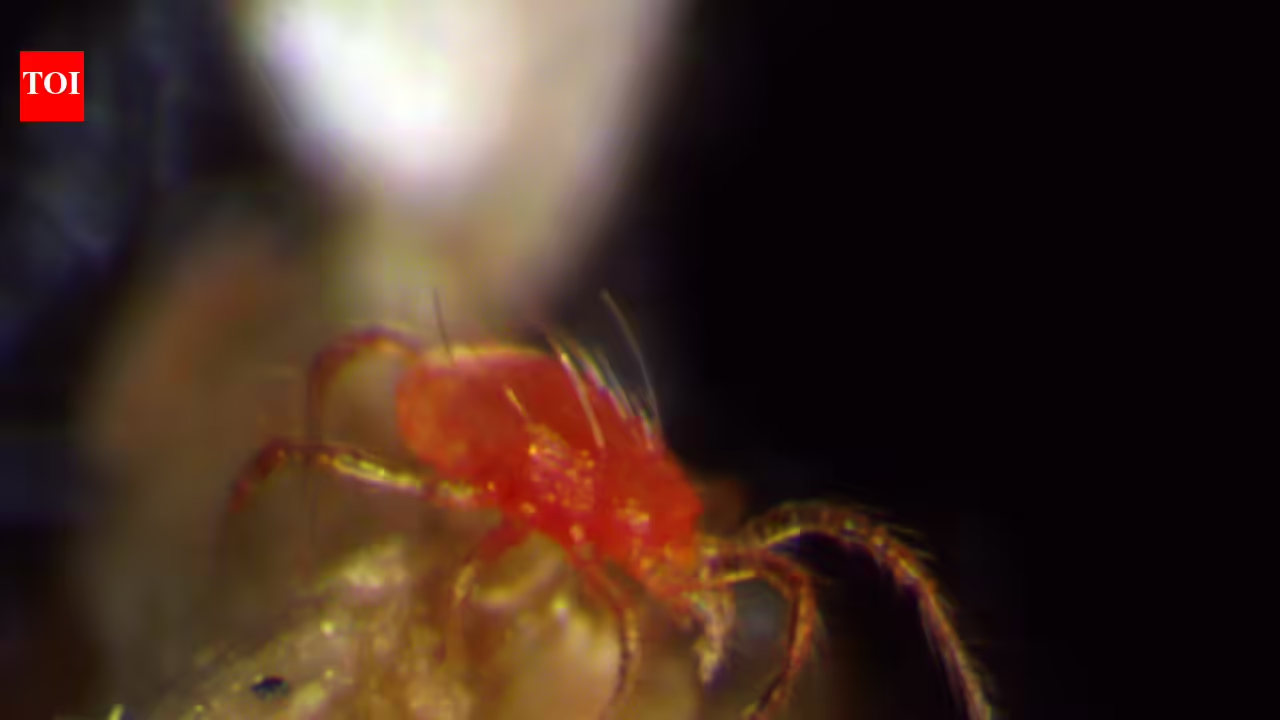
Scientists in Chile's arid Atacama Desert have discovered a naturally occurring predatory mite, Phytoseiulus persimilis, thriving in extreme conditions. Image Credits: Wikimedia CommonsWe look at the vibrant red tomatoes, the perfectly crisp green apples, and the spotless berries, assuming they are the natural results of simple farming. The common belief is that to protect food from tiny bugs, farmers must rely heavily on synthetic chemical sprays, coating fields season after season to keep the invaders at bay.But an unexpected discovery in one of the driest places on Earth is introducing a completely different narrative to our modern understanding of eco-friendly farming. Deep within the sun-scorched landscapes of northern Chile, scientists have uncovered a tiny, naturally occurring predator that could influence future farming research. They found a microscopic predator that hunts agricultural pests and could offer an alternative to some chemical pesticides.The Universidad Arturo Prat said the study identified the predator and shared the initial findings. Led by agricultural researcher Dr Victor Tello, the team said it discovered a predatory mite living in an environment where it would not normally be expected to survive. The unexpected presence of this creature in an arid zone has opened up an entirely new path for sustainable farming across the globe.The paper identifies the species as Phytoseiulus persimilis, a specialist predator of spider mites, and notes that it is normally associated with humid environments above 70% relative humidity.A natural desert warrior born to fight global crop invadersTo fully understand why this specific microscopic creature holds such an iconic potential for global agriculture, it helps to look at the global pest problem. Farmers around the world lose significant money each year to red spider mites. These miniature invaders pierce leaves, suck out sap and can cause crops to wither. For decades, the predatory mite known as Phytoseiulus persimilis has been widely used to fight these spider mites, but it has carried a major catch.Historically, this helpful predatory mite has been notoriously delicate, requiring very high humidity levels and mild temperatures to stay alive and hunt effectively. Because of these environmental limitations, farmers in dry regions have had limited use for them and often rely on chemical pesticides. This is exactly why the discovery by the Universidad Arturo Prat team caused such a shock wave in the scientific community. Finding a robust population of these mites thriving naturally in the hyper-arid Tarapacá region means that nature appears to have produced a version of this predator adapted to dry heat.These predatory mites are highly specialised carnivores that do not feed on crops. They do not nibble on leaves, they do not damage fruit, and they do not disrupt the local wildlife. Instead, they spend their entire lives actively tracking down and devouring the destructive red spider mites. Because they are already perfectly adapted to the hot, dry conditions of northern Chile, they could soon be deployed to protect open-air farms in arid zones where traditional biological controls would instantly dry up and perish.This robust strain, unlike its delicate counterparts, hunts destructive spider mites and offers a promising, eco-friendly alternative to chemical pesticides for dry farming regions worldwide. The find could revolutionise sustainable agriculture by enabling localised breeding programs for pest control. Image Credits: Wikimedia CommonsShifting from chemical sprays to a booming desert biotechnologyThe practical insights from isolating this desert-adapted predator have moved beyond basic research. The discovery has served as the foundation for a formal institutional initiative known as the UNAP Consolida project, specifically logged under the reference SINCPROYEXT-0075. Through this structured research program, scientists are carefully testing the biological patterns of the desert mite under controlled laboratory settings, feeding them different types of pest populations to observe their exact hunting efficiency and reproduction rates.If the trials continue to show success, the population could inform future pest-control strategies. Instead of importing delicate beneficial insects from tropical climates, countries with dry agricultural zones could establish localised breeding programs using this rugged desert strain. This could help arid farming regions reduce their reliance on synthetic chemical sprays while maintaining yields.This ongoing look into the hidden corners of the Atacama ecosystem highlights the true value of protecting natural biodiversity. The project suggests that biodiversity may hold useful solutions to farming problems. Recognising that a microscopic predator can outperform a chemical factory shows that the future of clean, green farming relies on working with nature rather than trying to overpower it.
A predator smaller than a grain of rice found in Chile's desert could help farms worldwide fight pests without chemical pesticides
We look at the vibrant red tomatoes, the perfectly crisp green apples, and the spotless berries, assuming they are the natural results of simple farming. The common belief is that to protect food from tiny bugs, farmers must rely heavily on synthetic chemical sprays, coating fields season after season to keep the invaders at bay.
729 words~3 min read