Substitution is one of the fundamental economic forces. If a product goes up in price, consumers have a direct incentive to switch to a cheaper substitute. While branding power dictates some price flexibility, such calculations are more straightforward for fungible commodities.
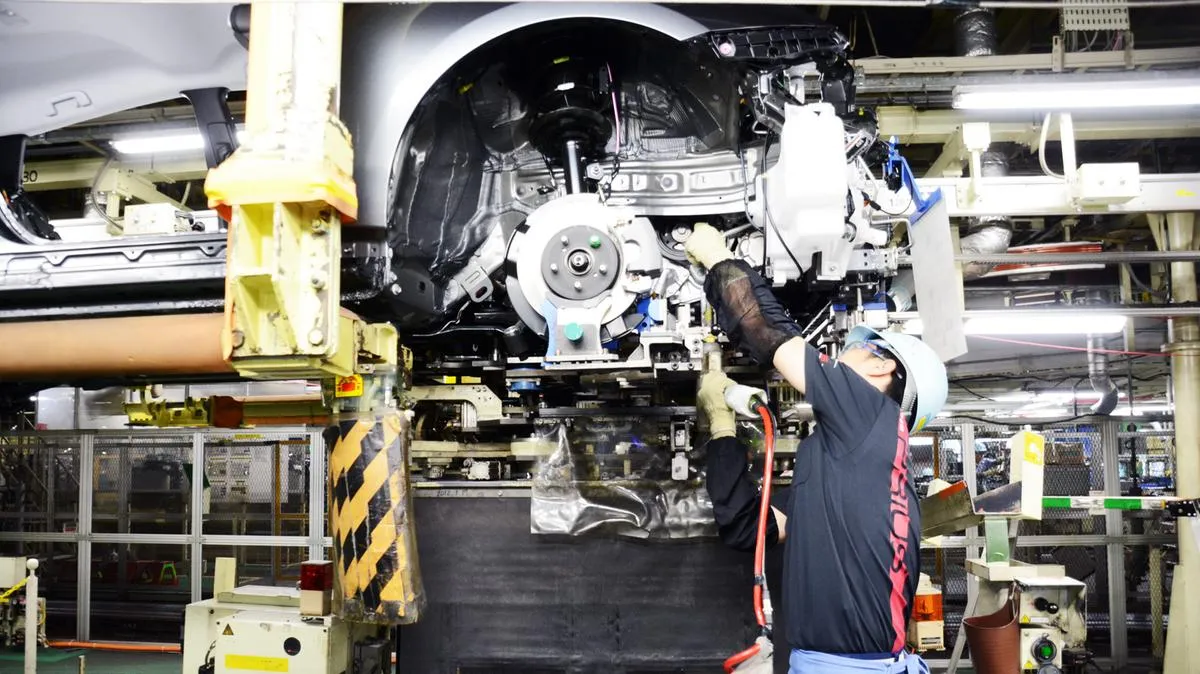
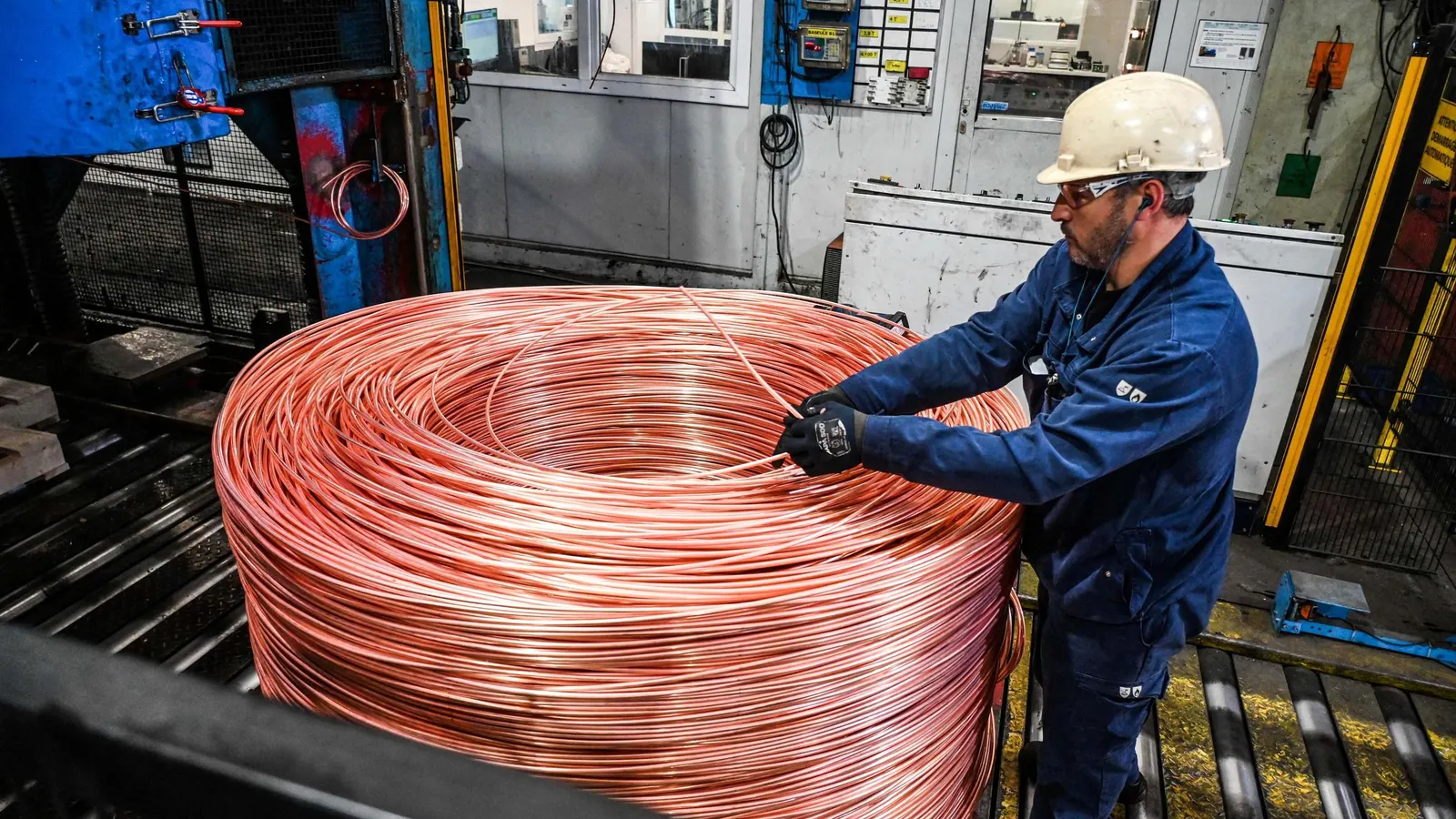
When copper costs about $15,000 a metric ton, manufacturers have every right to ask – does every wire really need to be copper? With data centers, grid upgrades and green-energy projects tightening supply, the answer from automakers is increasingly no.
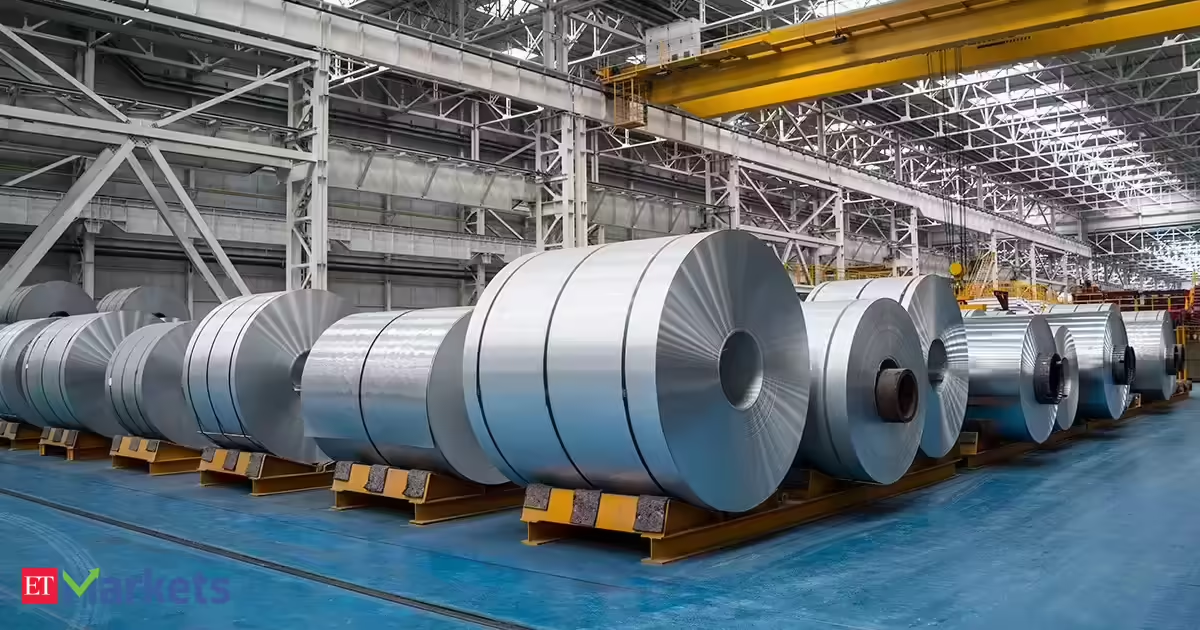
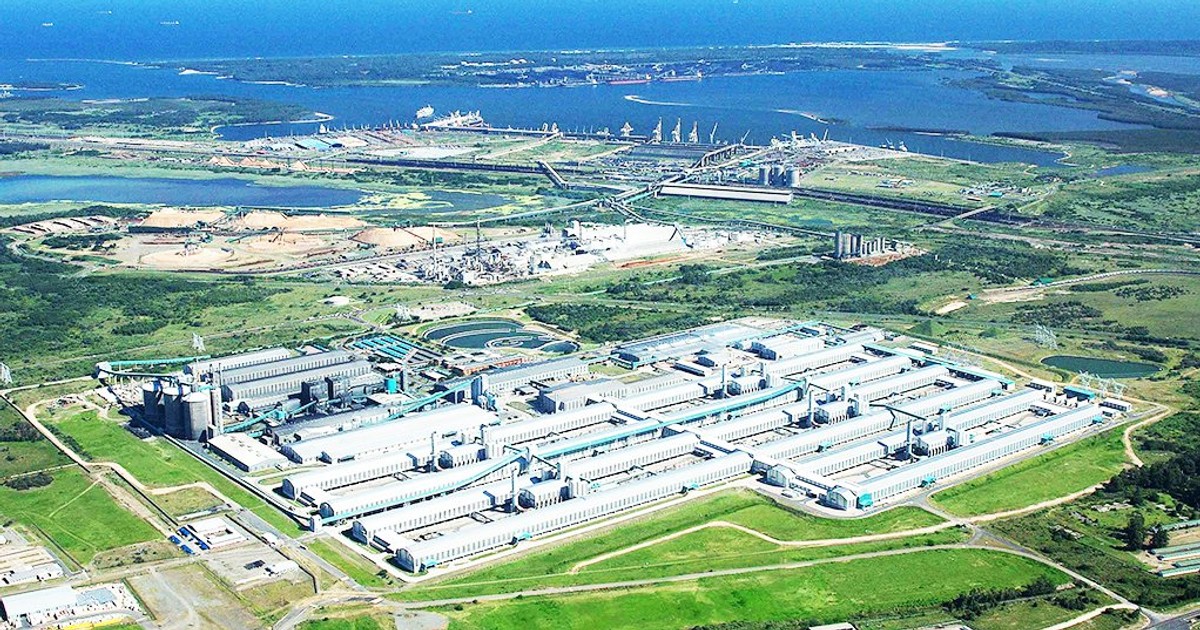
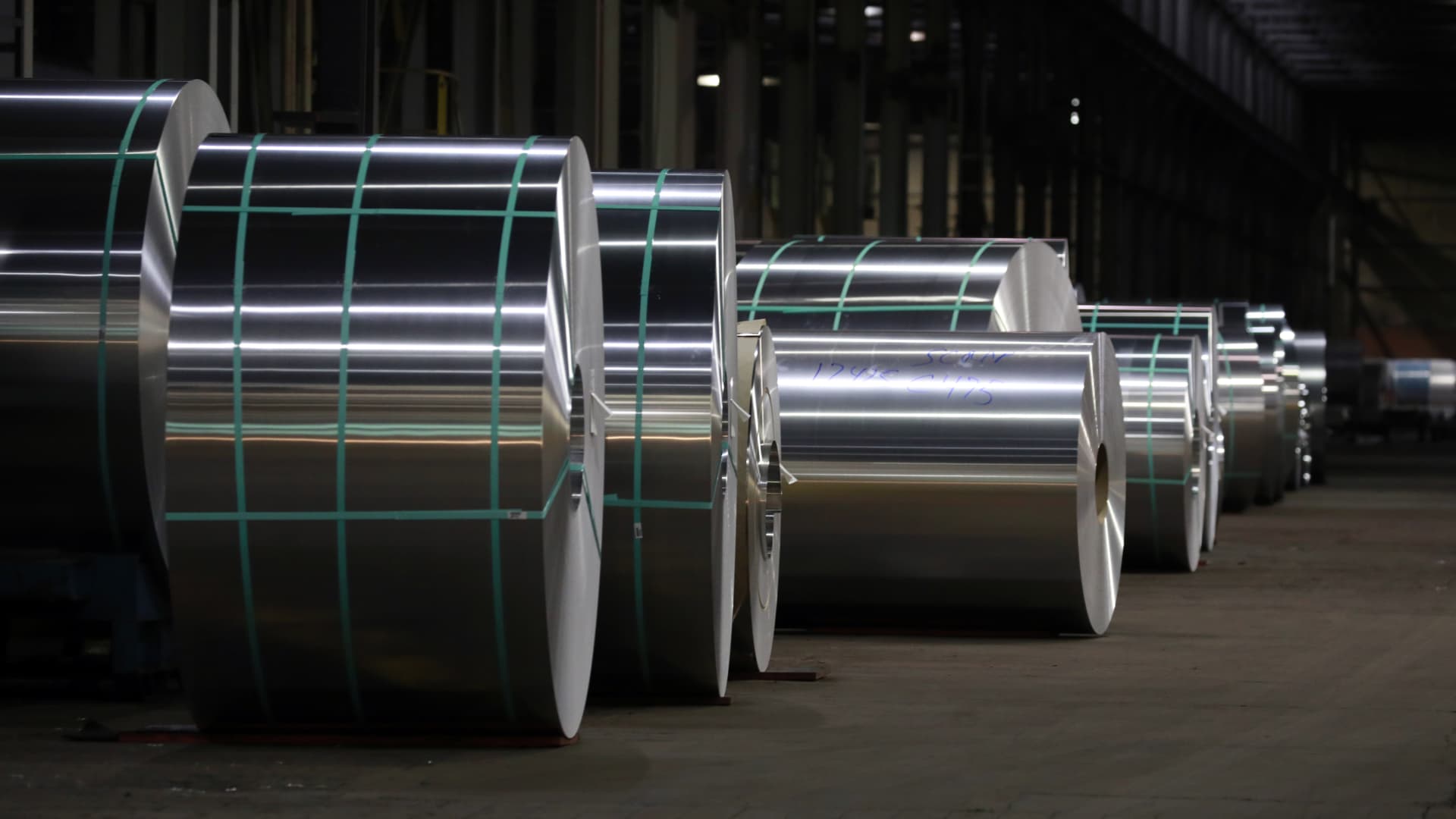
Aluminum, trading at $3,100 per ton, is being promoted wherever physics allows.
Read Next
Freeport Vs. Southern Copper: Which AI Metal Stock Looks Better For H2?