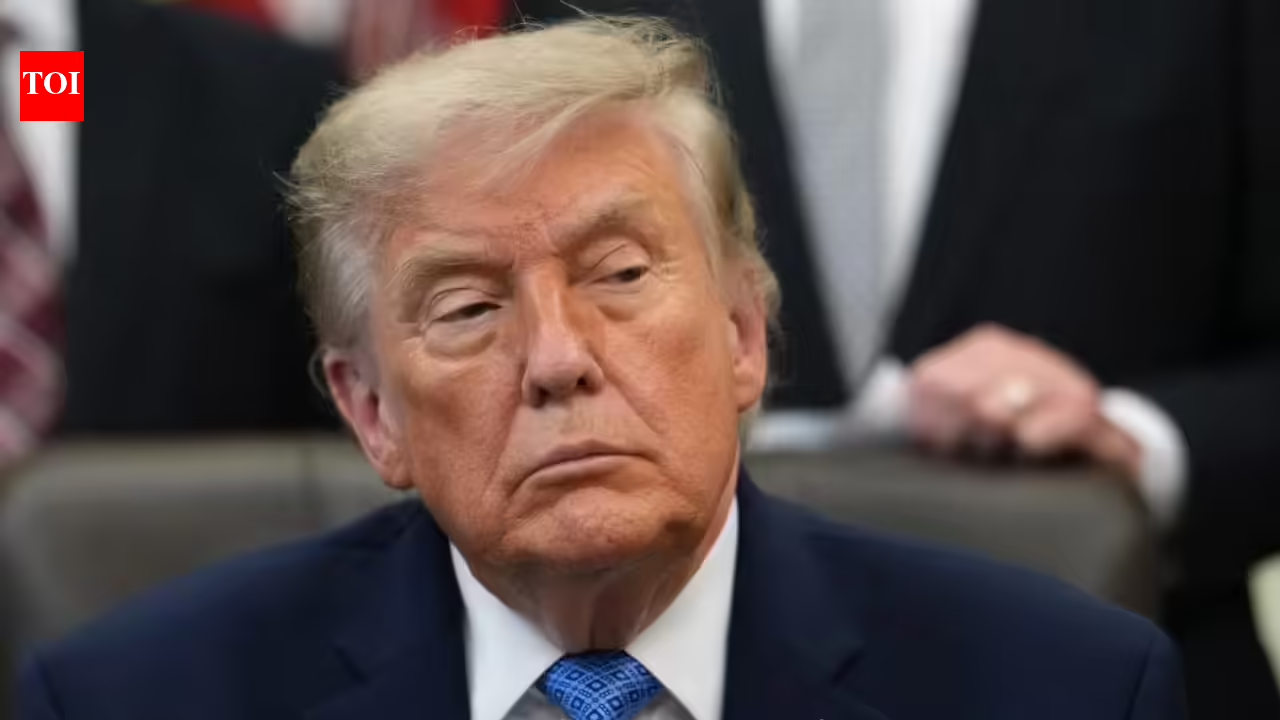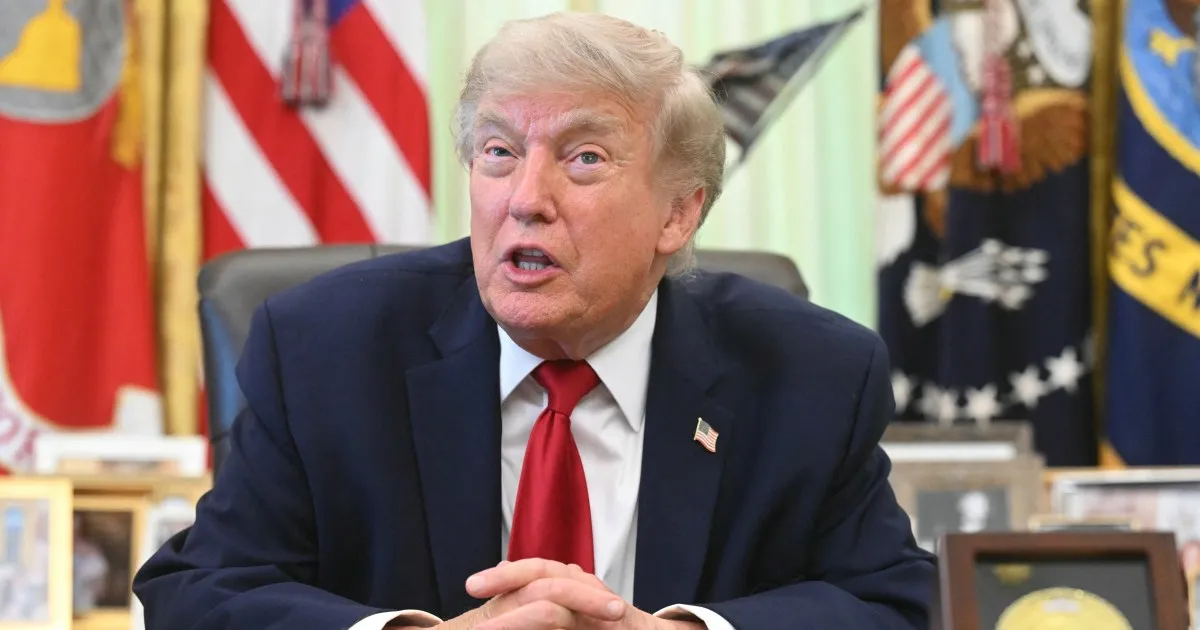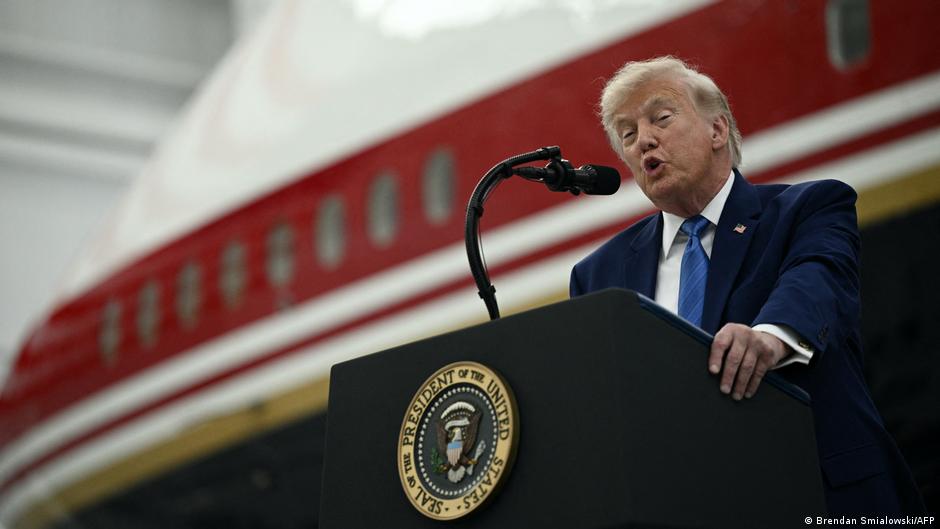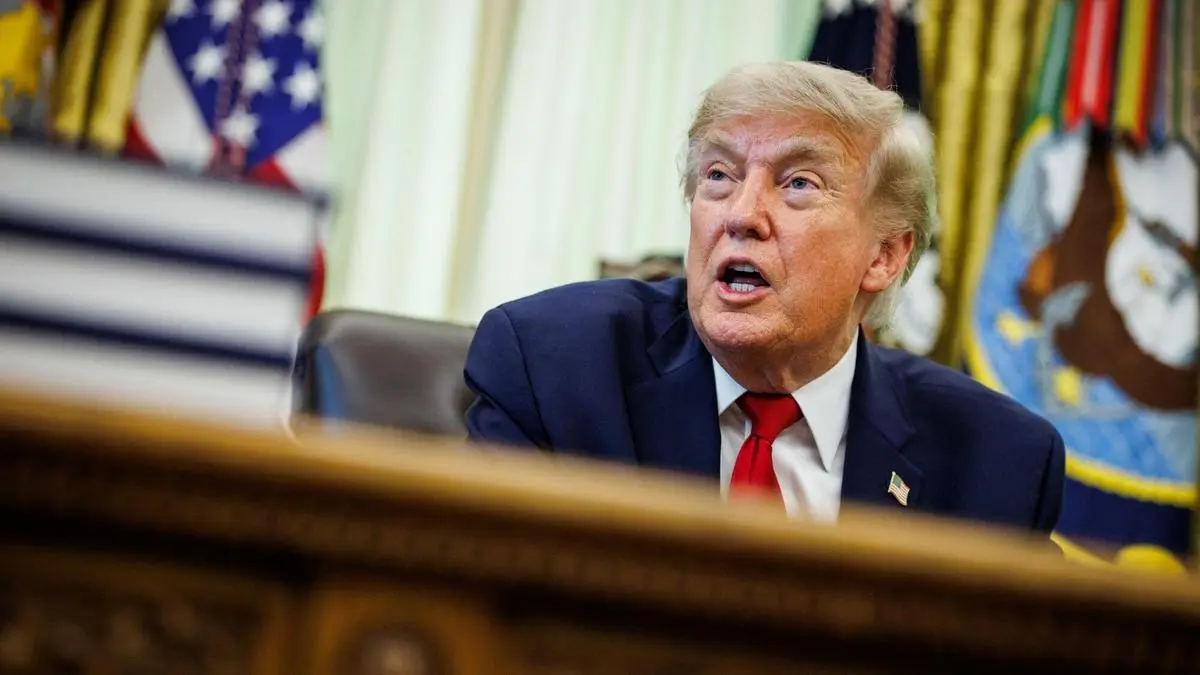
When President Donald Trump used his black Sharpie on his first day back in office to sign an executive order in January 2025 limiting birthright citizenship, he said, “This is a big one.”
It was an audacious gambit.
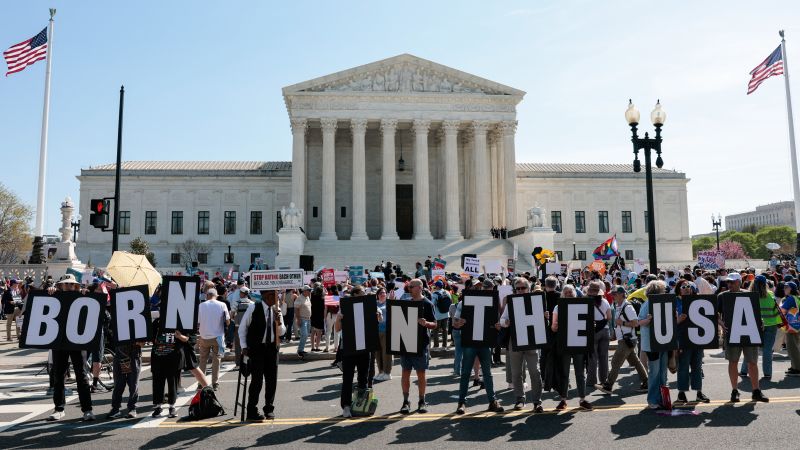
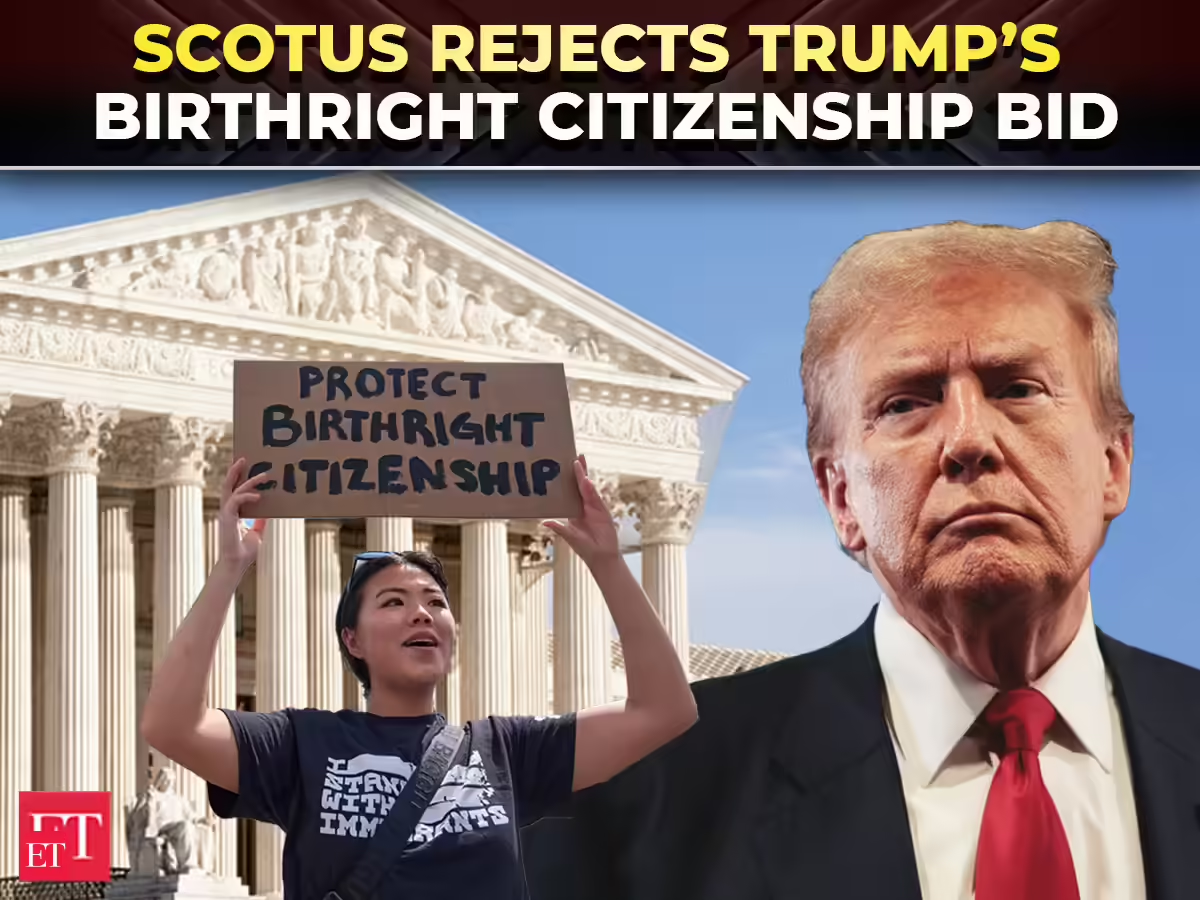
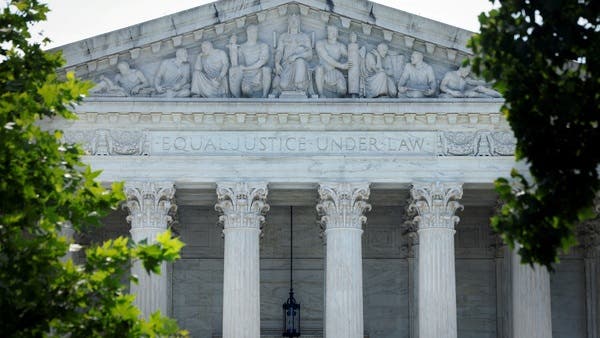
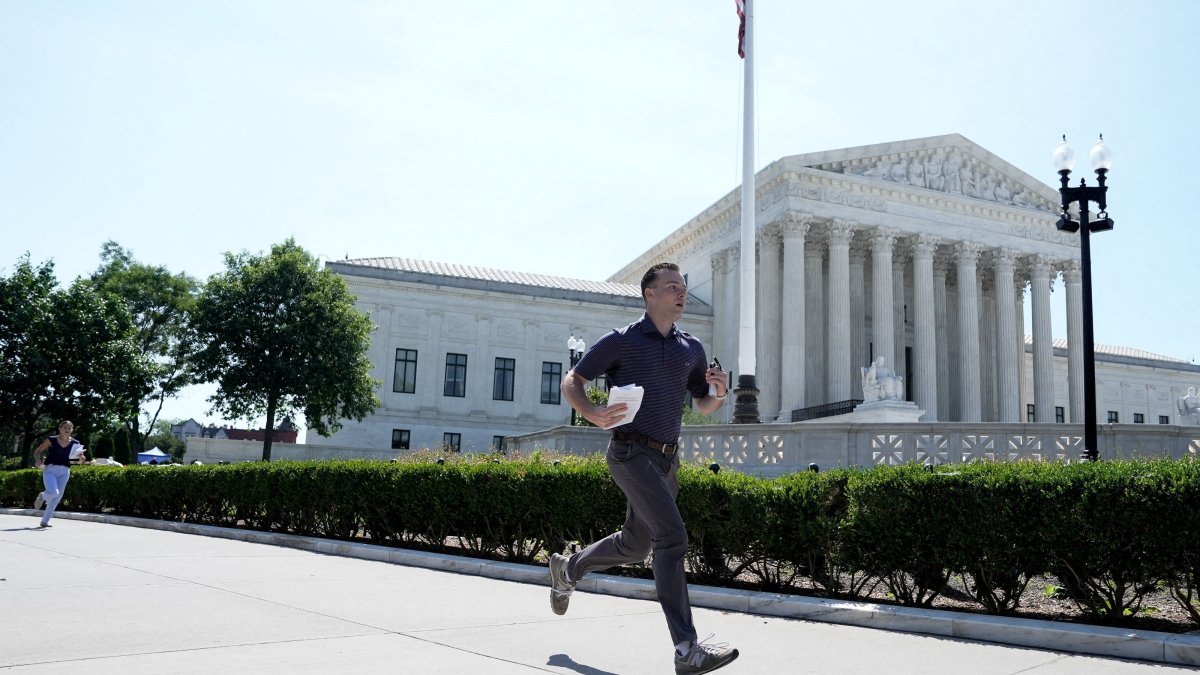
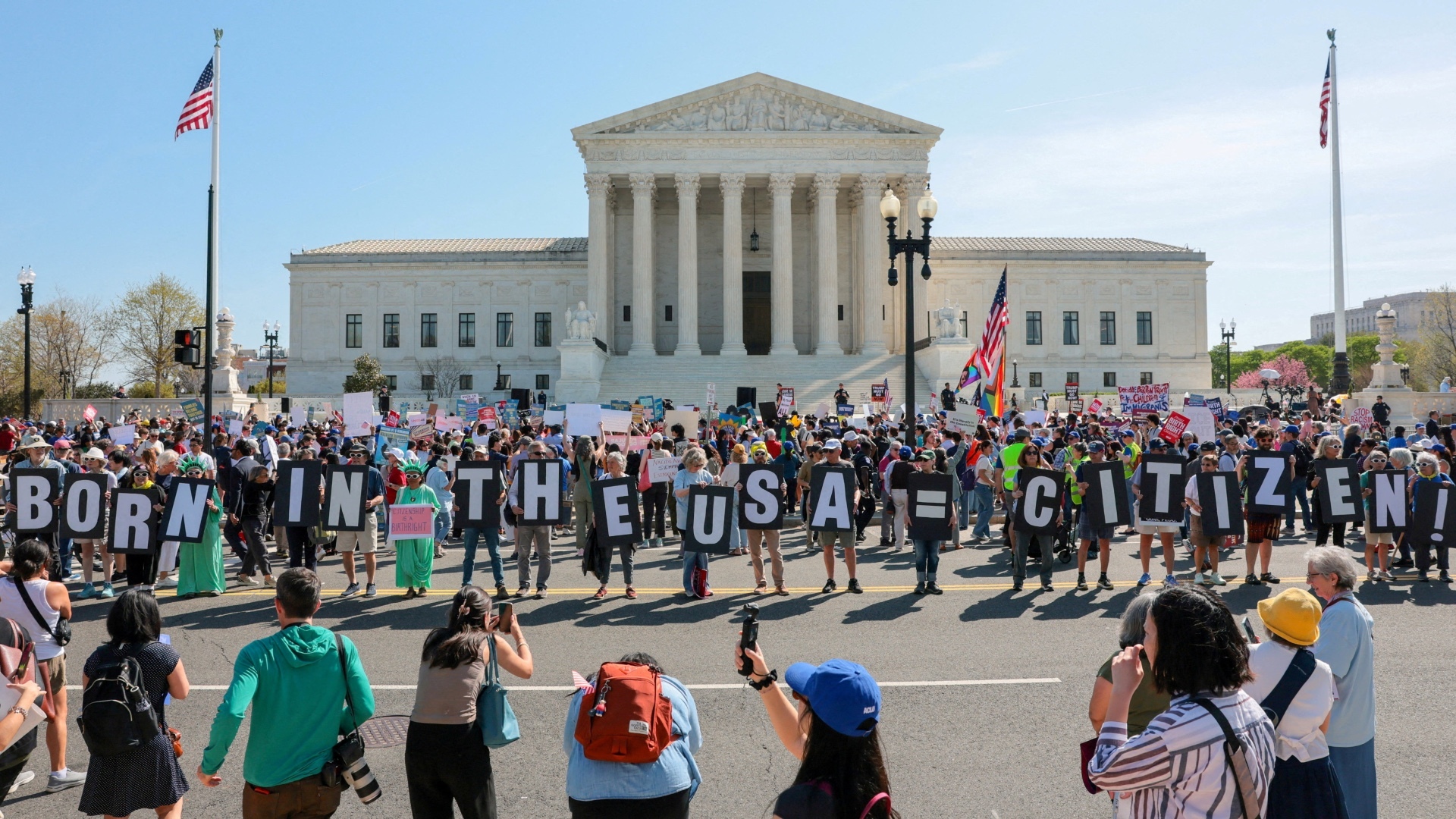
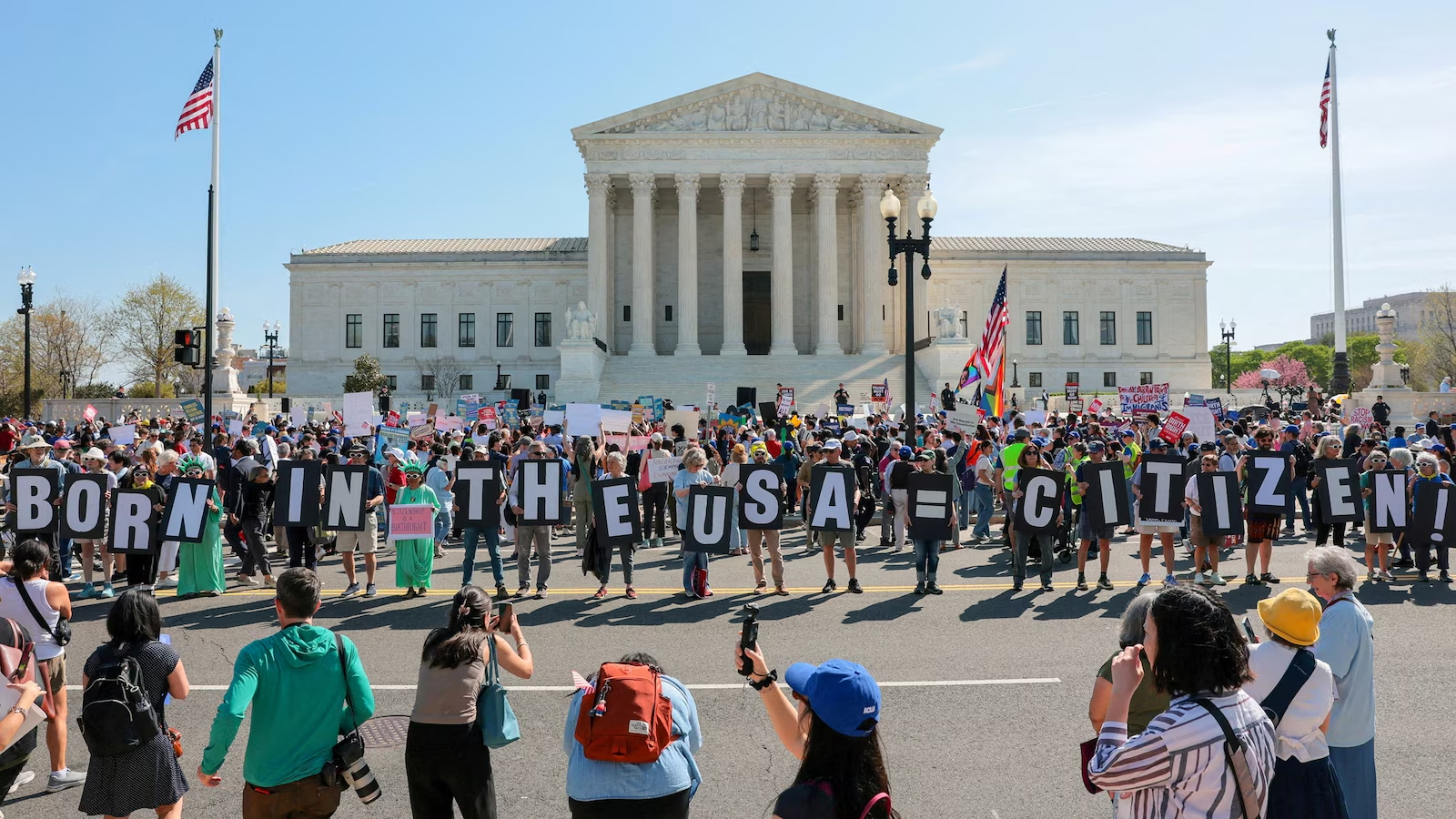
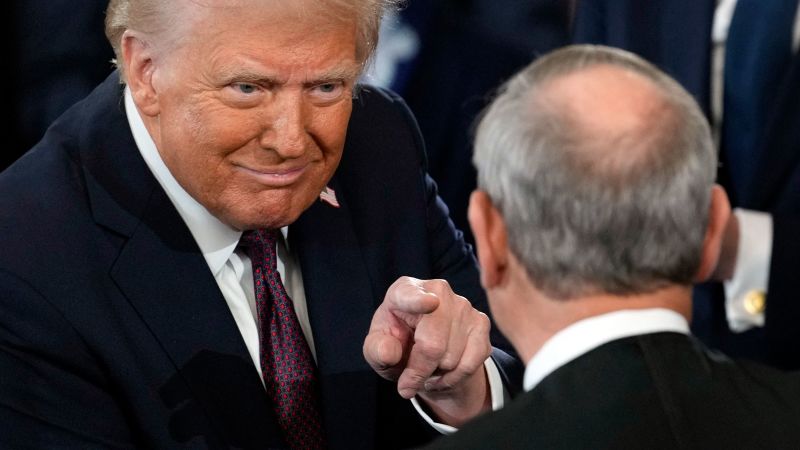
And in the most essential way, it failed. The Supreme Court by a 6-3 vote rejected his attempt to end the guarantee that all children born on US soil are citizens, regardless of their parents’ immigration status.
The majority reaffirmed a centuries-old understanding of automatic citizenship, buttressed by the 14th Amendment, that dictates “All persons born or naturalized in the United States, and subject to the jurisdiction thereof, are citizens of the United States and of the State wherein they reside.”
But the overall Trump effort – as radical as it was – made surprising headway in both the court and public spheres.