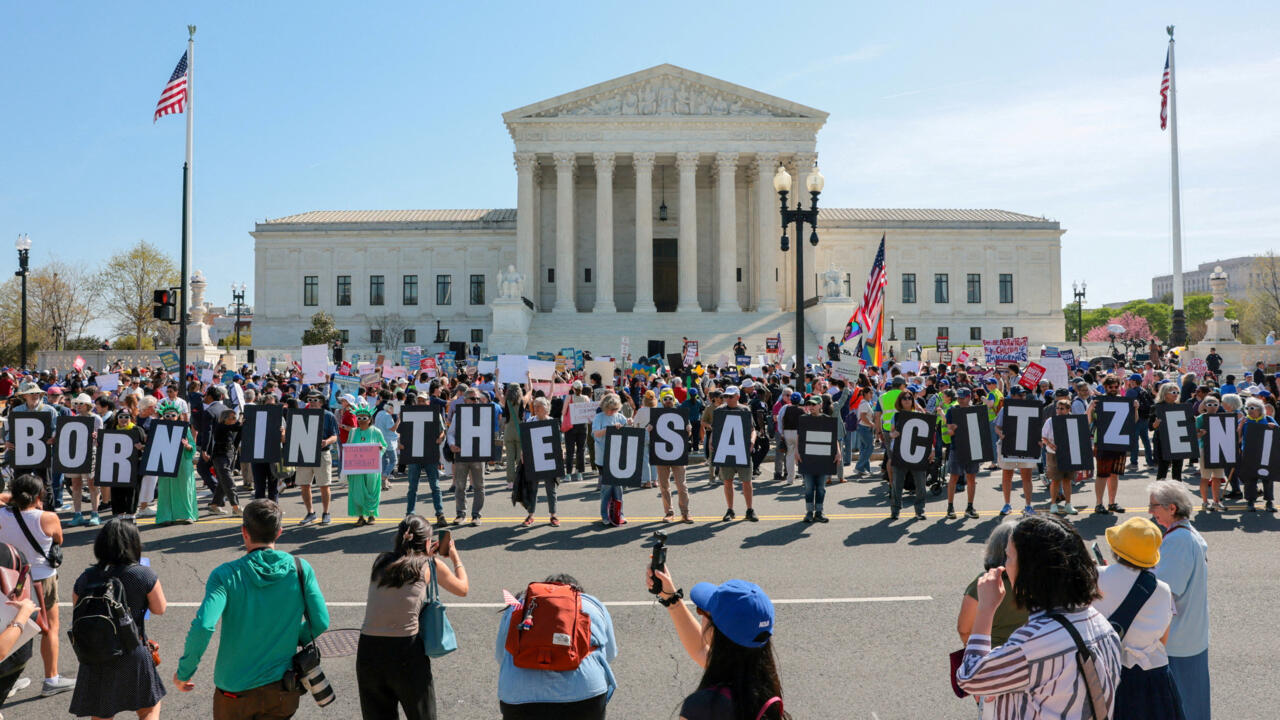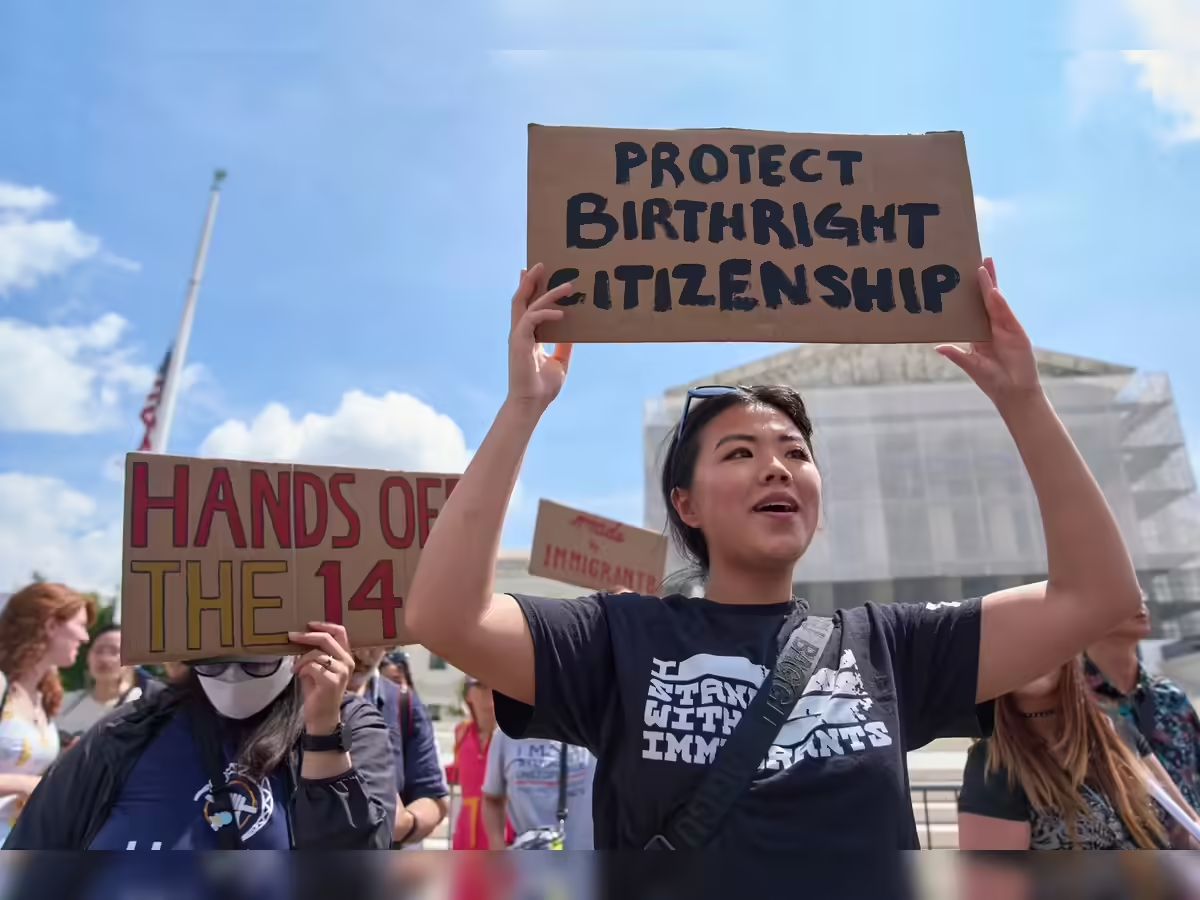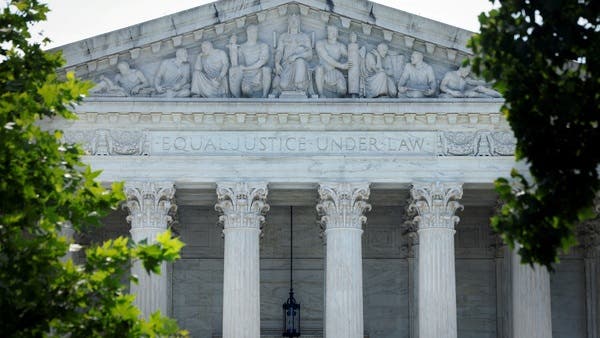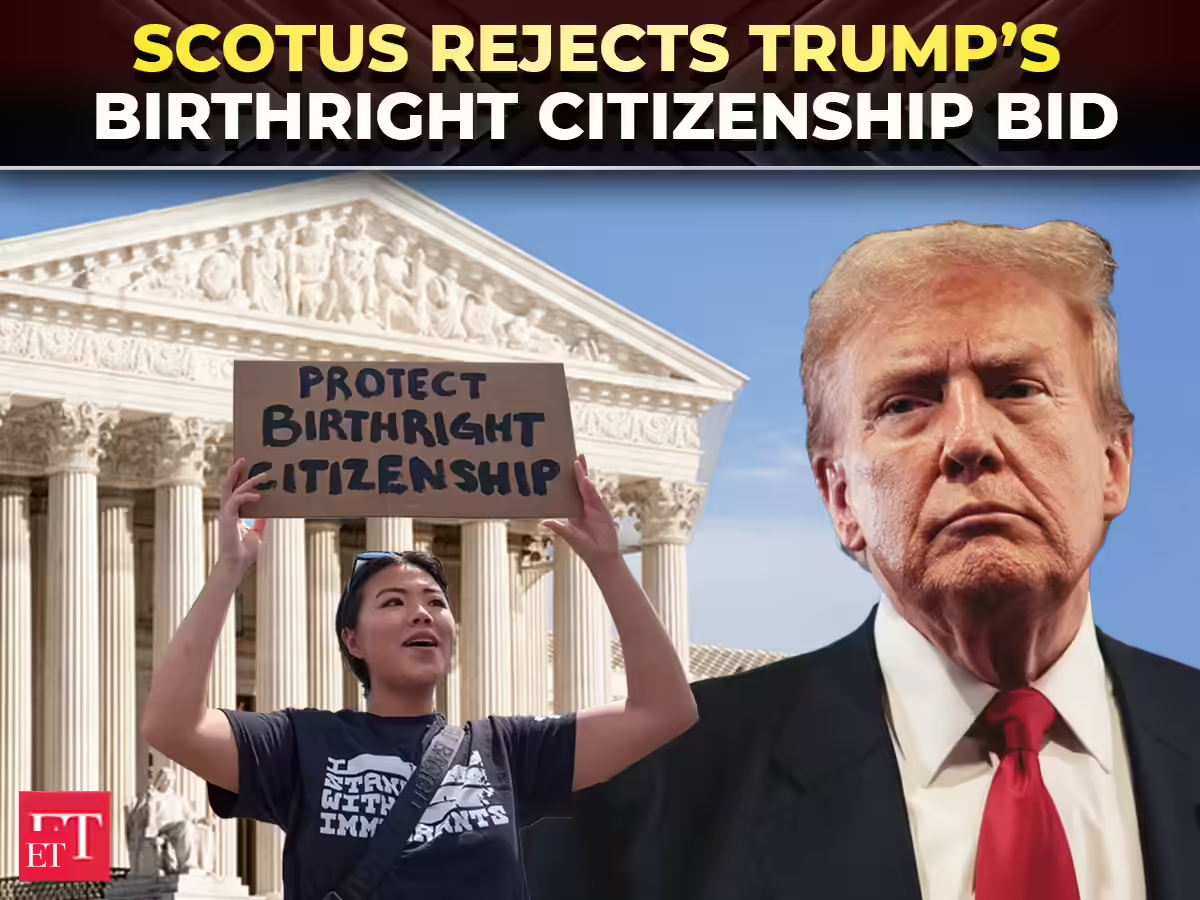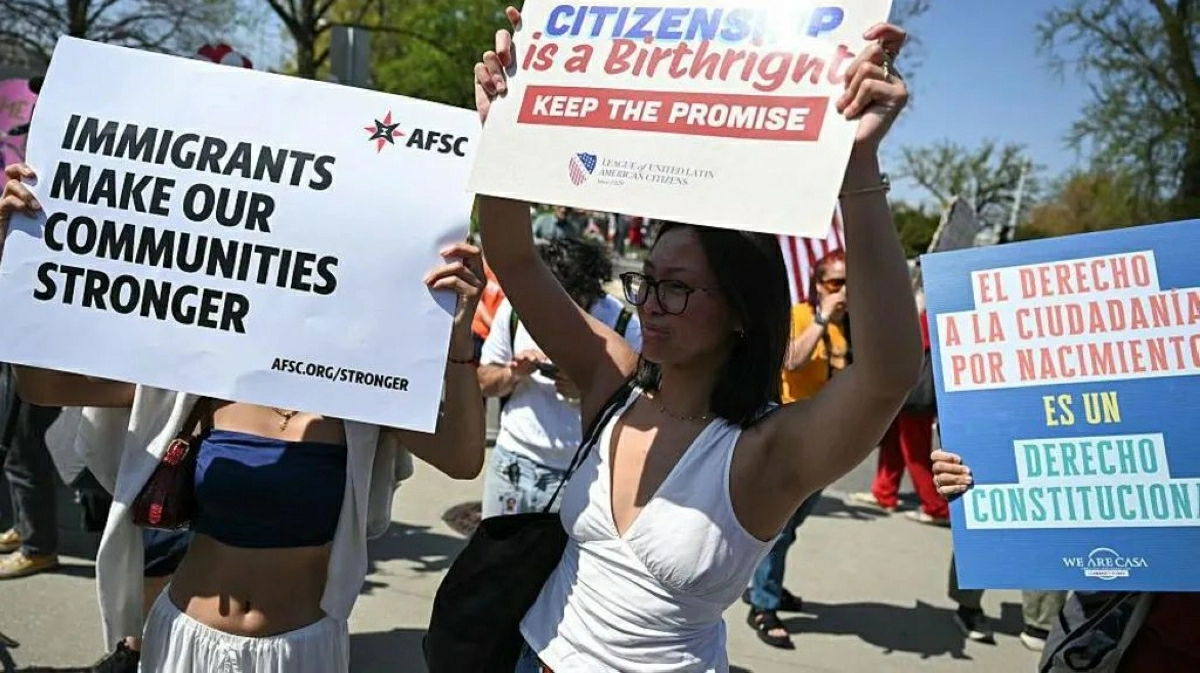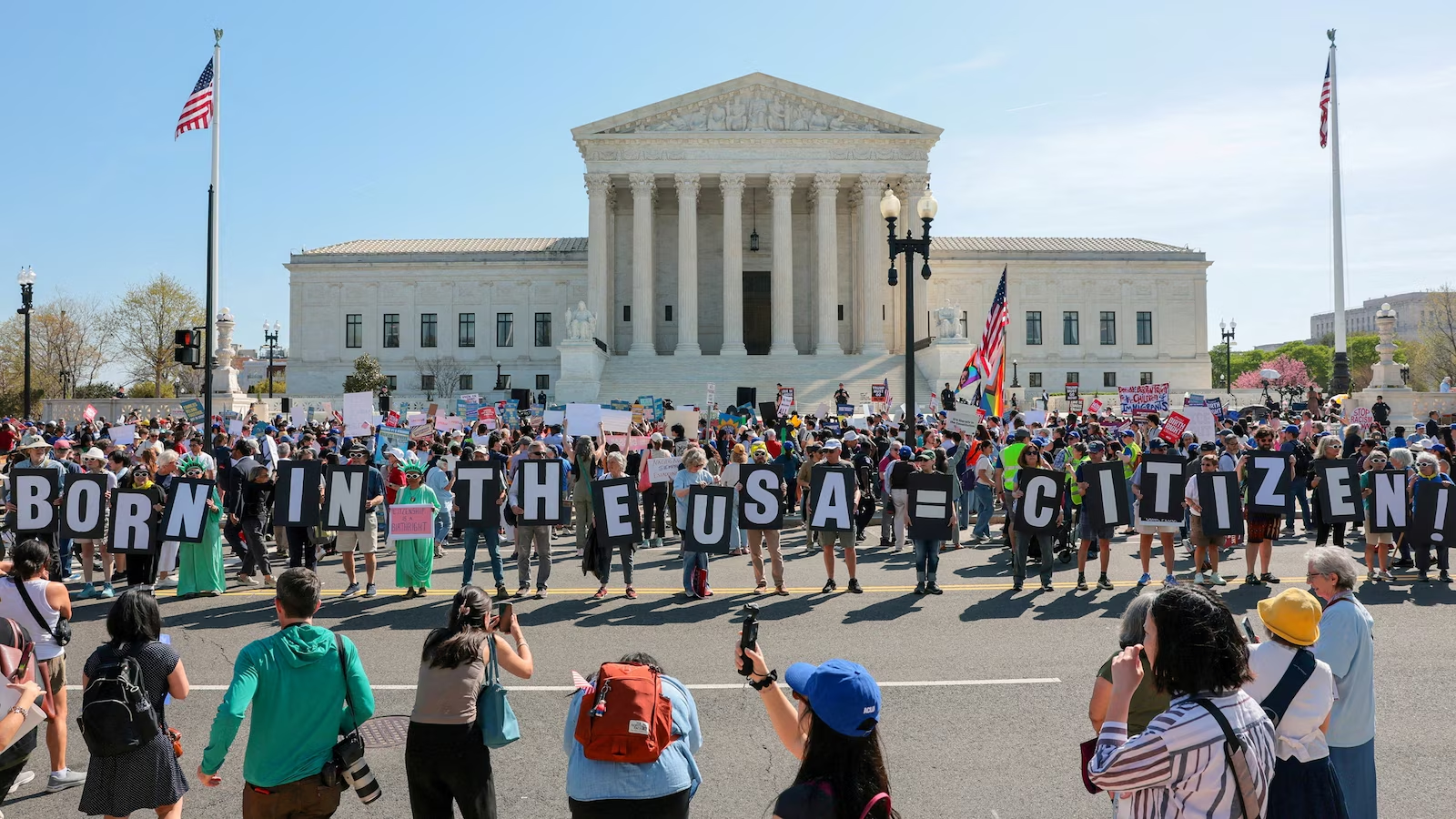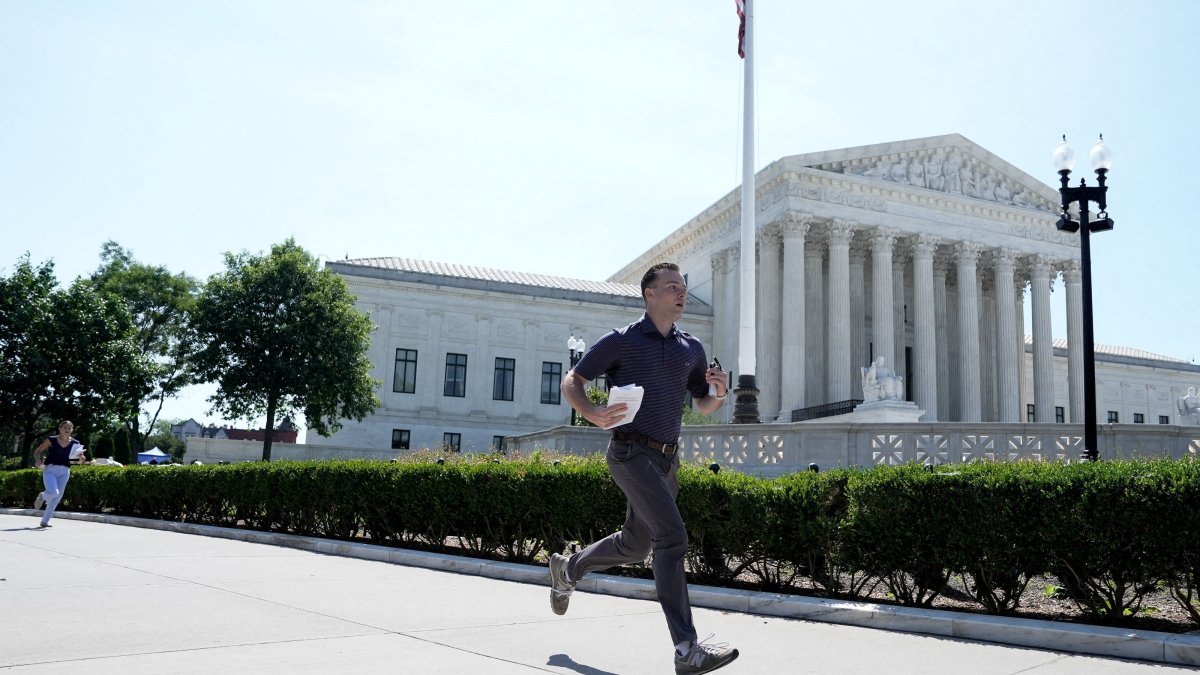
The U.S. Supreme Court on Tuesday rejected President Donald Trump's effort to restrict birthright citizenship, dealing a major setback to one of his signature immigration policies and leaving intact the constitutional guarantee of citizenship for most people born on U.S. soil.
The 6-3 ruling marked the second time this year that the court has invalidated a major Trump initiative, following its February decision to strike down his sweeping global tariffs.
The justices upheld a lower court's decision that blocked Trump's executive order directing U.S. agencies not to recognize the citizenship of children born in the United States if neither parent is an American citizen or legal permanent resident, also called a "green card" holder.
Challengers to Trump's order argued that it violates language in the U.S. Constitution's 14th Amendment that confers citizenship to those born in the United States who are "subject to the jurisdiction thereof."
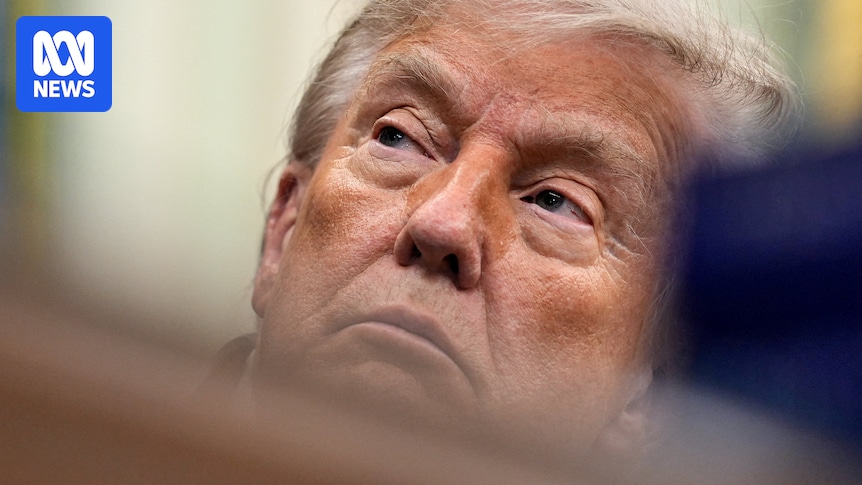
Trump, who has repeatedly tested the limits of presidential power in domestic and foreign policy, issued the order last year on his first day back in office as part of a suite of policies to crack down on legal and illegal immigration. Critics have accused the Republican president of racial and religious discrimination in his approach to immigration.