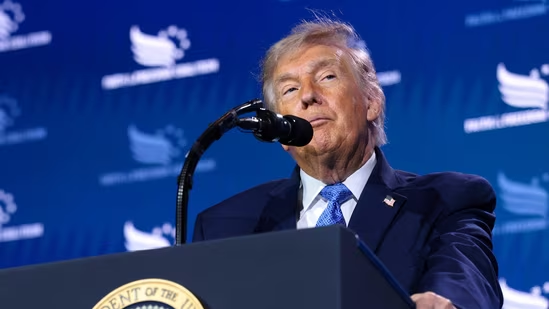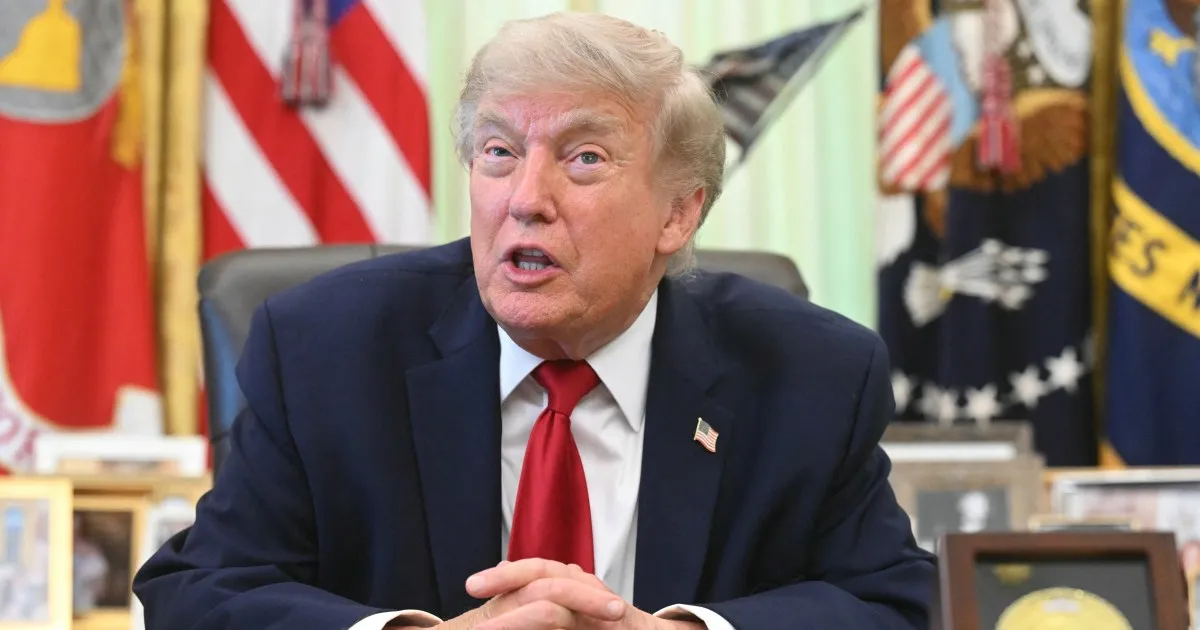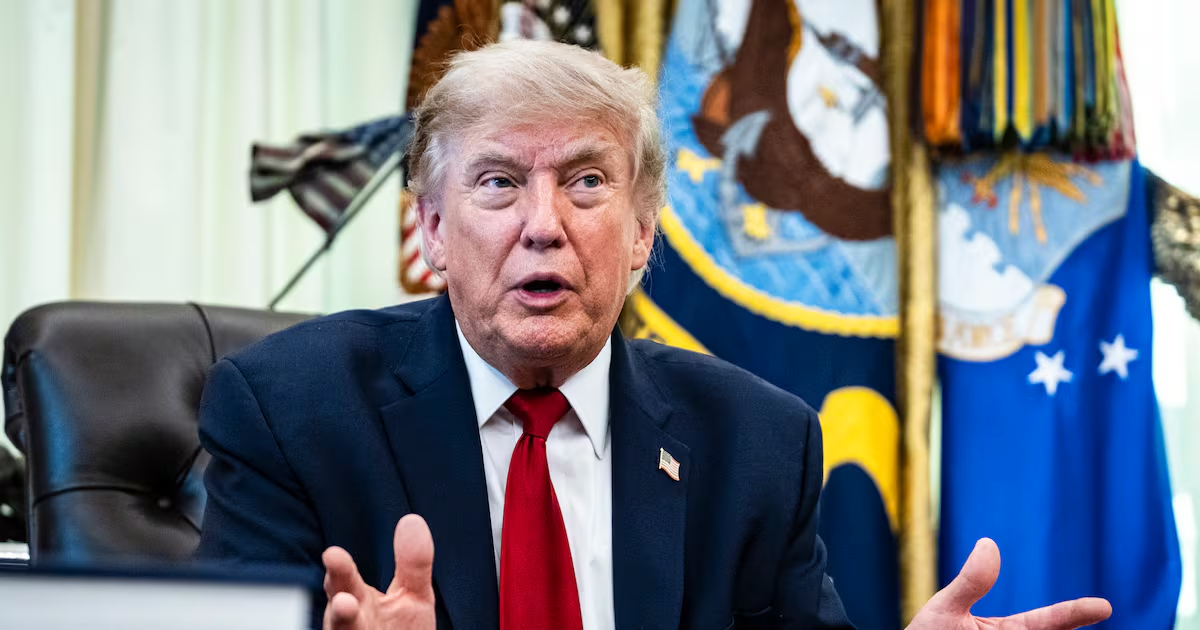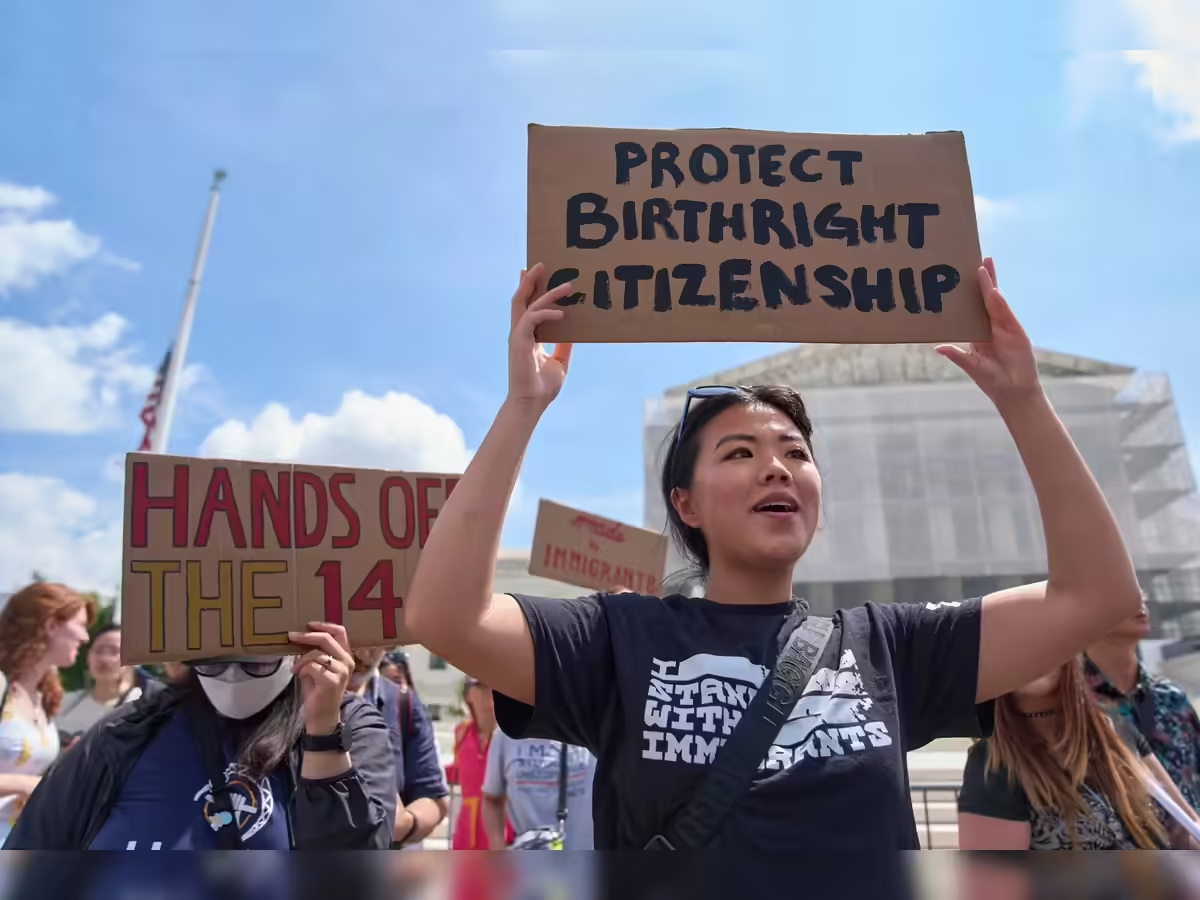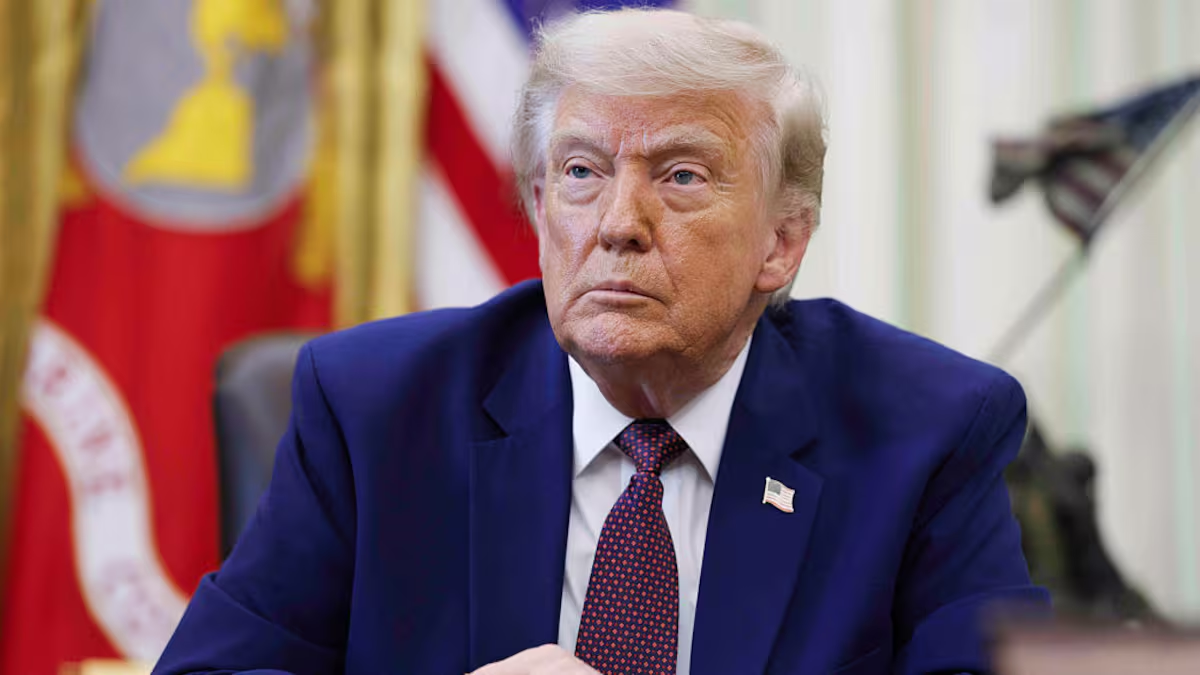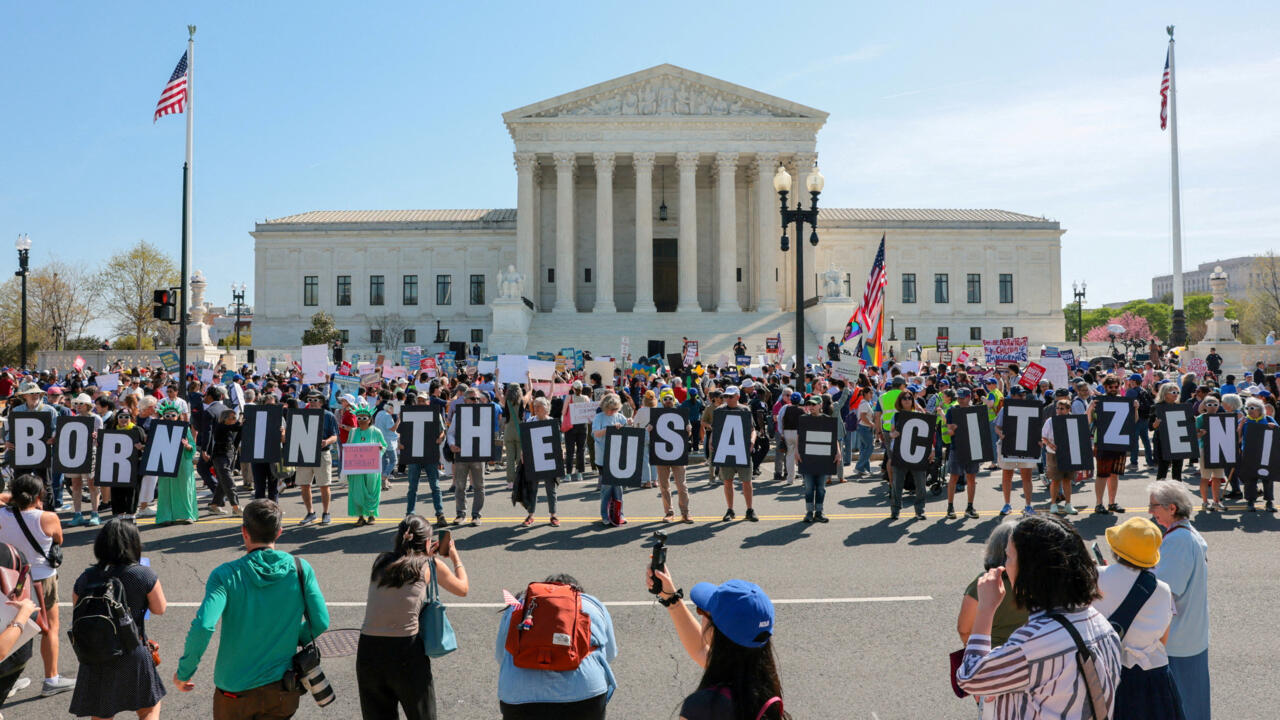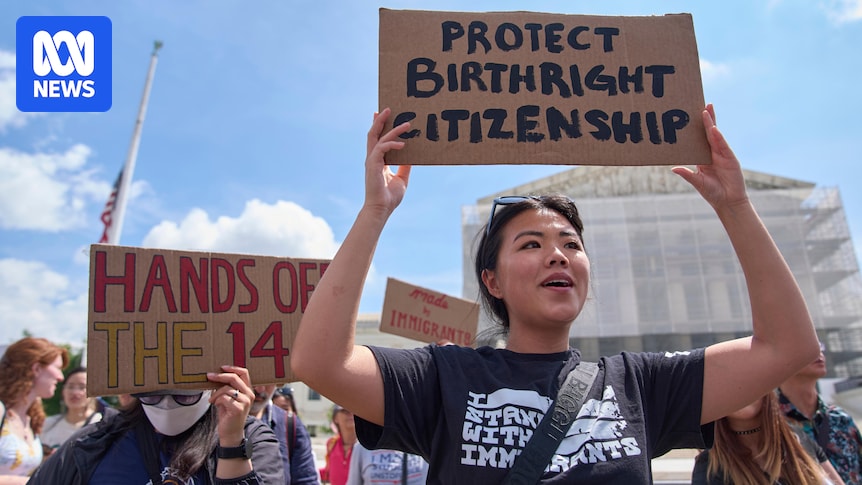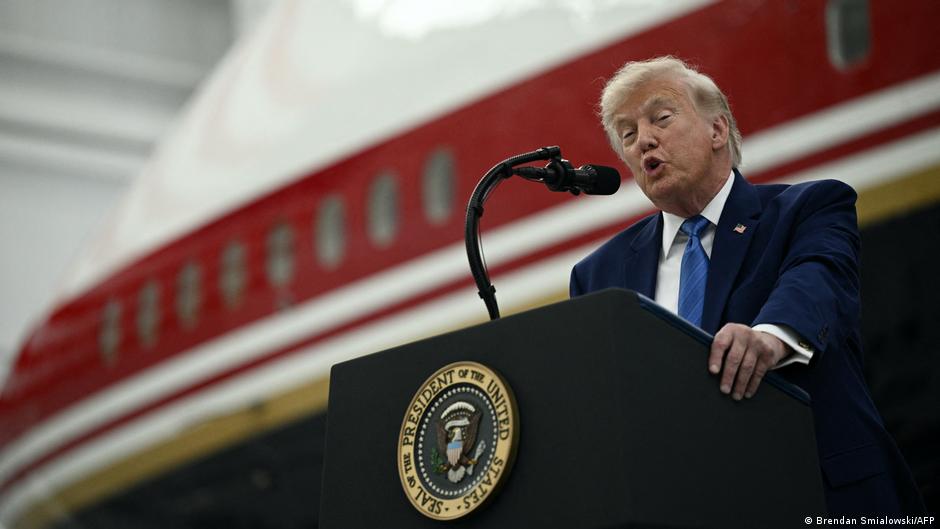
One of the first acts of Donald Trump's second term was an attempt to redefine the 14th Amendment of the US Constitution. Among a flurry of executive orders, the US president called for an end to the concept of birthright citizenship, which has existed in the US since 1868.
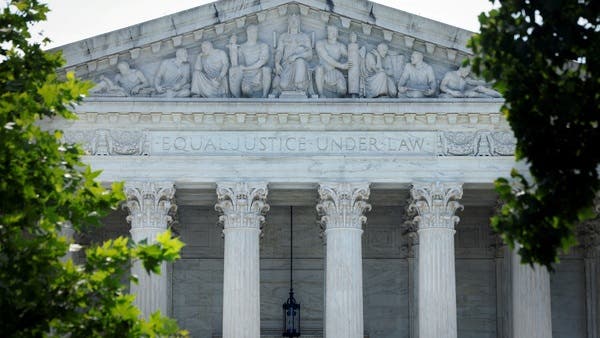
But his wish was denied on Tuesday, after the US Supreme Court ruled against the government. "It's one of the clearest statements of who we are as a country," said the American Civil Liberties Union (ACLU) in a statement. "No matter who your parents are, if you're born here, you belong here."
Trump had called the existing policy “a disgrace”, with his vice president JD Vance having previously described it as “the dumbest immigration policy in the world”.
The order had already been through a number of number of legal twists and turns in various courts, including the Supreme Court. Though Tuesday’s ruling means the legal status is unchanged, it will still leave a mark, according to Kim Lane Scheppele.
"The fact that the question is now open in a way it never was has made citizenship more precarious, including for those who have lived all of their lives in the US," the professor of Sociology and International Affairs at Princeton and an expert in the sociology of law, told DW shortly before the decision was announced.In a world of strongmen like Trump, how can countries adapt?To view this video please enable JavaScript, and consider upgrading to a web browser that supports HTML5 video