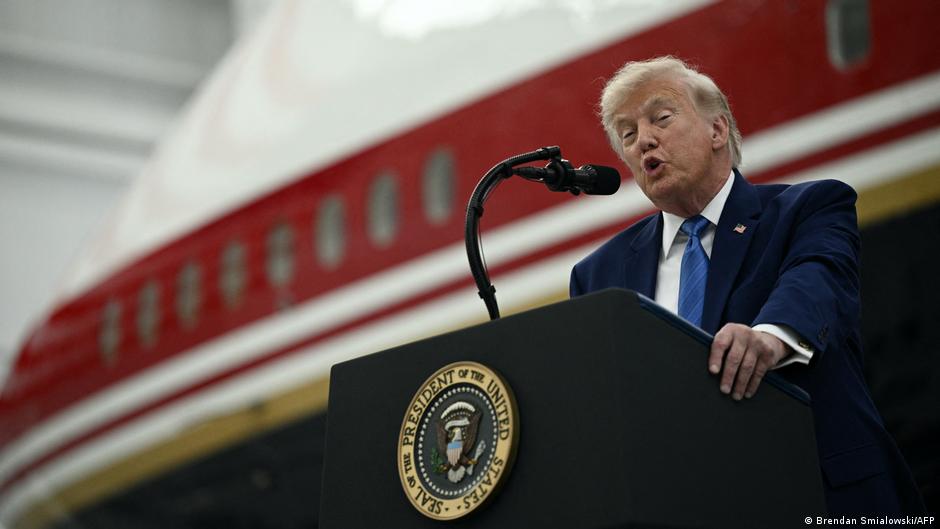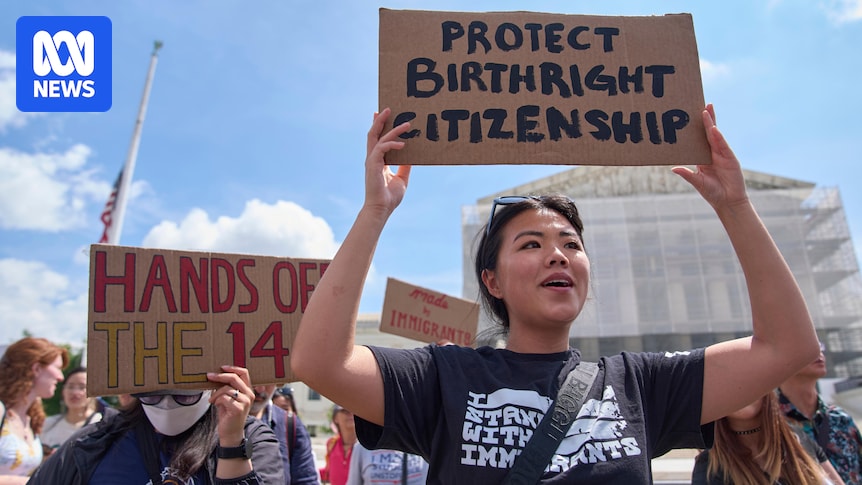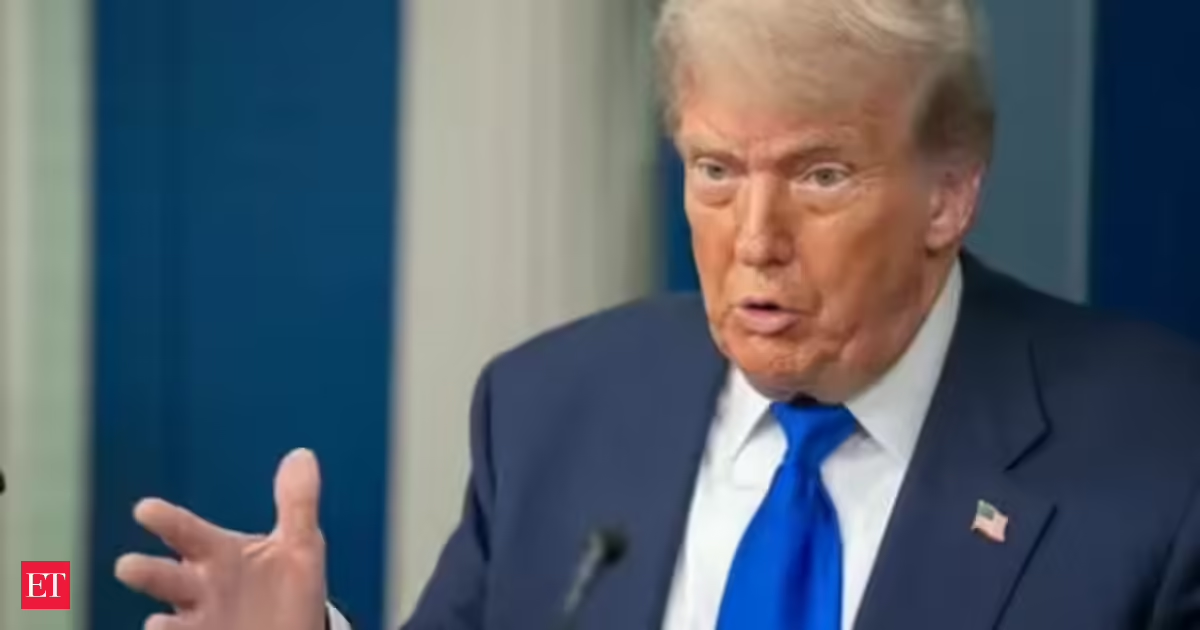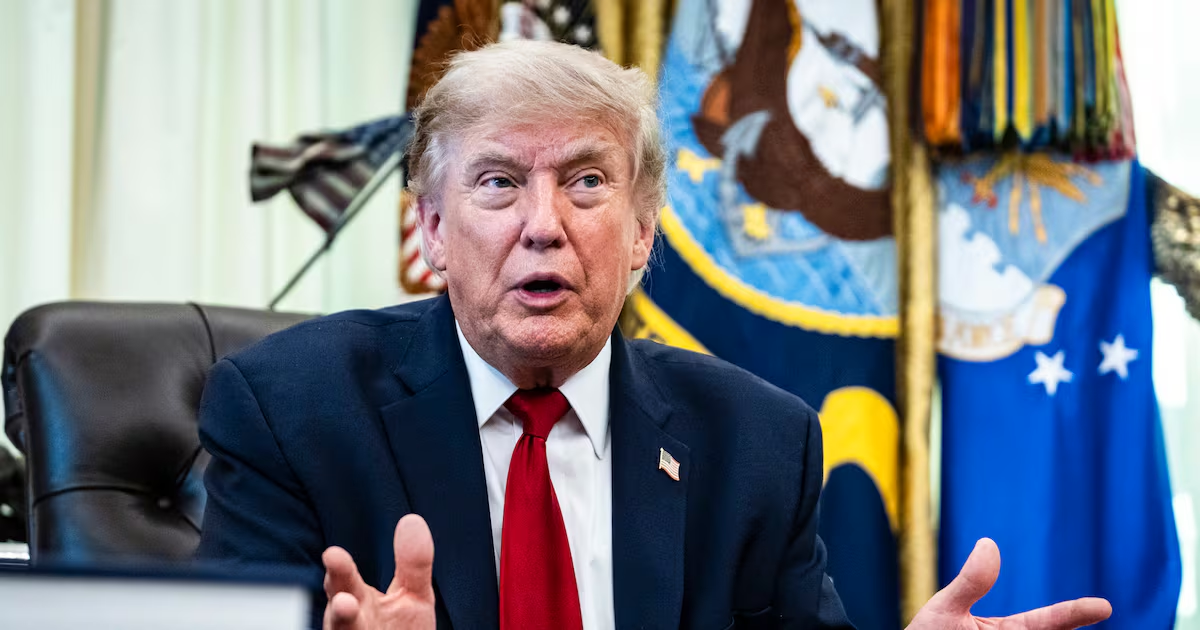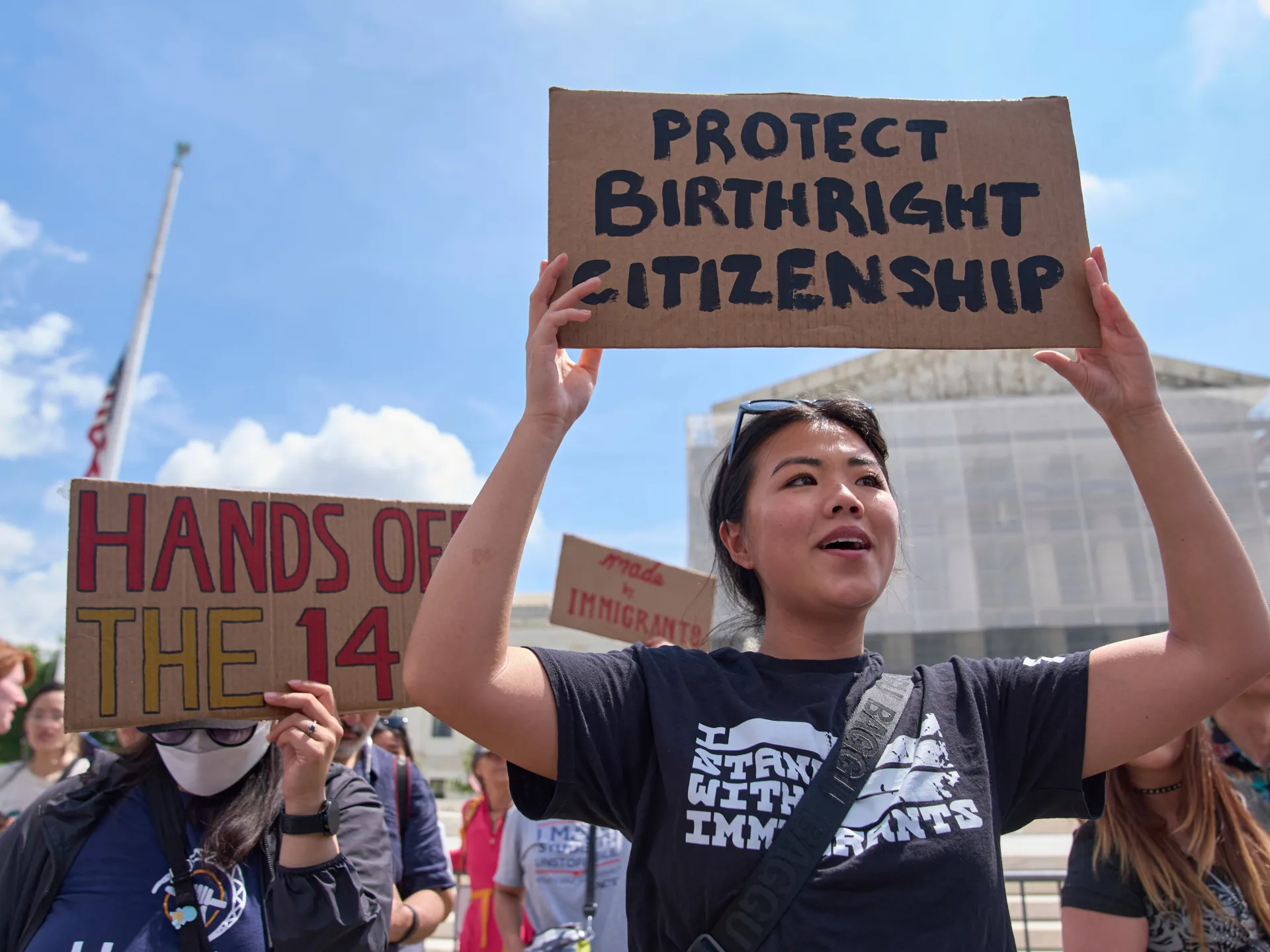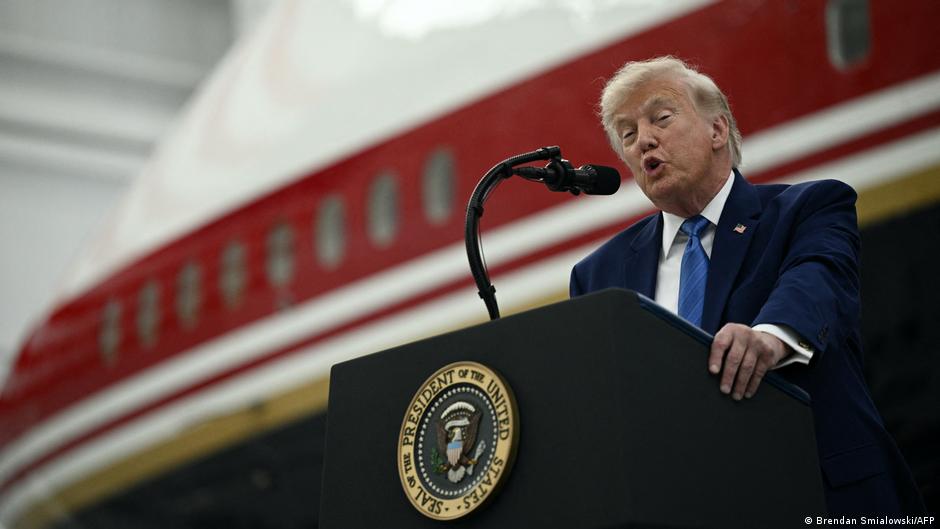
One of the first acts of Donald Trump's second term was an attempt to redefine the 14th Amendment of the US Constitution. Among a flurry of executive orders, the US president called for an end to the concept of birthright citizenship, which has existed in the US since 1868.
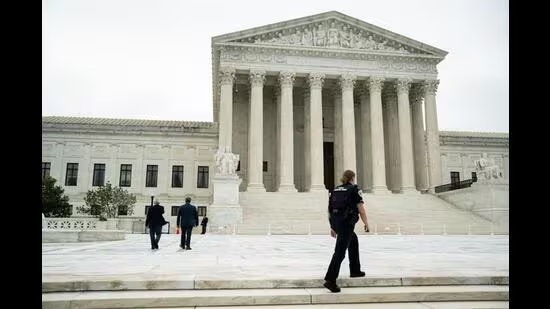
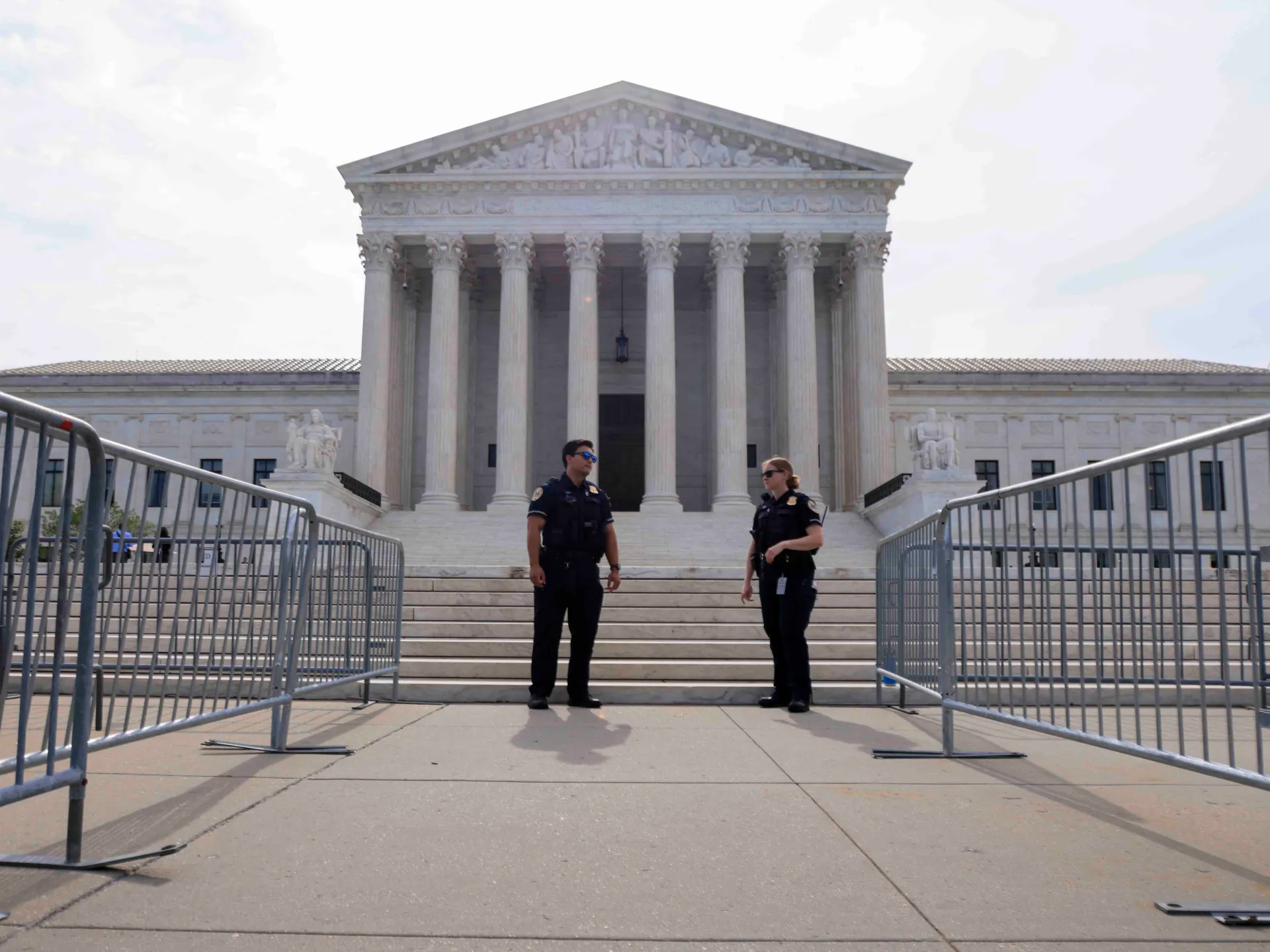
A decision on the validity of the executive order is expected from the US Supreme Court (SCOTUS) on Tuesday. Trump has called the existing policy "a disgrace", with his vice president JD Vance having previously described it as "the dumbest immigration policy in the world."
The subject has been through a number of legal twists and turns in various courts, including the Supreme Court, but this week's ruling is critical, regardless of the outcome, said Kim Lane Scheppele.
"The fact that the question is now open in a way it never was has made citizenship more precarious, including for those who have lived all of their lives in the US," the professor of Sociology and International Affairs at Princeton and an expert in the sociology of law, told DW.In a world of strongmen like Trump, how can countries adapt?To view this video please enable JavaScript, and consider upgrading to a web browser that supports HTML5 video
"Don't forget that citizenship is under attack in many ways under Trump. They've opened an office of denaturalization inside the Justice Department and are pressing to require proof of citizenship to vote. And few of us have such proof, less than half the US public has passports, for example."