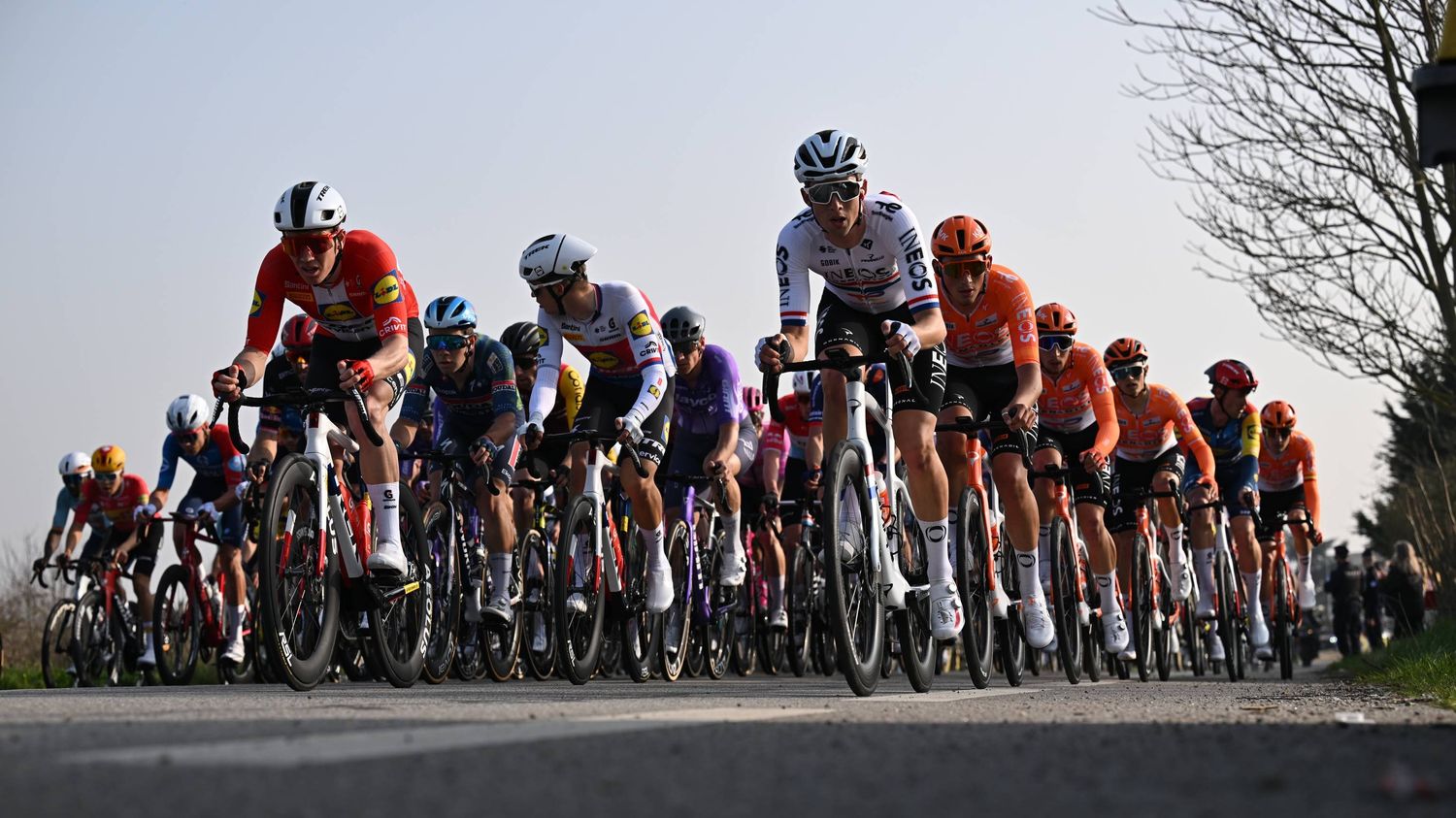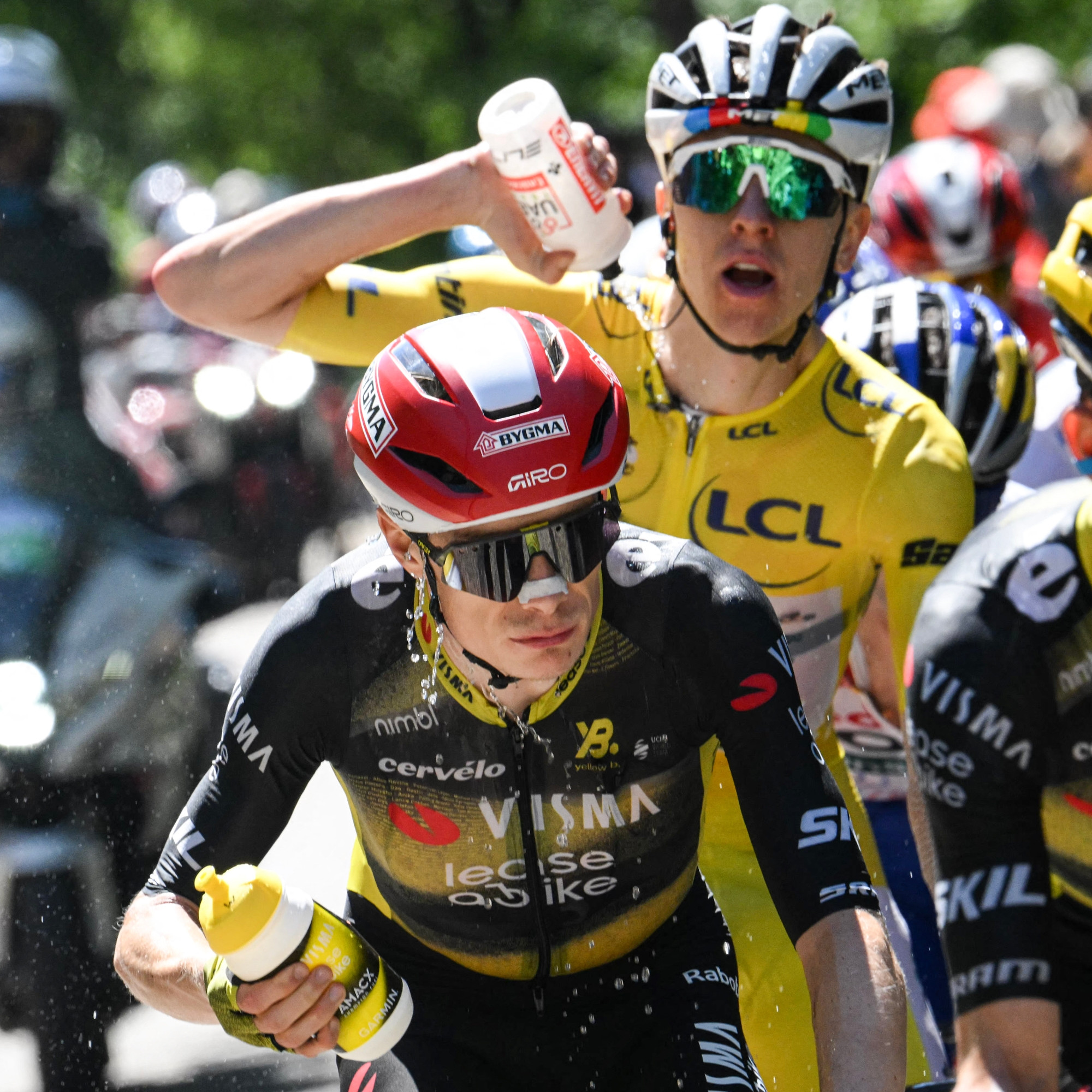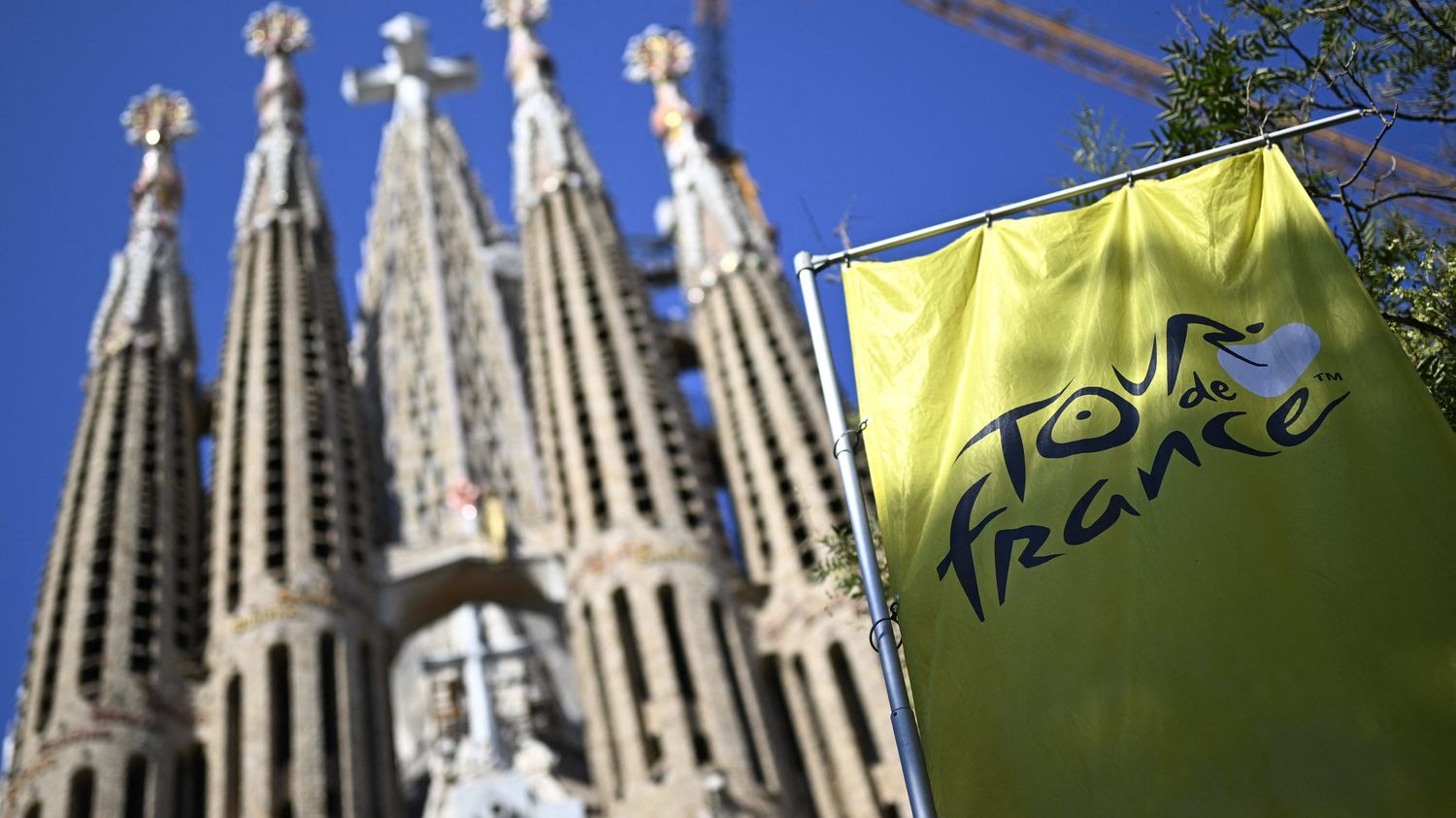
Tour de frappe30 June 1966While it is not essential that a foreigner must vibrate with enthusiasm when the subject of the Tour de France is now dragged interminably into every conversation, he would be ill-advised to display discernible gloom when, during these 24 days, Frenchmen come up and describe every pant and pedal of their national heroes – Anquetil, Poulidor, Darrigade. At this moment the great heart of the French nation seems to be pulsing exclusively through its cyclists. (A curious paradox is that the French are by no means a bicycling people.)The Tour is a series of 22 pedal stages [21 stages in modern Tours], varying in distance from over 80 miles to more than 170, undertaken by 13 European teams (and Tommy Simpson of England) which began last Tuesday week (21 June) and won’t give up until 14 July. They start at Nancy and climb to Dunkirk, take seven days to go down, by way of Bordeaux and Bayonne, to the Pyrenees, rest a day, cross over to the Riviera at Sète, go on up into Italy, rest another day, cut back to St Etienne and pull up through the centre of France by Orleans and into the Parc des Princes, where on the night of 14 July they are probably the only Frenchmen in the country who go to bed.The tour has many practical functions in French life. For one thing, it is second only to the tierce – the national Sunday horse racing gamble – as a means of taking the country’s mind off politics. On 20 June a minister was overheard telling a colleague that he could relax now until after the national holiday; nobody would be making any political demands.Commercial saturation
Tour de France 1966: ‘No longer a jaunt in knickerbockers from Paris to Nice’
30 June 1966: While the French nation is still excited by the Tour, it has become a grim, scientifically controlled commercial operation
1,021 words~5 min read