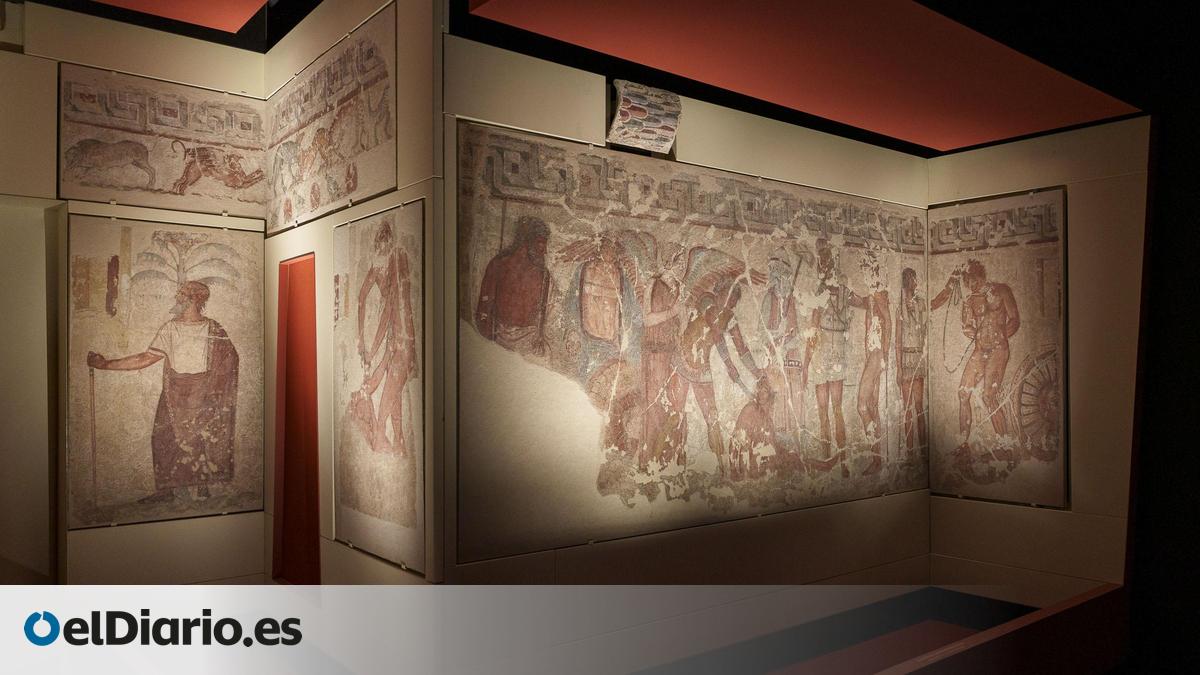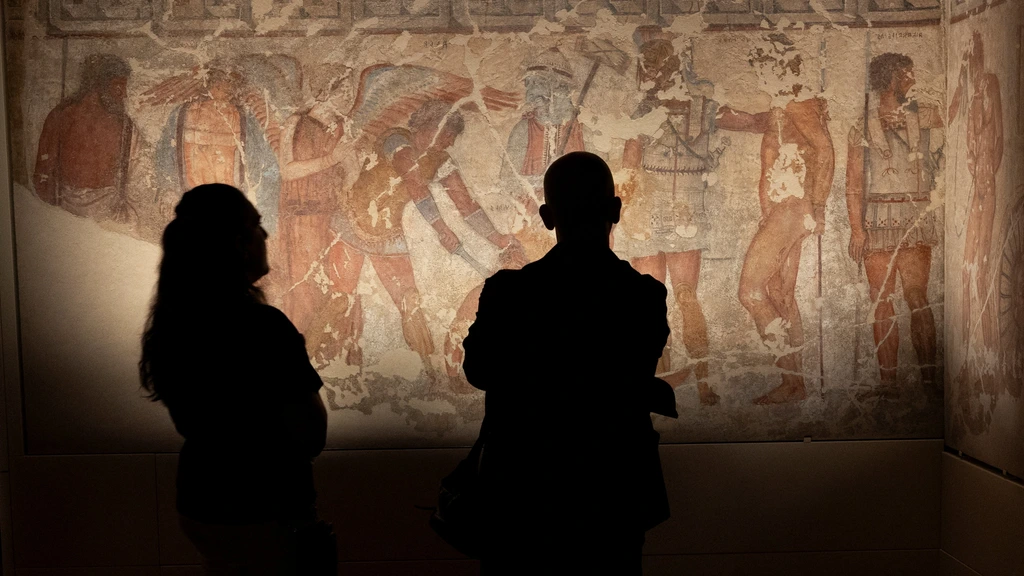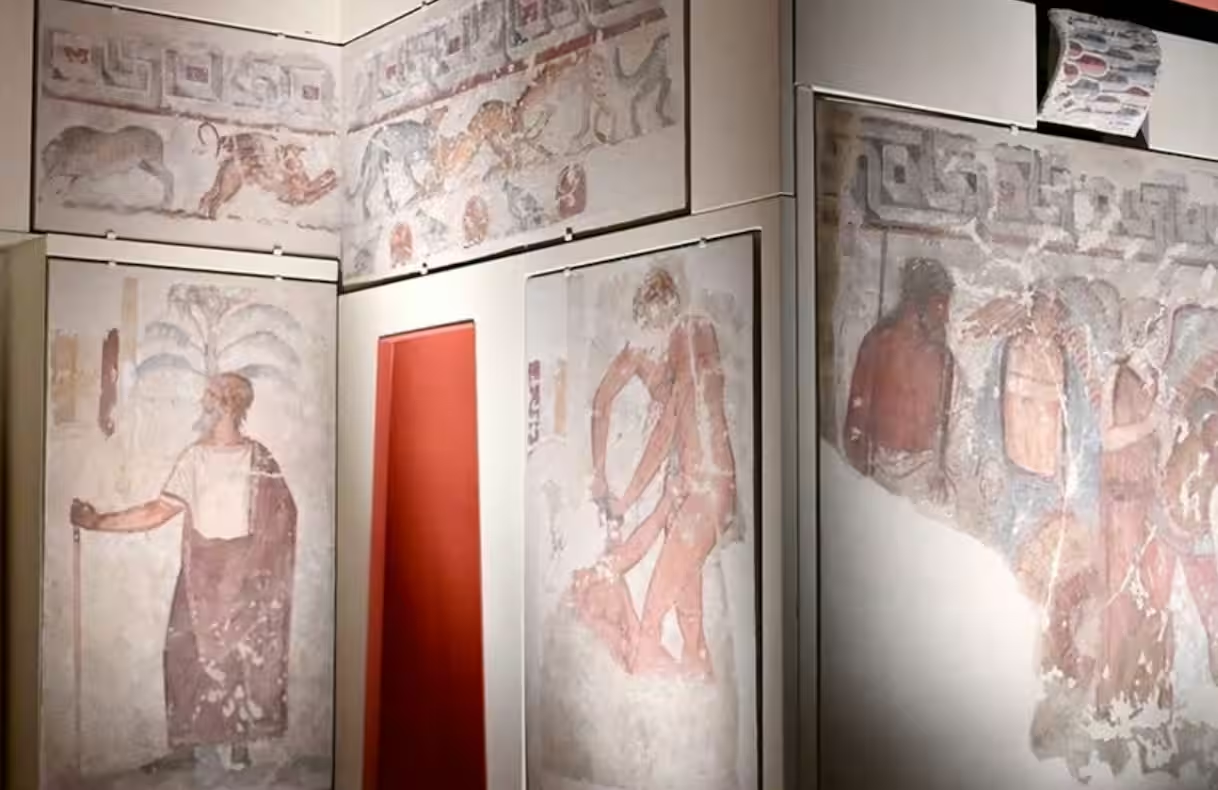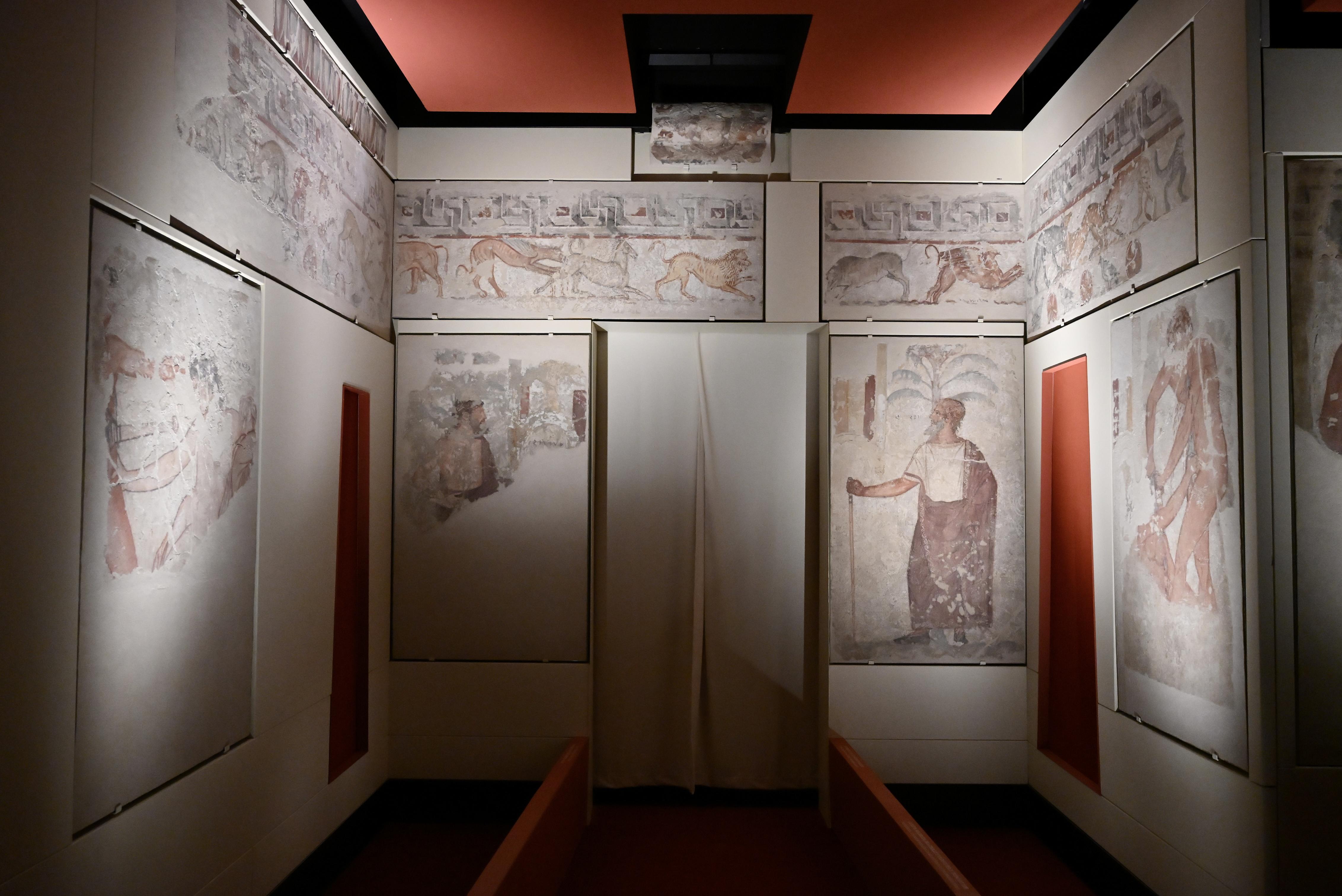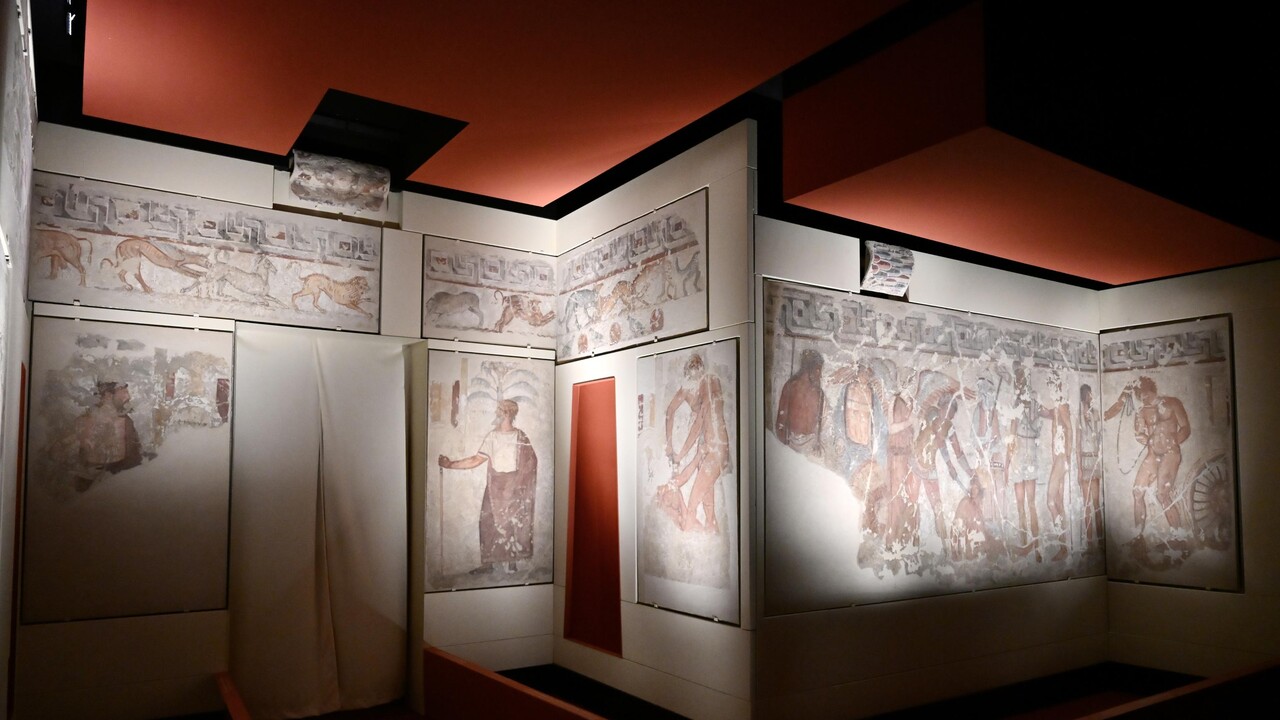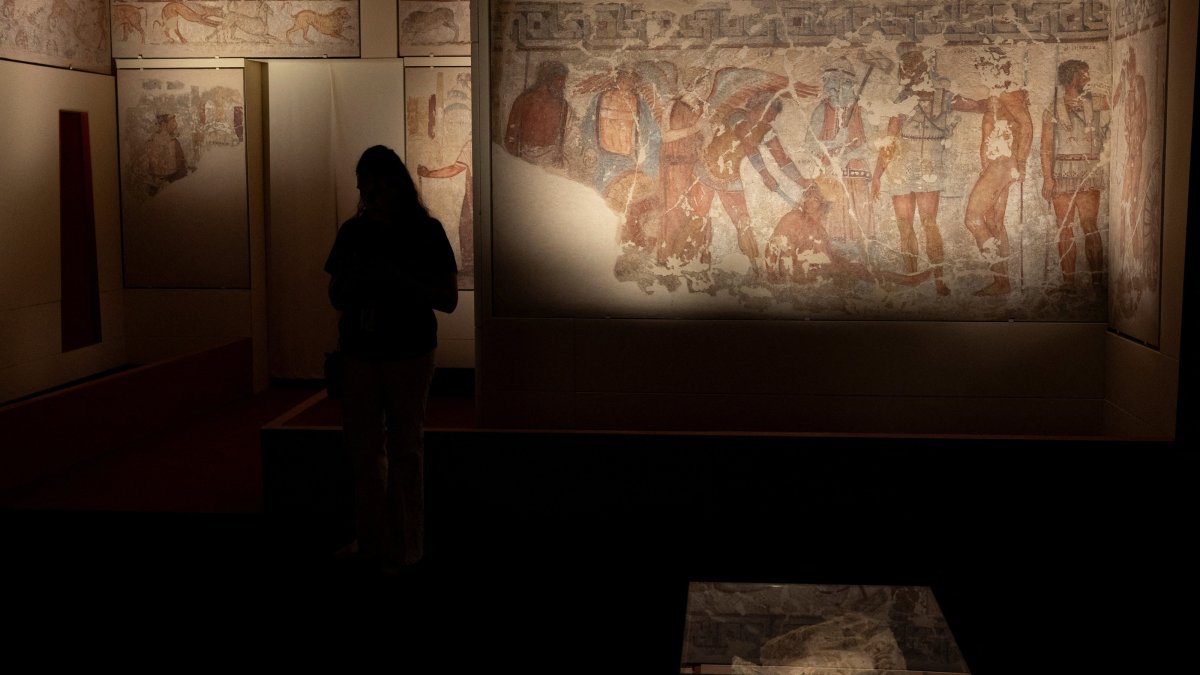
One of the most important surviving pieces of ancient Etruscan artwork went on permanent display at Rome's National Etruscan Museum of Villa Giulia on Tuesday, after the state stepped in to buy the frescoed tomb.
Named after the archaeologist who unearthed it in 1857, the François Tomb was a richly decorated burial chamber in the ancient city of Vulci, a centre of power for the Etruscan civilization, just north of Rome.
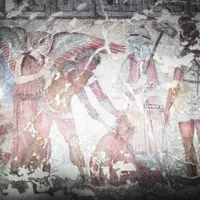
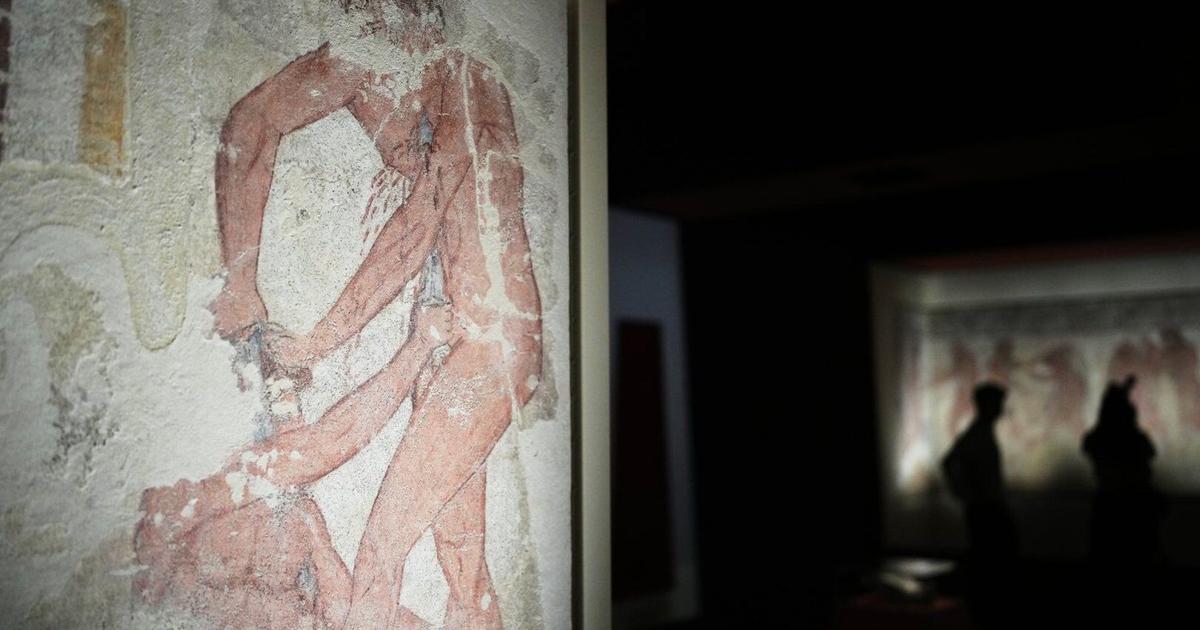
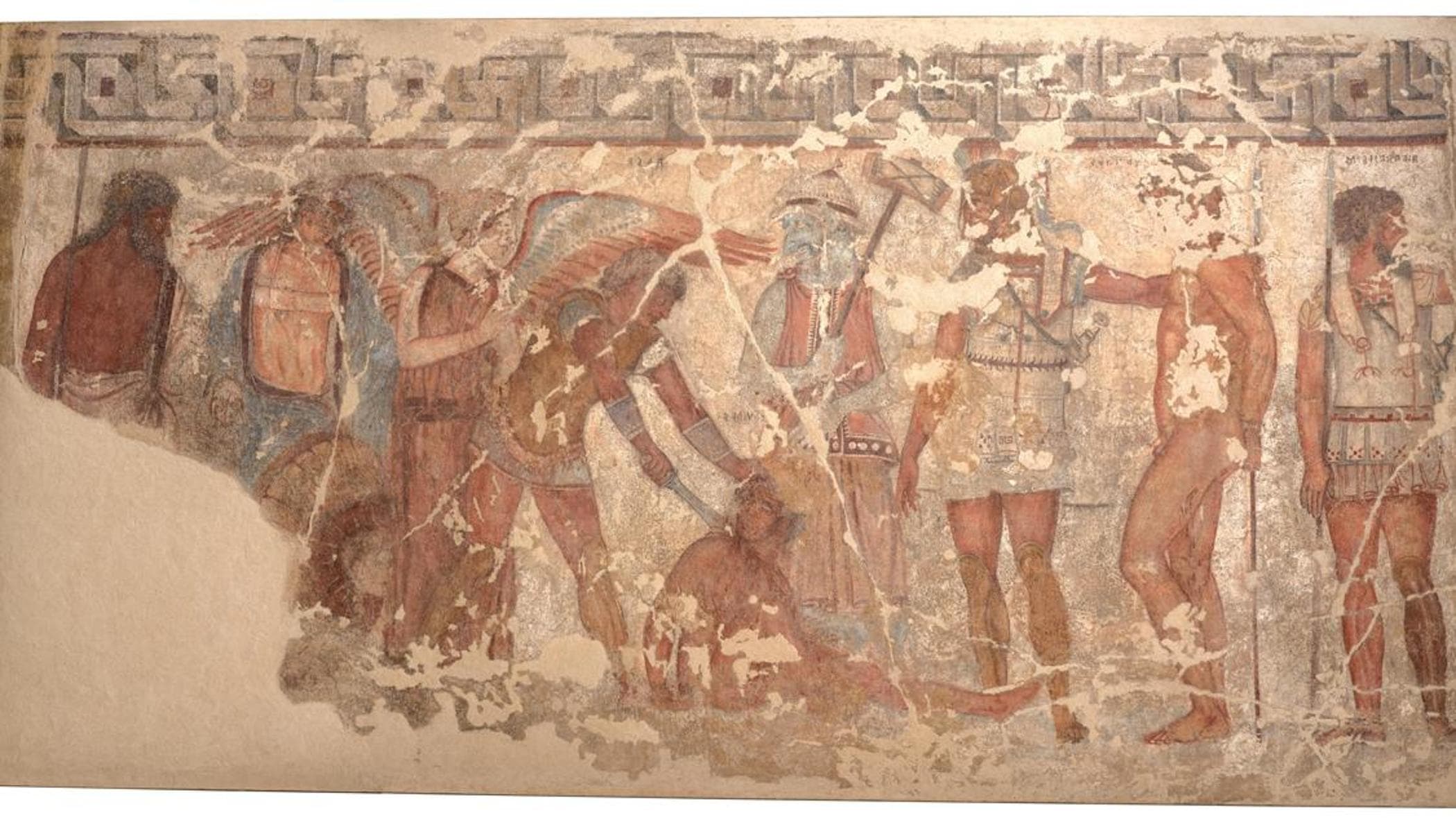
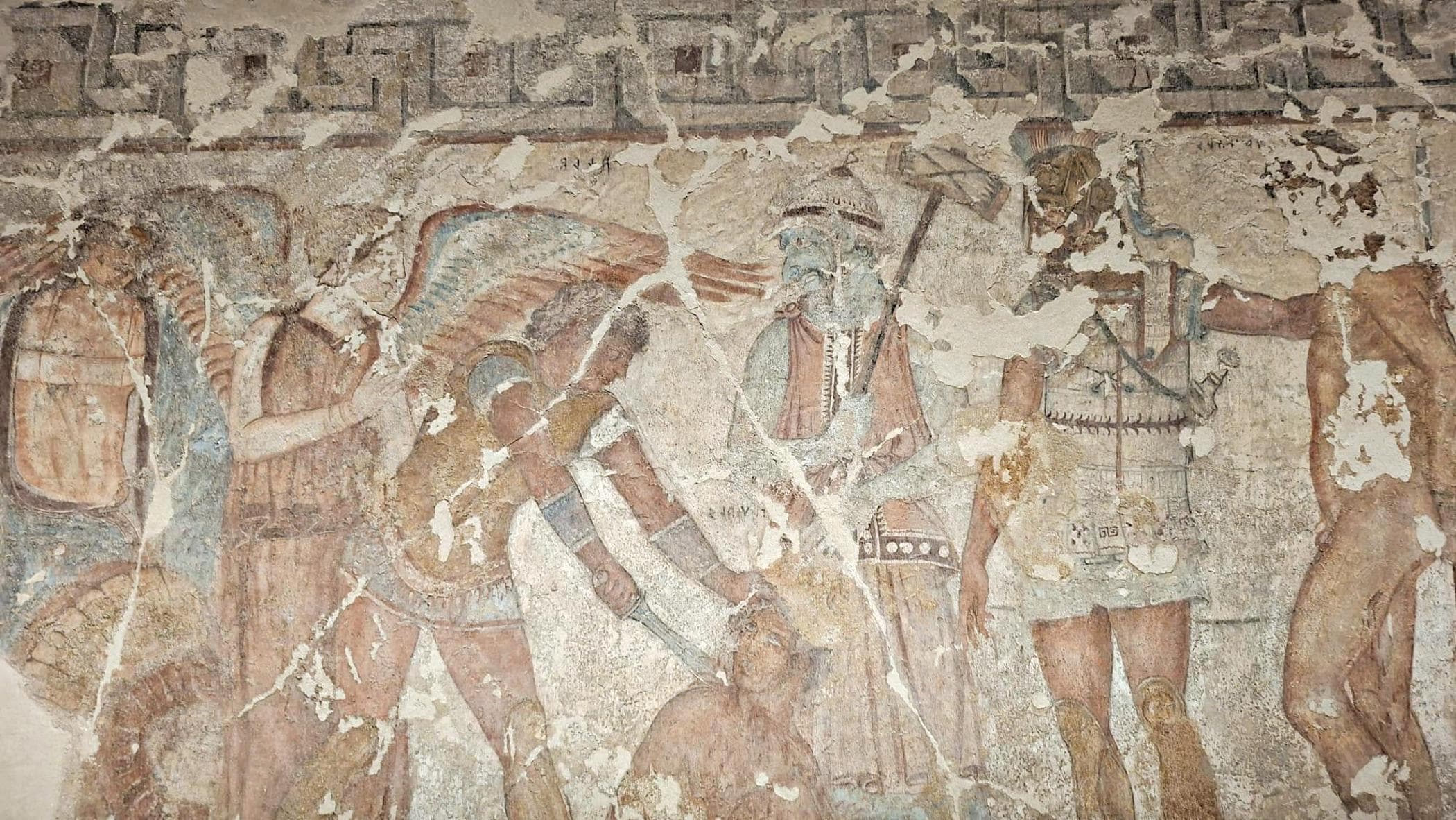
The Italian state spent 15 million euros ($17 million) on a series of celebrated frescoes found in the central hall of the tomb, which were painted between 340 and 320 B.C., combining scenes from Greek mythology with episodes from Etruscan history.
"The François Tomb is one of the great treasures of archaeology, in particular, of Etruscan culture. It tells the story of families, heroes, gods and warriors of the Etruscan time," said Luana Toniolo, head of the Villa Giulia museum.
"What is also very important is that we can see images of the Greek myth that are described by Homer, reinterpreted in an Etruscan way," Toniolo told Reuters.