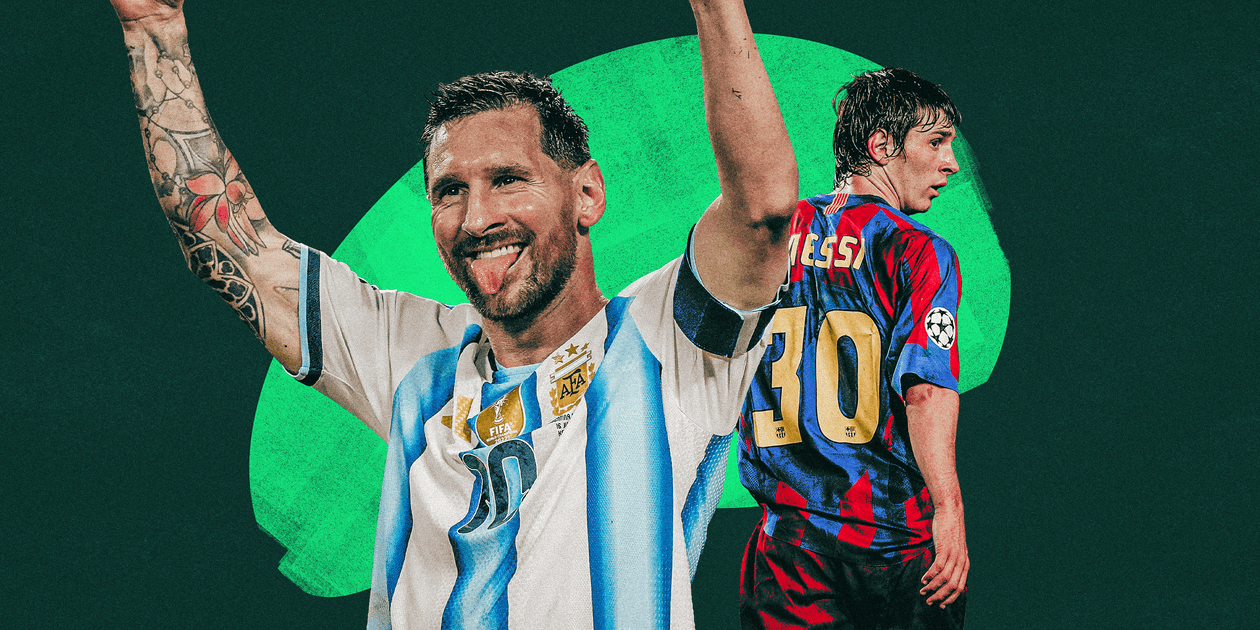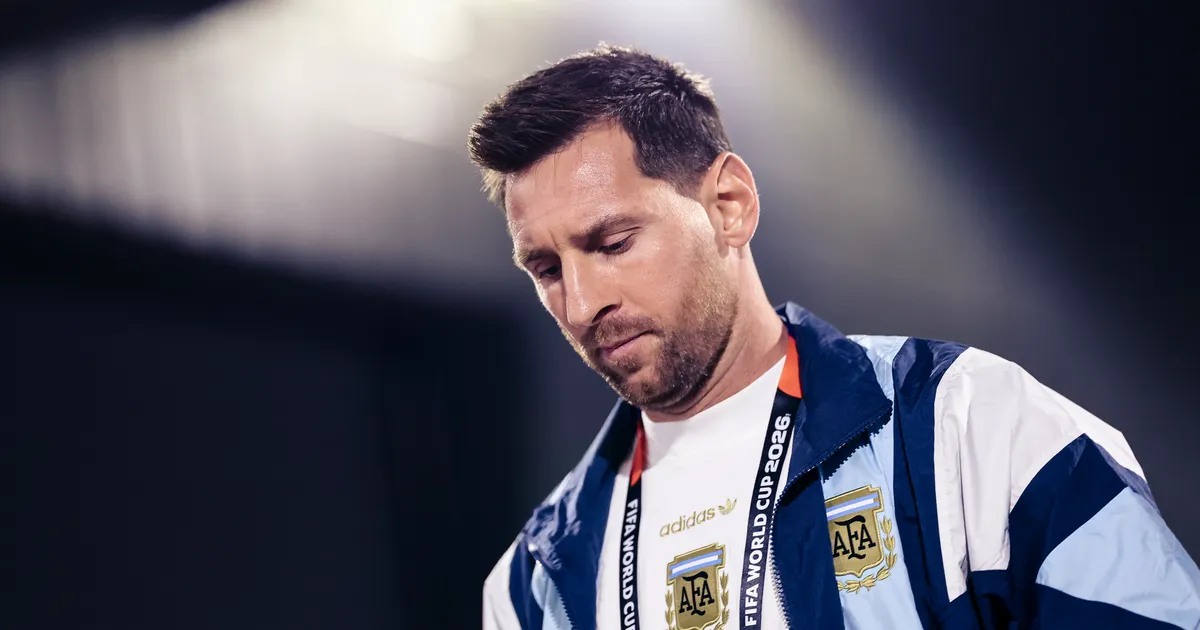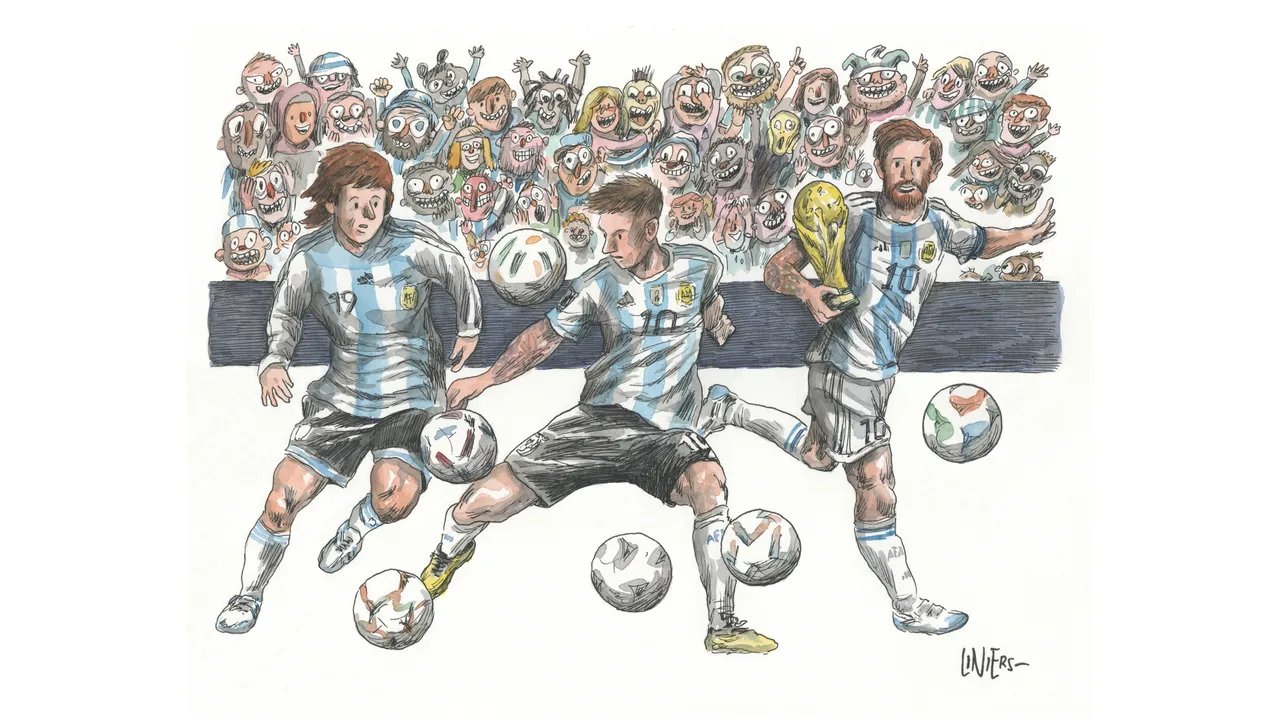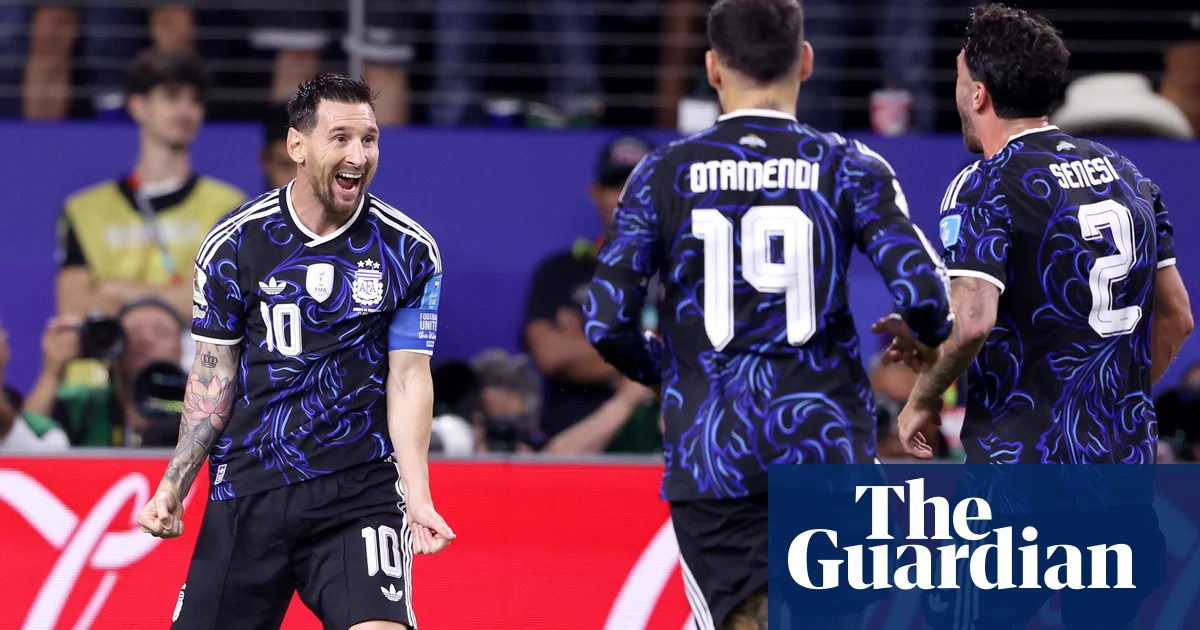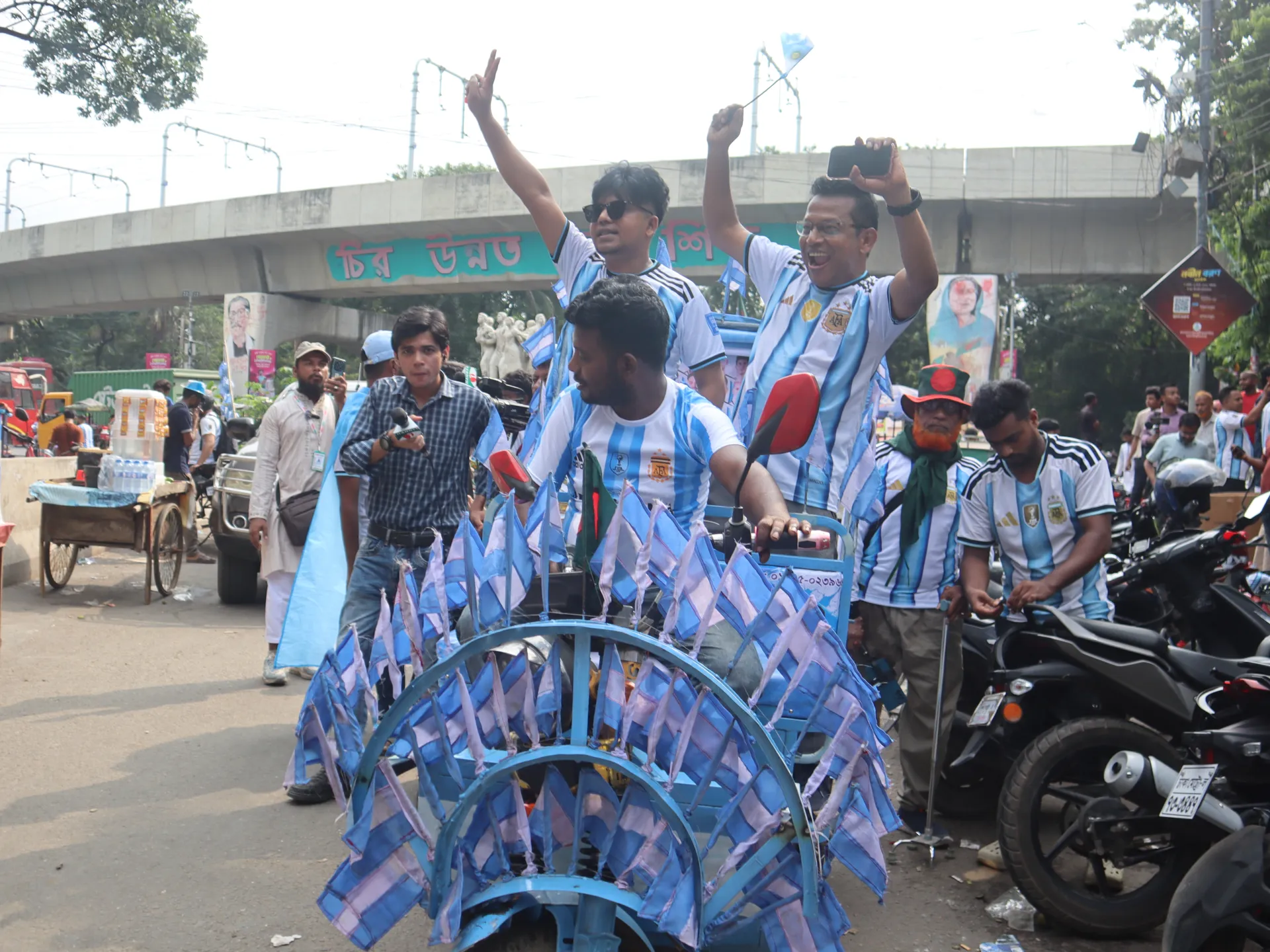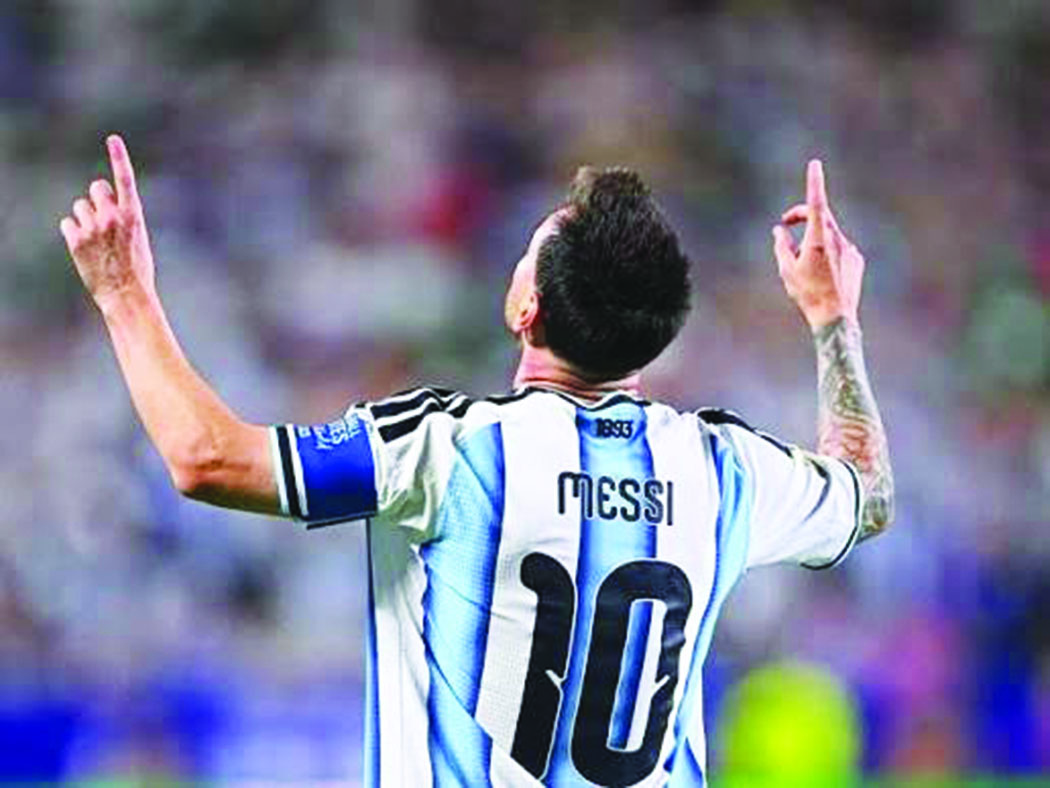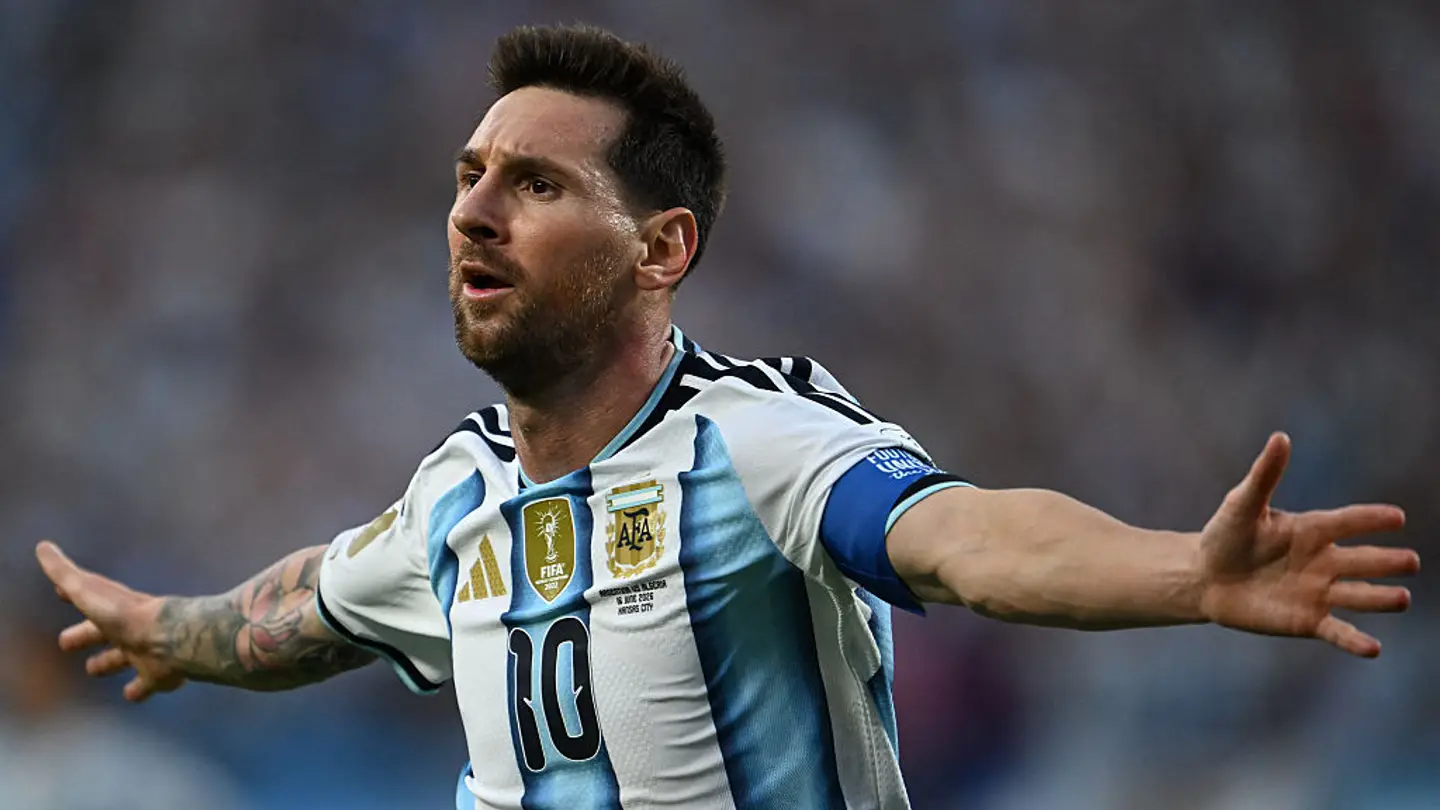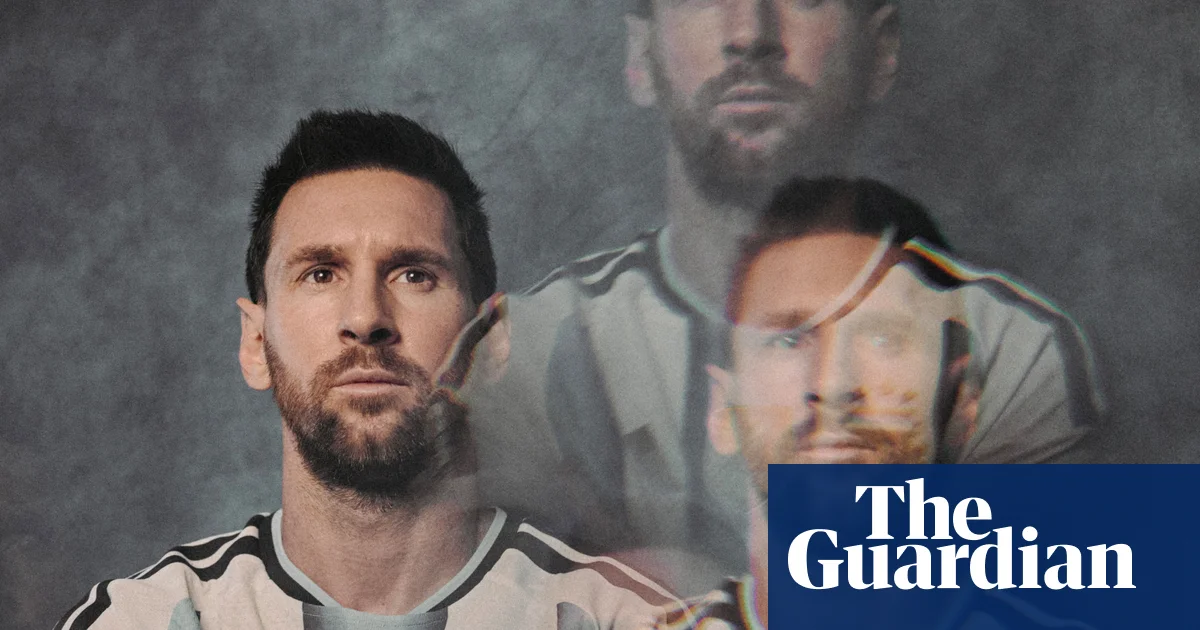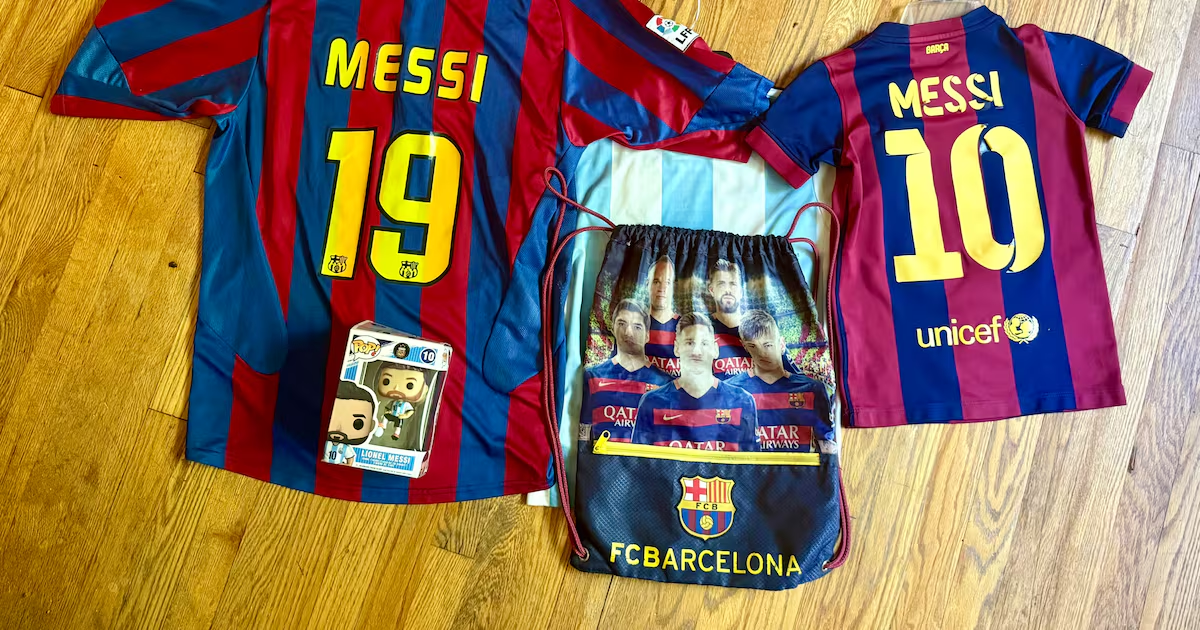
The fading Barcelona shirts hang from a rail in what used to be a toy closet so cavernous my sons and their friends dubbed it “The Black Hole”. The first Blaugrana number came into the house in 2009 when Abe turned nine and discovered Lionel Messi. The yellow lettering on the back is peeling away with age, and my boy is all grown up too. The poor cratur watched one Argentina game in this World Cup on an iPad discretely perched between thigh and desk lest his corporate overlords catch him swinging the lead. How quickly the demands of adulthood impinge upon our childish passions.This collection of jerseys represents our family version of the March of Progress poster, except this traces the evolution of three Hannigan kids rather than the species called homo sapiens. Sizes span from 8-10 to adult. Some of these heirlooms have Messi 10 emblazoned across the back. One has Messi 19.A few have no name or number because their father was too stingy or hard-up to splurge on those expensive accoutrements on the day. None of that matters a jot now. All have attained historic preservation status as precious emblems of good times past. Each relic a sense memory into three different childhoods spent under the spell of the most wondrous footballer there has ever been.Finn is 15 years old, has a Funko Pop figure of the Argentinian captain on a shelf by his bed and does not know a world without Messi bestriding it. Charlie will turn 20 soon and is similarly ignorant that there was ever a time before the first footballer he loved and wanted to mimic. What a blessed generation to grow up in an era when imbibing his mesmeric highlight reels was as much a part of their quotidian ritual as having breakfast. A glorious age when the magnificent became routine, his face adorned their backpacks, and the word was made flesh and dwelt among us.The fortunes of Argentina are of interest to millions who have never there, and that is part of Lionel Messi's greatness. Photograph: Charlotte Wilson/Getty Images “One of the last chances to see the genius on the world stage,” read the WhatsApp from my older brother moments before Argentina against Austria.No further elaboration required. When Messi plays at a World Cup, texts come in from across the planet. My sibling in Cork. My buddy in Dublin. My nephew in Paris. My eldest in New Jersey. Wherever we are, everybody knows what everybody else is doing at that given moment. Continents may divide us, but his greatness is an enduring sporting bond, bridging oceans, obliterating time zones. They say men have trouble expressing their feelings. Yet we all speak fluent Messi, communicating and catching up in the Esperanto of modern maleness. Every pithy comment about his prowess doubling as an impromptu welfare check.For so many World Cups now, we have all cared way more than we should about the fortunes of a South American nation we have never visited. We are not alone. His shirts are worn from ghetto to gated community, by everyone from children who weren’t alive when he lit up Camp Nou to middle-aged apostates who once swore fealty to Diego Maradona as the one true deity. Even in this most troubled and divided America, the Inter Miami, Albiceleste and Barça tops on the streets this past month are a reminder we still do have certain things in common. Adoration of a diminutive genius who makes all our pulses quicken remains universal.In our house we are fully paid-up devotees of the cult of Messi because, thanks to the wonders of modern technology, we have been able to watch just about every minute of every serious game he’s ever played. Such a communal privilege. From Copa del Reys to Copa Americas and all points in between, live and in our livingroom.Few things are as uplifting as seeing Lionel Messi in full flow. Photograph: Reuters I have repeatedly explained to my sons how we survived on televisual scraps when it came to savouring Maradona in his pomp. To them so many of their childhood Sundays meant Mass at St James in the morning and Messi in La Liga in the afternoon. God moves in mysterious ways. Usually jinking first left then right with the ball at his feet.Three-and-a-half years have passed since Messi won the last World Cup. That unforgettable Sunday morning at the tail end of 2022, our annus horribilis as a family. With my boys a week out from their first dreaded Christmas without their late mother, we sat and watched the final. His last great chance became equal parts vigil and penance. Argentina’s fortunes ebbed and flowed, as they had all through the tournament. From the opening defeat to Saudi Arabia, we had suffered every sling and arrow. Each plot twist in the melodrama made us increasingly invested in the outcome and, unwittingly, started to rouse us from our own inevitable torpor.When Gonzalo Montiel scored the winning penalty, we screamed and shouted, leaping and bucking around the place, hugging like we had won something. And we kind of did. This was the same room where we had shed so many tears together the previous April. The same room where we had often sat shrouded in gloom, navigating the roadmap of our despair, fumbling through the stages of grief. Messi didn’t lift the pall of clouds hanging over our lives and our house that December day, but he parted them and let some light shine in.Because he is Messi. And he is ours forever.
Dave Hannigan: Lionel Messi’s greatness connects us in joy, from Cork to New Jersey
They say men have trouble expressing their feelings. Yet we all speak fluent Messi
929 words~4 min read