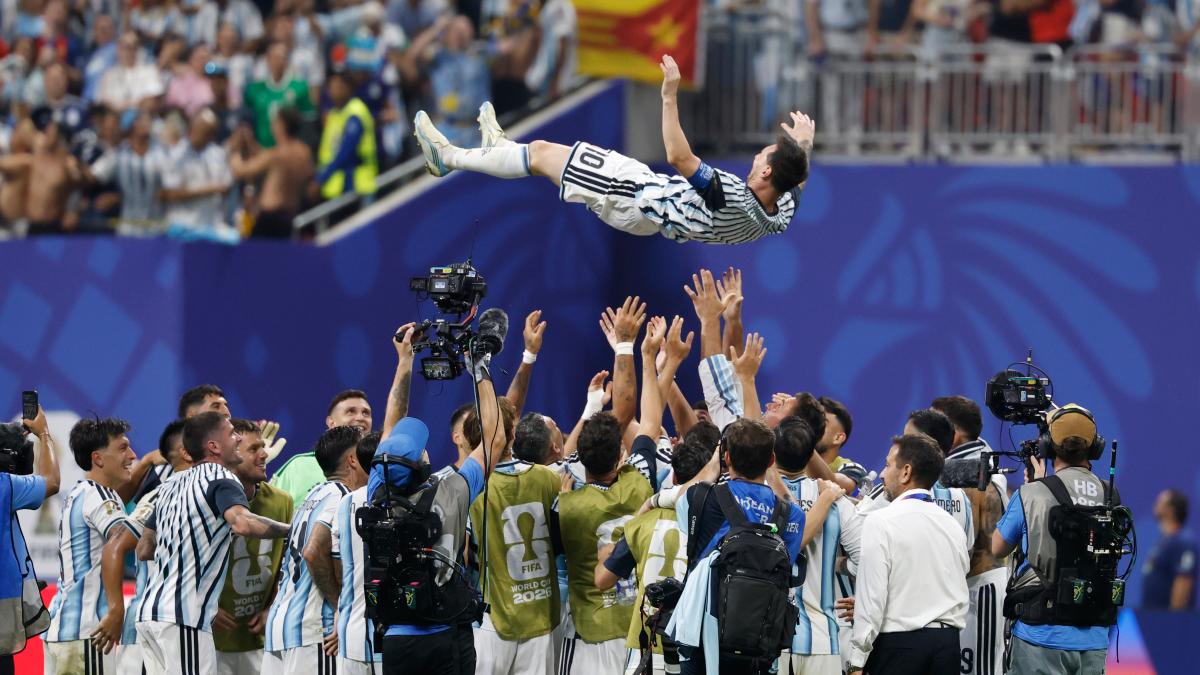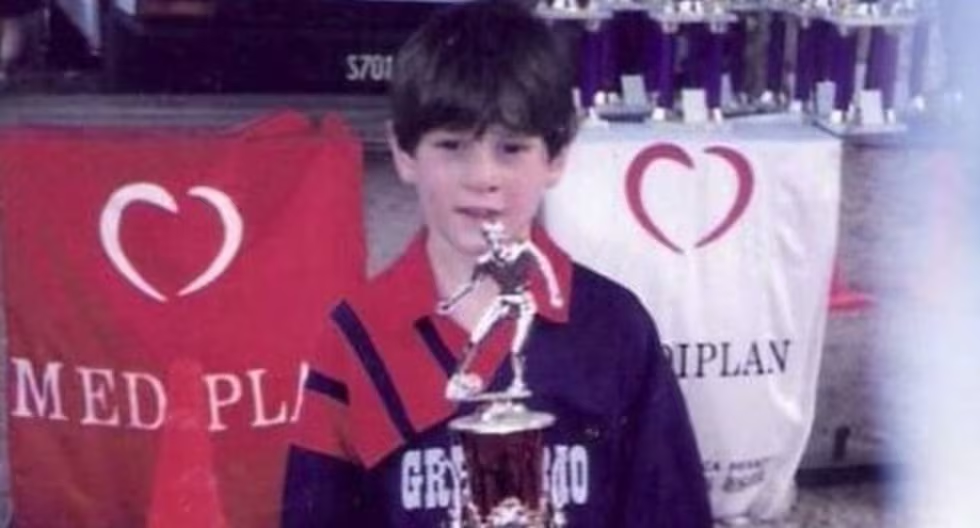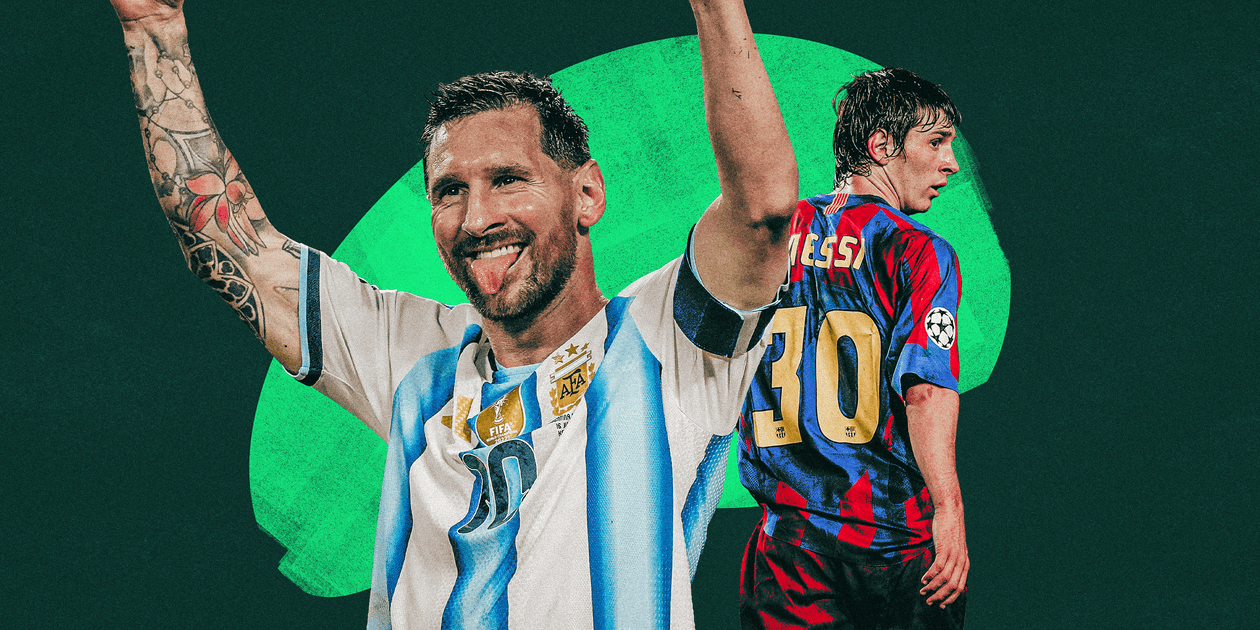
Victor Vazquez is a former professional footballer from Spain, an MLS Cup champion with Toronto FC in 2017, who came through Barcelona’s academy alongside Lionel Messi. When I was 13, Barcelona were not used to recruiting kids from abroad. Then, out of the blue, a kid from Argentina arrived at La Masia.It was the autumn of 2000 when coaching staff introduced him to us before a training session and said he would come on trial. On that first day, our manager for the Infantil B team (under-13 level), Rodolfo Borrell, tried to give him a proper test. Borrell called on the team’s most intelligent player. “Cesc (Fabregas), you are defending the new kid in the next training drill,” he said. It was an exercise to practise attacking transitions, ending with a forward taking on a defender in a one-vs-one situation. Fabregas was the on-pitch mastermind of our 1987-born generation at La Masia, one of our best players (and one who went on to star for Arsenal, Spain and Barcelona).Get free access to the most comprehensive World Cup coverage in The Athletic appBut let me tell you, Fabregas was helpless. That Argentine guy tore him to pieces in each of the three one-vs-ones they had. This was the first ‘Wow’ moment I recall. That day, I told myself: “OK, I am playing with a kid named Lionel Messi, and I am not going to forget that name anytime soon.”The following day, Borrell made us go through the same training drill, but this time selected our best defender. “Gerard (Pique, who would start the finals as Spain won the 2010 World Cup and Euro 2012), you mark him today, and please make sure he does not have an easy job. Do whatever you need to,” he said. It was more of the same — the way Messi drove the ball forward, glued to his feet, and managed to produce that final flick as the defender tried to tackle him. It is standard practice for him now, but that was also true at 13. Messi playing for the Barcelona first team alongside Fabregas (far left) and Pique (second right) (Josep Lago/AFP via Getty Images)Messi was transformed on a football pitch. Off it, he was incredibly shy. He barely socialised when he arrived, changed in a corner of the dressing room and did not waste words.That week on trial turned into a permanent move very quickly, but he had a rocky start to life in Barcelona. For five months, he was not allowed to play competitive games due to paperwork issues, so he could only train with us or appear in friendlies. On March 7, 2001, Messi finally made his debut in a league match against Catalan side Amposta. He came off the bench and scored. The following week, he played a friendly with the age group above us at Barca, but there was an unfortunate plot twist. After a clash with an opponent, Messi broke his leg; a fibula fracture in his left leg. It was a huge blow for him. We did not see him in Barcelona for a while after that — he went back to Argentina for some time. The club told us he would miss the remainder of the season and that they preferred Messi to go back home. We wondered if he’d even return, and what the effects of such an injury at a young age might be.An outsider might argue he was in the best football academy in the world, playing for a club who facilitated a home for his family and gave him a great education. But you can’t even imagine what it is like for a 13-year-old kid, with an introverted character, to leave his home behind with his dad and go to the other side of the world searching for a dream. He did not know anyone. When he arrived, he was not allowed to play football because of those bureaucratic problems. When those were solved, he broke his leg. When he came back from Argentina, he had to fight to adapt to a new culture, make new friends and find ways to be happy.
‘Lionel Messi never had it easy. By 15, he’d broken his leg and needed daily hormone injections’
Victor Vazquez met Messi when they were 13 at Barcelona. They were great friends and would share music and travel on the bus together
2,072 words~9 min read