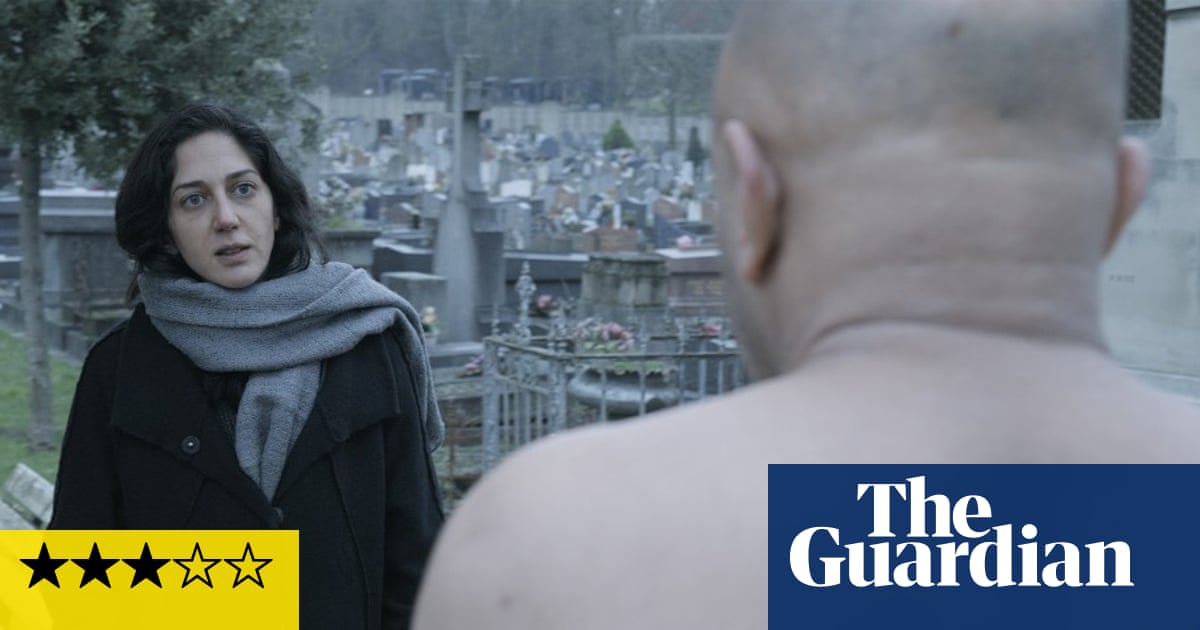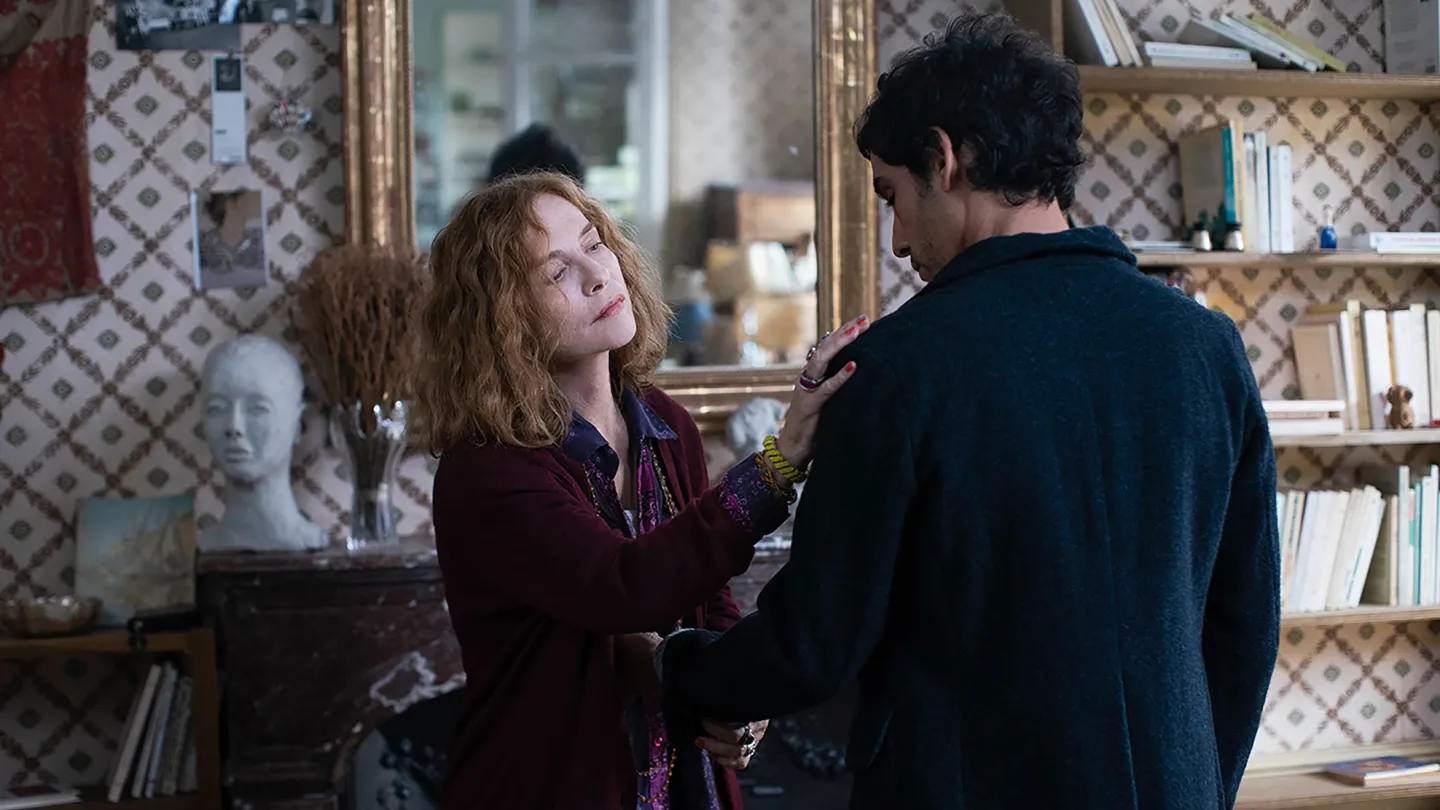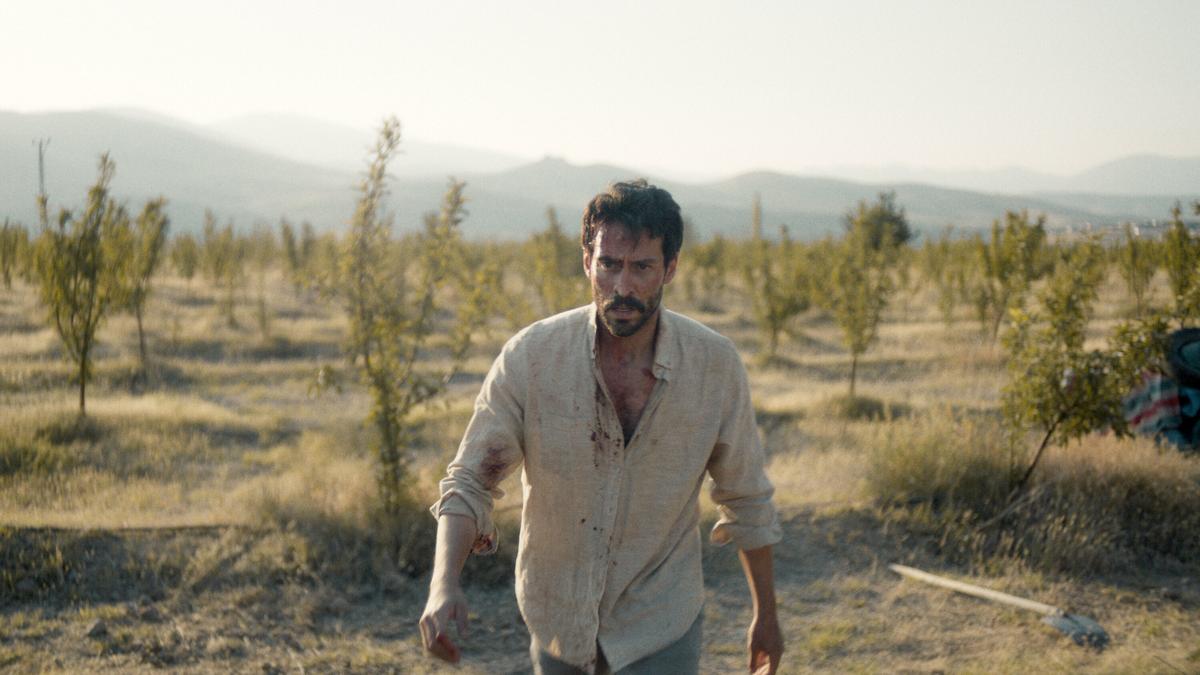
A still from ‘The Things You Kill’
| Photo Credit: Bir Film
Having spent much of his filmmaking career navigating the practical and ideological constraints of state censorship, Iranian writer-director Alireza Khatami has developed an elastic relationship with geography. His previous features — Oblivion Verses, produced in Chile and spoken in Spanish, and Terrestrial Verses, co-directed with Ali Asgari inside Iran — had already exposed national borders as institutions far better at policing artists than restricting the ideas those artists smuggle across. His latest work, The Things You Kill, extends that philosophy by transplanting a script originally written in Farsi into an unnamed Turkish city after Iranian censorship made its original setting untenable. But the relocation feels more than a mere cosmetic disguise because Khatami has built the film around the very instability of translation and identity, making the history of its production inextricable from the drama unfolding on screen.That film follows Ali Özdilek (Ekin Koç), a university lecturer who teaches translation studies while failing every performance of masculinity his social environment expects him to embody. His temporary academic contract faces cancellation, his fertility tests reveal an alarmingly low sperm count that he hides from his veterinarian wife Hazar (Hazar Ergüçlü), and his return from fourteen years in the United States has left him stranded inside a homeland that no longer feels capable of accommodating the version of himself that developed abroad. Ali’s fractured identity accumulates through mundane humiliations that slowly expose the machinery of patriarchal expectations.The Things You Kill (Turkish)Director: Alireza KhatamiCast: Ekin Koç, Erkan Kolçak Köstendil, Hazar Ergüçlü, Ercan KesalRuntime: 114 minutesStoryline: Haunted by the suspicious death of his ailing mother, a university professor coerces his enigmatic gardener to execute a cold-blooded act of vengeanceThe screenplay patiently constructs that machinery before introducing a destabilising rupture. Ali worries about his partially paralysed mother, suspecting his father Hamit (Ercan Kesal) has continued years of domestic abuse, and retreats regularly to an isolated garden whose failing irrigation system feels inseparable from his own infertility. When his mother dies under questionable circumstances, and a wandering labourer named Reza (Erkan Kolçak Köstendil) appears seeking work, Khatami gradually transforms this seeming family tragedy into something far stranger, with the blossoming relationship between these two men absorbing questions of desire, repression and inherited violence.From here on out, the film soon begins speaking fluent Kiarostami, with frequent odes to David Lynch, often even inheriting Dostoevsky’s fascination with guilt as a self-generating force. Yet, Khatami wears none of these influences as cinephile credentialism, since every surreal, psychological rupture through his formal choices remains tethered to Ali’s steadily disintegrating consciousness.