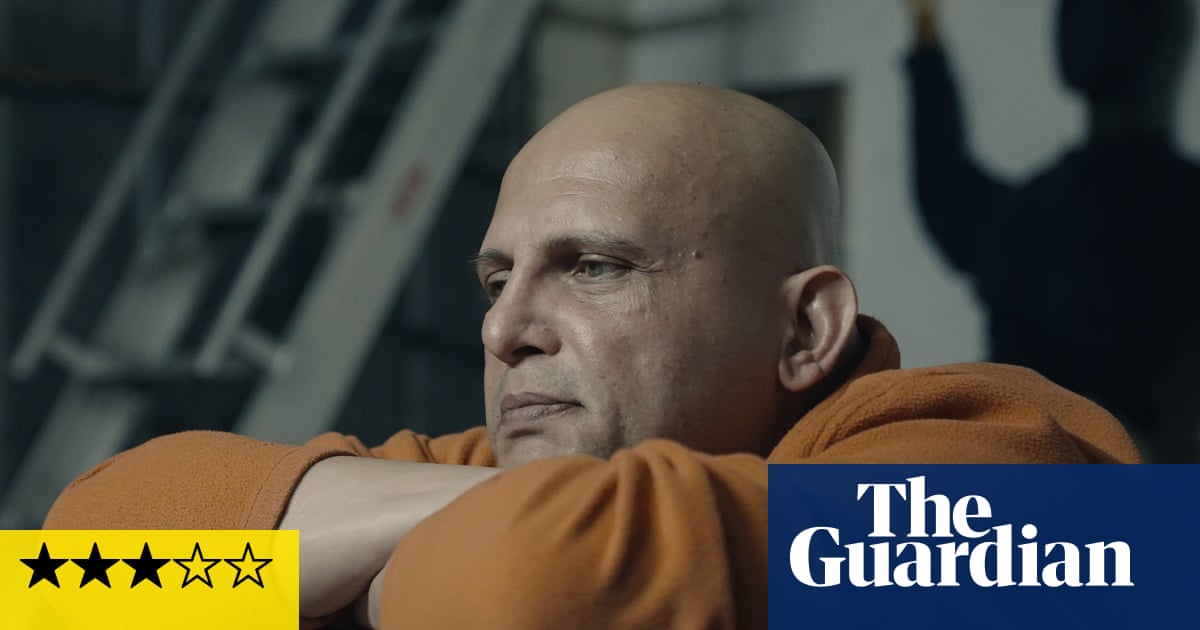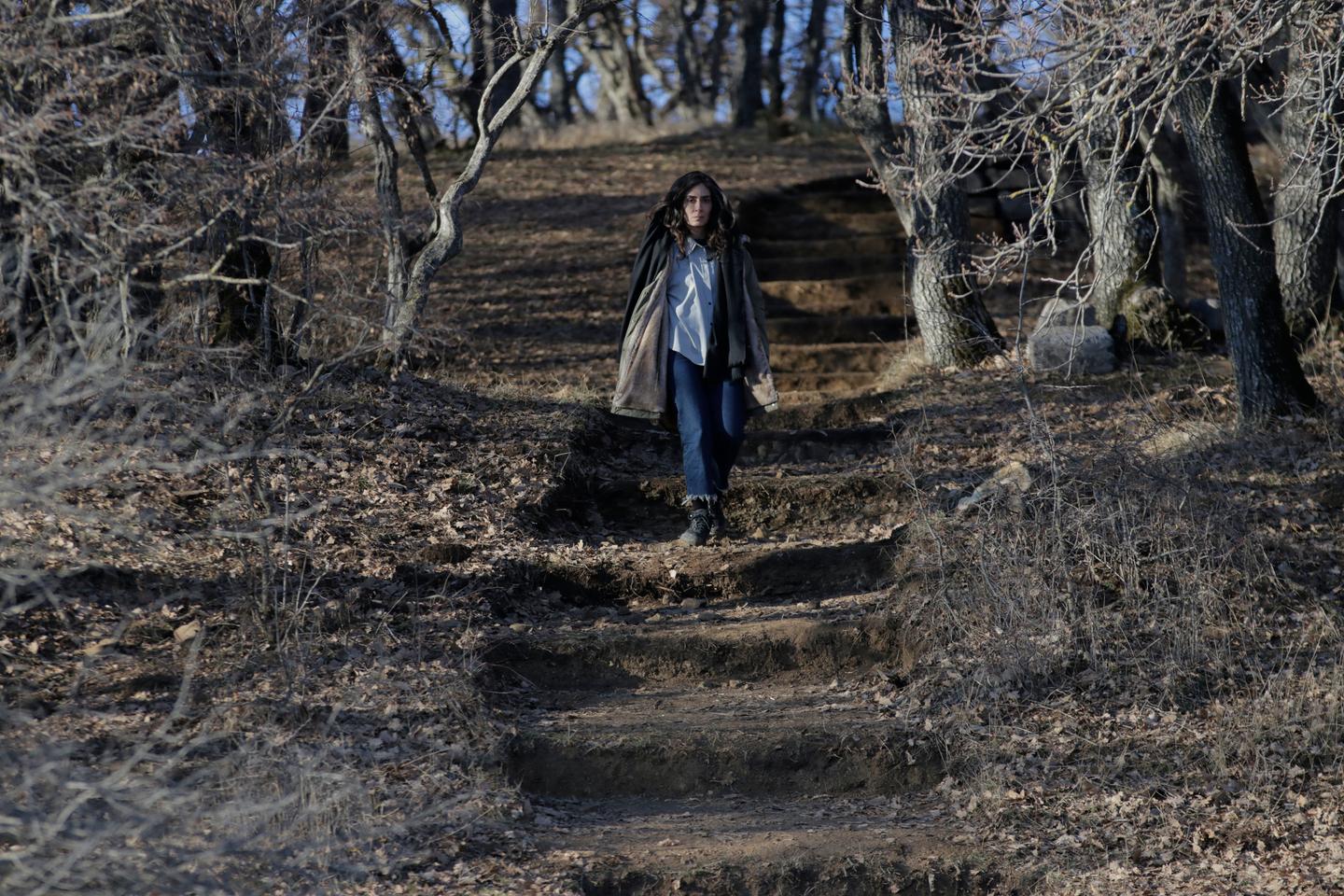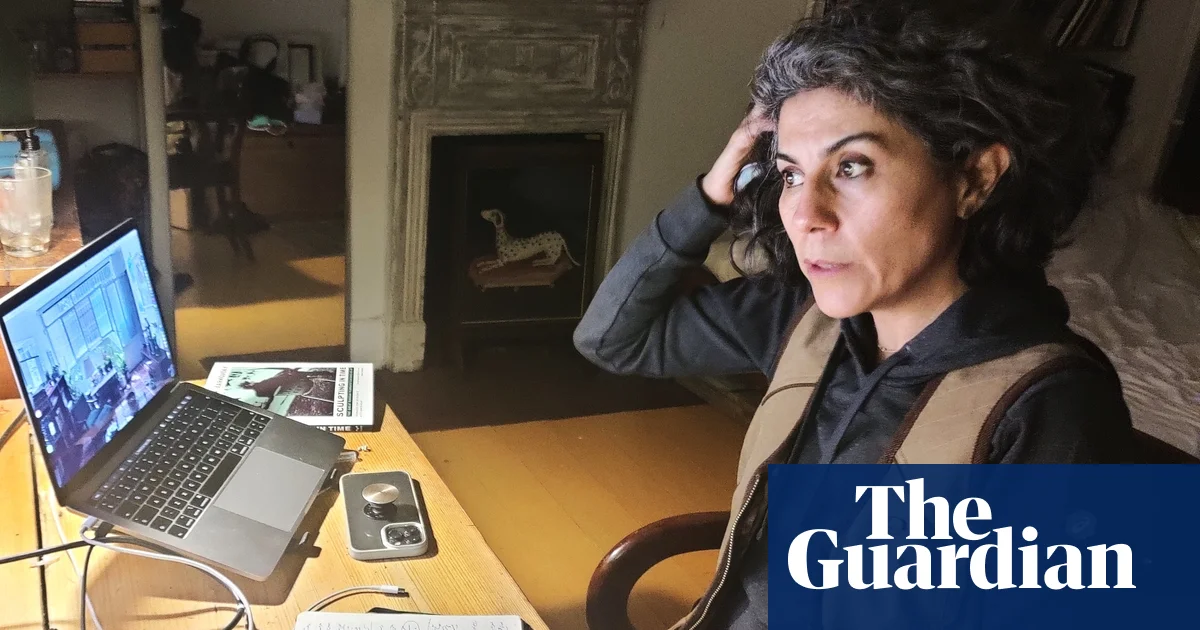
Mehran Tamadon’s film about autocracy in Iran could have revealed more about methods of control, despite a star turn from Zar Amir Ebrahimi
F
ilm-maker Mehran Tamadon is preoccupied with the question of conscience, especially in contexts of extreme power imbalance. An Iranian exiled in France, he has made documentaries about the most fervent supporters of the Islamic regime, starting with Bassidji in 2009.
In 2012, Tamadon was detained by Iranian authorities for hours of questioning, and though he was subsequently released, he became persona non grata in his home country. Now the director has turned to the tools of film-making to try to lay out a path for a return. He gathered a group of fellow exiles, with whom he re-created the lengthy interrogation sessions they once endured. His hope was that that final film would stir introspection, and even empathy, in the hearts of their former tormenters.
This idea was, in truth, a naive one – as is his directorial approach. In the beginning, we see Iranian refugees take turns cross-examining Tamadon in various abandoned buildings in Paris. These role-playing scenarios, however, pale in comparison to the testimony of exiles, who speak of harrowing abduction and torture that unfolded over months, if not years. In contrast, there are no real stakes to the reenactment, which wraps up in a matter of hours.