Empowering for some, deeply traumatic for others, the former detainees in Mehran Tamadon’s documentary paint a harrowing picture of systematic maltreatment
M
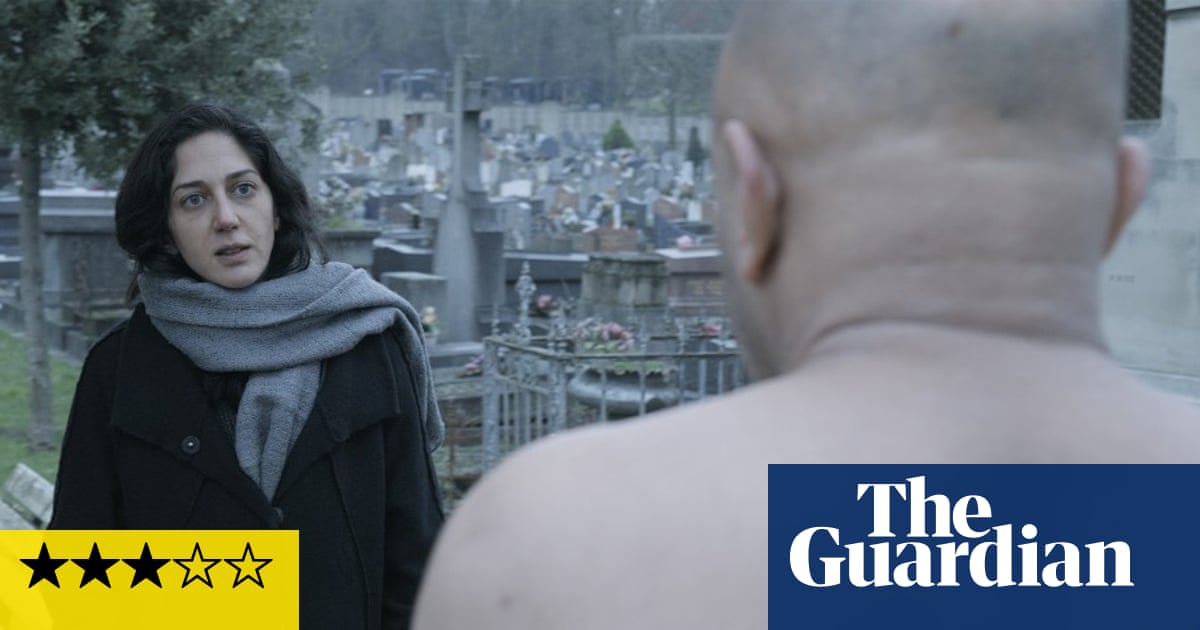
ehran Tamadon’s probing film operates a kind of dialogue with his related documentary My Worst Enemy, as it creates sequences in which victims of abuse by the Iranian secret police re-enact their ordeal. In this one, the title is taken from the brutal words sprung upon a prisoner by their jailer who declares that, within the forbidding walls of the prison, God simply does not exist. As Tamadon’s interview subjects reconstruct their cells in various warehouses in Paris, their testimony lays bare how terrifyingly true that statement is.
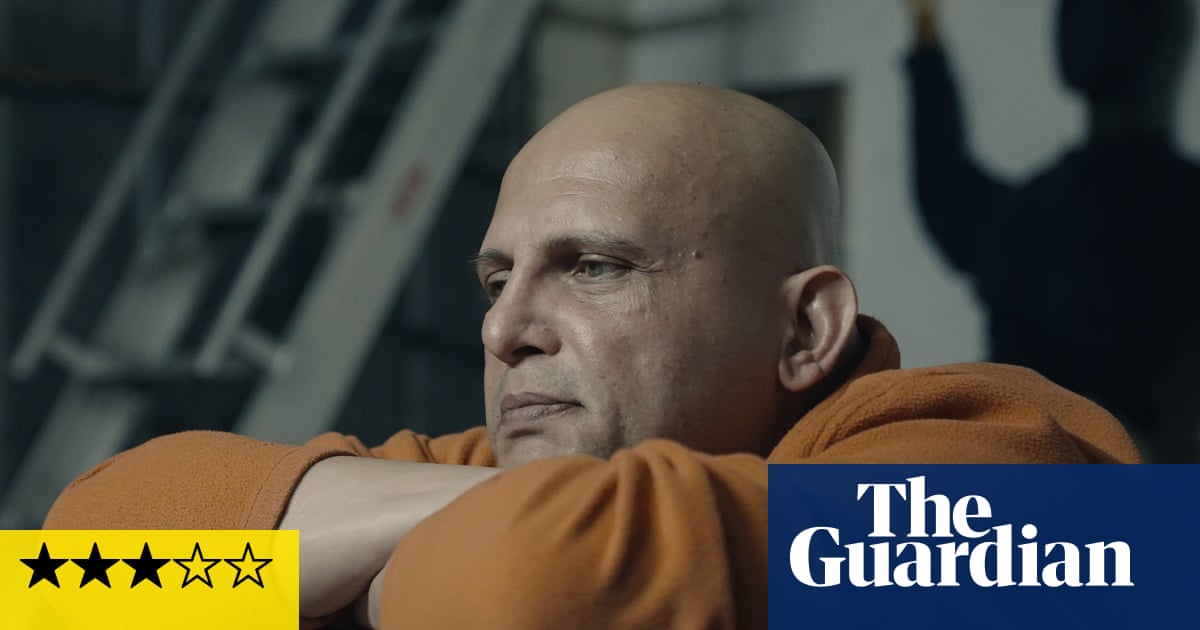
Once an entrepreneur dealing in video equipment for major Iranian news stations, Mazyar Ebrahimi was falsely accused of espionage and assassination. With extraordinary calm, he demonstrates the various methods of torture inflicted on his body, with Tamadon role-playing the part of the detainee. In a pivotal scene, Ebrahimi gets to reclaim his narrative and briefly steps behind the camera, as Tamadon recreates a news broadcast where Ebrahimi was forced to confess to baseless charges of murder.
For others, however, this process of reliving the past reawakens dormant traumas – and reveals the limitations of such a practice. Homa Kalhori, an author who endured years of confinement, breaks into tears just from hearing the sounds of coffins being welded, a psychological intimidation tactic once used by her captors. It is genuinely harrowing to see how her distress initially escapes Tamadon’s notice, all while being captured by the camera.