The Other Norwegian
Damion Searls
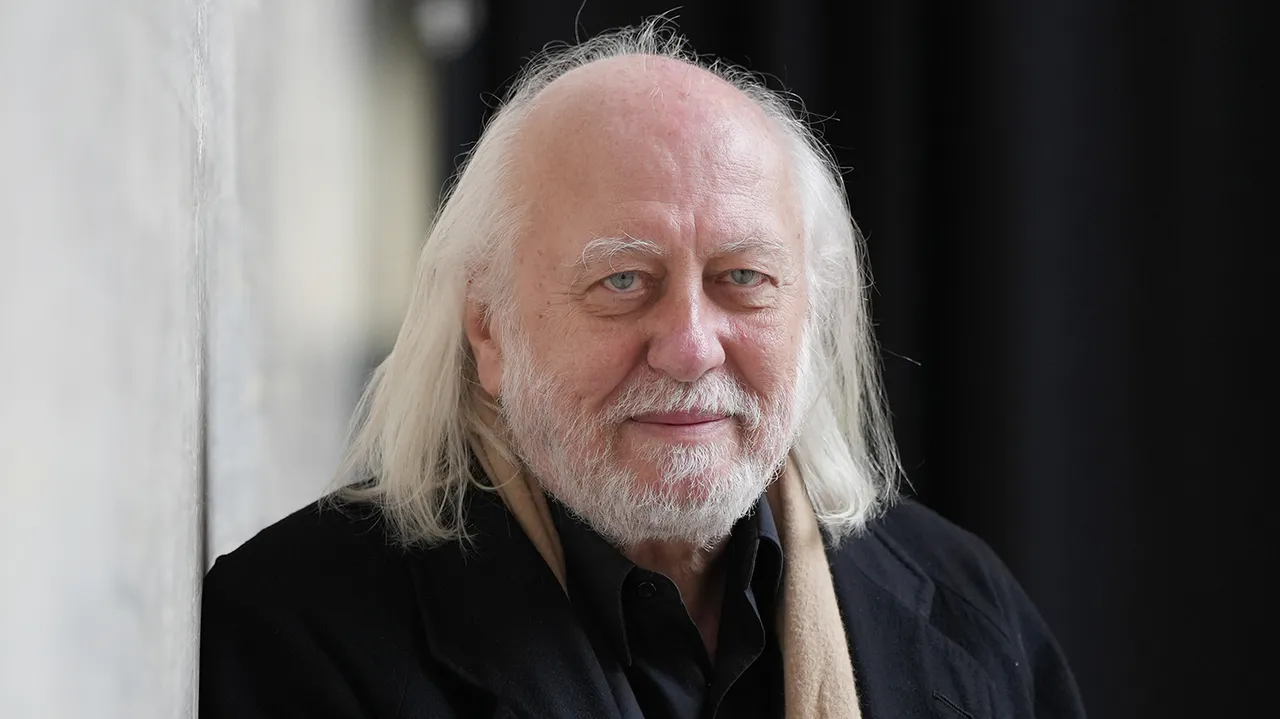
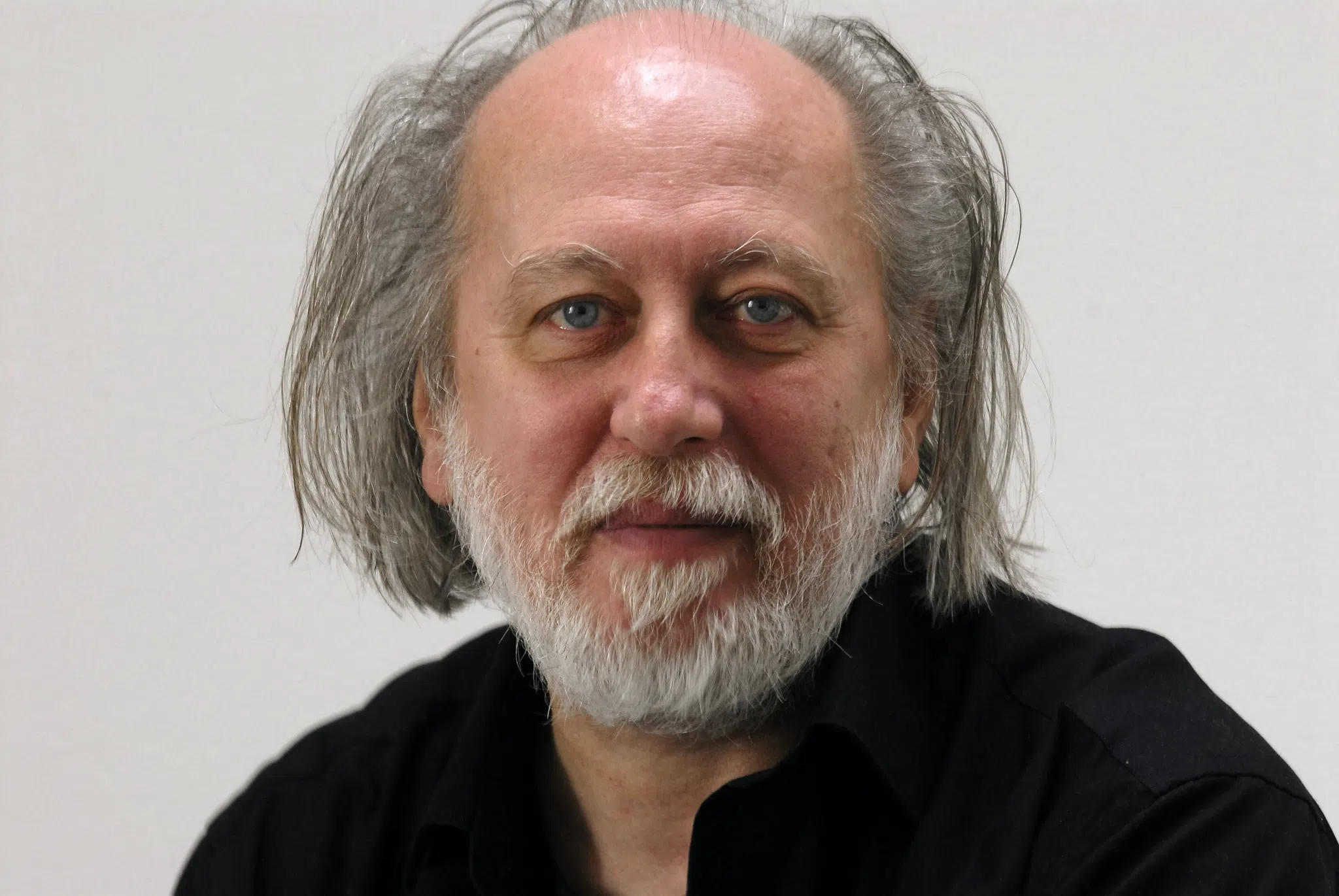
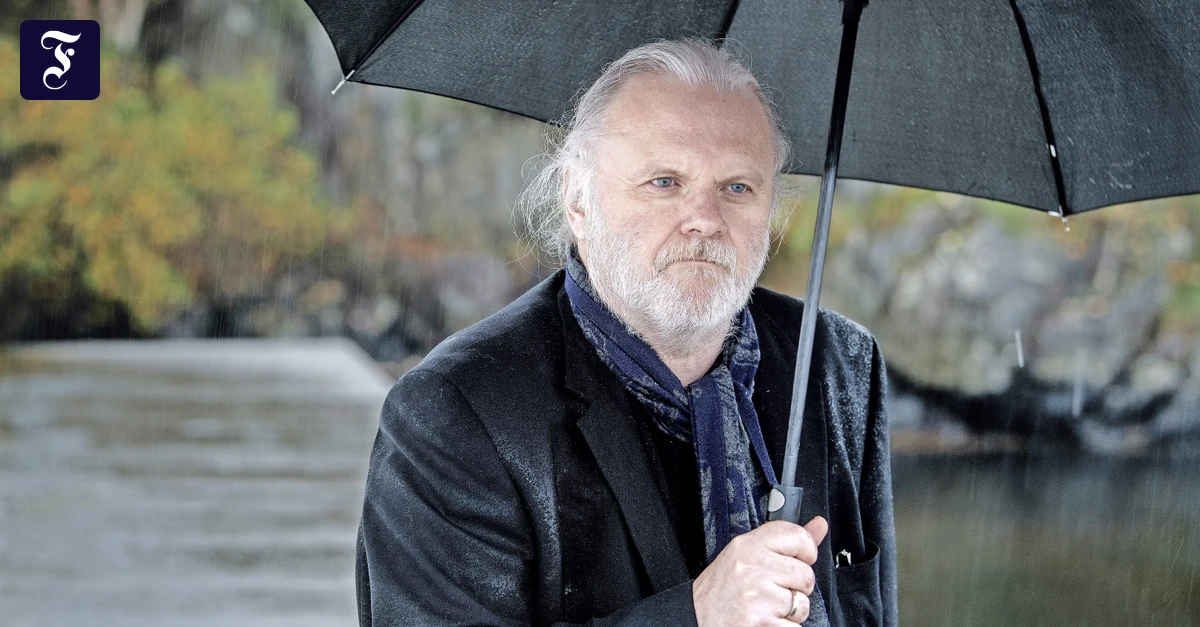
Jon Fosse, whose work I’ve been translating for twenty-five years now, is not only a writer – he is a language activist. He writes in Nynorsk, the so-called minority Norwegian language, and has championed Nynorsk his whole career. He was involved in founding the second National Theater of Norway, which performs plays in Nynorsk, including his own, and he has also translated modern classics into Nynorsk – his version of James Joyce’s ‘The Dead’ is advertised as ‘the first translation of Joyce into Nynorsk’, who up until then had only been translated into the majority Norwegian language, Bokmål. When Fosse won the Nobel Prize for Literature in 2023, he was often described in the press as a writer of a ‘minority language’, but just what that meant was often obscure to anyone outside of Norway.
There are typical minority languages in Norway, spoken by the indigenous Sámi and harshly suppressed in Norway since the 1850s though recognized now, or else spoken by immigrants – all mutually unintelligible with Norwegian – but Nynorsk is not that kind of minority language. Nynorsk and Bokmål are both ‘Norwegian’. They are used by roughly 10–15 and 80–85 percent of Norwegian speakers, respectively. They are spelled slightly differently but are mutually intelligible, with almost identical grammar and vocabulary. The case of Norway is unlike that of multilingual countries with actually different languages: Belgium’s French and Dutch, Canada’s English and French, India’s twenty-two officially recognized languages. A good analogy to Bokmål and Nynorsk might be Northern and Southern US English, if Southlish had an official spelling system, dictionary, academy, and language activists. But it doesn’t, which is why Americans speak with Northern or Southern ‘accents’. So what is a minority language that is nearly the same as the majority language? What is Nynorsk?