In his highly entertaining history of alcohol and the British, Empire of Booze, Henry Jeffreys observed how one effect of the Napoleonic Wars was to make Scotland a popular destination for English holiday makers. What with the continent being isolated and everything, there weren’t many more exotic places for the richer, more adventurous traveller to visit.
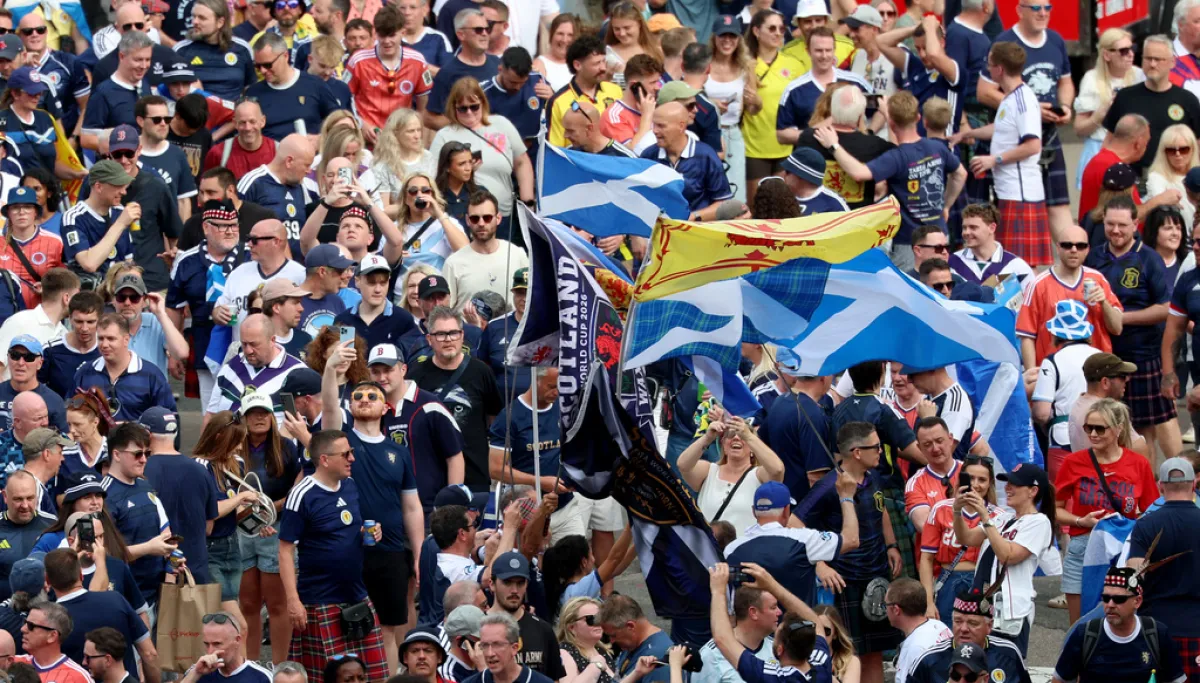
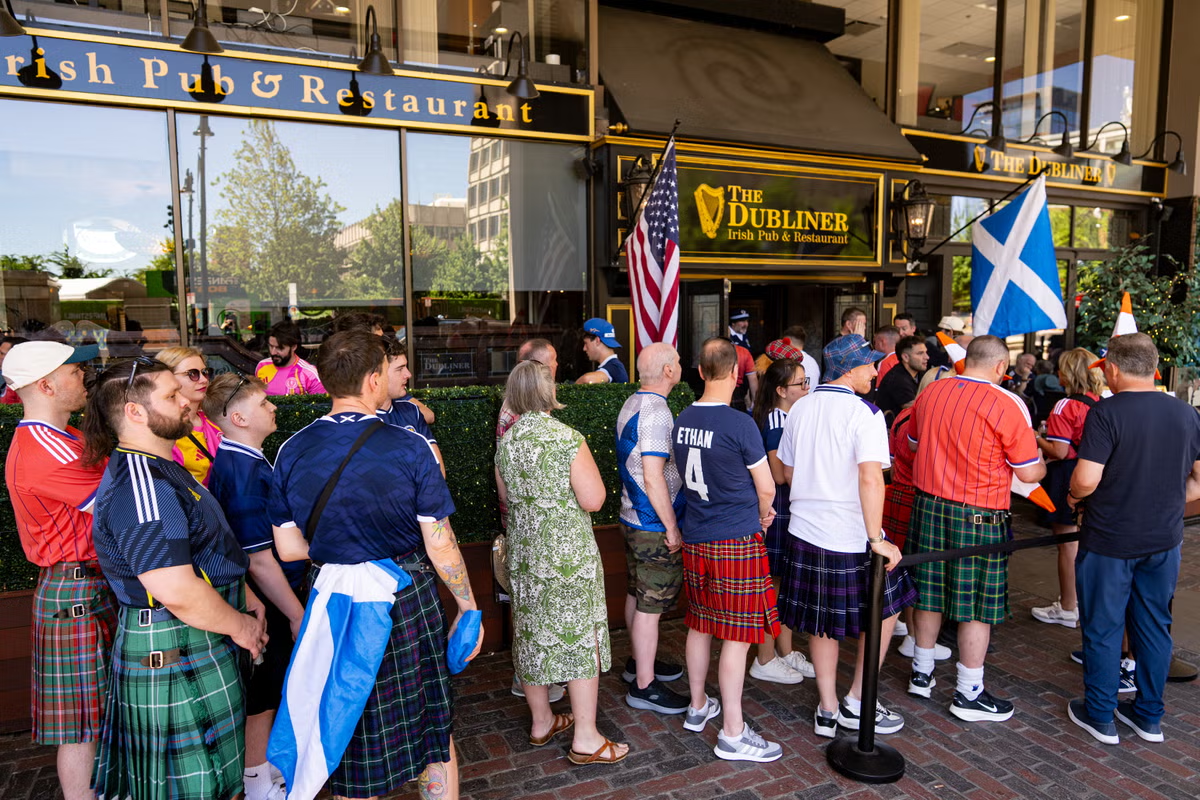
I’m a huge admirer of how the Scots put national identity to its most benevolent and noble purpose: using it to milk wealthy Americans of their money
The country was until then largely unknown to many people south of the border, something also true of its trademark drink. ‘Highland and lowland whisky in the early 19th century would have been a mystery to the majority of Englishmen,’ Jeffreys writes: ‘In the literature of the Georgian and early Victorian period it’s apparent that drinking whisky while in Scotland was the modern-day equivalent of licking hallucinogenic toads while in the Amazon or eating rancid whale in Iceland.’
The conflict with revolutionary France proved to be a great boost to Brand Scotland, and not just because of the limits it placed on rival destinations, but also for the dash that the Scots cut on the field. This culminated with a momentous scene in which ‘the Highland regiments dazzled the French when the Allied armies marched into Paris.’