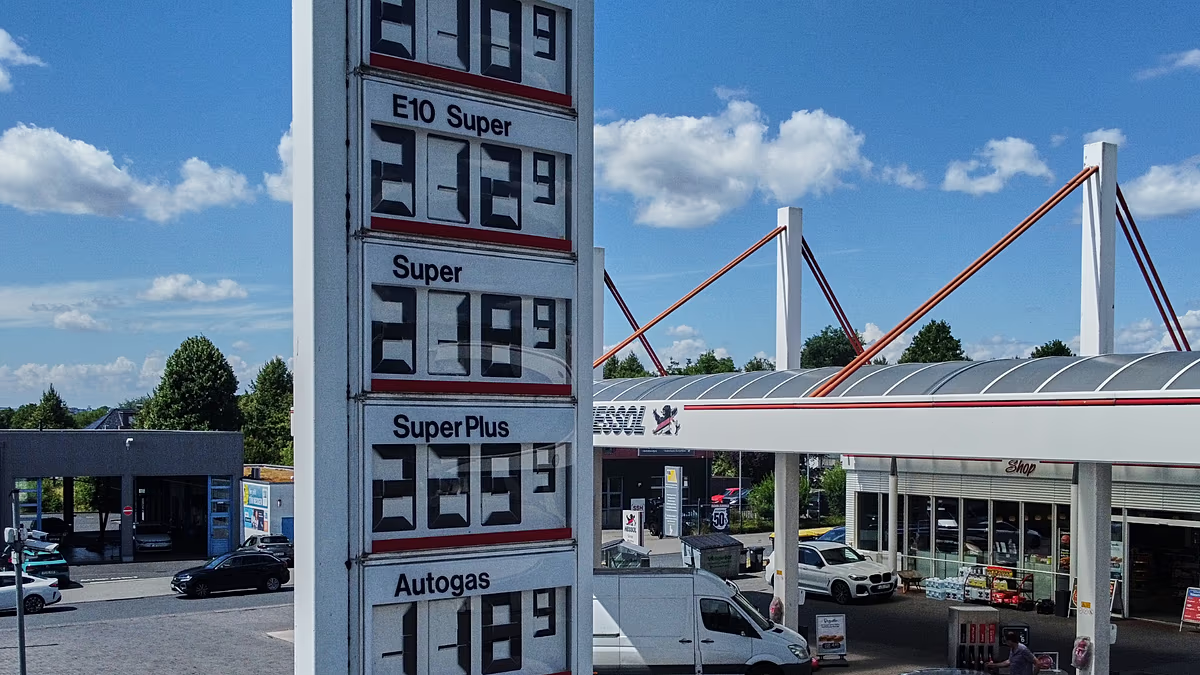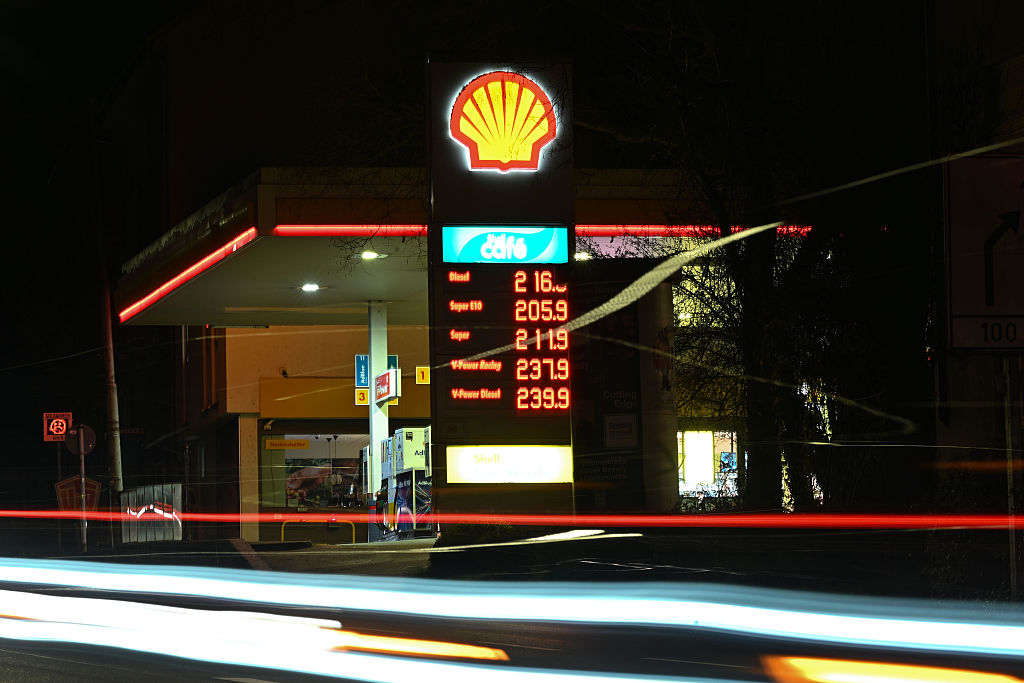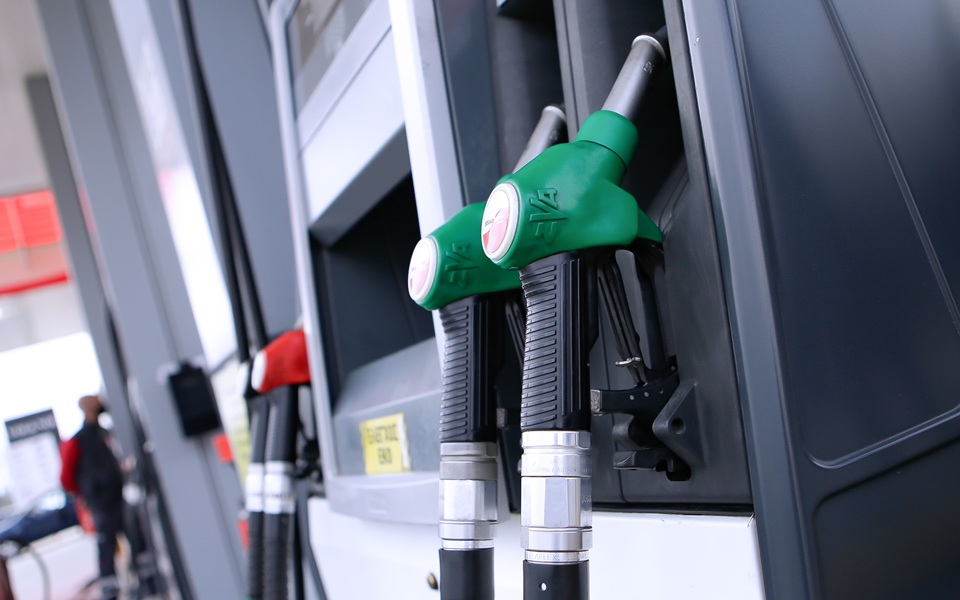
The euro area finally caught a break. Headline inflation across the bloc fell to 2.8% year-on-year in June 2026, down from 3.2% in May, according to Eurostat data released July 1. The drop came in faster than markets had anticipated, and the culprit behind the surprise was the same thing that caused all the trouble in the first place: energy prices.
Global energy costs, which had surged on the back of ongoing conflict in the Middle East, began retreating in the latter half of June. That pullback was enough to drag the headline number down meaningfully, marking the first real sign of moderation in what has become the euro area’s second major energy crisis in less than five years.
How bad did it get before it got better?
Euro area inflation climbed from 3.0% in April to 3.2% in May, the highest level since early 2023. The energy component alone was running at roughly 10.8% to 10.9% year-on-year in May, a number that was doing most of the heavy lifting in pushing the overall figure higher.
The European Central Bank, faced with inflation sitting well above its 2% target, moved anyway. On June 11, 2026, the ECB raised its key interest rates by 25 basis points, a move designed to signal that policymakers weren’t going to wait around for commodity markets to sort themselves out.