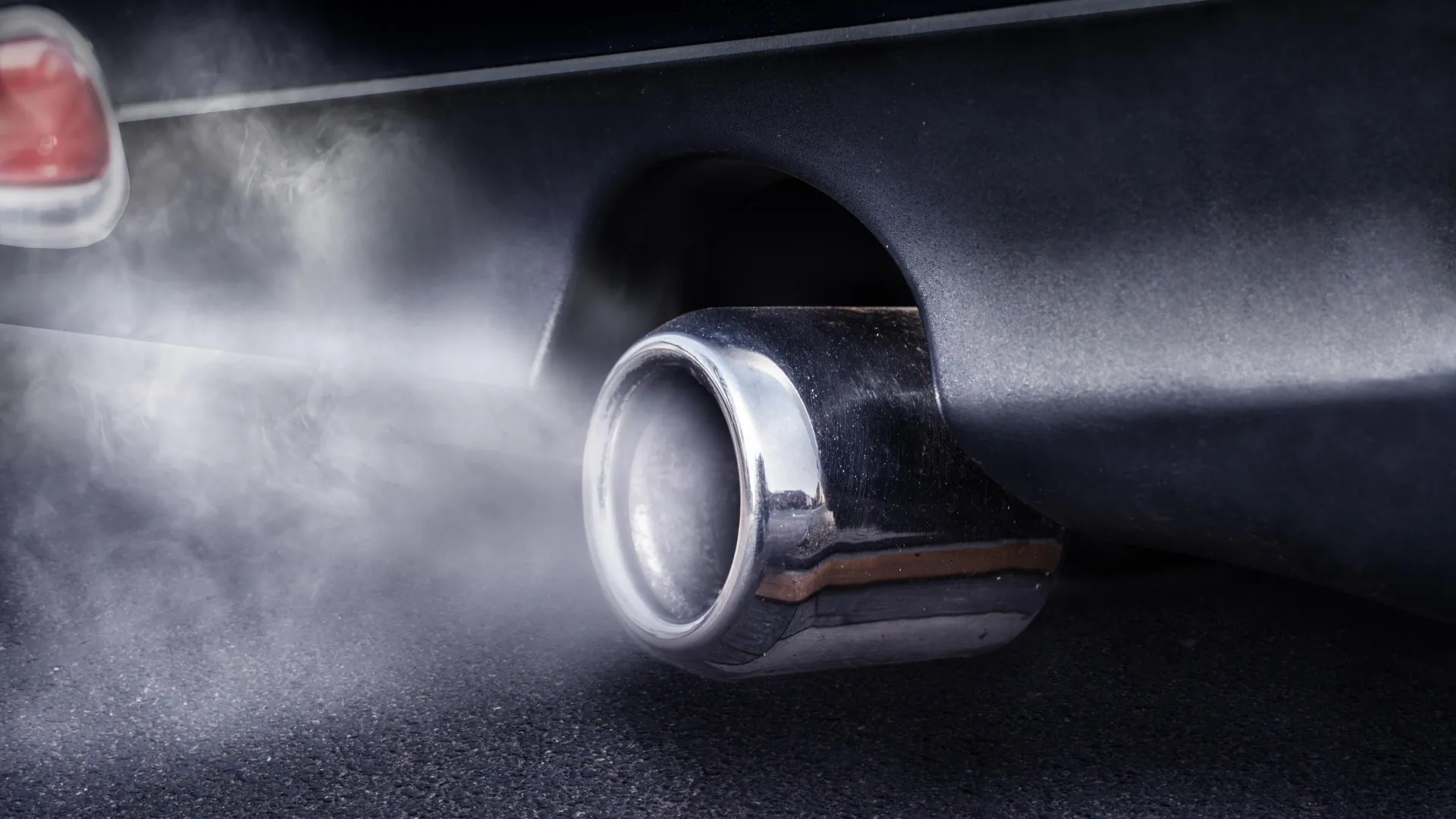
Diesel engines power everything from freight trucks and farm equipment to generators and industrial machinery. They are valued for their strength, durability, and fuel efficiency. But there is a downside. Diesel exhaust is a major source of air pollution, releasing gases and particles that can harm human health and contribute to environmental problems.
Now, researchers in Nigeria say a surprisingly simple solution may help tackle that problem. According to a review of studies from around the world, mixing small amounts of water into diesel fuel could dramatically reduce harmful emissions while preserving, and in some cases even improving, engine performance.
The research team from the Federal University of Technology Owerri examined evidence on Water-in-Diesel Emulsion (WiDE) technology, an approach that blends tiny water droplets into diesel fuel. Their findings suggest that this relatively straightforward fuel modification could provide a practical way to make diesel engines cleaner without requiring expensive redesigns.
Why Diesel Pollution Is a Challenge
Despite their many advantages, diesel engines produce significant amounts of pollutants. Among the most concerning are nitrogen oxides, often called NOx, and particulate matter.