Story audio is generated using AI
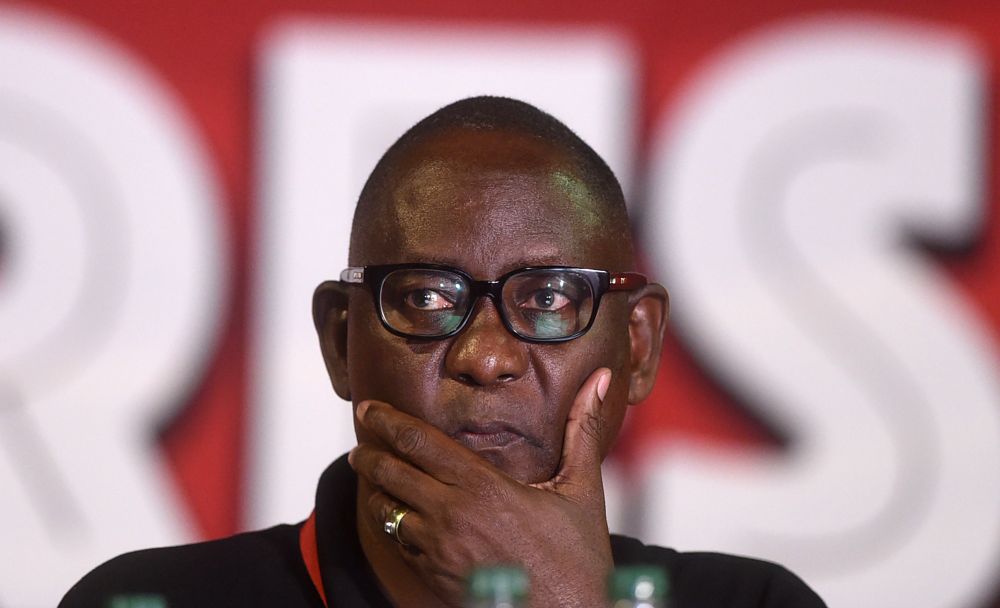
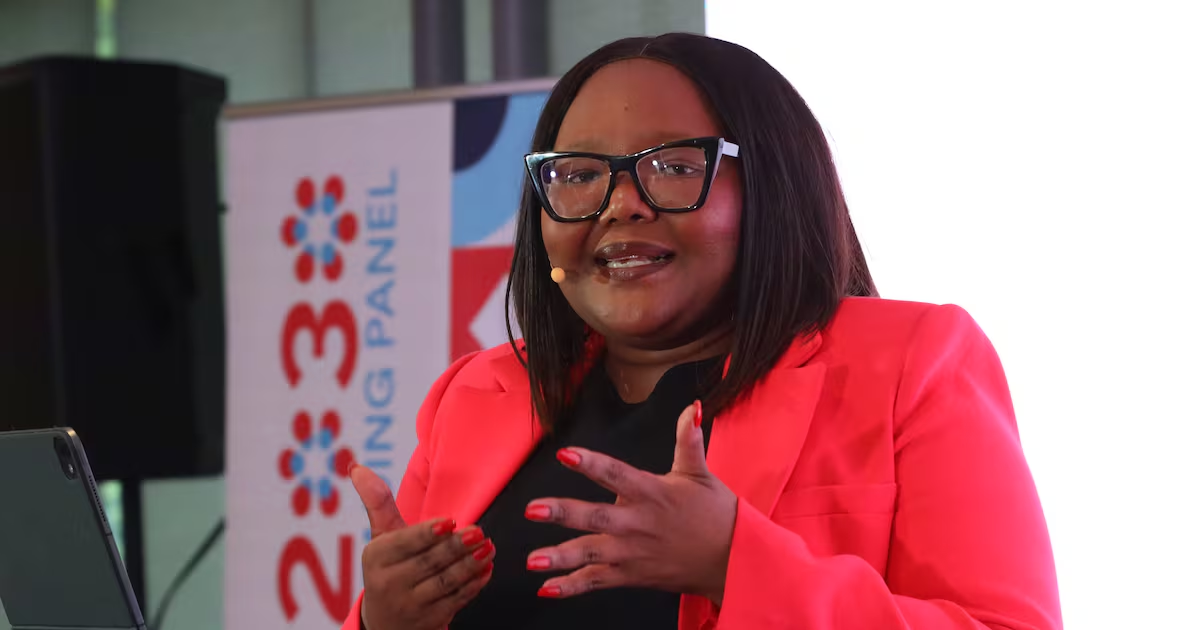
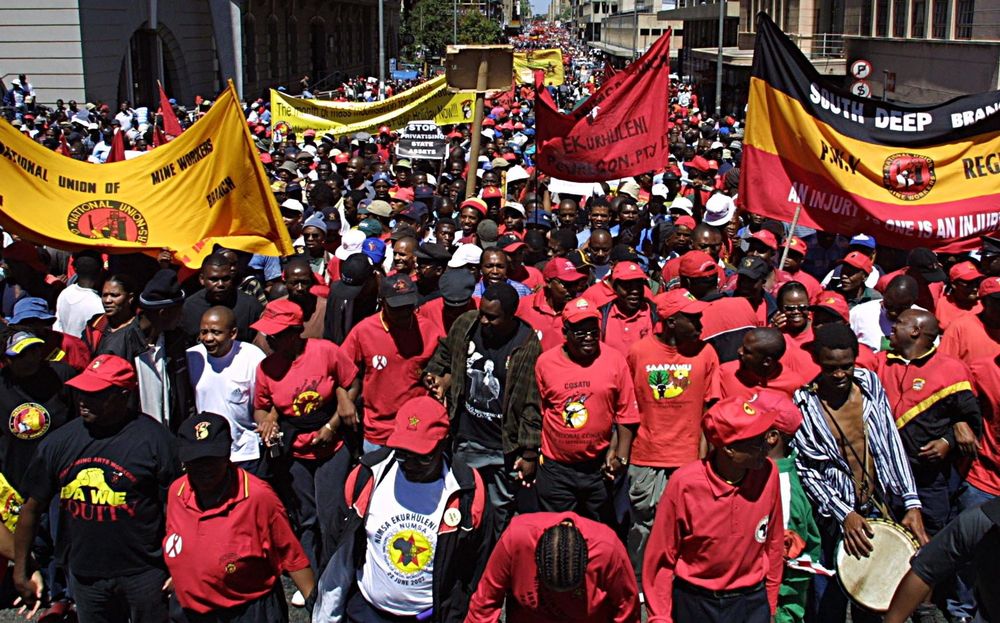
The Public Servants Association (PSA), the third-largest public service union, risks being deregistered after labour registrar Lehlohonolo Molefe gazetted his intention to cancel its registration for allegedly failing to submit audited financial statements and membership. He said the PSA, the largest affiliate of the Federation of Unions of SA (Fedusa), and one of the largest unions within the public service co-ordinating bargaining council, a platform for the employer and labour to discuss and agree on wages and conditions of employment, “is not a genuine trade union” as envisaged in the Labour Relations Act (LRA). “The organisation cannot function in terms of a constitution as per the LRA. The organisation failed to comply with the provisions of sections 98, 99 and 100 of the act,” Molefe stated in the Government Gazette on Sunday. The sections pertain to accounting records and audits (section 98); duty to keep records of membership, meetings and ballots (section 99); and duty to provide information to the labour registrar regarding annual membership and financial reports (section 100). Should the labour registrar actually go ahead, it will lead to years of court disputes. The deregistration is a threat that will probably also lead to internal leadership disputes. These leadership disputes will also be a major disruption. Their [PSA management] failure to comply with sections also indicates an administrative failure. — Michael Bagraim, a labour analyst and DA spokesperson on employment and labourMolefe called on the PSA, which represents about 245,000 of 1.3-million public servants, and interested parties to make representations within 60 days as to why the union’s registration should not be cancelled. PSA general manager Reuben Maleka told Business Day on Wednesday the threats by Molefe to deregister the trade union were an “onslaught we have endured since 2021 and continues to this day”. “We have made all attempts to resolve [the issues with] the registrar, however, we are always pushed back. We strongly believe we would reach a deregistration point,” Maleka said. “If the PSA is deregistered, the public service would have lost a voice. PSA is the largest union that represents many public servants, and it has a reputation of protecting the rights of employees, and such [a voice] would be lost.” Maleka said there was a Labour Appeal Court judgment in 2026 that directed “we comply with section 95 of the LRA. We did and submitted our amendment constitution, but it was rejected without any reasons [being given]”. Section 95 of the LRA requires any trade union that wishes to be formally registered to adopt and submit a written constitution, which should state, among other things, that it is an association not for profit. Michael Bagraim, a labour analyst and DA spokesperson on employment and labour, said the implications of deregistering the PSA would be “dire”. “They are an enormous negotiating body which has legitimacy among its members. I believe that this won’t happen but the structure of the body will have to be changed to comply with labour regulations,” Bagraim told Business Day. “Should the labour registrar actually go ahead, it will lead to years of court disputes. The deregistration is a threat that will probably also lead to internal leadership disputes. These leadership disputes will also be a major disruption. Their [PSA management] failure to comply with sections also indicates an administrative failure,” he said. The organisation cannot function in terms of a constitution as per the LRA. The organisation failed to comply with the provisions of sections 98, 99 and 100 of the act.— Labour registrar Lehlohonolo MolefeIn 2025, government and public service unions, including the PSA, representing the country’s more than 1.3-million public servants, signed a three-year wage deal that resulted in teachers, soldiers, nurses and doctors receiving an above-inflation pay hike of 5.5% in 2025/26. Wage increases for 2026/27 and 2027/28 will be linked to the consumer price index. As sweeteners to the pay deal, the government offered increases, including the homeowners’ allowance (from R1,784 to R1,900), danger allowance (R632.29 to R650), special danger allowance (R931.82 to R950) and service allowance for police (R700 to R950). The 5.5% deal cements the R700bn-plus wage bill as a big, unpredictable factor amid South Africa’s efforts to stabilise its finances. Business Day