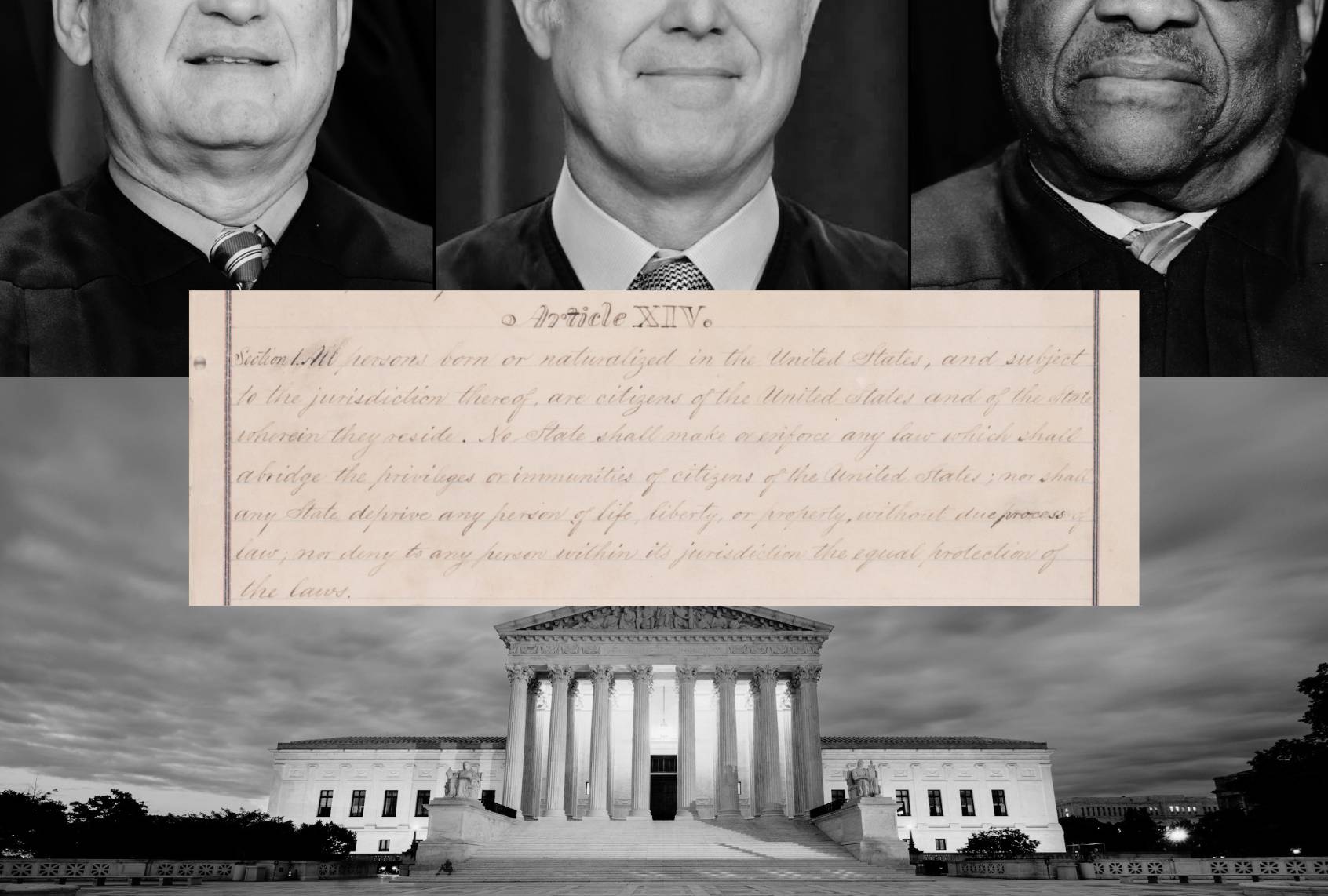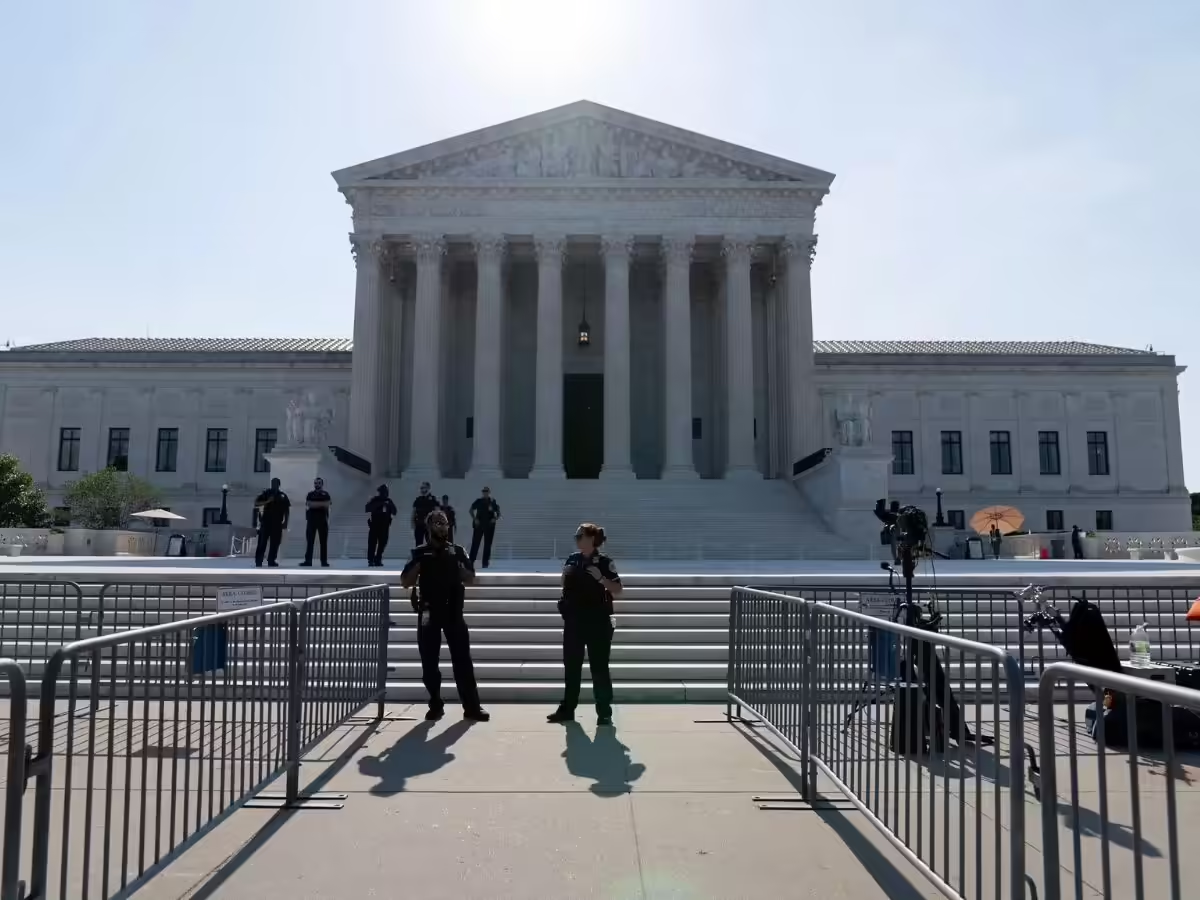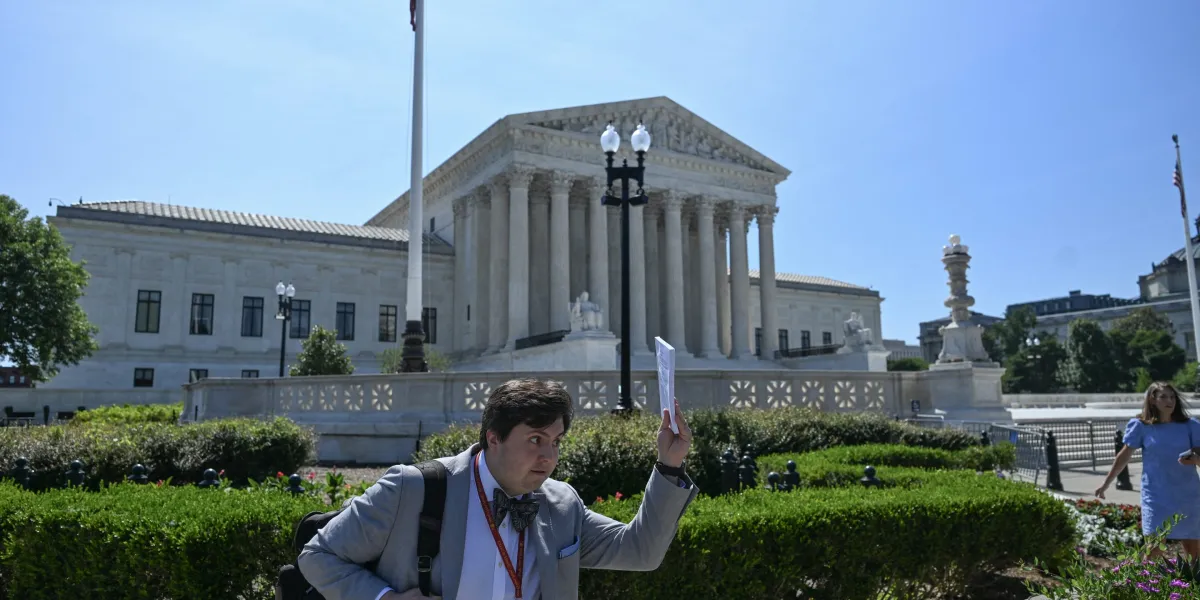
Good morning. I was moderating a discussion about AI and the American Dream at the Aspen Ideas Festival yesterday with executives from Edward Jones and Gallup when the Supreme Court released its decision affirming the 14th Amendment right of children born on U.S. soil to claim citizenship, regardless of their parents’ status. Many of the leaders I’ve spoken to see it as a win for business, as research published by the Center for Migration Studies estimates that beneficiaries will contribute $7.7 trillion to the U.S. economy over their lifetimes and $438 billion between 2025 and 2029 alone.
Had the Supreme Court upheld Trump’s executive order, Penn State researchers estimate that 255,000 people born in the U.S. each year would be denied citizenship and the rights that it brings. (H-1B and L-1 visa holders would have been impacted, along with undocumented workers.)
And how does that link back to the American Dream? Turns out U.S. immigrants are significantly more optimistic about the country and happier than the general population. And Gallup CEO Jon Clifton points out that a record 79% of U.S. adults now view immigration as a good thing for the country. With Gallup finding employee engagement and happiness at record lows, Clifton also notes that AI offers a much-needed opportunity to transform the workplace and work.