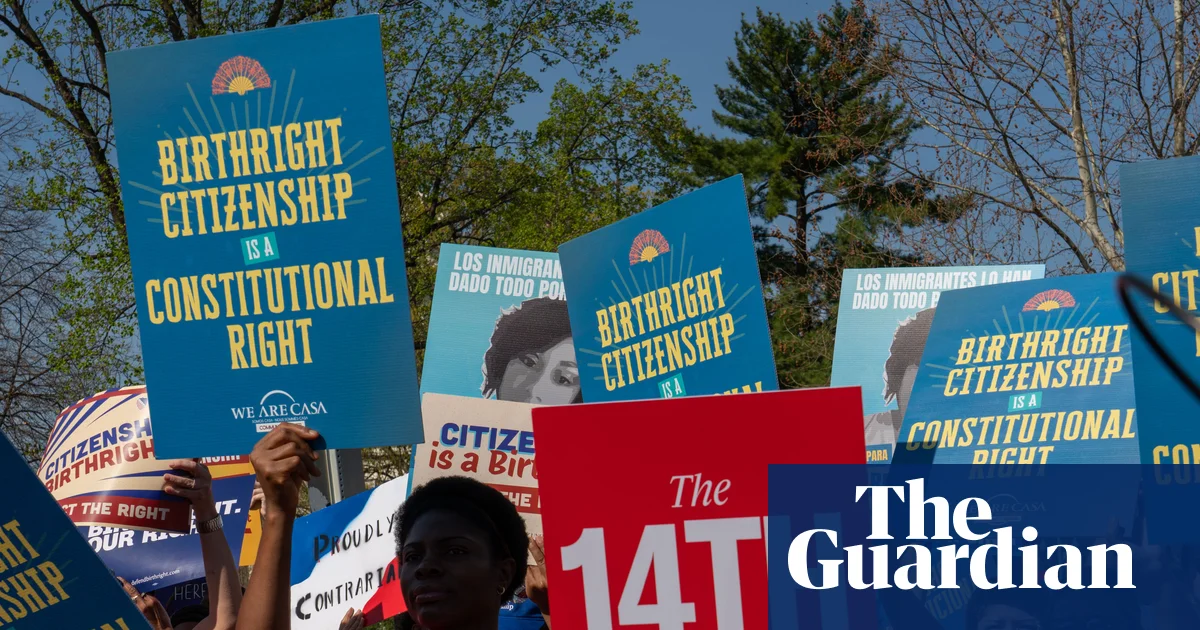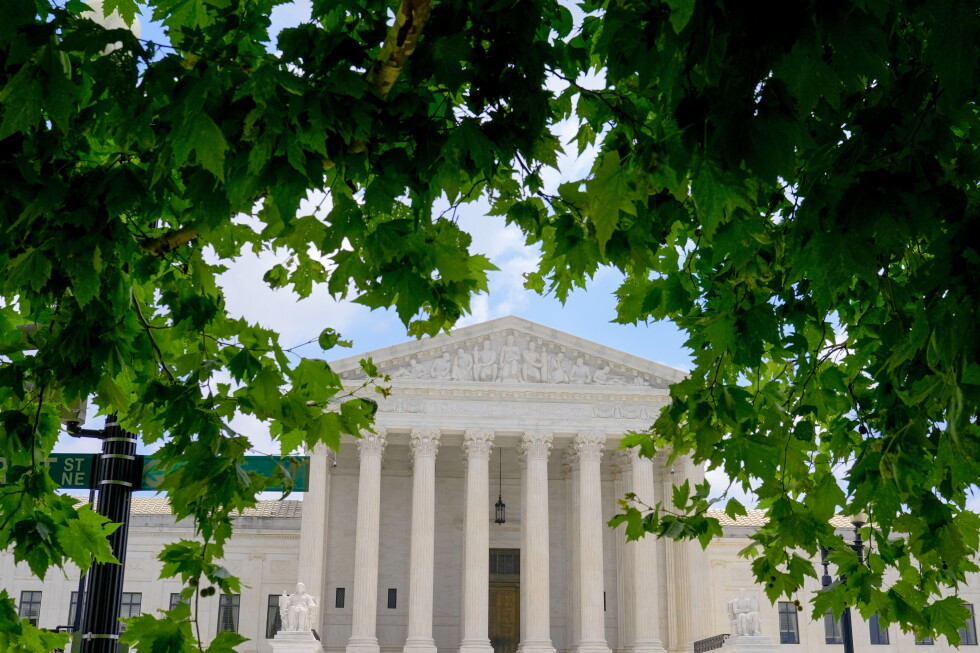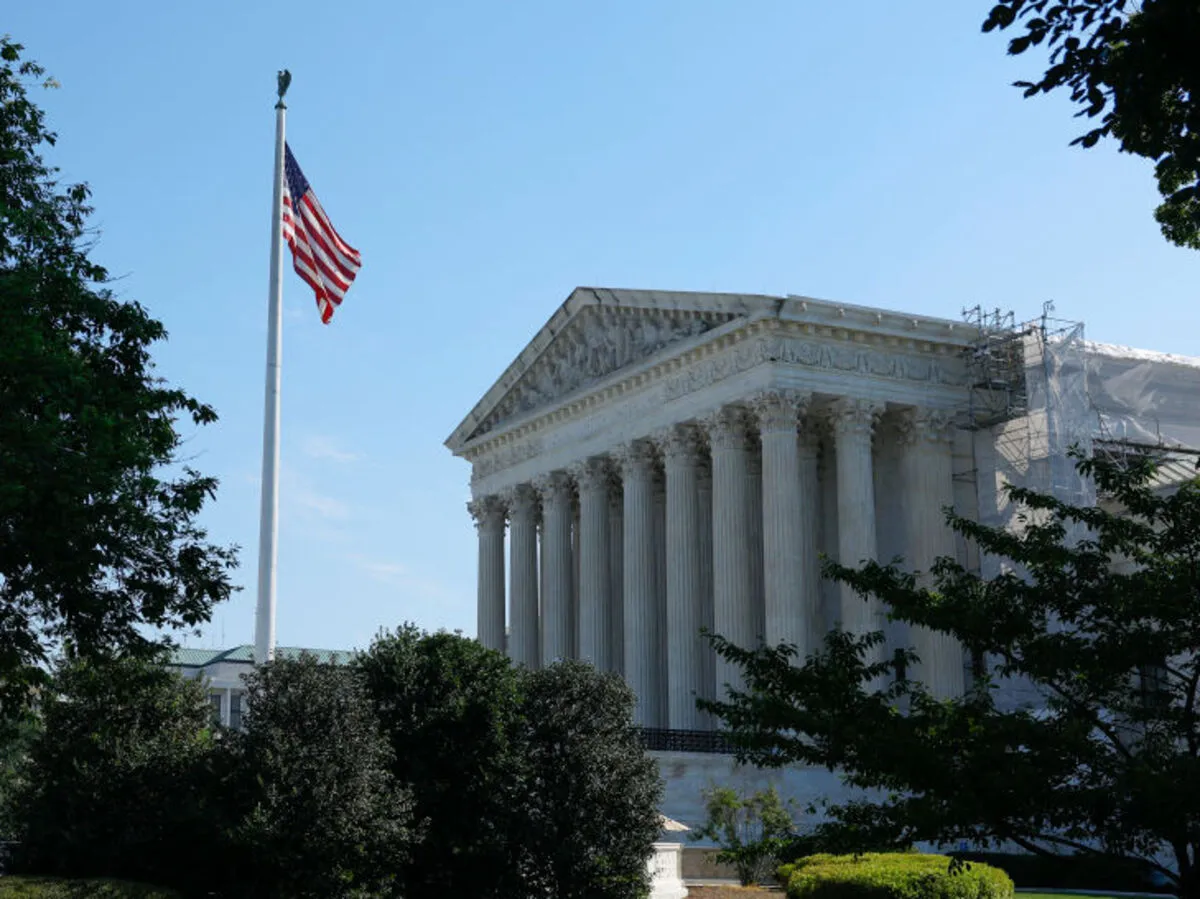
Skip to Content News Archives Economy Energy Oil & Gas Renewables Electric Vehicles Mining Commodities Agriculture Real Estate Mortgages Mortgage Rates Finance Banking Insurance Fintech Cryptocurrency Work Wealth Smart Money Wealth Management Investor Personal Finance Family Finance Retirement Taxes High Net Worth FP Comment Executive Women Puzzmo Newsletters Financial Times Business Essentials More Innovation Information Technology FP500 Podcasts Small Business Lives Told Tails Told Shopping Financial Post Store Obituaries Place a Notice Advertising Advertising With Us Advertising Solutions Postmedia Ad Manager Sponsorship Requests Classifieds Place a Classifieds ad Working Profile Settings My Subscriptions Saved Articles My Offers Newsletters Customer Service FAQ News Economy Energy Mining Real Estate Finance Work Wealth Investor FP Comment Executive Women Puzzmo Newsletters Financial Times Business Essentials HomeNewsEconomyU.S. Supreme Court backs birthright citizenship in blow to TrumpThe 14th Amendment, ratified in the aftermath of the Civil War, guarantees citizenship to anyone who is born in the U.S.Author of the article:Last updated 1 hour ago You can save this article by registering for free here. Or sign-in if you have an account.The vote to invalidate the executive order was six to three, though one member of the majority, Justice Brett Kavanaugh, said he disagreed with the court’s constitutional analysis. Photo by Anna Moneymaker/Getty ImagesA divided United States Supreme Court upheld the constitutional right of birthright citizenship, rejecting President Donald Trump’s planned restrictions and invalidating a central plank of his immigration agenda.Subscribe now to read the latest news in your city and across Canada.Exclusive articles from Barbara Shecter, Joe O'Connor, Gabriel Friedman, and others.Daily content from Financial Times, the world's leading global business publication.Unlimited online access to read articles from Financial Post, National Post and 15 news sites across Canada with one account.National Post ePaper, an electronic replica of the print edition to view on any device, share and comment on.Daily puzzles, including the New York Times Crossword.Subscribe now to read the latest news in your city and across Canada.Exclusive articles from Barbara Shecter, Joe O'Connor, Gabriel Friedman and others.Daily content from Financial Times, the world's leading global business publication.Unlimited online access to read articles from Financial Post, National Post and 15 news sites across Canada with one account.National Post ePaper, an electronic replica of the print edition to view on any device, share and comment on.Daily puzzles, including the New York Times Crossword.Create an account or sign in to continue with your reading experience.Access articles from across Canada with one account.Share your thoughts and join the conversation in the comments.Enjoy additional articles per month.Get email updates from your favourite authors.Create an account or sign in to continue with your reading experience.Access articles from across Canada with one accountShare your thoughts and join the conversation in the commentsEnjoy additional articles per monthGet email updates from your favourite authorsSign In or Create an AccountorThe court said an executive order Trump issued hours after his inauguration last year couldn’t be squared with the Constitution’s 14th Amendment, which has long been understood as guaranteeing citizenship to virtually everyone born on U.S. soil.The case tested what it means to be an American. Trump’s order sought to restrict birthright citizenship to babies with at least one parent who is a U.S. citizen or green-card holder, affecting an estimated 250,000 children born to undocumented immigrants and temporary visitors each year.SUBSCRIBER EXCLUSIVE: FP West: Energy Insider brings you behind the oilpatch’s closed doors with exclusive insights from insiders every Wednesday morning.By signing up you consent to receive the above newsletter from Postmedia Network Inc.A welcome email is on its way. If you don't see it, please check your junk folder.The next issue of FP West: Energy Insider will soon be in your inbox.We encountered an issue signing you up. Please try again“Citizenship, then and now, was the right to have rights — to freely participate in our political community,” Chief Justice John Roberts wrote for the court. “The framers of the Fourteenth Amendment extended that promise to every free-born person in this land. We keep that promise today.”The 14th Amendment, ratified in 1868 in the aftermath of the Civil War, guarantees citizenship to anyone who is born in the U.S. and “subject to the jurisdiction thereof.” Critics said Trump was seeking to rewrite that provision by arguing it was designed to cover only the children of freed slaves. Federal immigration statutes enacted in 1940 and 1952 use identical language.The vote to invalidate the executive order was six to three, though one member of the majority, Justice Brett Kavanaugh, said he disagreed with the court’s constitutional analysis and would have instead thrown out the executive order as violating a federal statute.Justices Clarence Thomas, Samuel Alito and Neil Gorsuch dissented.“The court has repurposed the Fourteenth Amendment to protect its own set of preferred rights that the Reconstruction Congress never contemplated and that cannot find support in its text,” Thomas wrote for himself and Gorsuch, referring to the period after the Civil War.Justice Amy Coney Barrett and the court’s three liberals joined Roberts’ majority opinion.The Supreme Court ruled in an 1898 decision known as U.S. v. Wong Kim Ark that the citizenship clause covered a man born in California to two Chinese parents. The six to two decision concluded the phrase “subject to the jurisdiction thereof” was written to exclude only a few narrow classes of people, including the children of invaders, foreign ambassadors and Native Americans.The court heard arguments April 1 with Trump in attendance for the first half of the session. His appearance marked the first time in the court’s recorded history that a sitting president had gone to an argument.Democrats said the executive order also could have stripped millions of current Americans of their citizenship, along with their ability to vote and get passports.Lower courts had uniformly said the executive order was unlawful. In the case before the justices, a federal district judge in New Hampshire ruled against Trump, and the administration appealed directly to the Supreme Court, bypassing the appeals court level. Join the Conversation This website uses cookies to personalize your content (including ads), and allows us to analyze our traffic. Read more about cookies here. By continuing to use our site, you agree to our Terms of Use and Privacy Policy.
U.S. Supreme Court backs birthright citizenship in blow to Trump
A divided U.S. Supreme Court upheld the right of birthright citizenship, rejecting Donald Trump’s planned restrictions. Read here now
1,029 words~5 min read