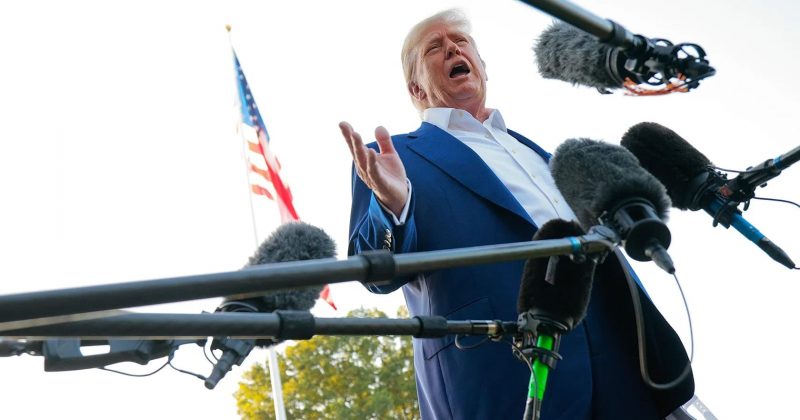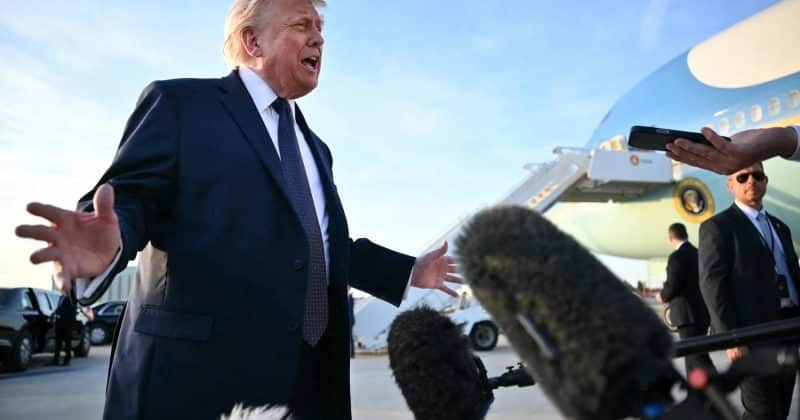
The Trump administration spent months walking a tightrope between bombing Iran and cutting a deal with it. In the end, diplomacy won, but only after a scheduled military strike was literally called off at the last minute.
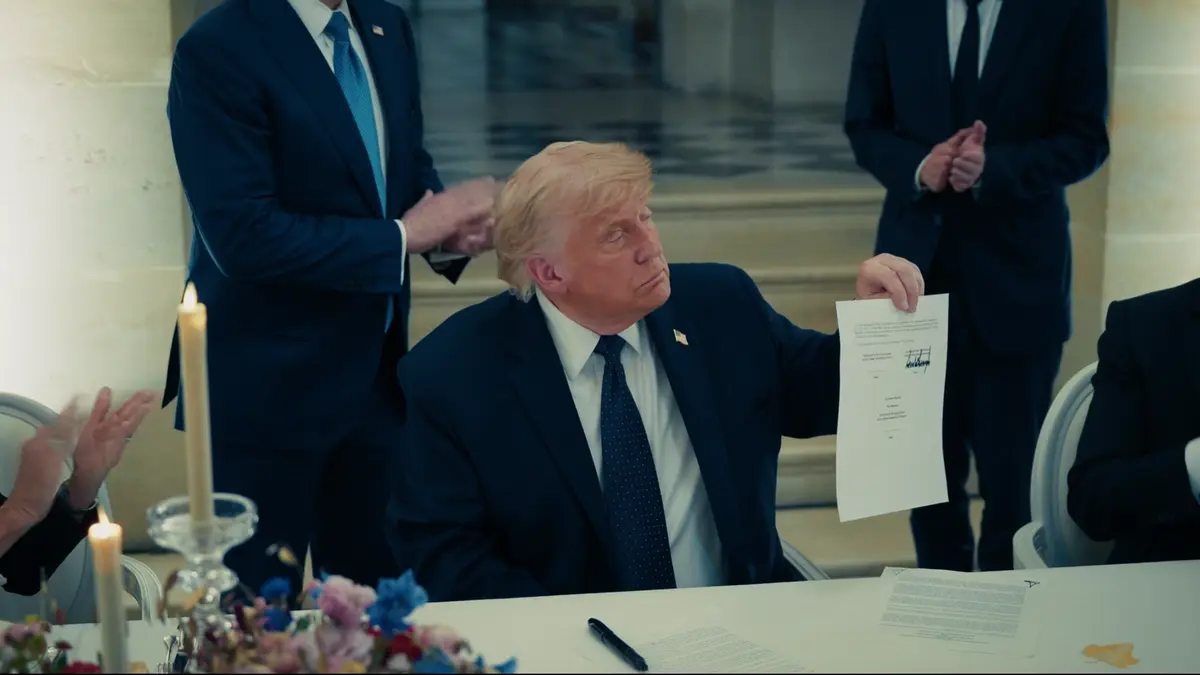
An interim Memorandum of Understanding between the US and Iran was signed electronically around June 15, 2026, extending a ceasefire and laying groundwork for formal nuclear negotiations. The agreement reaffirmed commitments against nuclear weapons development but left the thorny question of sanctions relief for later rounds of talks.
The dual-track strategy
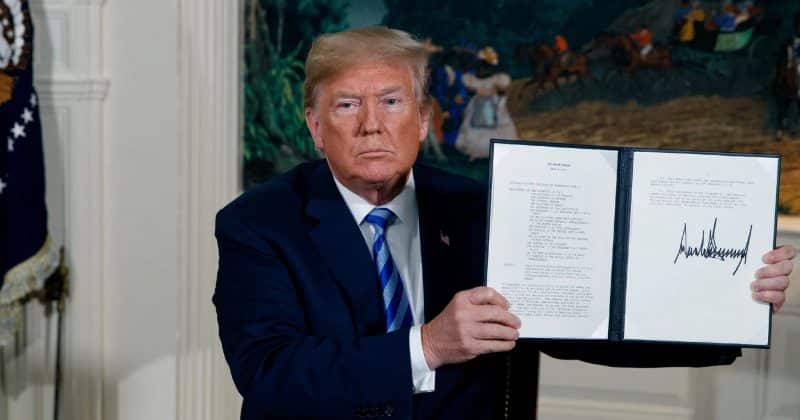
The playbook started taking shape in February 2025, when Trump relaunched his “maximum pressure” campaign aimed at slashing Iran’s oil exports. This was familiar territory. Trump had pulled the US out of the JCPOA, the Obama-era nuclear deal, back on May 8, 2018, arguing the agreement didn’t adequately address Iran’s missile program or its regional influence.
Round two of maximum pressure came with upgraded tools: reinstated sanctions, military strikes, and explicit warnings that failing to reach a deal could trigger aggressive action.