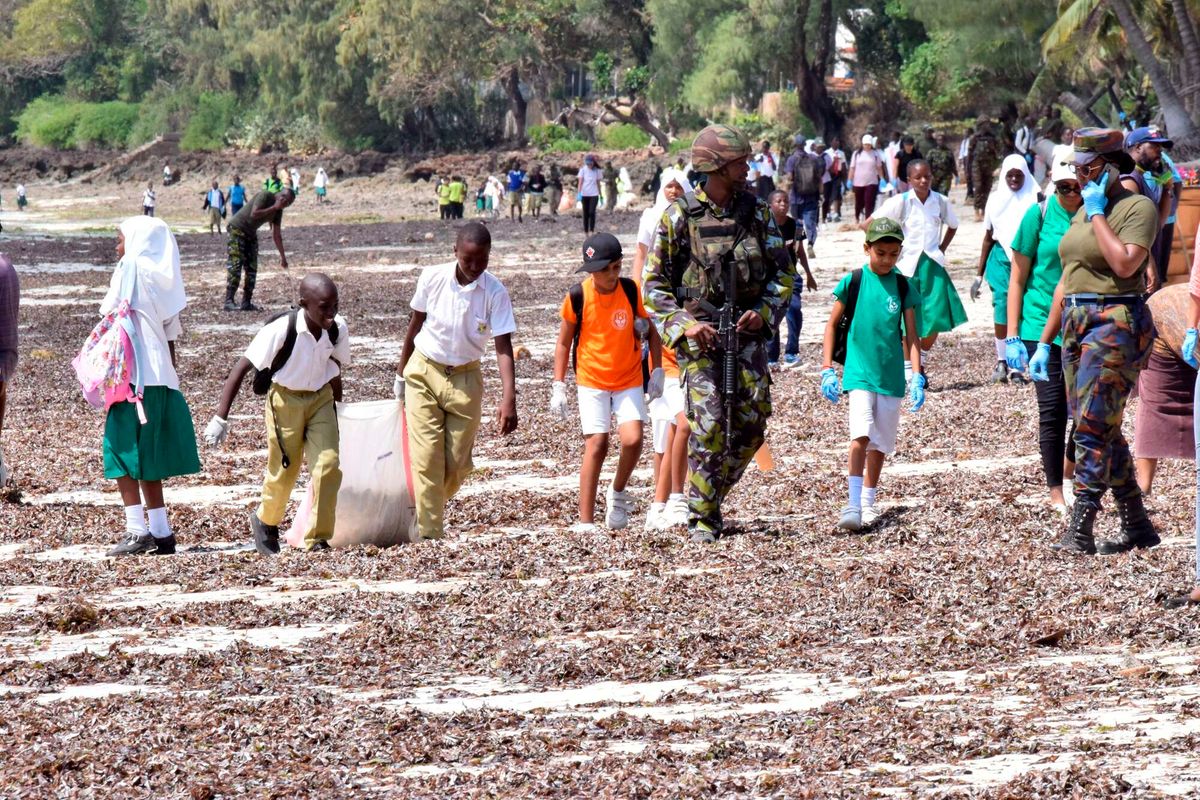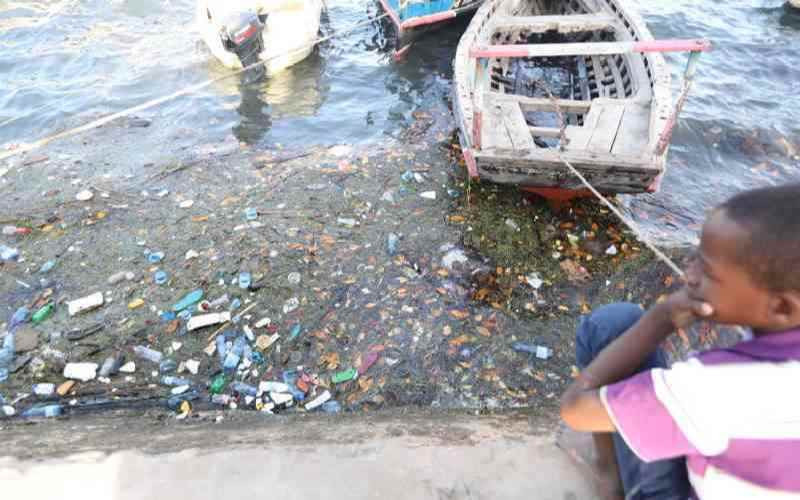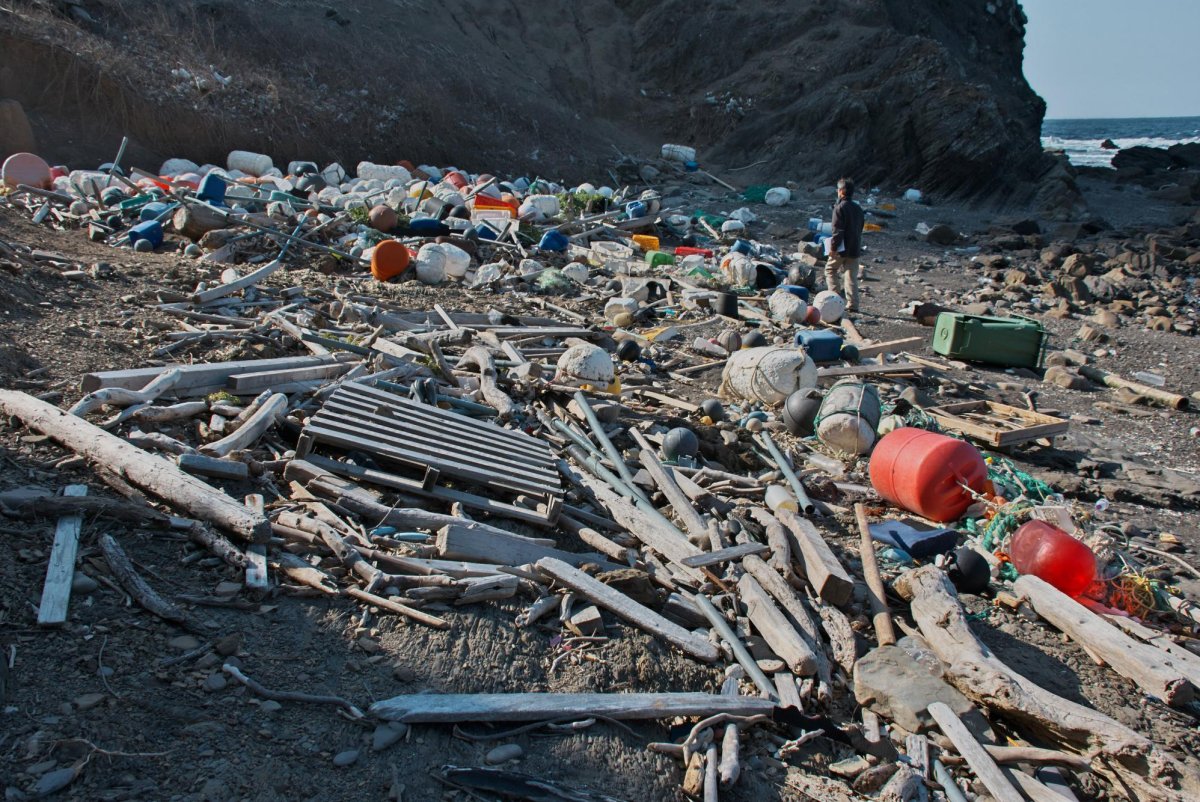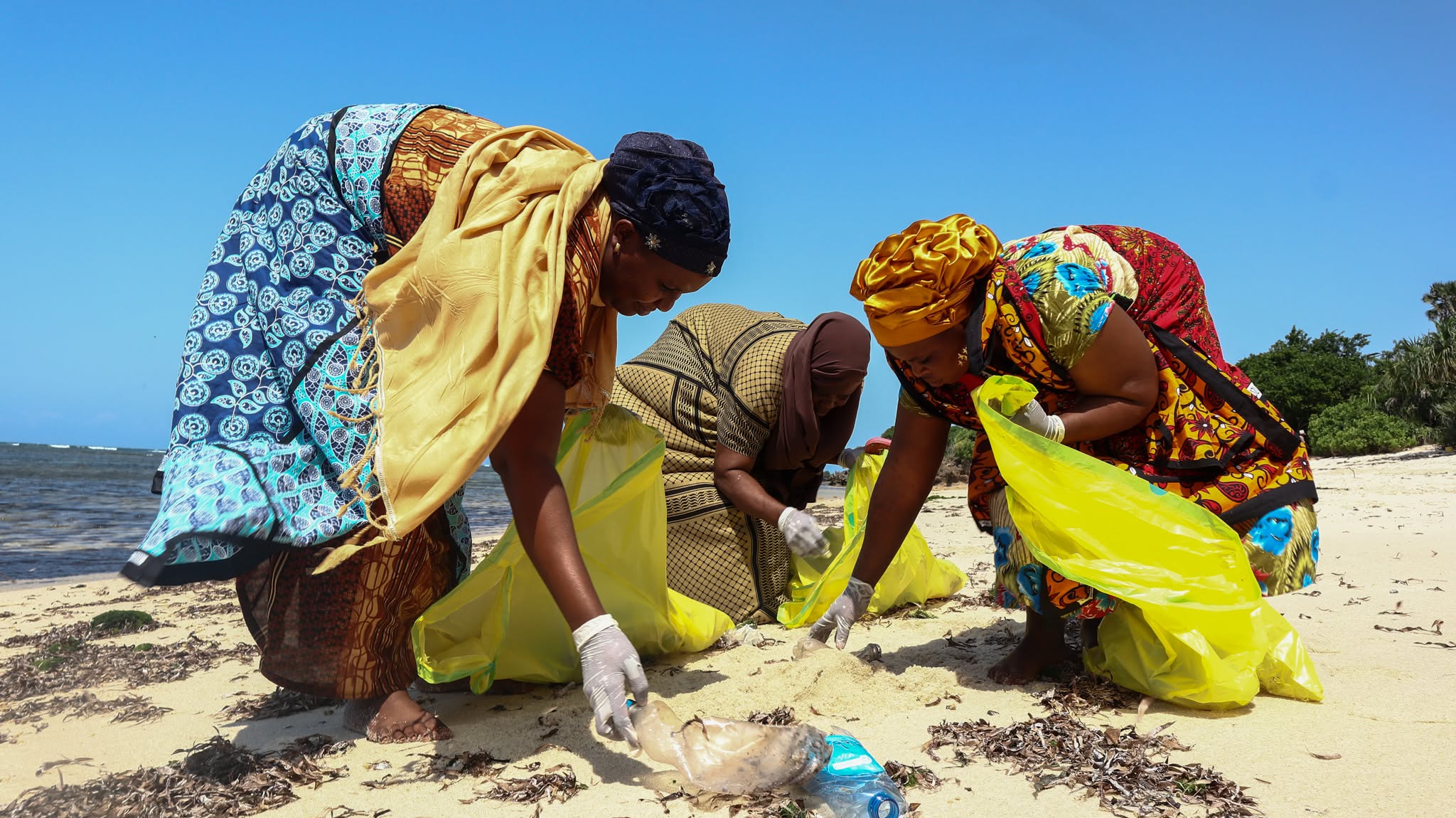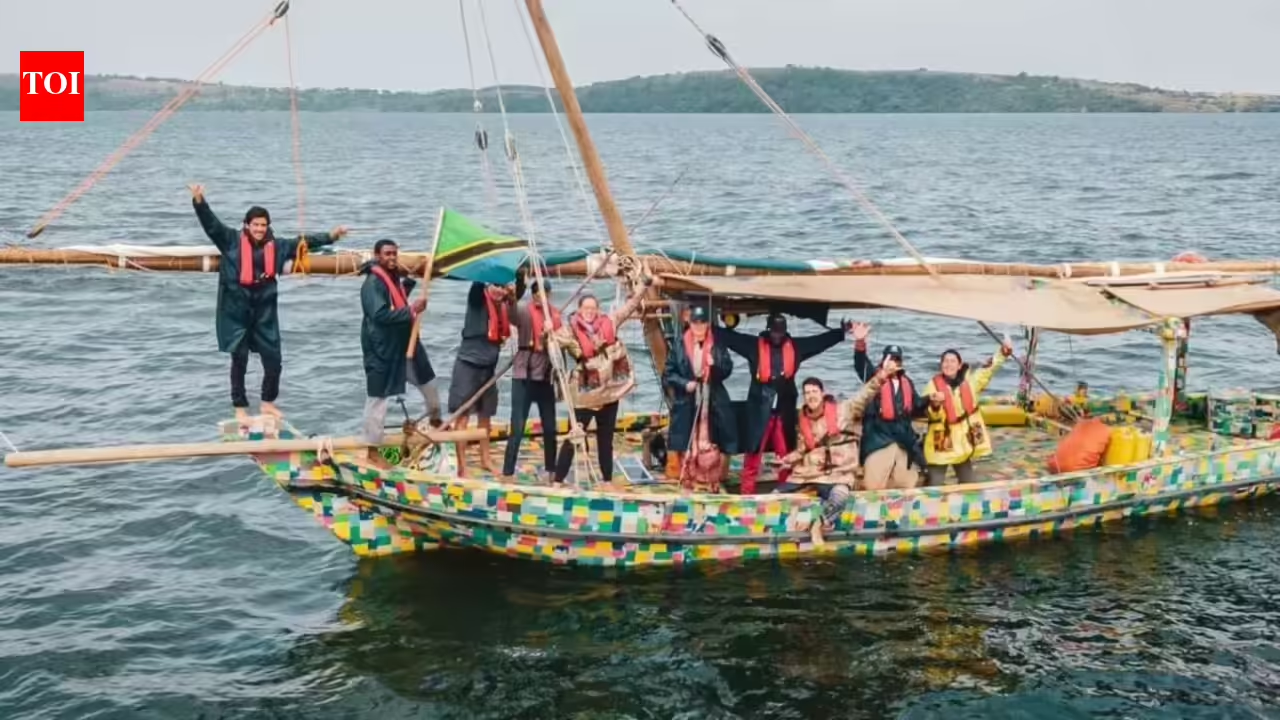
Kenya generates an estimated 500,000 to 1.3 million tonnes of plastic waste annually. Of this, less than 10% to 15% is recycled and over 90% leaks into the environment, scattered on beaches, clogging urban drainage systems and lying away in unmanaged dumpsites. For years, people looked for solutions to managing this plastic waste without any hope.Soon, environmentalists, artisans and residents collaborated to collect plastic waste from the beaches of Lamu, Kenya not just to clean the land but also possibly dispose of it properly. The purpose was to find a way to return the plastic to the productive chain instead of letting it choke the ocean. This is when they came up with the idea of Flipflopi, the first sailing dhow made completely from recycled plastic.Flipflopi: Rowing the way forwardThe origin of the project dates back to 2016 when Ben Morison began advocating the idea of building a traditional dhow, with discarded plastic found on the coast. With shipbuilder Ali Skanda, a local reference in Swahili boat tradition and environmental activist Dipesh Pabari, the plan began to take some action.The proposal was focused on two central objectives, one was to tackle the pollution caused by single-use plastic and the other was to preserve and value the centuries-old shipbuilding technique from the Swahili coast, combining the two together.The boar was built with about 10 tons of plastic waste and incorporated approximately 30,000 flip flops, becoming a standing example of creative recycling in East Africa. The hull and other parts of the boat were produced with locally repurposed plastic while the flip flops found lying on the beaches gained a function in the structure.Sailing the oceanOnce completed, the Flipflopi embarked on its first journey in January 2019. As per the United Nations Environment Programme, the 9-meter dhow departed from Lamu and sailed about 500 kilometres to Zanzibar, Tanzania carrying the message of combating plastic pollution.Moreover, the boat also functioned as a floating ecological school. At each stop, the project facilitated discussions with residents, students, fishermen, local leaders and public representatives about the impact of disposable plastic in the ocean.The project defines itself as a circular economy movement aimed at tackling plastic pollution through education, innovation and advocacy in coastal and island communities. Thus, they also conducted awareness actions about reducing the use of disposable plastic, recycling and changing consumption habits.Protecting the futureWith the project, one message was clear: the plastic problem would not be solved by just cleaning beaches, people had to hold back on unnecessary disposal and create local reuse systems.As the initiative advanced, the dhow ceased to be a limited single vessel. The Flipflopi Project reported that it now maintains a structure in Lamu focused on the recovery and recycling of plastic, using this material as a basis to manufacture durable products and support new local productive models.Now, the project also makes handcrafted furniture, components of boats and more with reused plastic. The Flipflopi’s own website highlights that the organisation has already built other boats and develops products related to Swahili heritage and the logic of material reuse.Another step was the creation of a training centre linked to the project. The space was structured to teach practical skills of the circular economy while preserving traditional knowledge of furniture making and boat building on the Swahili coast. The aim is to train young people and local workers to operate in a chain that combines recycling, manufacturing and environmental conservation.With this, Flipflopi became a striking case of a boat made from recycled waste creating a broader platform for training, innovation and waste recovery. It is a lesson that combating marine pollution also requires infrastructure, professional training and sustainable economic alternatives.
Kenya's beaches were filled with plastic, then they created boats with it: Flipflopi was built with 10 tons of plastic and 30,000 flip flops and sails the Swahili coast - a lesson for the world
Kenya generates an estimated 500,000 to 1.3 million tonnes of plastic waste annually. Of this, less than 10% to 15% is recycled and over 90% leaks into the environment, scattered on beaches, clogging urban drainage systems and lying away in unmanaged dumpsites.
608 words~3 min read