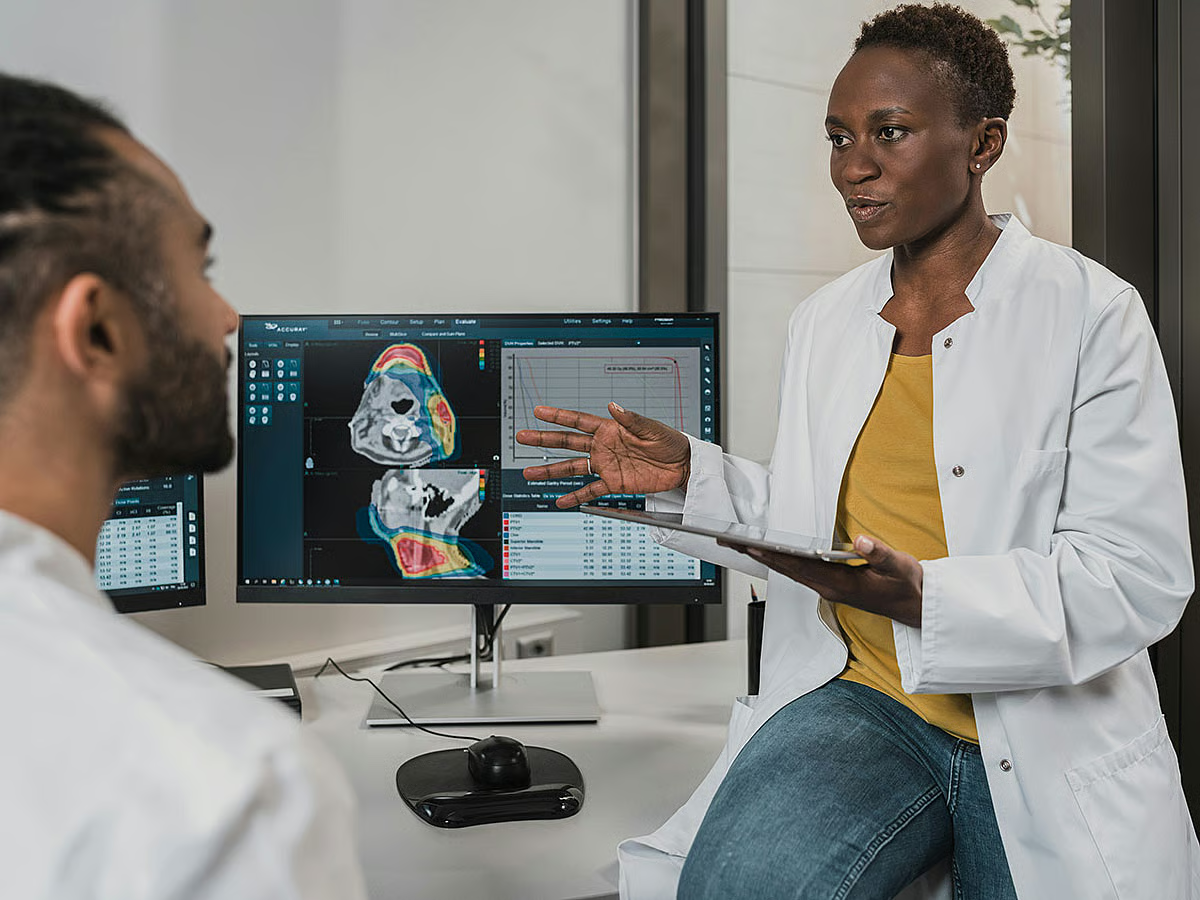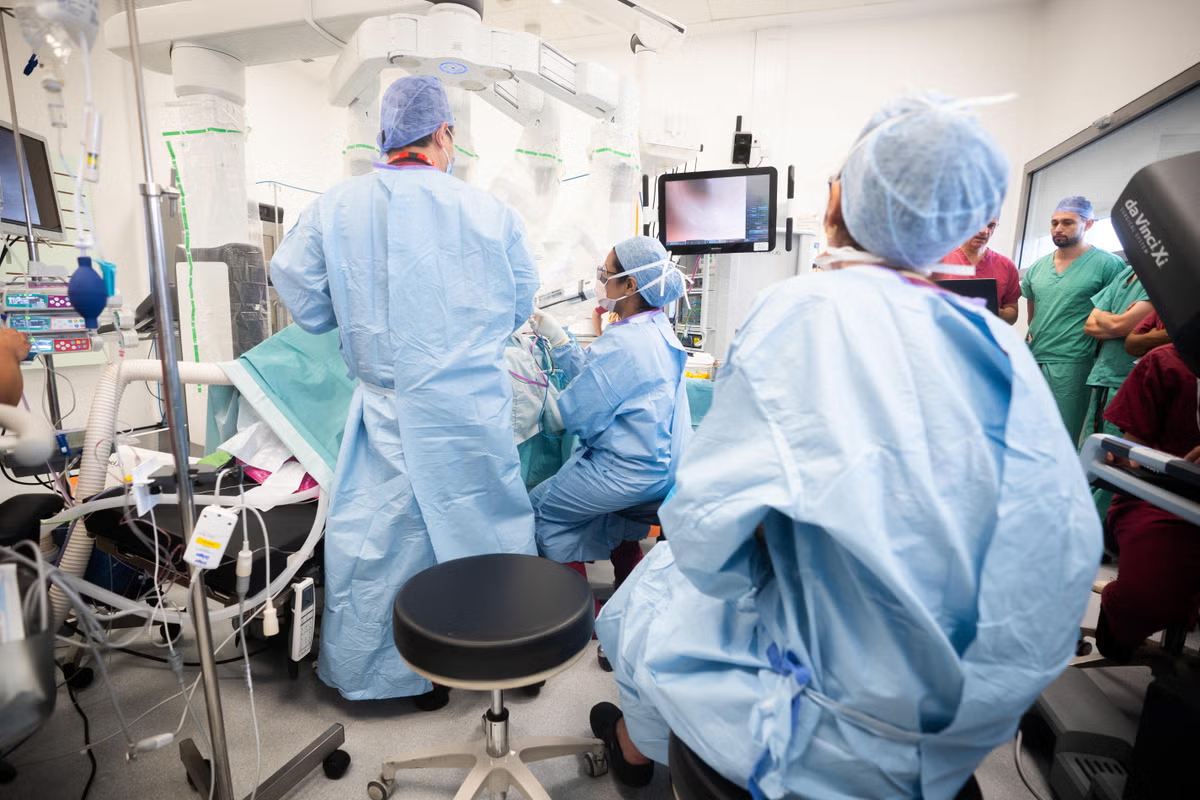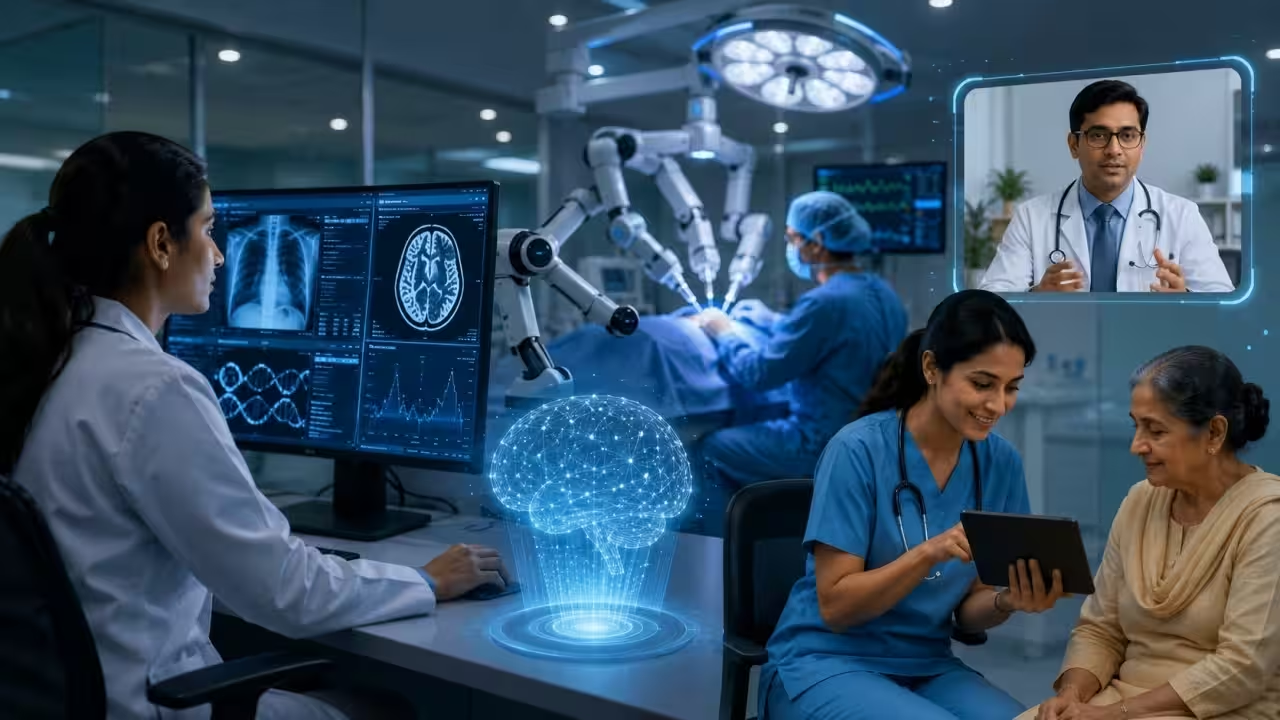
Artificial Intelligence (AI) is transforming health care across the continuum of care--medical imaging and diagnostics to patient monitoring, precision medicine, and surgical assistance. It is helping bridge gaps in access to quality healthcare while improving clinical outcomes, an advancement especially crucial for a country like India. AI and healthYet, despite the rapid pace of technological innovation, doctors remain at the very heart of patient care and healing. AI can serve as a co-pilot, but the steering wheel will always remain in the doctor's hands. Hence, as we celebrate National Doctor’s Day on July 1, it is important to reaffirm and applaud the irreplaceable dextrous judgment, compassion, and healing touch that only doctors can provide.According to Statista, the global AI in health care market, valued at approximately $ 11 billion in 2021, is likely to grow at a CAGR of 37% to reach approximately $ 188 billion by 2030. India, meanwhile, is expected to be among the fastest-growing AI markets in the Asia Pacific region. AI is helping reduce the administrative burden on doctors and hospital staff, enabling them to devote more time to what truly matters--patient care, experience, and outcomes. It can rapidly analyse vast volumes of clinical data, identify subtle abnormalities in medical images, and support faster, more accurate decision-making.The adoption of AI is not limited to health care providers. Patients are increasingly using AI-enabled tools to better understand and manage their health. According to Bain & Company’s 2026 Asia-Pacific Front Line of Healthcare Report, about 78% of Indian consumers use AI to interpret diagnoses and treatment options, while about 73% use AI to better prepare for medical appointments and make informed healthcare decisions.When thoughtfully integrated into clinical practice, AI can efficiently access, process, and generate information, supporting doctors in making more informed clinical decisions.Robotic-assisted surgery marked a significant technological breakthrough over the past decade. Yet, every successful robotic procedure continues to depend on the expertise and judgement of the operating surgeon. The robot enhances surgical precision, but it does not replace the surgeon.The same principle applies to AI. It is a powerful companion and enabler—not a substitute for the doctor.No matter how sophisticated an algorithm becomes, AI cannot replicate the emotional intelligence, ethical reasoning, contextual judgement, socio-cultural sensitivity, or empathetic reassurance of a doctor. While AI can objectively analyse data and recommend evidence-based treatment options, only a doctor can integrate these insights with clinical experience, patient preferences, family circumstances, and nuanced understanding to arrive at the most appropriate course of treatment.AI may help cure diseases, but doctors heal people.To fully realise the benefits of AI, health care organisations must integrate these technologies seamlessly into clinical workflows without disrupting patient care. Equally important is preparing doctors to confidently use AI tools, critically evaluate AI-generated insights, and understand their limitations.A widely quoted saying captures this reality well: AI will not replace doctors, but doctors who effectively use AI may replace those who do not.Structured training programmes, continuous medical education, and hands-on workshops will be essential in preparing clinicians for an AI-enabled future. At the same time, robust governance frameworks encompassing data privacy and cybersecurity must be established to ensure that technology remains trustworthy, responsible, and patient-centric.The future of health care will undoubtedly be powered by technology and AI. However, it will continue to be led by doctors. As we observe National Doctors' Day, let us celebrate not only the remarkable advancements in medical technology but also the unwavering expertise, compassion, and commitment of doctors who transform these innovations into meaningful healing. By empowering clinicians to harness AI responsibly, we can build a health care system where technology amplifies human excellence—while keeping doctors firmly at the centre of patient care.(The views expressed are personal)This article is authored by Gautam Khanna, CEO, PD Hinduja Hospital & Medical Research Centre, Mumbai.
Doctors at the heart of health care in the age of AI
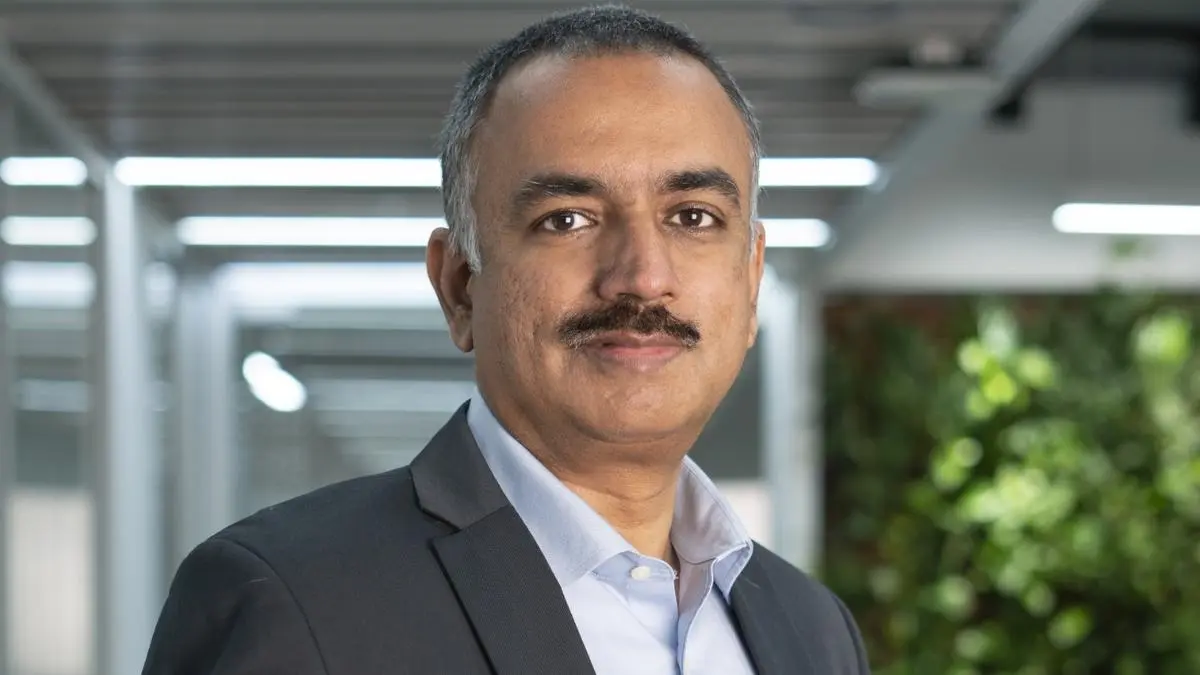
This article is authored by Gautam Khanna, CEO, PD Hinduja Hospital & Medical Research Centre, Mumbai.
628 words~3 min read