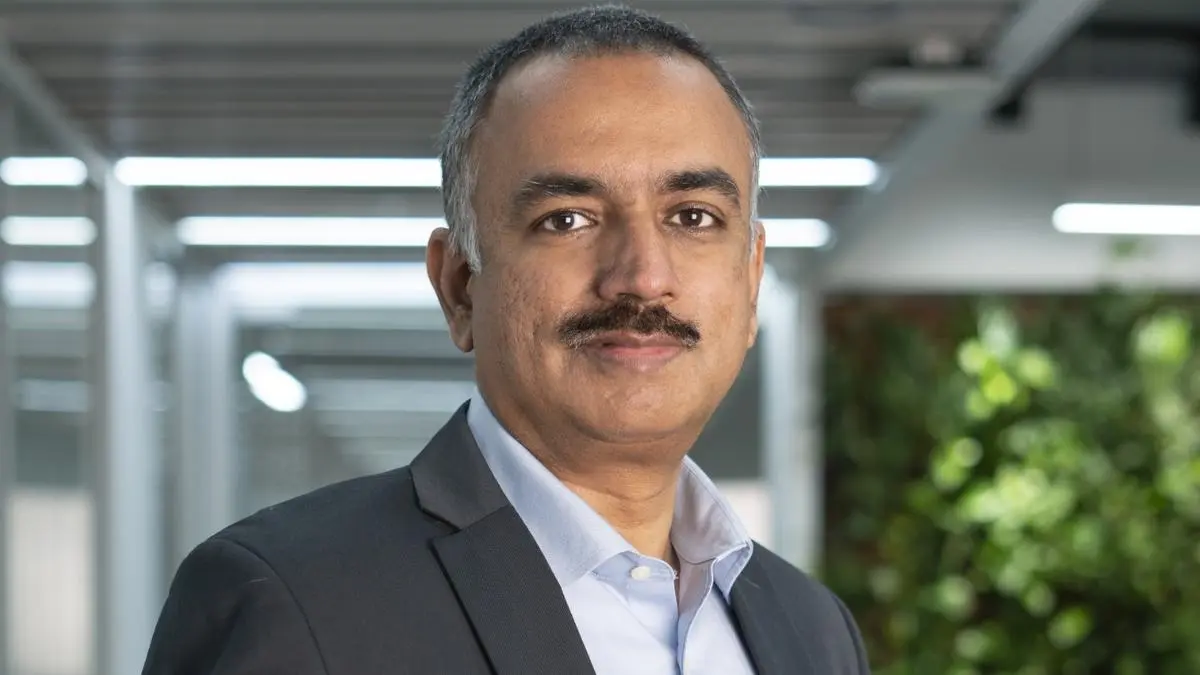
Bharath Sesha, Managing Director, Philips India
Over 80 per cent of multinational company Philips’ innovations in artificial intelligence, designed for global needs, is done in India, says Bharath Sesha, Managing Director, Philips India, outlining the growing role of AI in the Indian healthcare landscape.“Bengaluru is where 85 per cent of our AI innovations get developed for global needs. So it is really the hub of AI innovation for Philips globally. One in two Philips machines sold globally will have software that is developed in Bengaluru,” Sesha told businessline. The multinational has centres in Bengaluru and Pune, and “over the last four to five years, we have invested in India, (Rs) 1750 crores, focused on manufacturing, innovation, building capabilities on AI and software,” he added. “AI is not theoretical, AI is not futuristic, AI is already having an impact today.. from (an) access to care perspective,” he said, citing findings of their latest Future Health Index 2026 report. Both physicians and patients are accepting the role of AI, he said, and there is a bit of scepticism too. This is leading to a “hybrid model where care is provided by a mix of AI and clinician, but the clinician always preserves the oversight, the accountability, and has the full authority to override whatever is being suggested by AI.”The global research covered over 2,000 healthcare professionals and over 20,000 patients across 10 countries, including 200 healthcare professionals and 2004 patients in India. India findingsAccording to the report, AI is helping healthcare professionals use their time differently: “58% of healthcare professionals in India report average annual time savings of at least 132 hours, equivalent to more than three full working weeks.” And this gives physicians more time with patients, it added. Pointing to clinical outcomes, it said, “48 per cent say AI has helped them identify or prevent a potential medical error at least three times in the past three months.”On building trust into the AI ecosystem, the report finds: “86 per cent say all AI outputs require human oversight; 78 per cent have had to correct AI-generated misinformation; 45 percent of healthcare professionals say AI training at their organisations is limited or inconsistent.”Published on August 11, 2026