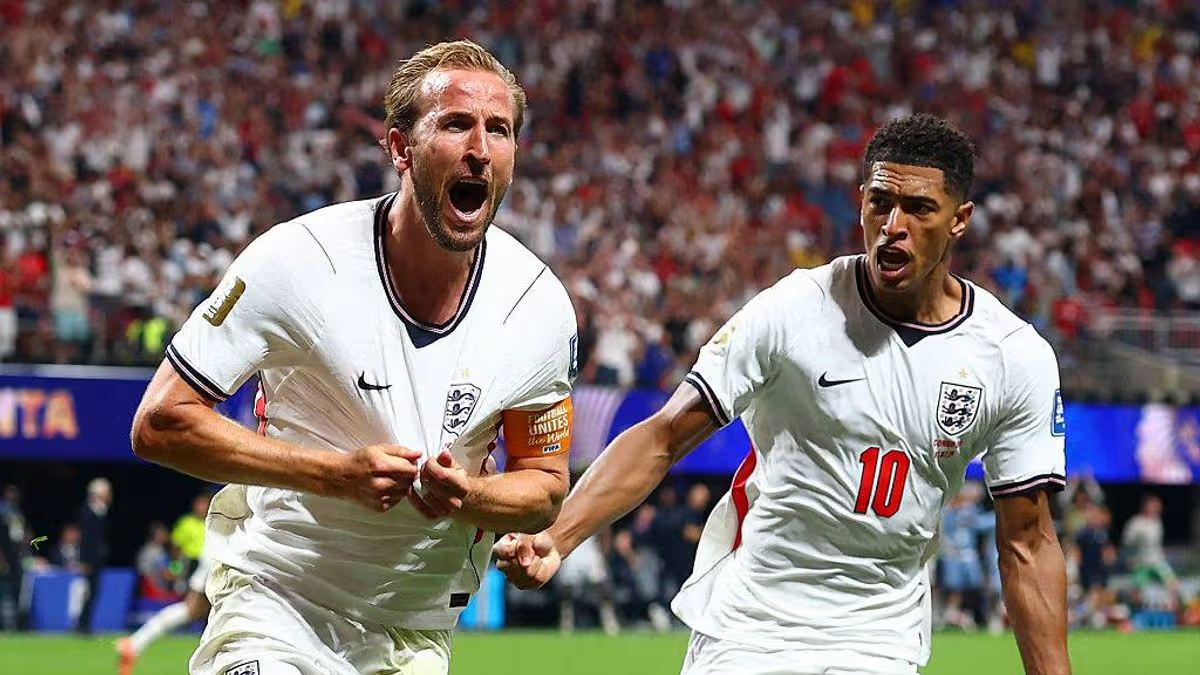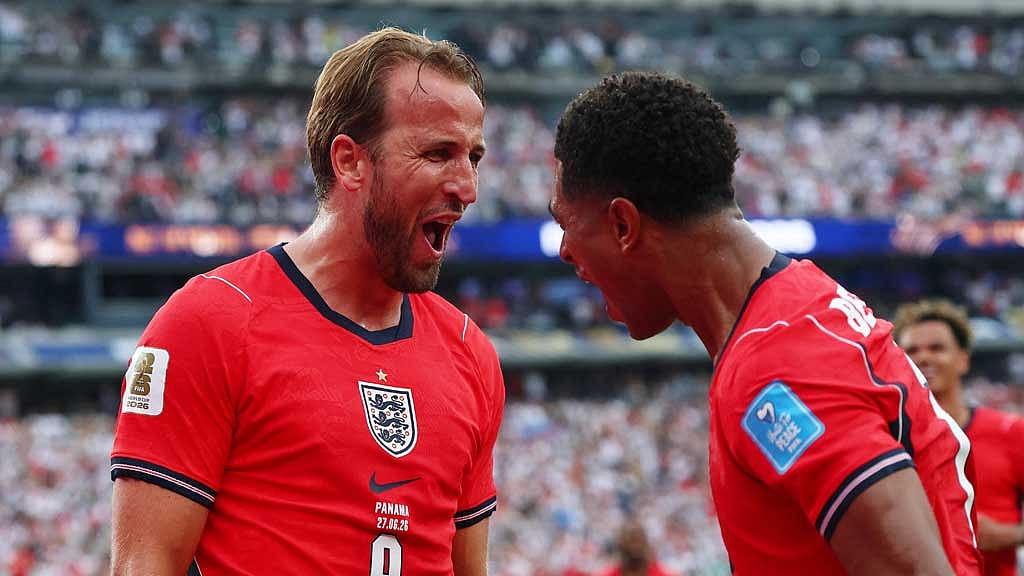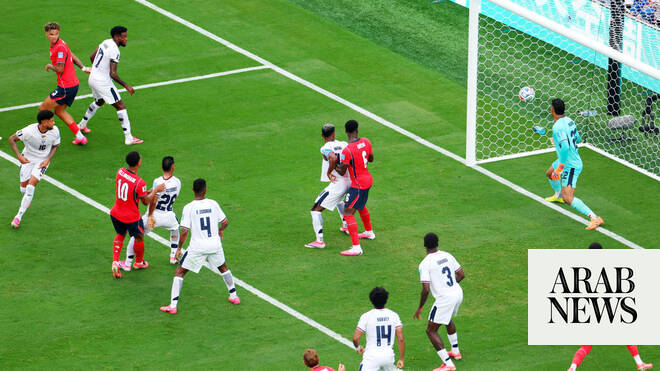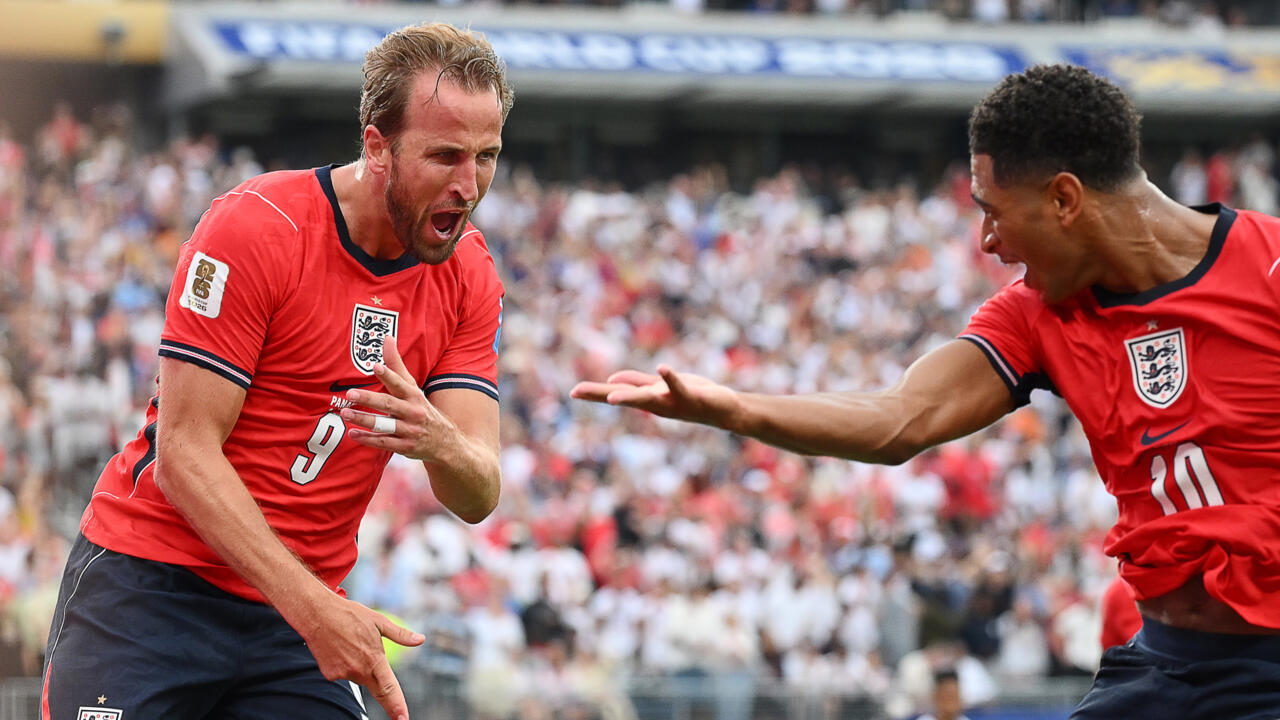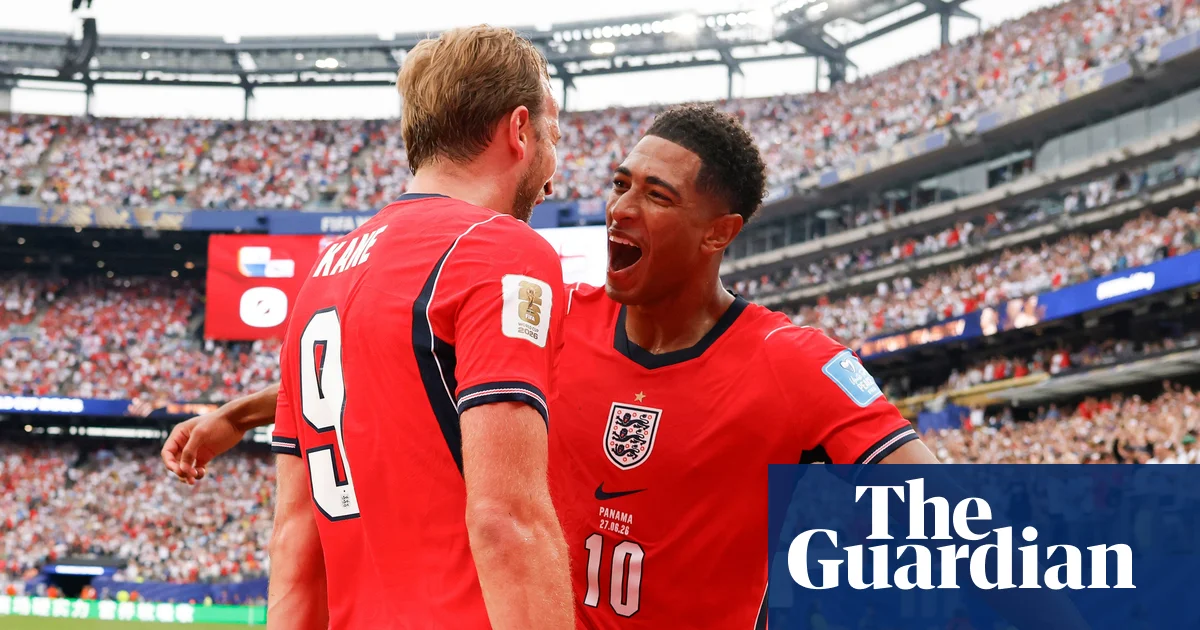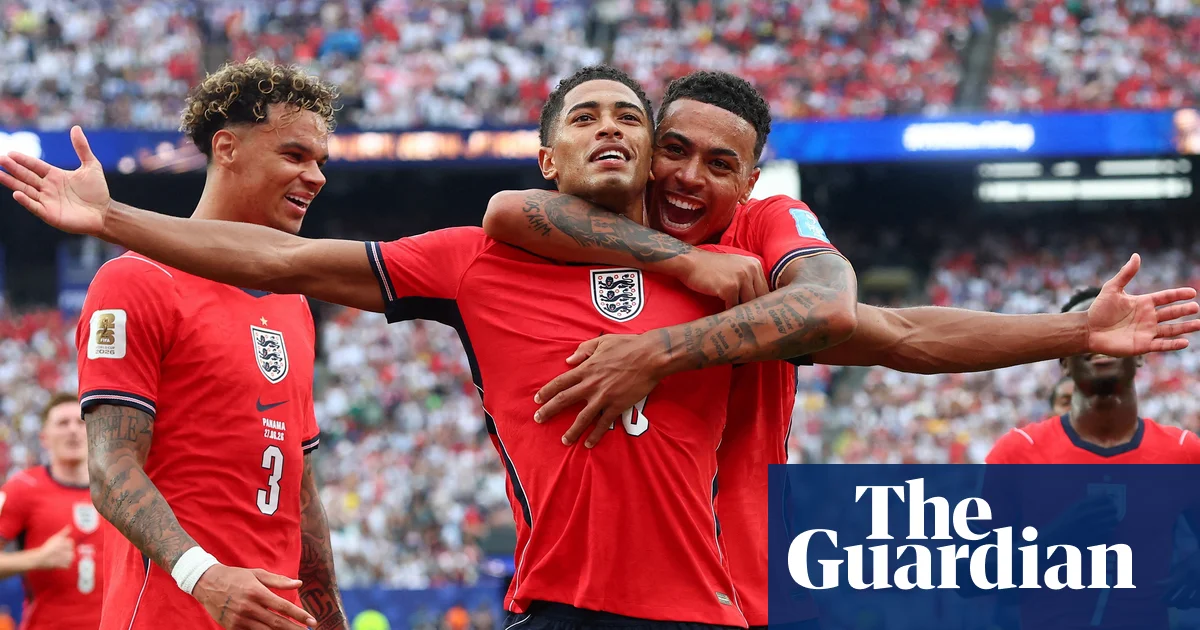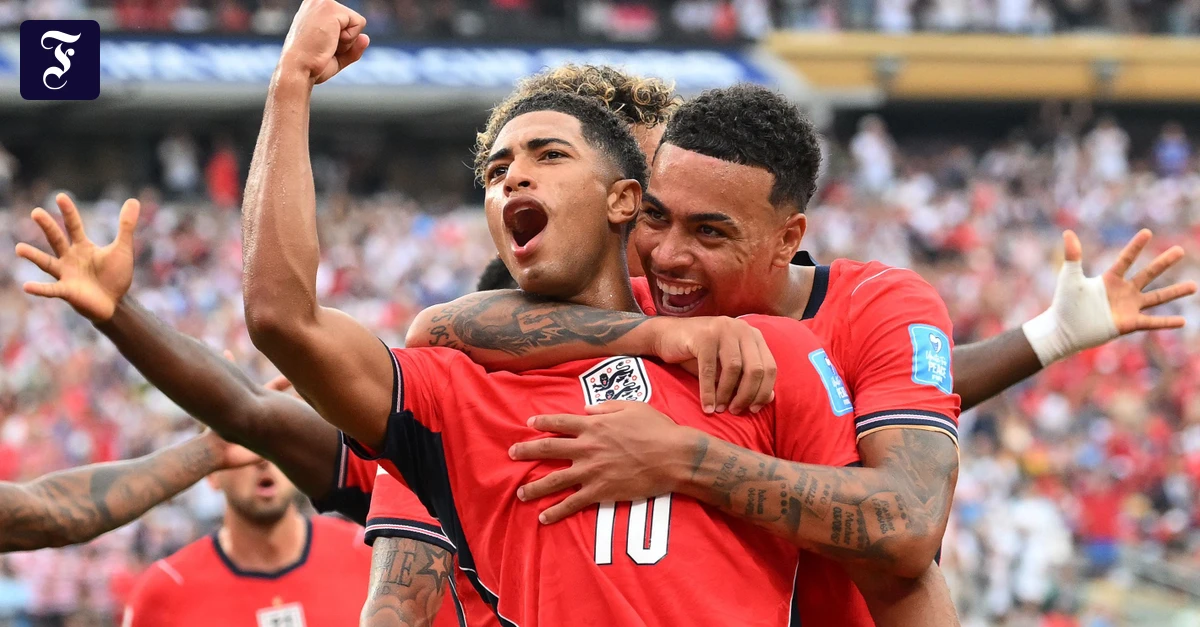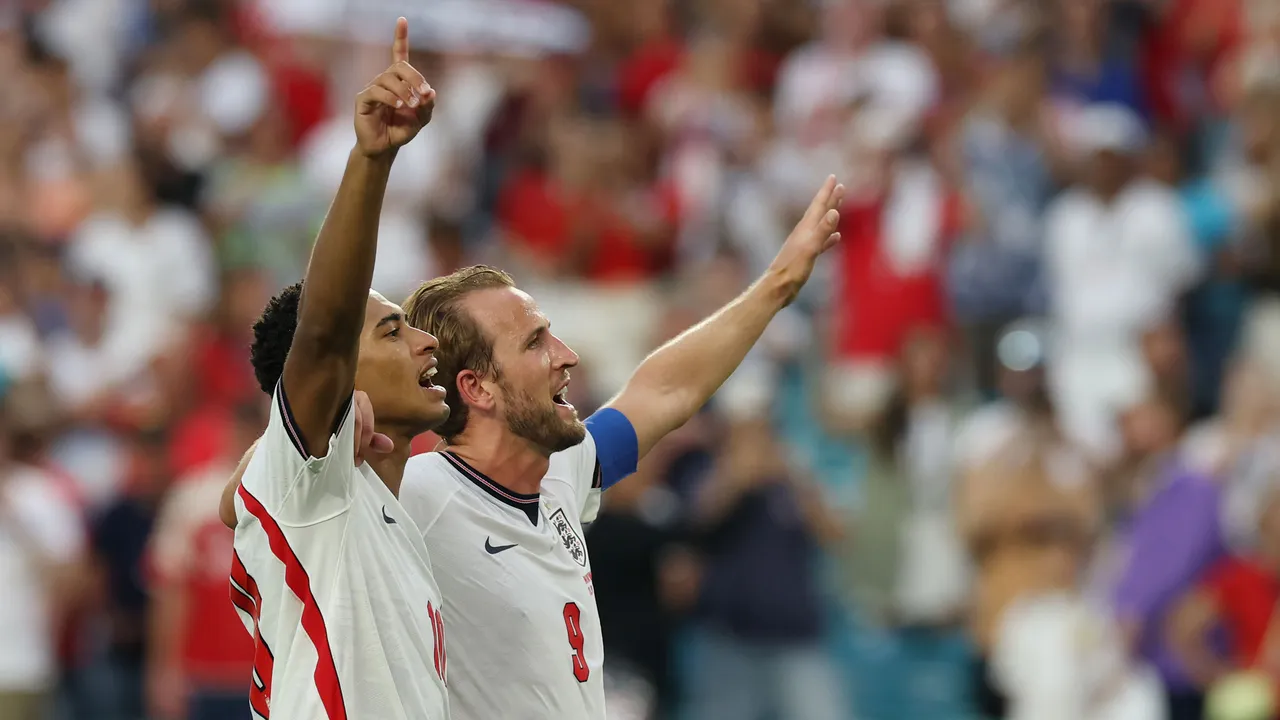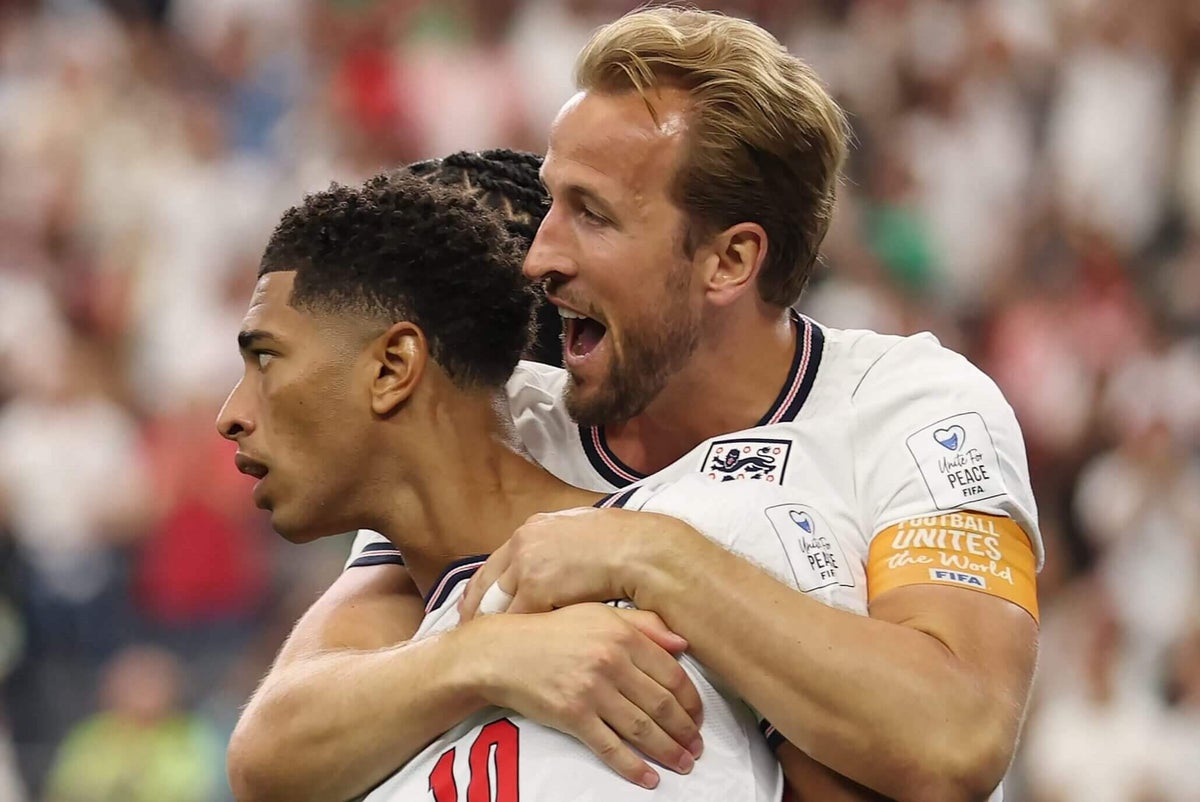
As England secured their spot in the World Cup knockout stage for the third tournament in a row, two very familiar names appeared on the scoresheet.Of the last 11 games that England have won at major tournaments, 10 have seen either Harry Kane or Jude Bellingham find the net, while Saturday’s 2-0 win over Panama was already the second time this summer that both have nicked a goal in the same match.When England win, their star striker and do-it-all midfielder usually have their say.That is hardly surprising given their quality — no player comes close to Kane’s 98 league goals since his move to Bayern Munich, while Bellingham, still only 23, has covered every blade of grass for Real Madrid across three busy years.Even so, their efficiency on the international stage stands out, particularly given how often they dig England out of stodgy games. Think Bellingham’s dramatic overhead kick against Slovakia in 2024, or Kane’s header to put the contest to bed four days ago. When the pair do link up in the final third, they often carve out the biggest chances in otherwise tight contests.With the help of FIFA’s Football Performance Insights team, as well as FIFA Technical Study Group member and former Denmark striker Jon Dahl Tomasson, The Athletic breaks down how they dovetail so well close to goal.Why Jude Bellingham Is Still Being UnderratedDespite their clean-sheet victory, England struggled through large periods of the game to break down Panama’s compact low-block shape. Thomas Christiansen’s side covered the width of the pitch in a 5-4-1 formation, leaving little space between the lines for England’s talented creative midfielders to receive the ball.“We have seen quite a few matches where teams have stayed resolute in a deep shape,” says Tomasson. “It can be difficult to find the vertical passes to break them down, and if the team in possession are standing with lots of players surrounding the shape, you’re only playing around, which can make for a slow game.”“These can be tough for a striker, not touching the ball too much. You can be fluid, move side to side along the last line, but you do not want to drop too deep as there is not much space, and you don’t want to slow the game down.”Indeed, Kane had only 10 touches in the first half against Panama, fewer than goalkeeper Jordan Pickford. He lurked behind the Panama defence, occasionally switching positions with Bellingham, but was largely on the periphery.“This is where off-ball running comes in,” says Tomasson. “It is so important to help break down these shapes — you have to force the defenders to make a difficult decision. For a striker, having runners beyond you is essential to open up space”England were not hugely inventive in that regard throughout the first half, but there was a glimpse of Bellingham’s potential running from deep in the clip below.After he switches the ball to Marcus Rashford, note how he spots the space and crashes through the Panama shape, able to receive a pass inside the box with a trademark in-to-out run.When it comes to off-ball running, few can match Bellingham’s repeated intensity and dynamism in the England squad. According to FIFA Football Performance Insights’ enhanced data set, only Noni Madueke has made more offers to receive passes in behind than the midfielder, while he also leads the way for offers to receive between the lines. Crucially, with Elliot Anderson usually the player to pick up the ball from the centre-backs, Bellingham can push forward and make more forward-thinking runs further up the pitch, as he did with increasing regularity in the second half against Panama.“When we had the ball, he played in the No 10,” said head coach Thomas Tuchel after the game. “We played with six players on the last line, we put Nico O’Reilly also on the last line because we knew that they would defend with five. We could have been more aggressive in these positions in the first half. And then in the second half, the goal came from that movement.”The clip below shows how Bellingham’s run creates the space for England’s second goal. First, we see the build-up shape that Tuchel references — Anderson deep, and six players across the last line — while Panama are compact in their 5-4-1.Winger Marcus Rashford drops to receive the ball, attracting Amir Murillo’s attention and triggering the all-important movement from Bellingham. The midfielder attacks the space between the centre-back and the wing-back, receiving the ball in a one-vs-one scenario out wide.As Bellingham squares up to his defender, we see how the opposite movements of Rashford and Bellingham have completely opened up Panama’s rigid defence. Murillo has been dragged out of shot, while Bellingham has committed another wide defender. It leaves Kane with precious space in the centre, where he can make his move to attack the cross.“It is brilliant movement in the box from Kane, and a great header. At the moment Bellingham shapes to cross the ball, he starts moving, uses his arm for leverage and powers in front of the centre-back.”“That understanding is pivotal, but also the quality of both players — timing, positioning, execution. But you are able to see all of that because of the original opposite movement from Bellingham. Kane is not crowded out by defenders, and finally his patience is rewarded.”“Jude is a fantastic runner with and without the ball, making runs in behind from deep,” Kane told reporters after the game. “He’s so hard to track, he’s strong and physical, and the cross he put in for my goal just shows his quality.” England’s second goal was not the only example of Bellingham’s unrelenting running and quality in the final third. Minutes earlier, he shows to receive a pass between the lines, before spotting the same pattern; as Rashford drops deep, the space emerges to attack.Bellingham once again receives the ball wide, and shows his technical ability to take on the wide defender and barge into the box. Though his cross doesn’t find Kane on this occasion, see how the striker — surrounded before Bellingham’s dart out wide — is left one-vs-one in the box.“A lot of people underrate the value of the run, as they are not always found,” says Tomasson. “But someone with Bellingham’s capacity to attack the space is so important to generate chances. These opposite movements stop it becoming what I call ‘walking football’, passing from A to B to C, around, around rather than through.”Tuchel spoke about the importance of “working in units” in his post-match press conference. “If we all just play freestyle, no one knows what the other one is thinking. So we want to play more in patterns and units, and I feel that the understanding is getting better.“Jude is a part of that. We want to be consistently finding players in these spaces, and then they should take advantage with the quality that they have.”Bellingham’s opposite movement with the winger is clearly one of those patterns. The visualisation below shows how many of Bellingham’s runs targeted by passes end in the wide areas, also capitalising on the space against Croatia after a similar move to the right flank.The energy and athleticism is one thing, but to follow such hard work without the ball with moments of quality on it helps Bellingham stand out.One of the more intriguing aspects about Bellingham and Kane’s relationship is that despite the huge share of attacking responsibility they share, having scored 10 of England’s last 14 tournament goals, they link relatively infrequently with the ball.The graphic below shows every time the pair have passed to each other so far at this World Cup. Kane has laid two short passes to Belllingham after dropping deep to collect the ball in midfield, while the midfielder has only found his No 9 five times, two of which resulted in a chance on goal.It once again points to the efficiency of their relationship, which is incisive and impactful when they can combine near the penalty area. But it also illustrates that most of Kane and Bellingham’s link-up happens without the ball; swapping positions, searching for space, and identifying ways to take defenders away from the other.“These two players make England extremely dangerous,” concludes Tomasson. “With a flick of a switch, they can combine and change the momentum of games.”With another tough encounter to come in the form of DR Congo in the knockouts, a team who showed their low-block capabilities with a draw against Portugal in the group stage, England will need Bellingham’s movement once again to free up the space for Kane.
Bellingham x Kane: The connection that makes England flow
England's two most important players have an on-pitch bond which has been crucial at big moments
1,432 words~7 min read