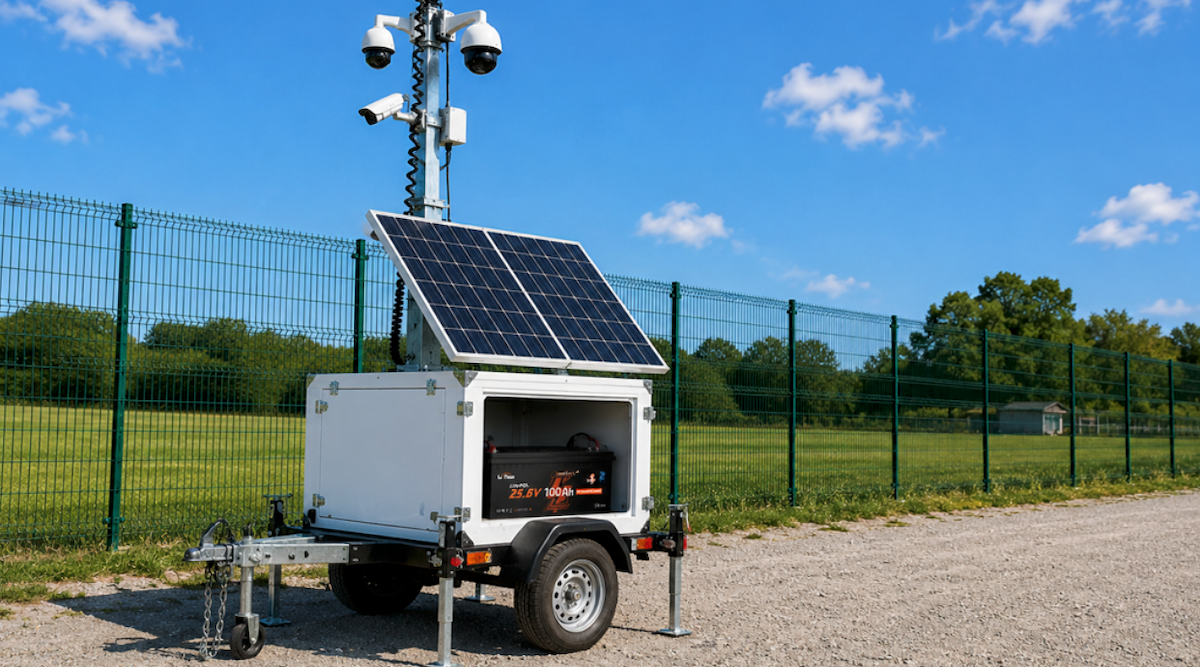
Working on outdoor embedded projects — whether it's industrial control panels, EV charging stations, agricultural machinery, marine equipment, or transportation kiosks — means dealing with harsh conditions: direct sunlight, rain, dust, extreme temperatures, and vibration. A regular indoor LCD will fail quickly in these environments.
In this guide, I'll share practical engineering considerations for successfully integrating industrial-grade LCD modules into outdoor systems.
Why Outdoor LCD Integration Is Challenging
Outdoor environments are far more demanding than indoor ones. Displays must remain readable in bright sunlight, survive wide temperature swings, resist moisture ingress, and maintain long-term reliability (often 24/7 operation). Success requires a combination of proper hardware selection, mechanical design, optical optimization, thermal management, and software support.
Selecting the Right Outdoor LCD Panel