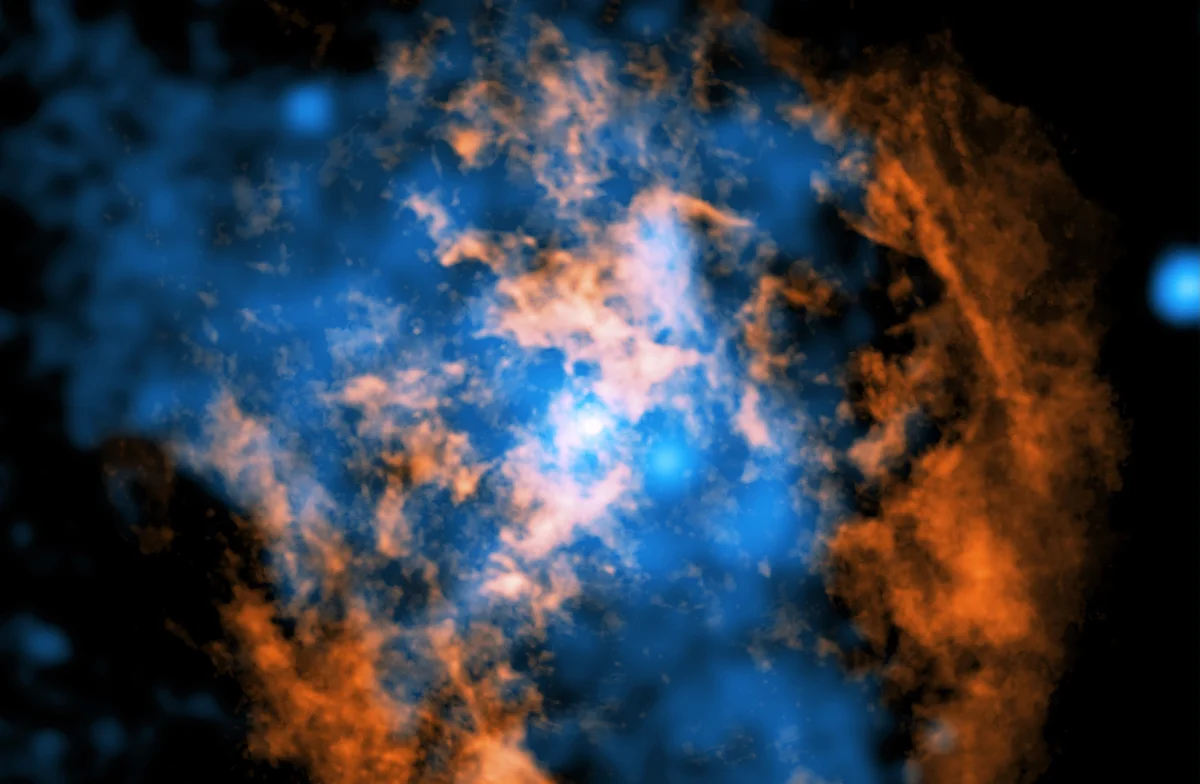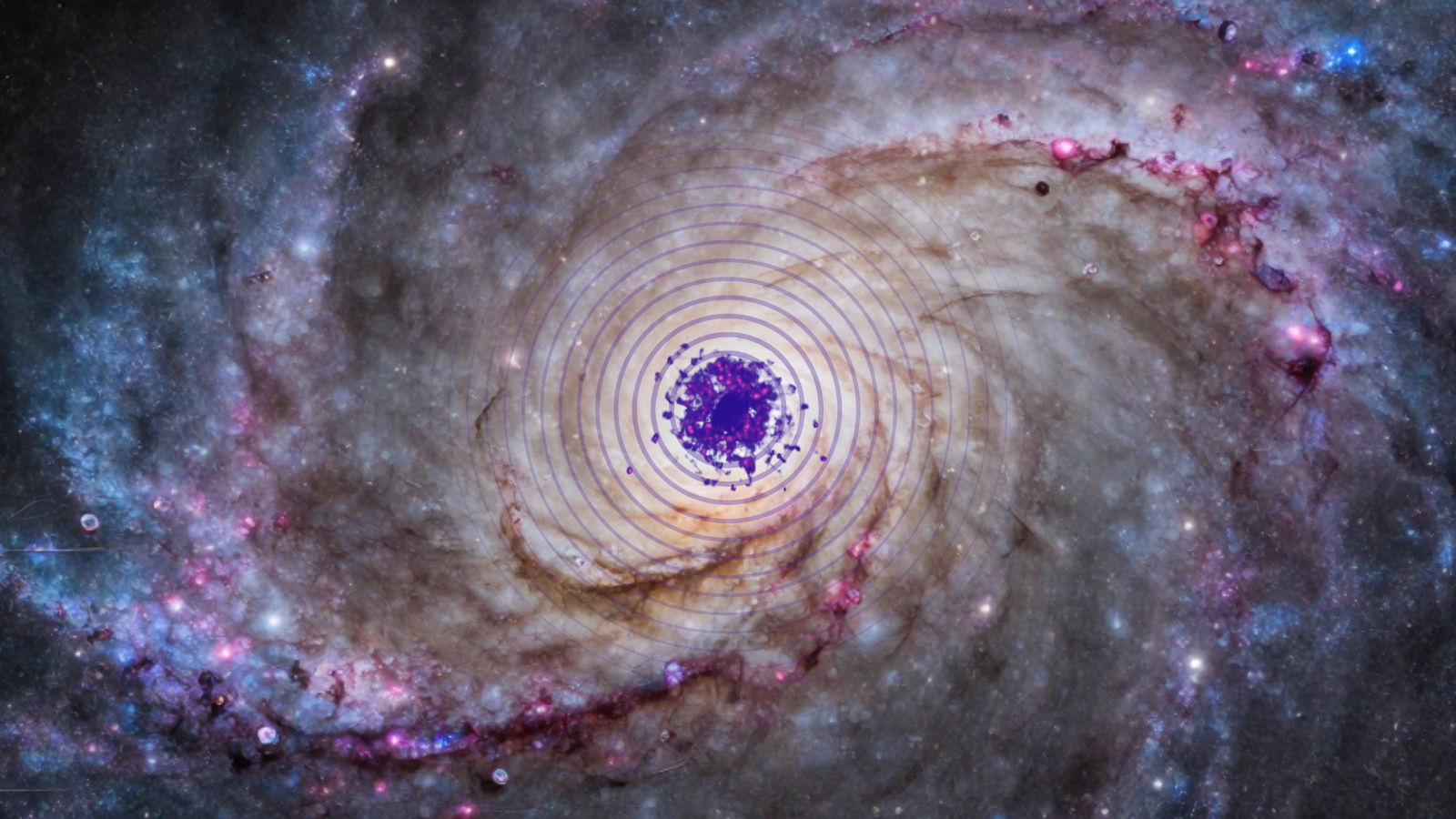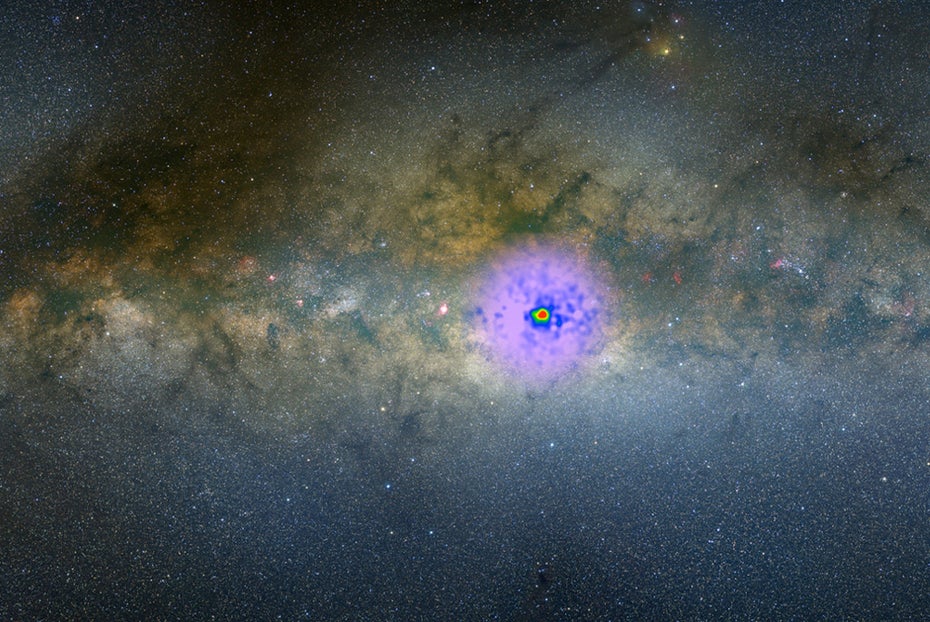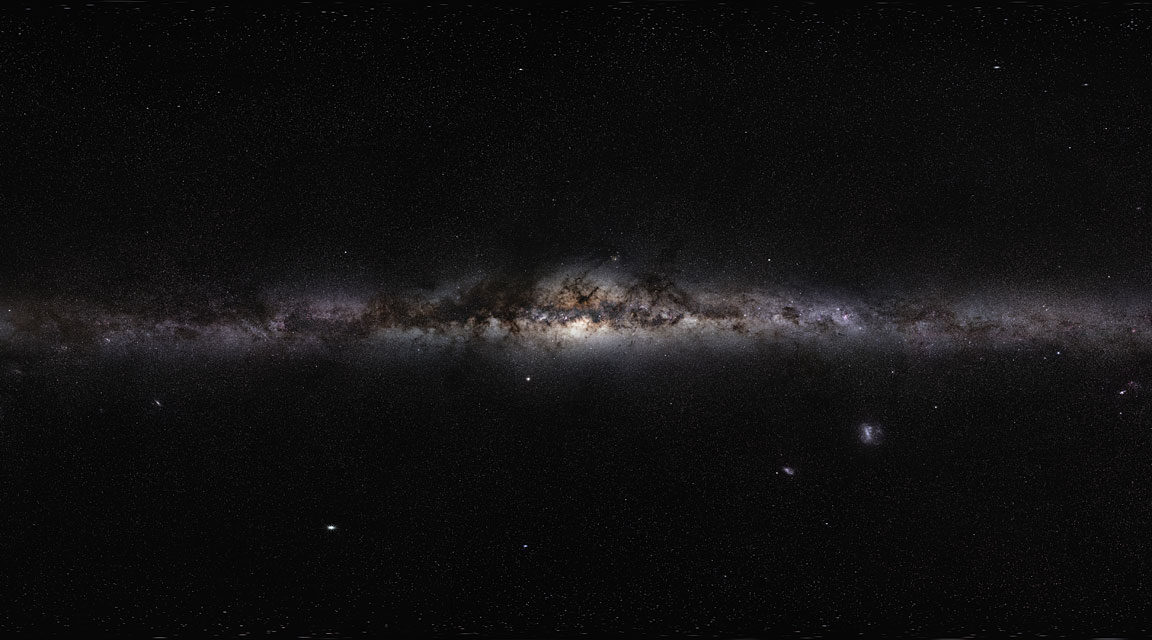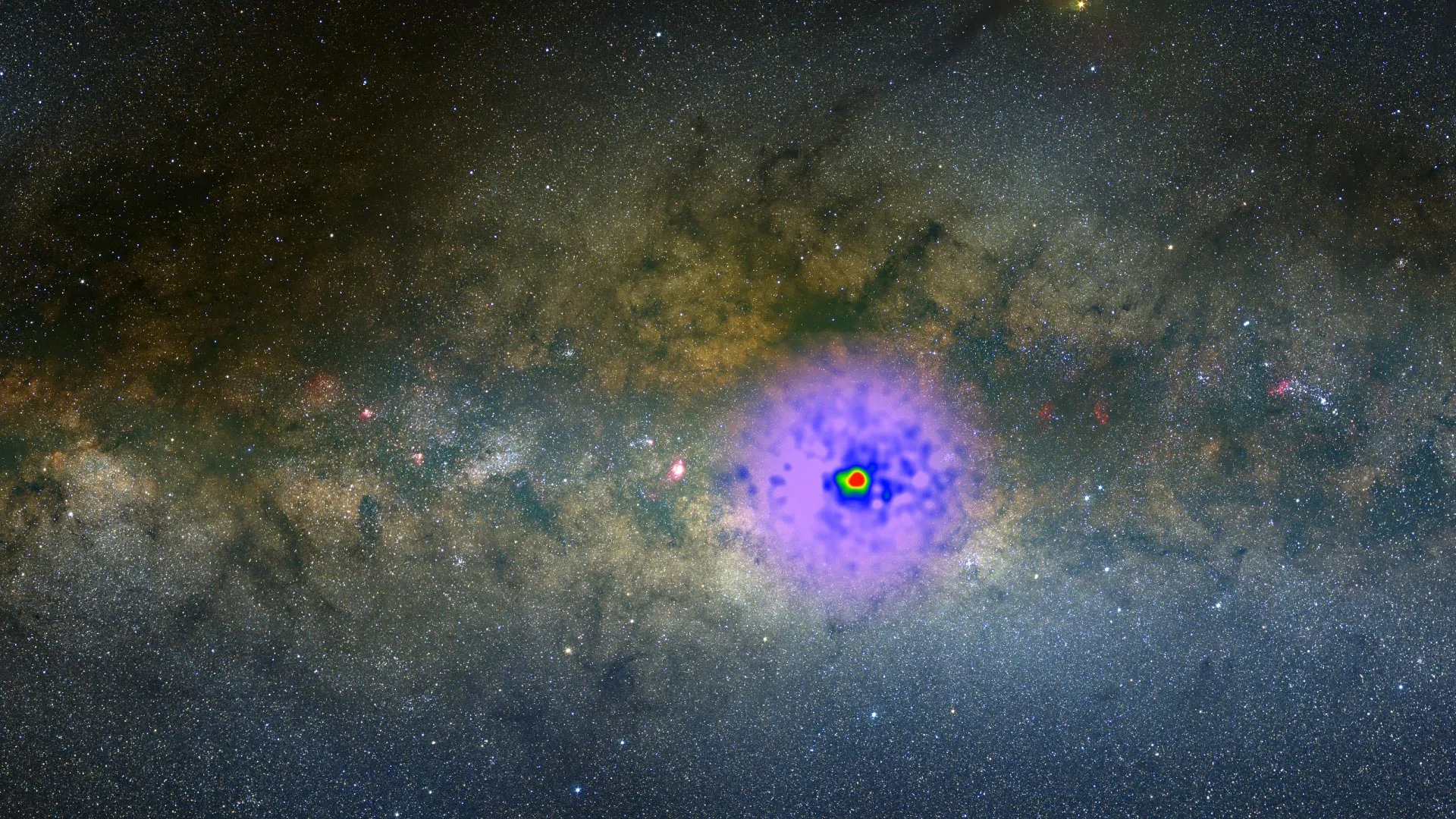
Researchers from the University of Vienna and Lawrence Berkeley National Laboratory have turned to machine learning to take a fresh look at one of astrophysics' most debated mysteries. Their focus was the Galactic Center Excess (GCE), a faint, roughly spherical glow of gamma rays surrounding the center of the Milky Way. For more than a decade, scientists have debated what is producing this unusual signal. The new findings suggest that dark matter remains a viable explanation and cannot yet be dismissed. The study was published in Physical Review Letters.
The Galactic Center Excess (GCE) is a broad glow of gamma rays that extends thousands of light years around the Milky Way's core. Researchers have proposed several possible explanations for its origin.
One possibility is self-annihilating dark matter, a hypothetical form of matter that makes up much of the universe's mass but has never been directly detected. Another leading explanation involves a large population of millisecond pulsars, rapidly spinning neutron stars that emit high-energy radiation.
Despite years of study, scientists have not reached a consensus on what is causing the signal.
"Interpreting the signal is particularly difficult because the Galactic Center is an exceptionally bright and crowded region of the gamma-ray sky," explains Florian List, study author and researcher at the University of Vienna.