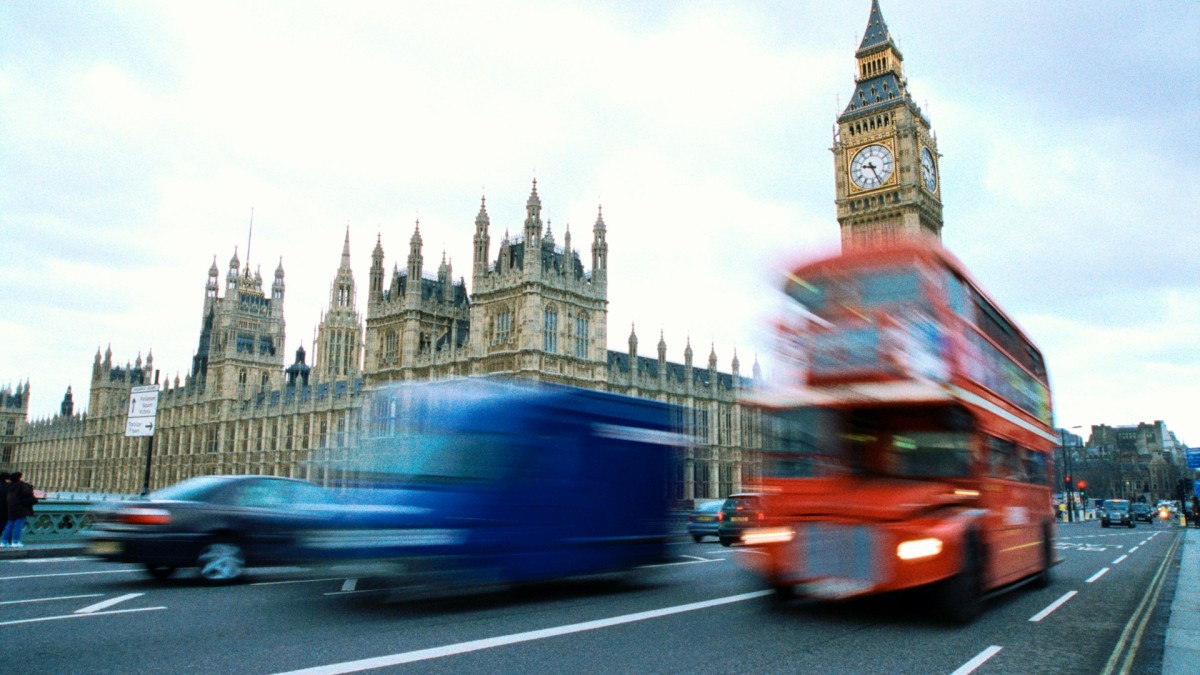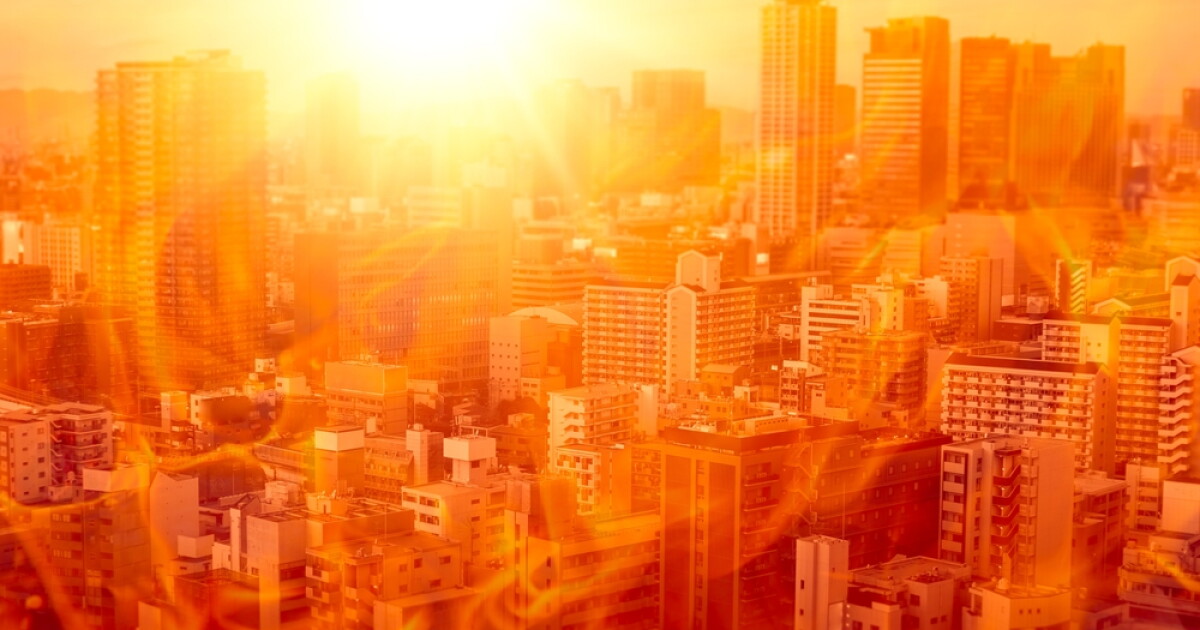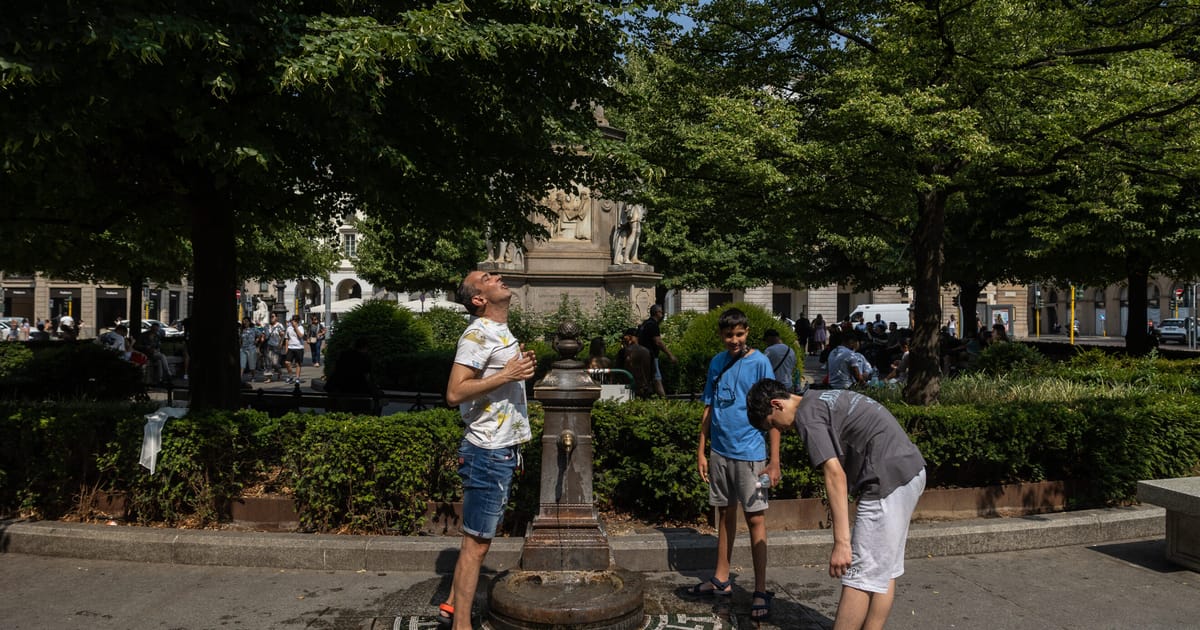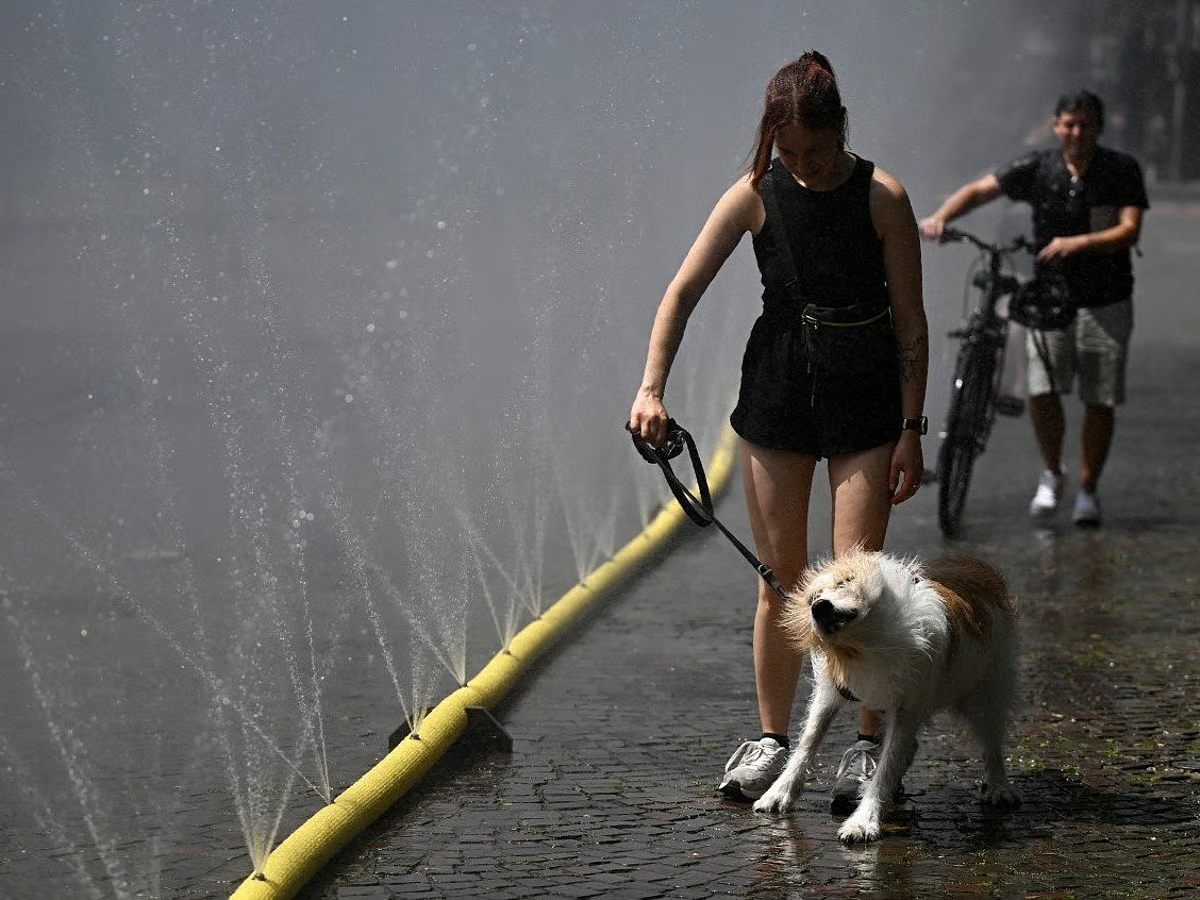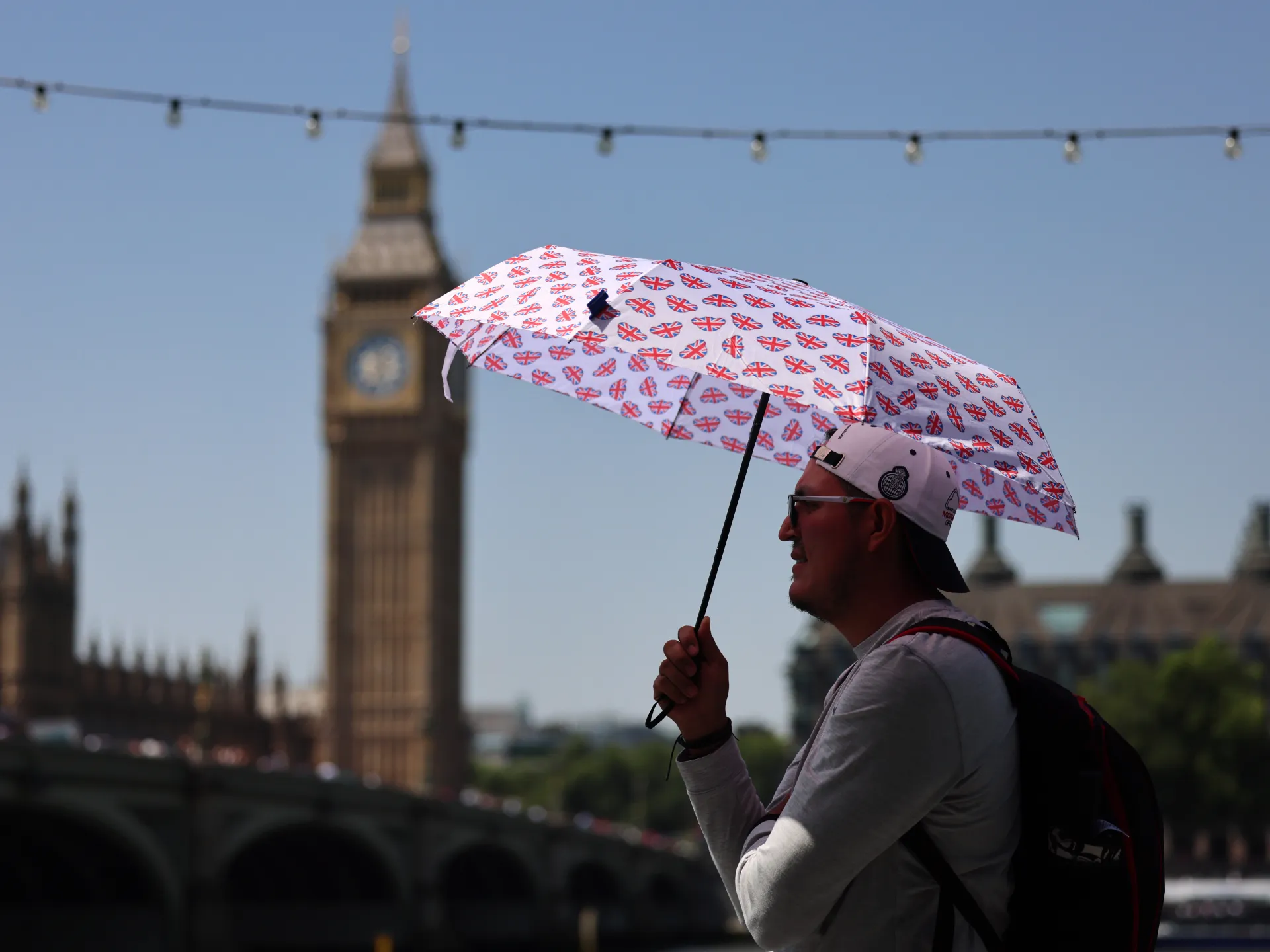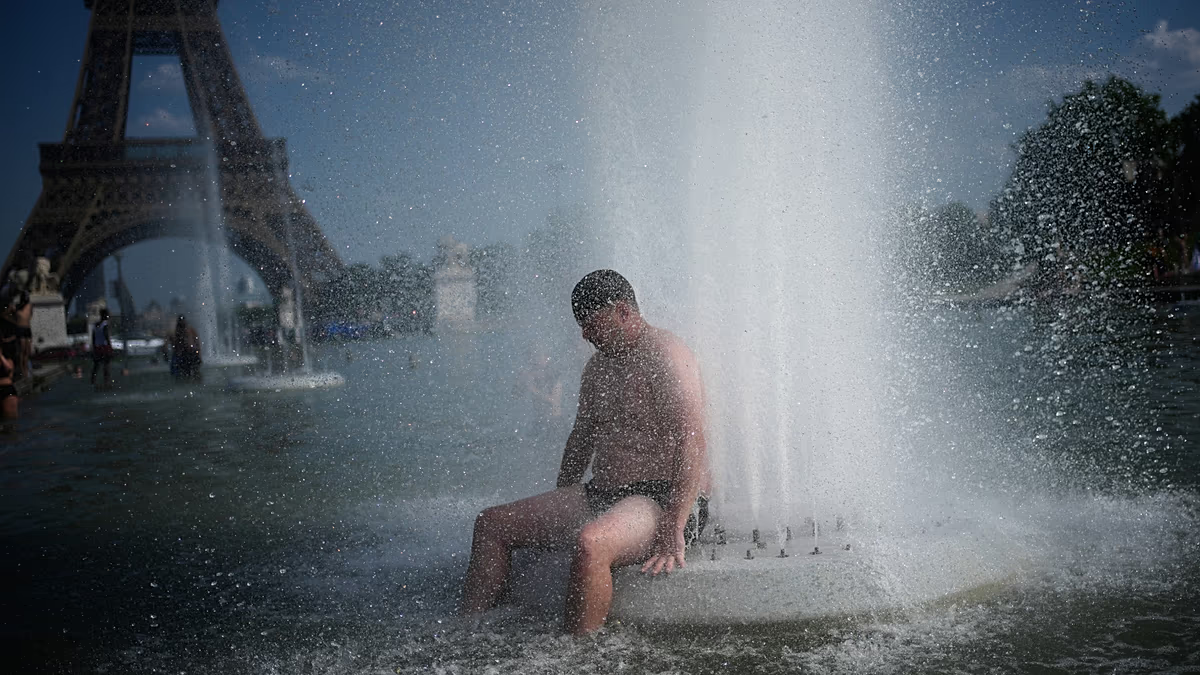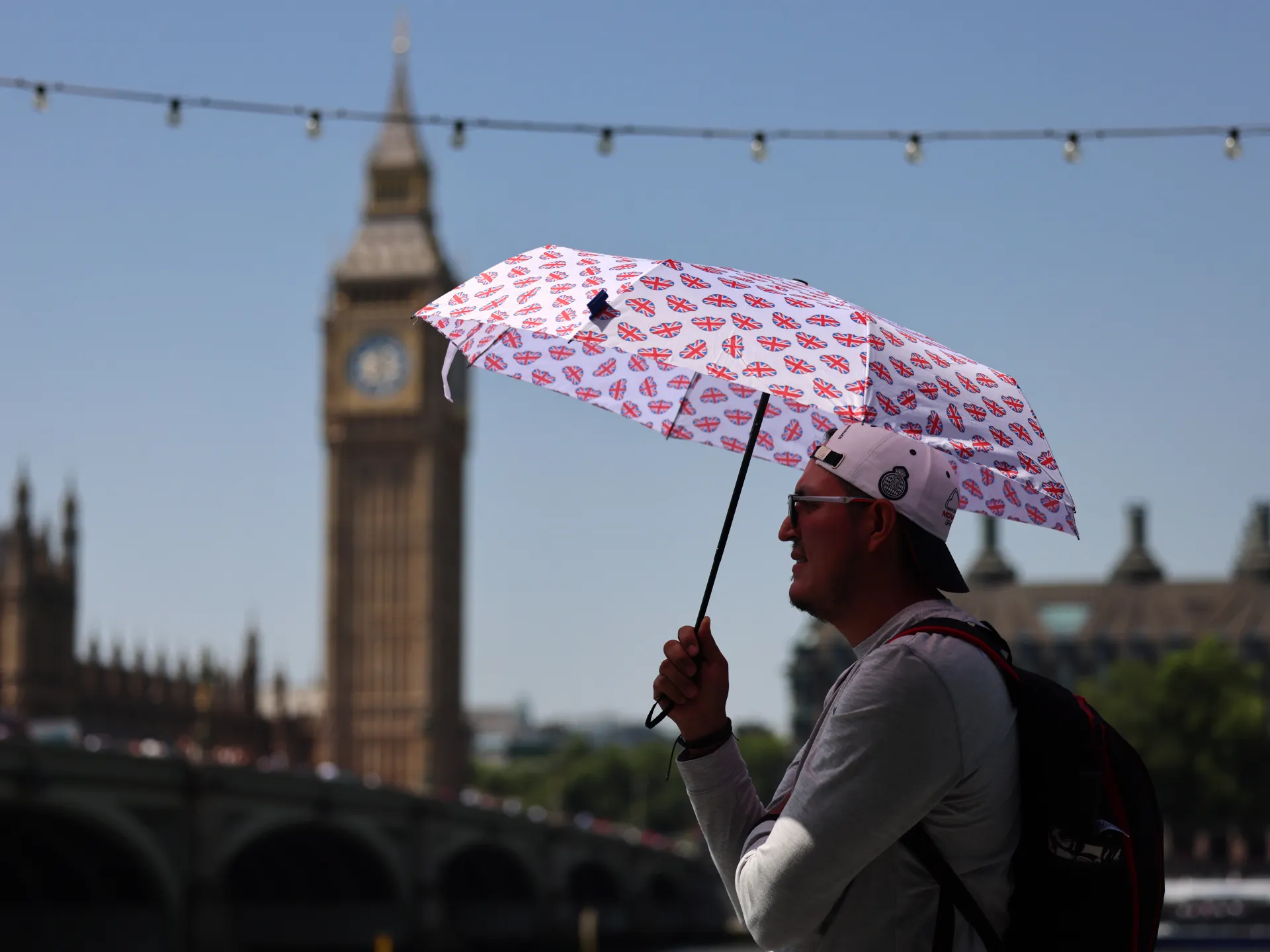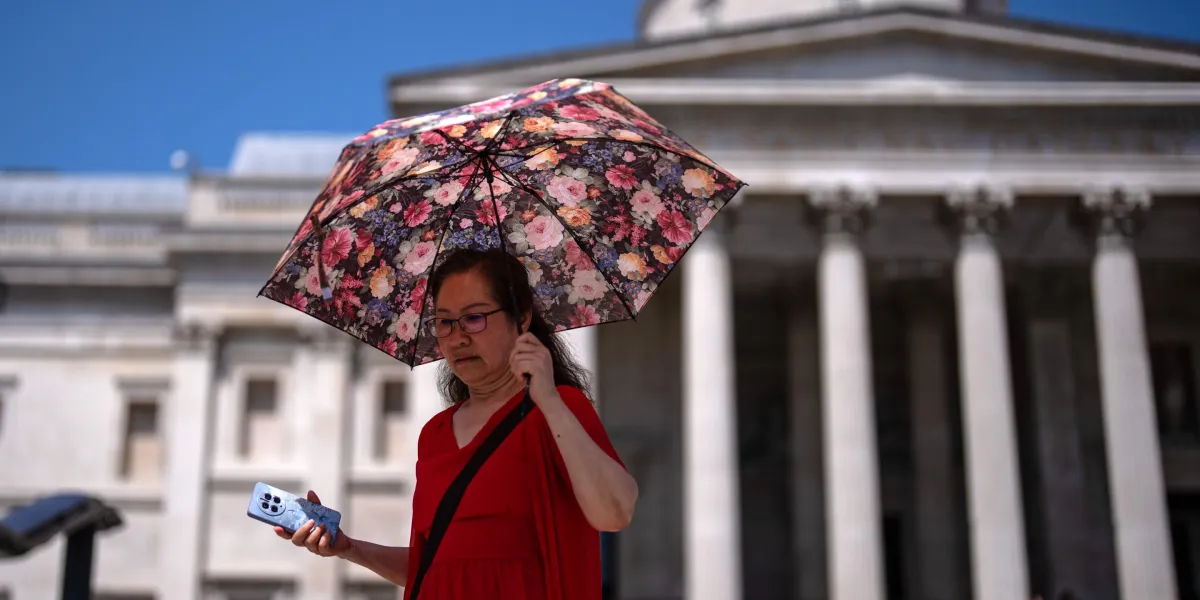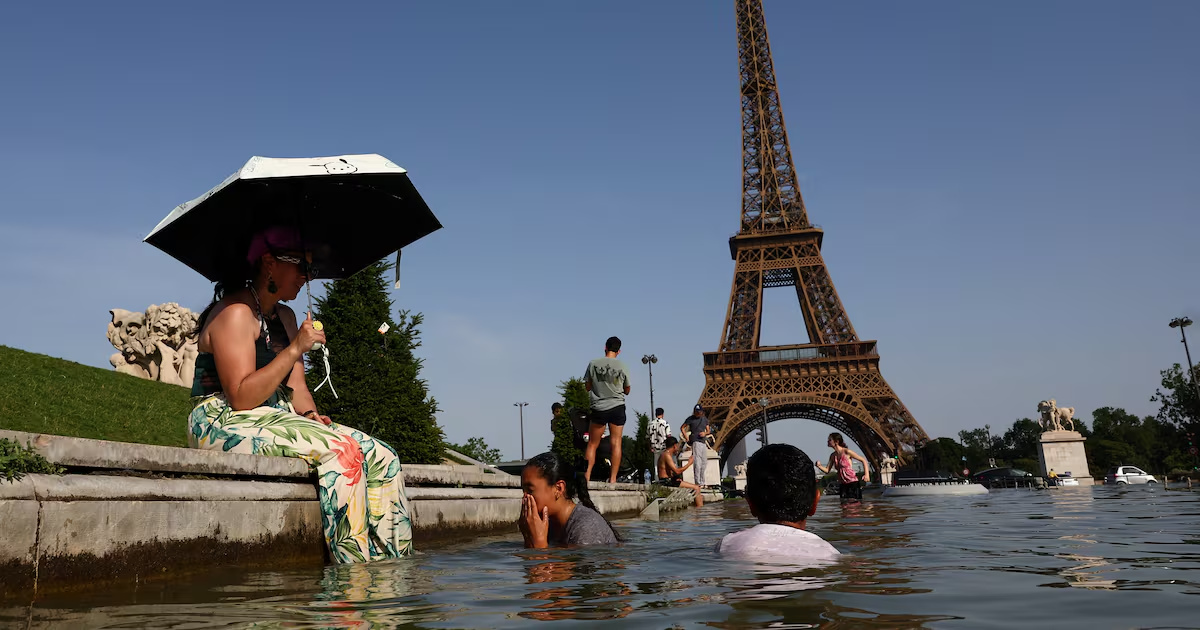
As I moved from London Climate Action Week last week to the Hamburg Sustainability Conference this week, I simply followed Europe’s extreme heatwave east. Out of the frying pan into the fire, so to speak. Europe is warming faster than any other continent, though the impact will be harshest in Africa because it is the least prepared to suffer the consequences of global warming. Since many of the oil, gas and other fossil fuel companies that are, and continue to be, the main cause of carbon emissions and that it was Europe’s Industrial Revolution that started the whole process of anthropogenic changes to the climate, and that developed countries in general have failed to act with the urgency required by the science, one might say that the chickens are now coming home to roast. The intriguing political question I continue to ponder is when the tipping point will come — the moment when the general public realises that those with the power to take action failed to do so. Many corporate leaders — of decently run and serious-minded companies — have concluded that they have done what they can and that they can do no more. From the boardrooms of large multinationals I have heard a similar message: governments have failed to regulate markets firmly enough, and so those who take action are often penalised while those who continue to recklessly burn carbon into the atmosphere often prosper. Why should we do more? Meanwhile, the political class has failed abysmally, with noble exceptions. Until now, many people have been happy to be told what they want to hear by populist politicians and other climate change denialists: climate change is not real or not so bad; or that it is a communist conspiracy; or that the mitigation action required to shift from an energy system based on fossil fuels to a renewable one will be too difficult and too expensive and will cost too many jobs. When this is exposed to be the tissue of lies that it is, my instinct is that people will be seriously annoyed. They will ask, rightly: what were you doing? Were you asleep at the wheel as the planet heated up? Climate breakdownBecause, as ever, it will not be the middle class — and certainly not global elites — who will bear the brunt of the climate breakdown, although watching the sustainability professional class sweat its way around the London Underground last week was quite a sight to behold. So this is how it ends. As the climate crisis really bites, with every quarter-percentage of warming over pre-industrial levels, anger will rise, and a different kind of revolution will brew. It raises profound questions about how the broader public is to be engaged in this conversation, because right now they are largely excluded from it — and certainly from the unevenly air-conditioned conference rooms of London and Hamburg. As a new paper on the subject of community engagement by my Cambridge Institute for Sustainability Leadership colleague Sikho Luthango notes, communities that will be affected need to be consulted properly. Her South African case study focuses on how the rapid shift to renewable energy, which is now rightly unstoppable, creates its own momentum and political economy as new commercial interests establish themselves in the economy. Ensuring that the transition creates new value chains alongside the solar, wind and hydro renewable energy generation and transmission will be vital for social legitimacy, commercial viability and the kind of “whole economy” transition that will enable economic development to be part and parcel of the energy revolution. To quote the paper: “Failing to engage communities meaningfully is not only a social risk but a delivery risk. It is associated with project delays, potential cancellation, legal challenges, negative media coverage and investor pressure, with direct operational, financial and reputational consequences.”As conversations about adapting to, as well as mitigating, the climate breakdown continue, democracies will need to ensure those conversations are inclusive and not exclusive, even though the primary responsibility for action lies with those who have the power and authority to act. • Calland is director of the Africa and Board Leadership Programmes at the Cambridge Institute for Sustainability Leadership and visiting adjunct professor at the Wits School of Governance.
RICHARD CALLAND | Europe sweats and melts — climate action can no longer wait
As Europe endures record-breaking heat, governments face growing pressure to accelerate climate action and ensure the transition to clean energy is fair and inclusive
709 words~3 min read