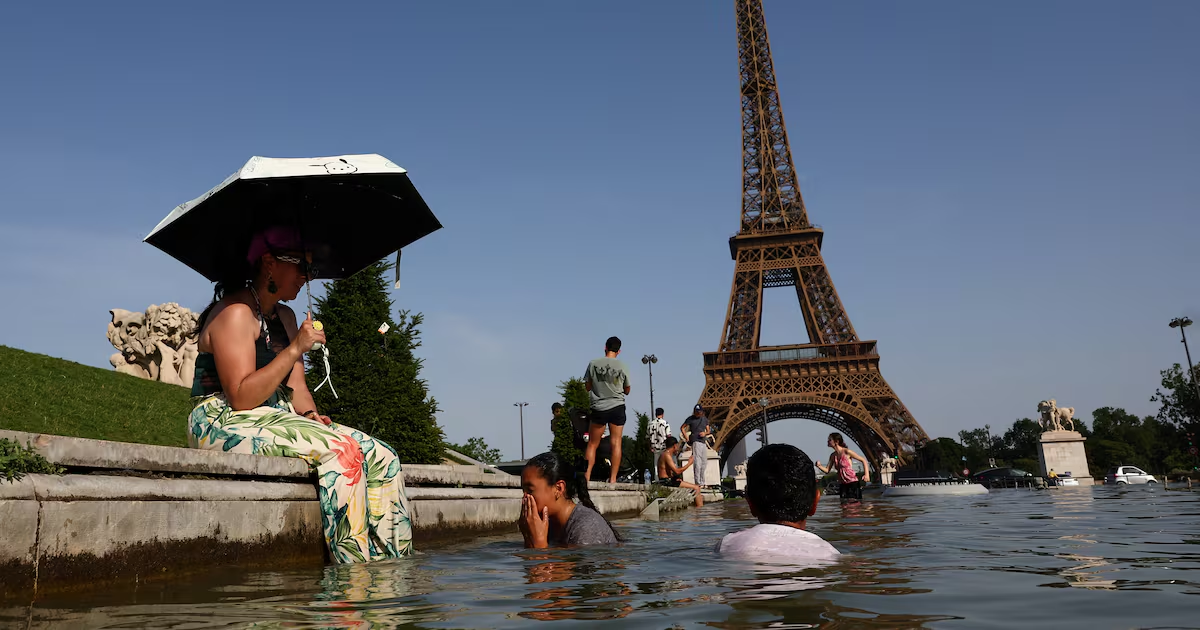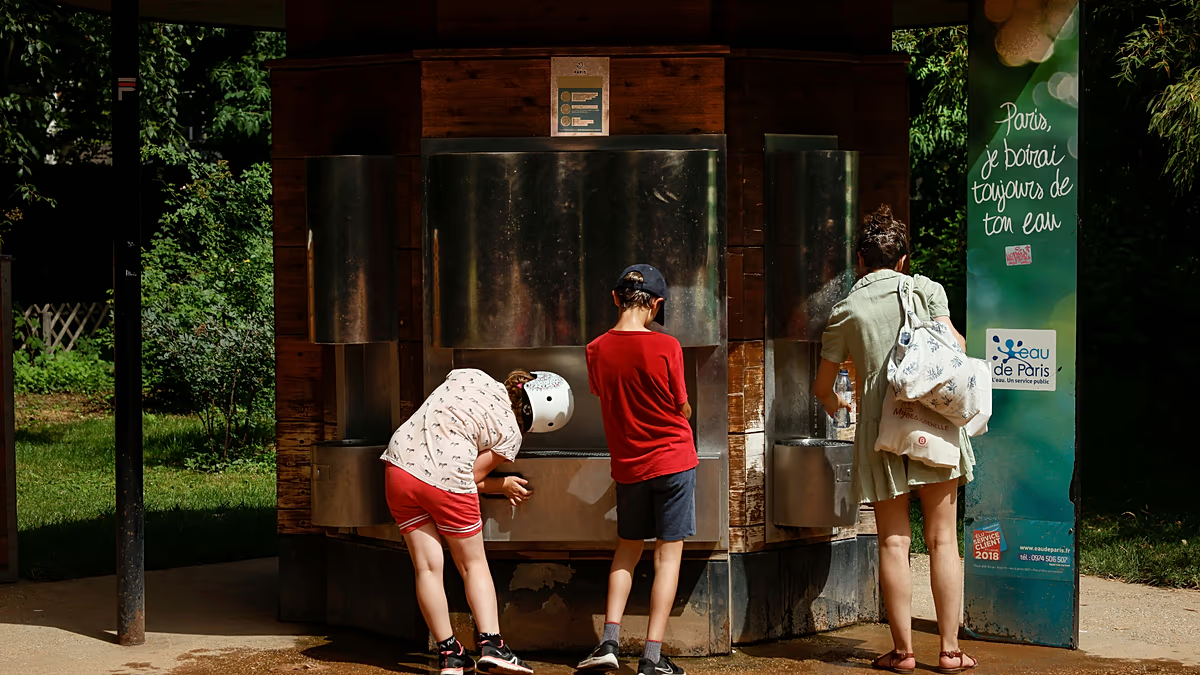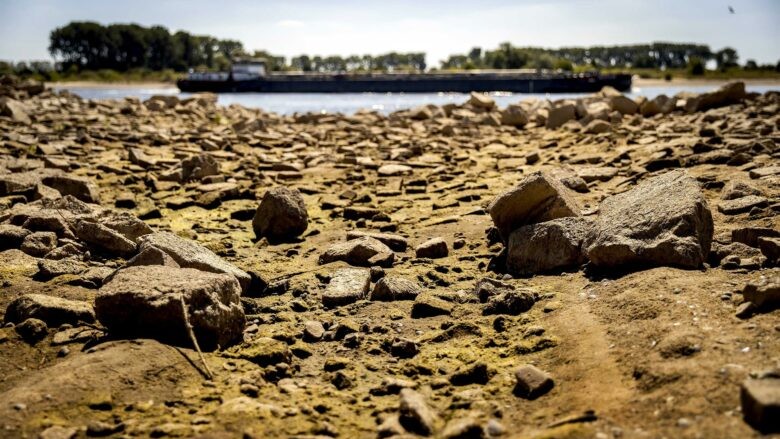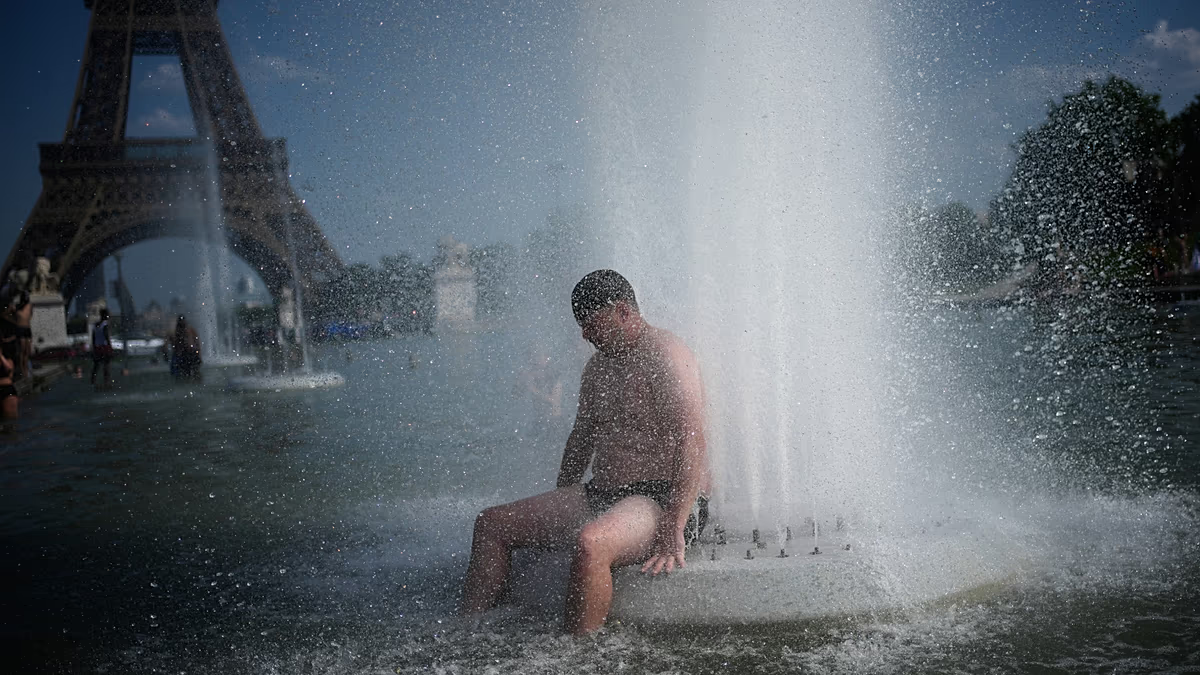
London Climate Action Week took place during an intense heat wave last week, causing some of the planned events to be cancelled and calling extra attention to the urgency of the summit’s cause. One of the biggest takeaways of the event, underscored by the weather, is that Europe has missed critical opportunities to catalyze the clean energy transition and mitigate greenhouse gas emissions.A number of bankers present at the London Climate Action Week were in agreement that “EU authorities risk curbing investments in the continent’s energy transition because of a combination of a failure to integrate its capital markets and regulatory shortcomings,” according to a recent sideline report by the nonpartisan global news outlet Semafor.More specifically, Barclays executives told the media that “European and UK regulations are too prescriptive about favored technologies in the energy storage sector, and officials should seize an opportunity to play a greater coordinating role between entrepreneurs and financiers.”Set OilPrice.com as a preferred source in Google here.European energy markets have been in extreme duress in recent years, as the continent has been rocked by multiple successive global energy crises. European leaders have floundered in the wake of these crises, failing to put sufficient protective measures in place to prevent history from repeating itself. Earlier this year, the BBC reported that Europe had “sleepwalked into yet another energy crisis” when the closure of the Strait of Hormuz hit markets that had not yet recovered from Russia’s war in Ukraine and subsequent energy sanctions and supply chain disruptions.In light of this continued geopolitical volatility in fossil fuel supply chains, it’s increasingly clear that diversifying energy mixes and a greater degree of self-reliance is critical to shore up energy security in Europe and abroad. Solar and wind power are no longer merely a moral imperative and critical strategy for combatting climate change, they have become the new face of energy autonomy and resilience.“Wind and solar cannot be embargoed, blockaded, or shut off by a foreign power,” David Frykman, General Partner at Stockholm-based venture capital group Norrsken, wrote in an op-ed for Fortune earlier this year. “Every terawatt-hour of domestic renewable generation is a terawatt-hour that no adversary can weaponize.”But while Europe has taken considerable steps toward building up its own renewable energy capacities in the years since Russia’s invasion of Ukraine, the following energy crisis stemming from the United States and Israel’s war in Iran shows that those efforts have been insufficient. Europe is currently facing a major energy gap and a dangerous heat wave.“Extreme heat is emerging as a structural economic risk, with Europe highly exposed,” states a new risk report from Allianz. By 2030, Europe’s largest economies could lose more than $600 billion due to heat-related expenses and shortfalls according to the report. The biggest losses are projected for France ($240 billion), Italy ($147 billion), Germany ($131 billion), and Spain, ($120 billion).“Instead of concentrating on much-needed long-term plans - about how to make Europe more competitive in this increasingly volatile world, [European] prime ministers and presidents are now in a panic over [energy] prices, worried about angry voters and scrambling for short-term solutions,” an anonymous European diplomat told the BBC. “Just like the crisis after Russia’s fullscale invasion of Ukraine. Different conflict. Same European divisions; same dilemmas over energy. We can’t keep going round in these circles. Something’s got to give.”One of the critical steps toward ending that cycle is to make the continent’s financial markets less fragmented. The high degree of segmentation and red tape in the European Union’s financial markets reduces its power, according to some of the bankers present at the media round table at London Climate Action Week. This, in turn, serves to undermine European startups’ ability to compete for financing on equal footing with companies based in the United States, for example.By Haley Zaremba for Oilprice.comMore Top Reads From Oilprice.comNigeria's NNPC Revenue Drops in May Despite Higher Oil OutputKyrgyzstan Scrambles for Backup Fuel Supplies as Russian Shortage BitesThe U.S. Has More SMR Projects Than Its Four Closest Rivals Combined
Europe’s Energy Transition Stalls as Heat Wave Exposes the Cost of Inaction | OilPrice.com
Bankers at London Climate Action Week say fragmented EU markets and rigid rules are stalling Europe’s energy transition amid a brutal heat wave.
667 words~3 min read