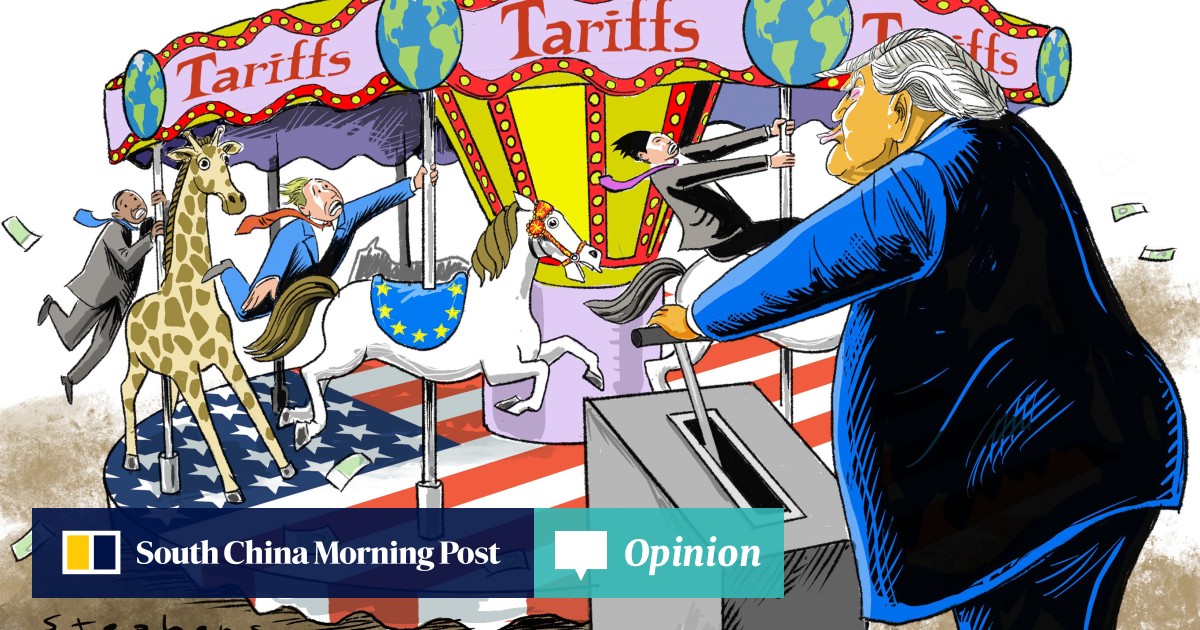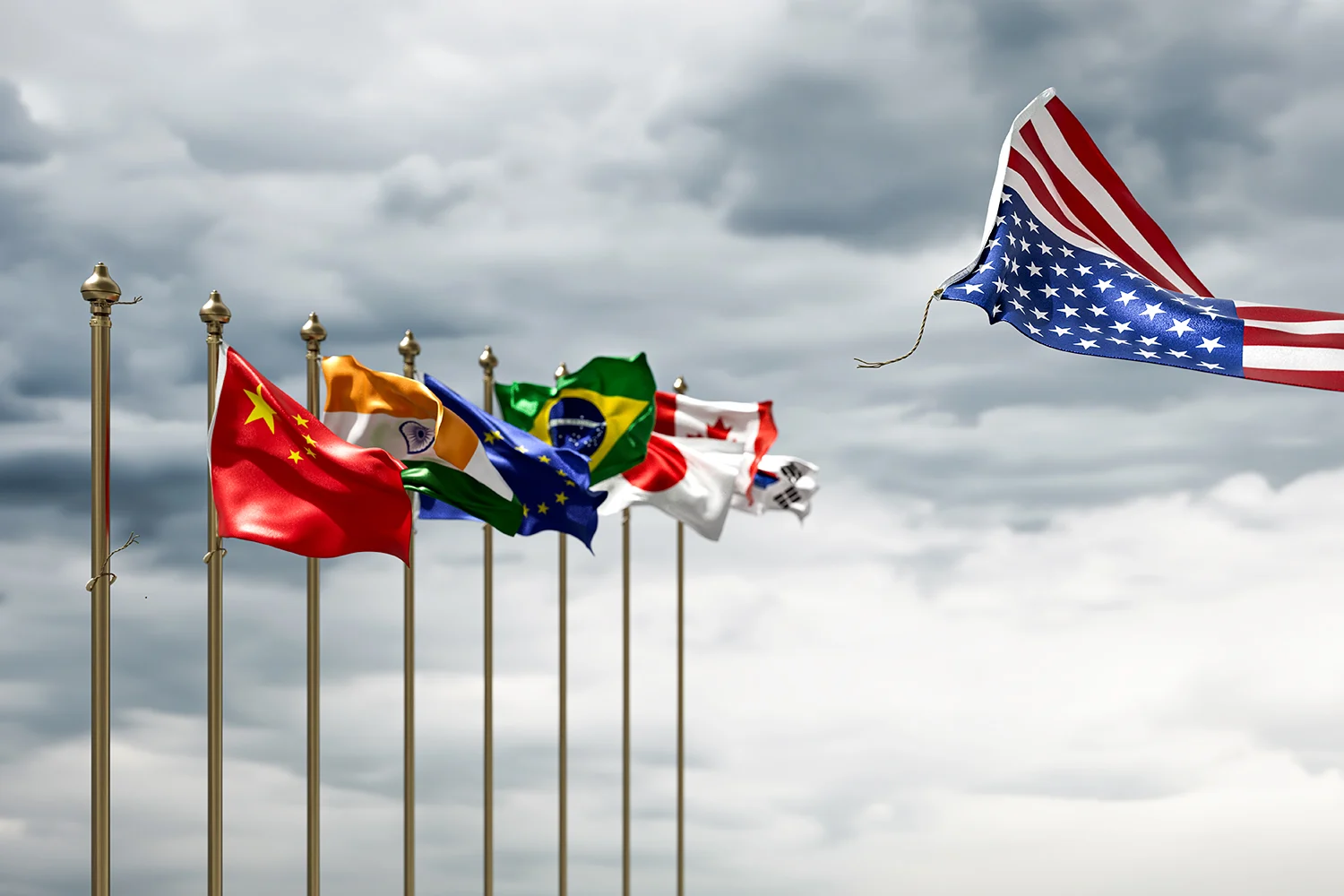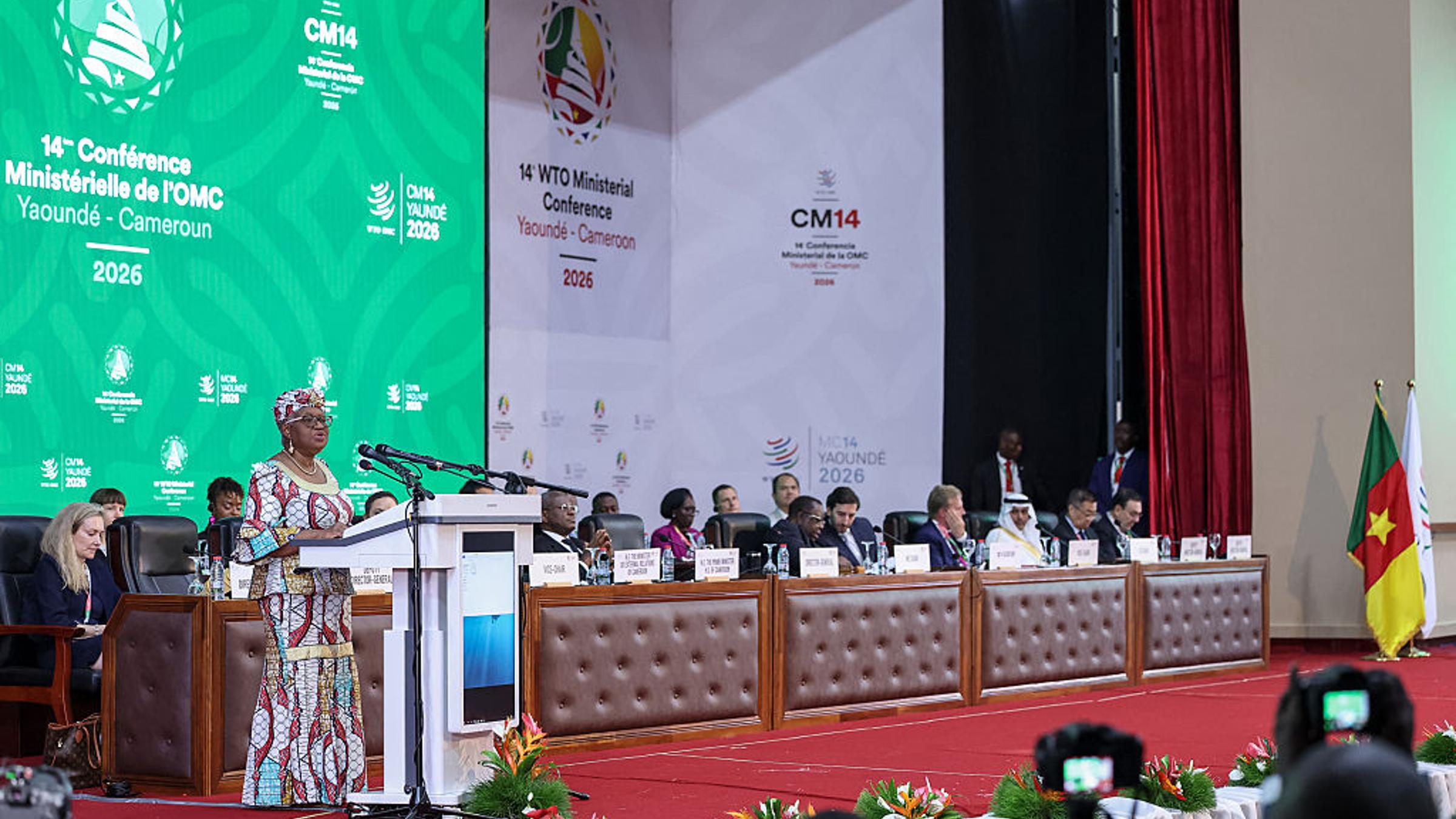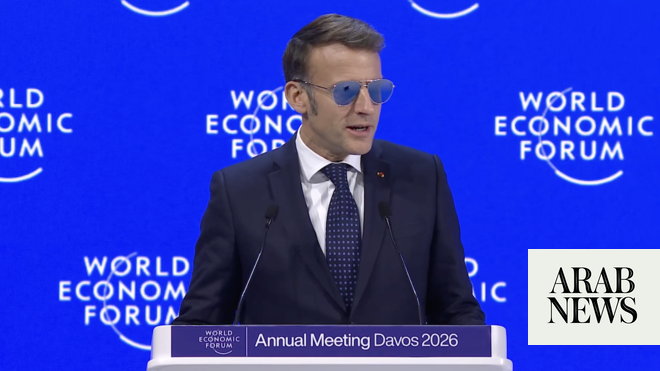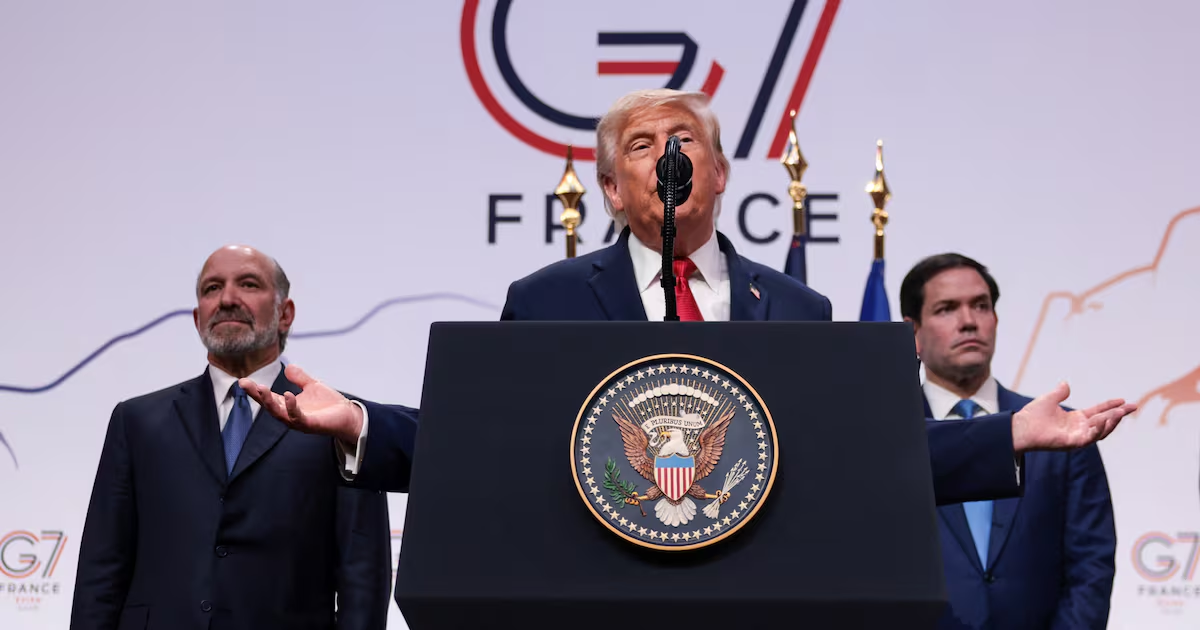
Among several things, there is a general perception that the Donald Trump presidency is bad for the multilateral system. That’s fair. Perceptions matter in the politics of international economic relations. Much of the significance about what Trump represents is lost in the noises about his personality and character, about his leadership within the US, and about the rather deleterious ways he has gone about geo-strategy, from Greenland to Venezuela and across Western Asia. These are among the things that draw much attention from public intellectuals. It is, however, around international bargaining tables where Trump’s imprimatur is explicit and probably indelible unless something is done to stop his onwards march. At least two things have come to the fore over recent months. One is the way he has assumed the role of executive of the ruling elite of the US. The other is the threat he poses to conventions in multilateral institutions, most notably the World Trade Organisation, where most high-level global trade negotiations are still held. (It does not help that the WTO appears to be irrelevant in the world today.)Jointly, these represent a shift from a “technocratic era” to a “corporate/CEO model” of international bargaining which, somewhat ironically, threatens to take the world back to the misty-eyed liberalism of the globalisation decade and the initial years of the millennium — the “globalism” Trump so expressly opposes. It’s probably necessary to clarify that latter point. By 2003, when I spent around a year in and around the WTO in Geneva, the organisation stressed that it served to promote and protect private and corporate interests. The WTO’s website stated that its mission was to secure a predictable trading environment to help producers of goods and services, exporters and importers conduct business efficiently. Since then, at least today, the WTO has moved away from explicitly promoting private corporate interests to a more developmental, people-centric focus approach which emphasises the importance of trade for creating jobs and raising living standards within member countries. It’s still all that globalisation stuff, but with people in mind — not all people, mind you. Differentiations that stick in the craw are between “expats” and “migrant workers” and the free movement of goods and services but not of people.Never mind. If we look at the composition of the delegations Trump despatches, it is clear that career diplomats, international trade lawyers and technocrats that have drawn on decades of epistemic capacity from working within rules-based systems are being replaced with corporate executives. The international bargaining chamber has moved from places like Geneva and the multilateral system to private boardrooms and state dinners where transactional deals are made, and special favours and concessions are traded to secure what has been described as “direct market-share carve-outs”.With this shift, the distinction between public policy and private profit has been elided. Corporate leaders are purposefully seated at bargaining tables beside elected or appointed political leaders, which tells foreign counterparts that the state, the US, in particular, is bypassing the multilateral framework of international bargaining and negotiations. The state was now quite unabashedly the executive arm of private corporations and the elite.For instance, Trump’s sons-in-law, Jared Kushner and, more recently, Michael Boulos, are seated beside US secretary of state Marco Rubio during official meetings and in international negotiations. In this scenario, there is no perceptible difference between the work of career technocrats/diplomats and corporate executives. It starts at home, so to speak, where the “special interests” of billionaires, like commerce secretary Howard Lutnick, are considered to be “in the best interest of the American people”, a White House spokesperson, Kush Desai, said in December last year. We have to wait for the last word on Lutnick within the US; there have been accusations and congressional hearings about his influence or indirect engagement in litigation finance bets (purchasing tariff refunds at a big discount) as a result of Trump’s tariff policies. We should, rightfully, assume that he is innocent. The point is that corporate executives, or billionaires with vested interests representing the elite in the US, are being placed in international bargaining and negotiations by Trump, which has signalled that shift from the technocratic era of the multilateral system to a corporate/CEO model. A potentially greater danger lies ahead if this shift is emulated around the world and private corporate profit trumps the public good. • Lagardien, an external examiner at the Nelson Mandela School of Public Governance, has worked in the office of the chief economist of the World Bank and the secretariat of the National Planning Commission.
ISMAIL LAGARDIEN | Trump’s corporate diplomacy threatens multilateral trade order
Trump's corporate bargaining model could weaken multilateral trade and public interest
754 words~3 min read