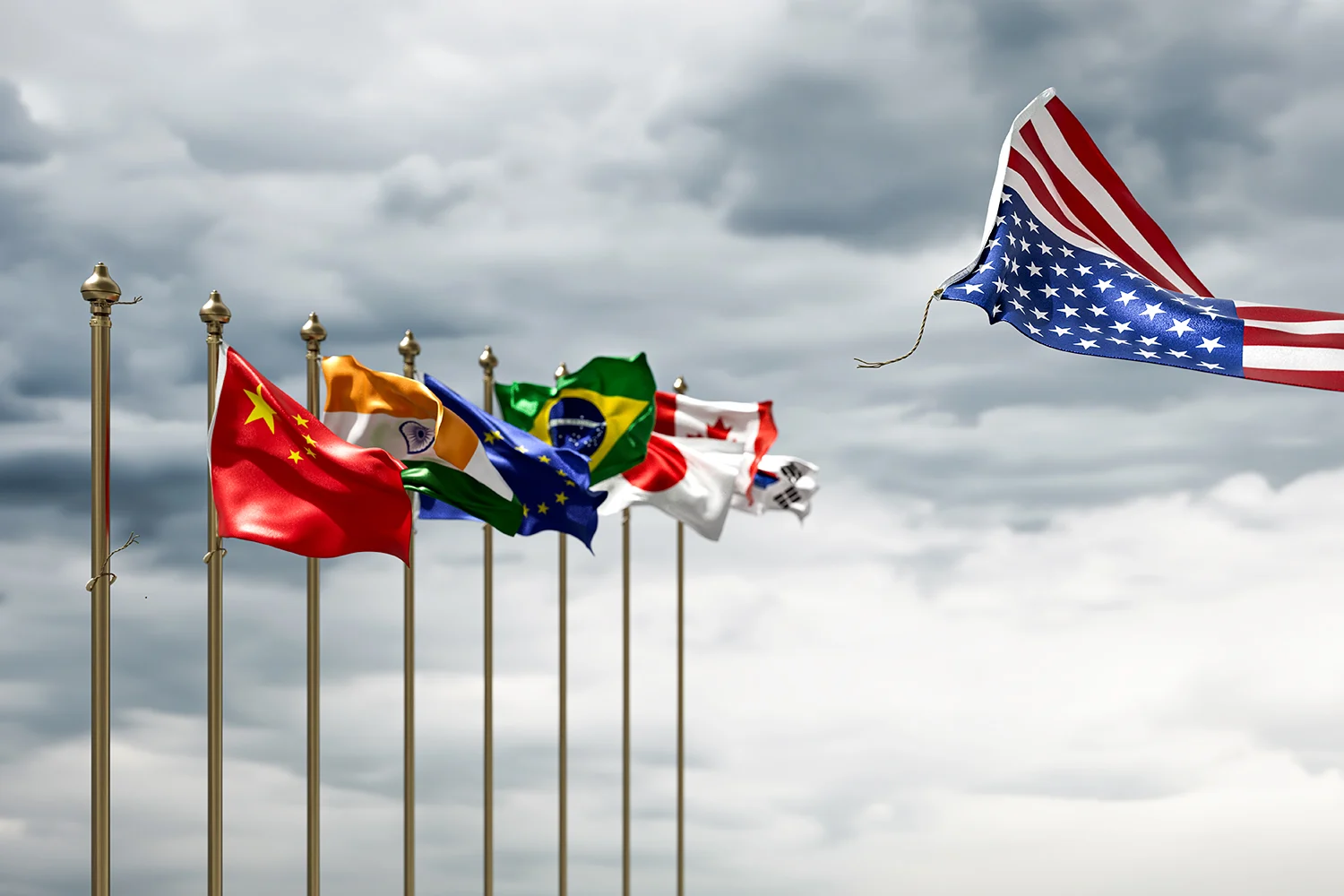
One of the dominant narratives about U.S. President Donald Trump’s foreign policy is that his hostility to the multilateral system is absolute and irreversible. Yet while Trump has indeed recoiled from international institutions with disdain, even relish, his administration’s actions don’t always match his words.
Consider Secretary of State Marco Rubio’s approach to Gavi, the global vaccine alliance that Washington withdrew funding from last year. In early June, Rubio appeared to sideline Health and Human Services Secretary Robert F. Kennedy Jr., an avowed vaccine skeptic, by announcing that Washington would reengage with Gavi. The decision came amid a swelling Ebola outbreak in Africa and followed a letter sent to Rubio by a bipartisan group of senators, warning that $600 million in congressionally appropriated Gavi funding was sitting unused.
The senators’ case was pointed. Gavi, a United Nations-adjacent agency, has helped vaccinate more than 1.1 billion children, prevented over 20 million deaths, supported U.S. vaccine manufacturers, and hosted a U.S.-founded global vaccine stockpile. Releasing the money, they argued, would allow Washington to regain a seat on Gavi’s board and shape decisions affecting Americans’ health security. Investing in Gavi would also be a way for the United States, after retreating from its historic role as a global health guarantor, to deflect blame for the mounting Ebola crisis.