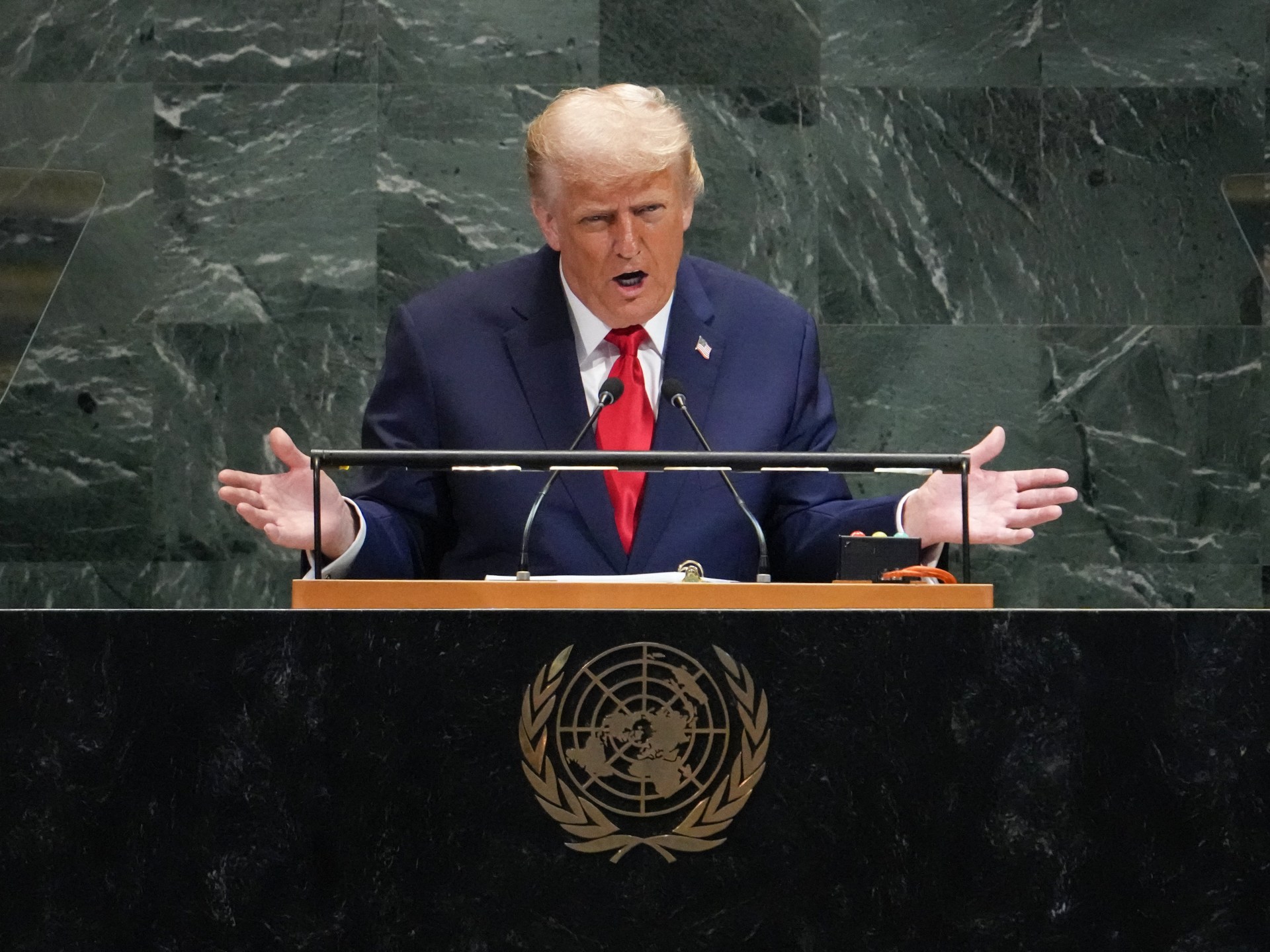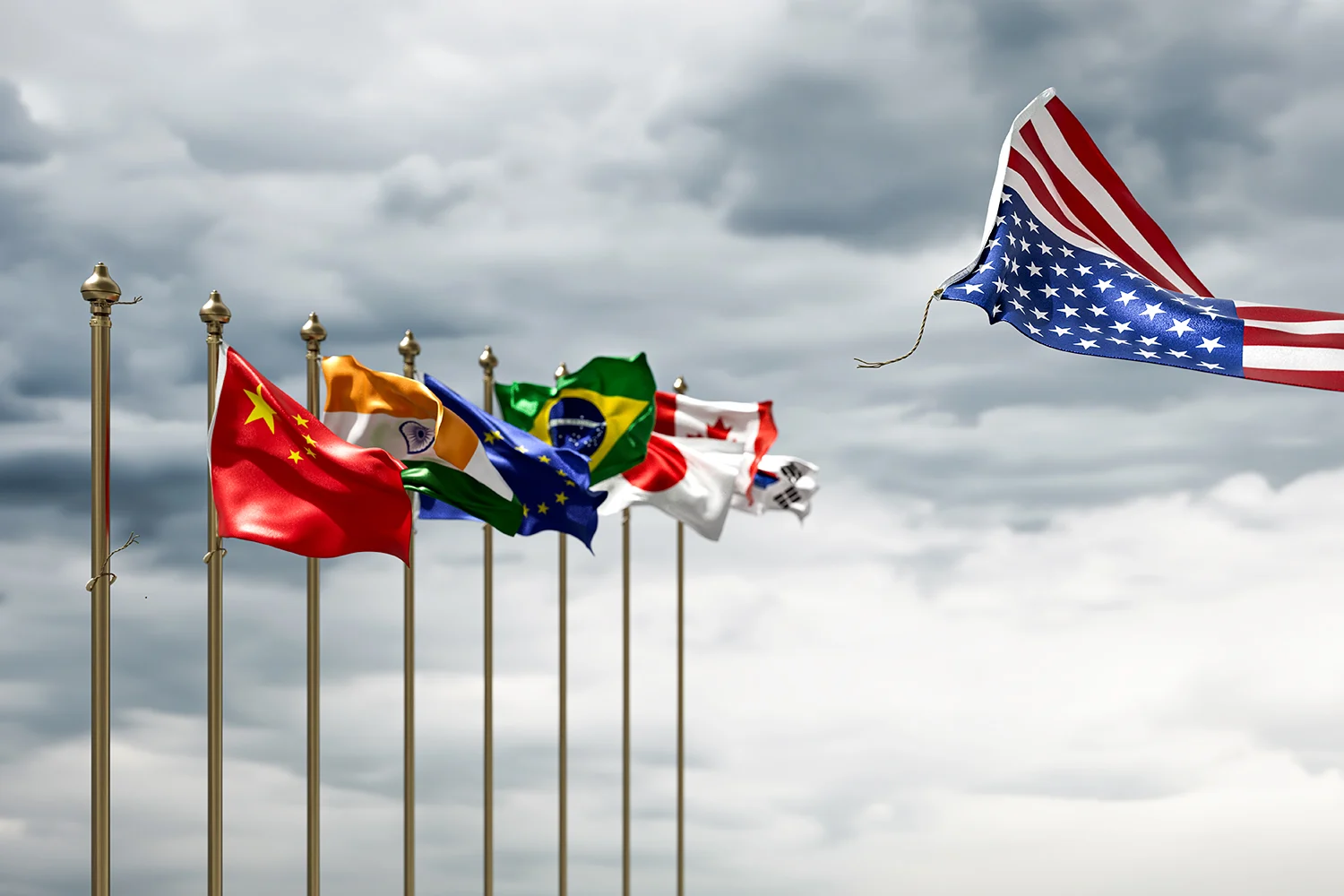
When Washington announced in January that the United States would withdraw from 66 international organizations — 31 of them United Nations bodies, including the framework convention that has anchored global climate diplomacy for three decades, the reaction abroad was the familiar blend of alarm and condescension. Reckless. Isolationist. The indispensable nation calling it quits.I write from outside the American argument, not within it, making sense of Washington from a global vantage rather than a domestic one. From here, a less comforting reading emerges. What looks like a tantrum is closer to a thesis, and that thesis deserves to be taken seriously, because dismissing it is how (and why) the proponents of the current order keep on failing to grasp why the global order is being dismantled.Strip out the noise, and the argument is coherent. The post-war system was built by the United States, largely for its own benefit, to lock in a peace it had made possible and paid for. Eighty years on, despite huge benefits, Washington has decided, not without reason, that the deal has run its course. The institutions it once underwrote now constrain it more than they serve it. Influence has devolved to states that game the system or no longer merit a seat at the appropriate table. The institutions cannot be reformed without concessions it has no intention of making. So America is doing the thing institutionalists consider unthinkable — walking away from the table rather than bargaining at it.
Trump isn't quitting the world order. He's firing it
The president's exit from global institutions isn't chaos — it's a calculated bid to rewrite the world order before the next election. Here's an outside view.
939 words~4 min read